2027 Online Exercise & Sports Science Bachelor's Degrees for Adults Over 40

Co-Founder and Chief Data Scientist
Adults over 40 often seek meaningful career changes that combine passion with practical skills-yet balancing work, family, and education can prove daunting. Online exercise & sports science bachelor's degree programs offer flexible pathways to enter fields such as fitness training, rehabilitation, or wellness coaching.
Approximately 38% of students in these programs are over 40, reflecting growing demand for career advancement through accessible, remote learning. This article explores key online degree options tailored for adult learners, addressing scheduling challenges, curriculum relevance, and employment prospects to help readers confidently navigate their pursuit of a rewarding career in exercise & sports science.
Key Points About Online Exercise & Sports Science Bachelor's Degrees for Adults Over 40
- Online Exercise & Sports Science bachelor's programs accommodate adult learners' schedules, offering flexibility essential for balancing career, family, and study commitments often faced by students over 40.
- The degree equips professionals with updated knowledge on human physiology and biomechanics, enhancing career growth in health, fitness, and rehabilitation sectors seeking expertise in an aging population.
- Research indicates adults over 40 pursuing relevant online degrees report a 20% employment increase post-graduation-highlighting its strong return on investment for career advancement.
What are the best online Exercise & Sports Science bachelor's degrees for adults over 40?
Experienced professionals over 40 pursuing growth in the exercise & sports science field find online bachelor's degrees a strategic way to deepen expertise and expand career paths while balancing life commitments. With over 35% growth projected in health and wellness occupations by 2032, choosing accredited and flexible programs becomes essential for mature students seeking a lasting impact.
Below is a selection of the best online exercise and sports science bachelor's programs for adults over 40 that combine academic rigor with practical flexibility.
- University of Florida: This program offers a comprehensive online bachelor's in sport management and exercise science, featuring specialties like strength and conditioning or sports nutrition. Its asynchronous format supports adults managing education alongside other responsibilities.
- Arizona State University: ASU's online Bachelor of Science in Kinesiology stands out for its research-driven curriculum and adaptive learning technology, customizing content to meet the unique needs of mature learners.
- Liberty University: Known for integrating a Christian worldview, Liberty's bachelor's in exercise science offers a distinct concentration in health and wellness coaching that blends motivational and physical fitness education.
- University of Massachusetts Amherst: Offering an online BS in sport management and recreation, this COSMA-accredited program ensures robust academic standards and is ideal for adults prioritizing recognized credentials in their education.
- Oregon State University: This fully online bachelor's in exercise and sports science includes virtual simulation laboratories, allowing adult learners to develop hands-on skills and overcome geographical barriers effectively.
For adults over 40 exploring further educational options related to healthcare and wellness, considering short DNP programs can be valuable next steps after completing their bachelor's degrees. Each of these top accredited online exercise and sports science degrees for mature students emphasizes accessibility, academic quality, and specialized knowledge to support lifelong career growth in an evolving industry.
How much do online Exercise & Sports Science bachelor's degrees typically cost?
The average cost of an online exercise and sports science bachelor's degree typically ranges from $300 to $800 per credit hour. With most programs requiring between 120 and 130 credits, total tuition falls between approximately $36,000 and $104,000. Public institutions often offer lower rates for in-state residents, while private colleges tend to have higher tuition regardless of residency. Getting a clear understanding of the online exercise and sports science bachelor's degree tuition costs upfront helps in budgeting effectively.
Beyond tuition, students should anticipate several hidden costs that can add to the overall expense. Technology fees, which about 75% of online programs charge, support the digital platforms essential for virtual learning, often amounting to $150 to $300 per semester. Additional costs may include course materials, proctoring services for exams, and specialized equipment required for practical components of the degree.
Compared to traditional on-campus programs, online degrees may reduce expenses related to commuting and housing but might include slightly higher virtual learning fees. Considering the average cost of online exercise and sports science bachelor's programs, it is advisable to plan for these secondary expenses. Students seeking advanced healthcare degrees might also explore related fields such as online DNP FNP programs to understand broader educational investment trends.
What are the admission requirements for adult learners enrolling in online Exercise & Sports Science bachelor's degrees?
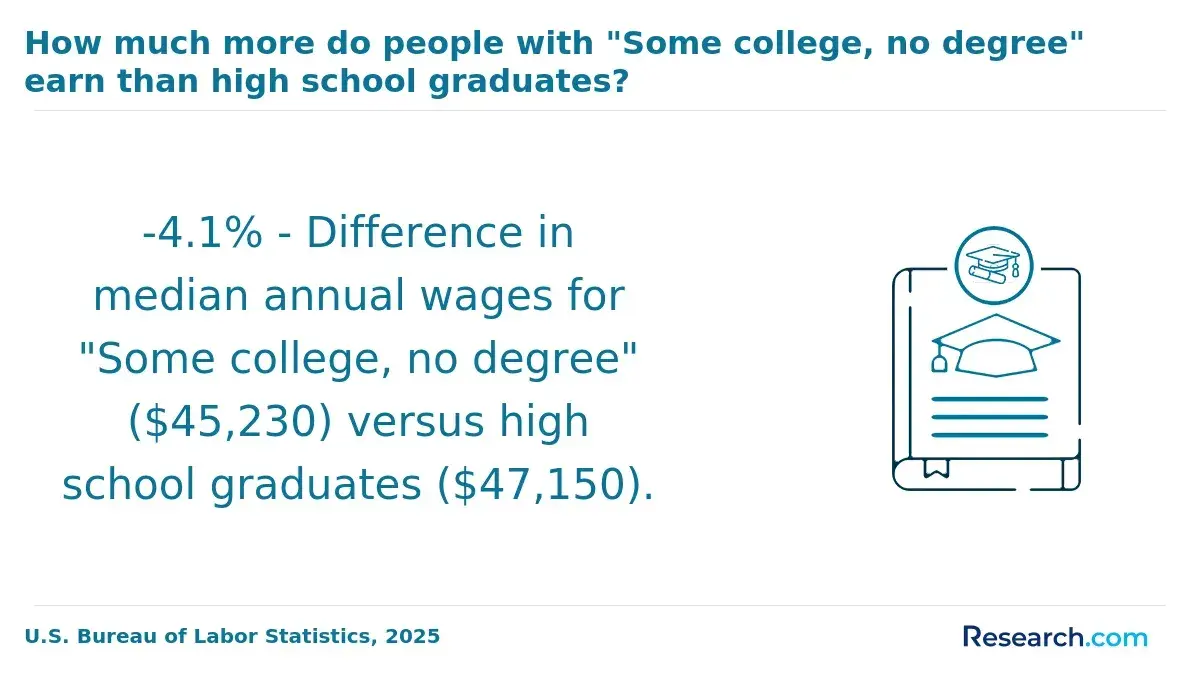
Admission standards for adults over 40 applying to online exercise & sports science bachelor's programs largely mirror those for traditional students but often with added flexibility to account for life experience. According to a 2025 survey, 68% of such programs waive standardized testing requirements for mature applicants, focusing instead on prior learning and professional background.
Below are key criteria commonly required to demonstrate preparedness for these degrees:
- Educational Credentials: Applicants must submit proof of a high school diploma or equivalent like a GED. Many programs also accept previous college credits or relevant certifications, recognizing non-traditional educational paths often pursued by adult learners.
- Scientific Background: Foundational knowledge in biology, anatomy, or physiology is essential. Over-40 applicants can meet this requirement through prior coursework, online prerequisite classes, or credentials showing familiarity with these core subjects.
- Practical Experience: Demonstrating real-world engagement in fitness, coaching, or health sectors is highly valued. Volunteer work, certifications such as CPR/AED, or employment in sports or wellness fields help applicants illustrate applied knowledge and commitment.
- Standardized Tests: Scores like the SAT or ACT are frequently optional for this age group. Institutions emphasize academic history and professional achievements, with many waiving test requirements altogether for candidates over 25.
- Motivation and Fit: Personal statements or recommendation letters often form part of the application, giving adult learners a chance to convey their goals, dedication, and relevant experience directly to admissions committees.
Asked about the admission experience, a professional graduate reflected on balancing application demands with a busy personal life. He recalled feeling uncertain about how his diverse background would be evaluated but was encouraged by advisors who acknowledged non-traditional learning.
"Submitting my volunteer and coaching work helped me tell my story beyond transcripts," he shared. Navigating prerequisite coursework online initially felt daunting but ultimately boosted his confidence. He emphasized, "The process wasn't just about proving readiness-it was about showing how my experience shaped my passion for exercise & sports science."
Is a bachelor's in Exercise & Sports Science still a wise investment for adults over 40?
Professionals over 40 pursuing an online bachelor's degree in exercise & sports science often see salary increases averaging 3% to 5% annually after graduation, reflecting the growing demand in health, coaching, and rehabilitation fields. This degree enhances eligibility for leadership roles and promotes long-term job security by equipping graduates with specialized expertise sought by employers. Combining work experience with this academic credential can accelerate advancement within just a few years.
Financially, most graduates recover tuition costs within three to six years, thanks to better job stability and flexibility the degree provides. The online format particularly suits adults balancing career and family, allowing them to continue earning income while upgrading skills. This balance reduces financial strain and supports sustained professional growth well beyond initial hiring.
When asked about the value of earning an online exercise & sports science bachelor's degree at an older age, one recent graduate shared that juggling coursework alongside a full-time job and family obligations was challenging yet manageable. "The flexibility kept me engaged without sacrificing my income," he explained.
He also noted how applying new knowledge immediately in his workplace boosted his confidence and credibility. This first-hand experience underscores that, despite obstacles, the degree remains a worthwhile investment for adults seeking meaningful career progress after 40.
How can online Exercise & Sports Science bachelor's degrees help over-40 professionals at work?
Modern exercise & sports science bachelor's degree programs are structured to provide skills that professionals can immediately apply to address workplace challenges. According to a recent Pew Research Center survey, 87% of adults recognize the importance of ongoing education for career progression.
Below are three key benefits these programs offer to adults over 40 seeking career advancement opportunities with exercise and sports science degrees.
- Curriculum Relevance: Courses are regularly updated to reflect the latest research and industry practices, helping students replace outdated methods with innovative techniques that improve job performance.
- Tech Competency: Learners develop proficiency in digital assessment tools and data analytics platforms, essential for today's sports science roles, enabling them to stay current with technological advances.
- Flexible Learning: Online formats allow adults to balance studies with family and work demands, making it possible to enhance skills without interrupting their careers.
By combining real-world applications with advanced knowledge, online exercise & sports science bachelor's degrees empower professionals over 40 to remain competitive in fitness training, rehabilitation, and wellness management. Many students find that what they learn can be integrated directly into their current positions, making this a practical option for career advancement.
Those interested in further education can explore related fields like PhD in nursing online programs, which also emphasize the value of lifelong learning.
What financial aid opportunities are available for adult students enrolling in Exercise & Sports Science degree programs?
Adults over 40 pursuing an online exercise & sports science bachelor's degree have a variety of financial aid options-essential tools to help manage tuition costs. According to the National Center for Education Statistics, nearly 85% of undergraduates receive some form of financial assistance.
For those looking to reduce expenses, exploring targeted scholarships and grants is a strategic step. Here are key financial aid sources available to mature students:
- AAUW Career Development Grants: Offered by the American Association of University Women, these grants support women returning to education after a career break. Applicants must demonstrate financial need and be in a career transition, making them ideal for adult learners in exercise & sports science programs.
- Jeannette Rankin Women's Scholarship Fund: This fund provides scholarships specifically for low-income women aged 35 and older intending to pursue undergraduate degrees. It empowers older women seeking entry into fields like exercise & sports science to advance their education.
- Institutional Scholarships for Nontraditional Students: Many colleges have scholarships geared toward adult students enrolled in allied health or sports science programs. Eligibility often requires proof of age, enrollment status, and sometimes community engagement or leadership experience.
- American Kinesiotherapy Association Scholarships: These scholarships offer financial support to students studying movement science disciplines, including exercise & sports science. Recipients generally must be enrolled in accredited programs and maintain strong academic standings.
- Federal Pell Grants and Direct Loans: These federal aid programs remain vital for adult students. Applicants must complete the FAFSA annually and meet citizenship and enrollment criteria. Combining federal aid with specialized awards can substantially lower degree costs.
Exploring financial aid is particularly important for adult students interested in health-related fields since accessible scholarship and grant opportunities can make online exercise & sports science degrees more attainable. For those also considering other options in health sciences, reviewing resources on ASN online nursing programs might provide additional financial aid insights and pathways.
Financial aid options for adult exercise & sports science students are diverse and targeted, reflecting a growing recognition of the unique challenges and goals of students pursuing degrees later in life. Scholarships and grants for online exercise & sports science degrees offer a critical means to fund education beyond traditional student aid, enabling more adults to gain credentials in this dynamic field.
Can your professional Exercise & Sports Science certifications be converted into academic credit?
Many online exercise & sports science bachelor's programs recognize professional certifications like the Certified Strength and Conditioning Specialist (CSCS), NASM-certified personal trainer, ACE certification, and ACSM's Certified Exercise Physiologist as valuable credentials that can translate into academic credit. Adult students returning to school, especially those over 40, can benefit from prior learning assessment (PLA) policies that give credit for industry expertise, reducing both degree time and overall tuition expenses.
According to the Council for Adult and Experiential Learning (CAEL), about 70% of U.S. colleges use PLA policies to evaluate professional experience and certifications for credit transfer. This approach often shortens degree completion by 9 to 12 months and cuts costs by up to 30%, making education more accessible for adults balancing work and family commitments.
To convert certifications into college credit, students typically submit detailed documentation, including certification content, exam results, and sometimes portfolios, to demonstrate competencies. Institutions then thoroughly evaluate this material to ensure academic standards are met while allowing learners to leverage their prior knowledge effectively. This process facilitates a smoother, faster path to earning an exercise & sports science bachelor's degree online for experienced professionals.
How many previously earned college credits can you transfer into a Exercise & Sports Science program?
Adult learners over 40 pursuing an online exercise & sports science bachelor's degree often have the option to transfer previous college credits, allowing them to shorten their time spent in the program. Many institutions accept transfer credits from accredited schools, typically up to 60 to 90 semester credits, which can account for about half to three-quarters of the total credit requirement for a bachelor's degree.
To transfer credits, students usually must submit official transcripts and detailed course descriptions to confirm their relevance and alignment with the exercise & sports science curriculum. Credits are generally evaluated on a course-by-course basis, emphasizing equivalency and academic quality. General education courses-such as those in English, mathematics, or social sciences-are often easier to transfer and rarely expire.
In contrast, specialized courses like biomechanics or kinesiology may have stricter criteria, including expiration dates or the need for recent completion due to advancements in the field. Research shows that up to 85% of transfer credits approved by health science programs are from general education rather than specialized coursework. Utilizing transfer credits can significantly reduce educational costs and accelerate degree completion for adult students balancing other responsibilities.
Do you still need SAT or ACT scores for online Exercise & Sports Science degree admissions at age 40?
For adults over 40 pursuing online exercise & sports science bachelor's degrees, SAT or ACT scores are generally not required. Many institutions have embraced test-optional policies to accommodate mature students, recognizing prior academic achievements, work experience, or GED completion as stronger indicators of readiness than standardized tests.
There are exceptions-some programs might still request SAT or ACT results for students without sufficient post-secondary coursework, or for those applying to competitive scholarships and honors tracks within exercise & sports science. Applicants should verify specific admission criteria directly with their chosen schools, as requirements can vary by program and institution.
Overall, adults over 40 will typically benefit from flexible admissions processes that emphasize professional background and prior learning over standardized test scores, reflecting a growing trend to support non-traditional students seeking degrees online in exercise & sports science.
How can adult students evaluate which online Exercise & Sports Science bachelor's degree to choose?
Choosing an accredited online exercise & sports science bachelor's program requires a structured approach to ensure the degree aligns with your professional goals and personal commitments. Adults over 40 often face unique challenges in balancing education with work and family life, making it essential to evaluate programs carefully.
- Flexible Scheduling: Adults benefit from programs offering asynchronous classes and flexible deadlines. This adaptability allows students to continue their studies without disrupting their existing responsibilities.
- Relevant Curriculum: The curriculum should reflect the latest advancements in biomechanics, nutrition, and rehabilitation. Selecting a program aligned with current industry demands helps ensure practical skills are applicable across fitness, clinical, or sports performance settings.
- Cost and Admission Requirements: Evaluating cost and admission criteria is important for adults over 40 who must consider financial investment alongside career advancement. Comparing tuition, fees, and materials relative to long-term benefits aids in making an informed decision.
- Support Services: Robust support tailored to adult learners, including academic advising, career counseling, and technical assistance, enhances student retention and success.
- Hands-On Experience: Look for programs that integrate virtual labs, internships, or practicum opportunities. Practical experience is critical for mastering exercise & sports science concepts and improving employability.
Adults seeking an online exercise & sports science bachelor's degree should focus on these criteria when selecting programs, ensuring their choice supports their career ambitions and educational needs. Exploring online bachelor's degree in exercise science options with these factors in mind can help prospective students find programs that meet both academic and lifestyle demands.
What Graduates Say About Their Online Exercise & Sports Science Bachelor's Degree
- Lennon: "Choosing to pursue an online exercise & sports science bachelor's degree at 40 was driven by my desire to pivot careers without sacrificing family time. I was pleasantly surprised by how affordable and flexible accredited programs can be, making education accessible without breaking the bank. This degree has already opened doors in personal training and wellness coaching, proving it's never too late to chase your passion."
- Forest: "Reflecting on my journey, enrolling in an online exercise & sports science bachelor's degree felt like the right step to deepen my knowledge and credibility. The cost was a significant factor for me, and finding an accredited program that balanced quality with affordability made all the difference. Today, my work in sports rehabilitation benefits immensely from the science and practical skills I gained."
- Leo: "At 40, returning to school online for a bachelor's in exercise & sports science was a challenge I embraced with professionalism and discipline. I valued how accredited programs respect adult learners' time and budget, offering a cost-effective route to career advancement. The degree has enhanced my profile in the fitness industry, allowing me to consult and lead with confidence."
Other Things You Should Know About Exercise & Sports Science Degrees
Older adults without recent college experience can succeed in online exercise & sports science programs. These programs often offer comprehensive support, including tutoring and academic advising, tailored specifically to adult learners. The flexibility of online formats allows students to balance studies with work and personal commitments, and schools often foster communities to support peer engagement and motivation.
Most online exercise & sports science programs offer asynchronous classes, allowing students to study at their own pace and schedule. This flexibility suits adults over 40 who may balance education with careers and family responsibilities. Additionally, many programs provide extended course access and part-time enrollment options to accommodate varying time commitments.
These programs typically focus on anatomy, physiology, kinesiology, and exercise prescription tailored to diverse populations. Students also gain skills in injury prevention, fitness assessment, and the development of personalized training plans. For adults over 40, programs may offer specialized content on aging, mobility, and chronic disease management.
References
- BSc (Hons) — 2026 entry Sport and Exercise Science https://www.surrey.ac.uk/undergraduate/sport-and-exercise-science/2026
- What you can do with a degree in Exercise and Sport Science: careers and opportunities in Australia today https://www.curtin.edu.au/news/advice/exercise-sport-science-careers-australia/
- 40+ Bachelors Degrees in Exercise Science Online & Campus https://sportsdegreeonline.org/exercise-science-degree/bachelors/
- eta College: Bachelor of Exercise:Sports Science (Online) https://etacollege.com/bachelor-of-exercise-sports-science-online/
- Top 15 Affordable Exercise Science Degree Online Programs https://www.sports-management-degrees.com/affordable-online-bachelors-sports-science/
- Sports Science Certifications https://www.scienceforsport.com/certifications/waitlist/
- 425 Mature students Undergraduate Sports Science Scholarships available https://www.hotcoursesabroad.com/study/international-scholarships/all/Undergraduate/sports-science/mature-students/all/cid/2/b9/1175/nty/scholarship35.html
- Sport and Exercise Sciences https://www.durham.ac.uk/study/courses/sport-and-exercise-sciences-c606/
- 7 Best Online Exercise Science Degrees in 2024 https://leverageedu.com/explore/online-courses/online-exercise-science-degrees/