2027 Is 40 Too Late to Earn an Exercise & Sports Science Bachelor's Degree?

Co-Founder and Chief Data Scientist
Returning to school near 40 often stirs questions about timing and feasibility, especially for those balancing family demands or career shifts. Many adults face a career plateau and consider a degree in Exercise & Sports Science to unlock new opportunities in a growing field.
With employment in kinesiology and related roles projected to grow by 11% through 2031, interest surges among mature students seeking stability and fulfillment. Online and hybrid programs also make learning more adaptable to busy schedules.
This article examines whether 40 is too late to earn an Exercise & Sports Science bachelor's degree and explores key factors that influence this important educational decision.
Key Things to Know About Whether 40 Is Too Late to Earn a Exercise & Sports Science Bachelor's Degree
- Midlife career shifts are common, and a bachelor's in Exercise & Sports Science aligns well with growing health and wellness industries, offering relevant job prospects beyond age 40.
- Modern degree programs often provide flexible scheduling, including online and part-time options, accommodating adult learners balancing work and family responsibilities.
- Completing this degree later yields long-term benefits, such as improved career mobility, personal health knowledge, and increased earning potential over decades.
Can You Start a Exercise & Sports Science Bachelor's Degree at 40?
Beginning a Exercise & Sports Science bachelor's degree at 40 is increasingly accessible as higher education evolves to welcome learners at any stage of life. Age is not a barrier to enrollment in undergraduate programs, as many institutions value the diverse experiences adult students bring to their academic communities.
This openness reflects broader trends in education, where pathways are designed to accommodate various backgrounds and life circumstances. For those seeking the benefits of pursuing an exercise & sports science degree later in life, the environment is supportive and encouraging.
Colleges and universities often provide inclusive academic structures that recognize the unique needs of adult learners. Dedicated support services, academic advising, and admissions pathways tailored for non-traditional students help foster a welcoming atmosphere.
These frameworks ensure that students aged 40 and above can engage fully with their studies and benefit from environments that emphasize collaboration and respect for diverse perspectives.
For prospective students exploring advanced educational opportunities, resources like the DNP program offer insight into accessible professional pathways beyond traditional timelines.
What Are the Biggest Challenges of Going Back to College at 40?
Returning to college at 40 to pursue an exercise & sports science bachelor's degree presents unique challenges that require mindful preparation. Approximately 40% of nontraditional students balance multiple roles, making it important to understand how to manage competing demands while maintaining progress.
Successfully navigating these hurdles can enhance the experience and increase the chance of long-term success.
- Balancing work, family, and college responsibilities at 40: Many adult learners juggle family obligations and sometimes ongoing work alongside their studies. This balancing act often requires disciplined time management and clear prioritization between competing demands to avoid burnout and maintain momentum.
- Financial Concerns: Tuition and educational expenses can strain budgets, especially when financial aid options for older students may be limited. Careful budgeting is essential to manage both household and school-related costs effectively.
- Adapting to New Learning Environments: Technologies and instructional methods have evolved rapidly, so adult learners might face a learning curve with digital platforms and virtual collaboration. Seeking campus or community resources for technical training can ease this transition.
- Overcoming Self-Doubt: Returning to an academic setting after years away can trigger feelings of insecurity or comparison to younger peers. Building a positive mindset focused on personal goals is vital to maintaining confidence throughout the program.
- Practical Strategies: Creating detailed weekly schedules, establishing strong support networks, and prioritizing self-care can help address these challenges effectively.
For those exploring various options, programs like RN to BSN online illustrate how flexible learning pathways exist for adult learners seeking accessible education opportunities.
Can You Work Full-Time While Earning a Exercise & Sports Science Degree at 40?
Balancing full-time employment while pursuing a bachelor's degree in exercise & sports science at age 40 is achievable with strong time management and commitment. Many adult learners find that maintaining a structured routine and breaking study time into focused segments helps sustain steady progress alongside work obligations.
This approach reinforces the idea that age should not deter anyone from advancing their education, as mature students often bring valuable life experience to their academic journey. Successfully managing these responsibilities highlights that returning to school later in life can lead to meaningful academic and career growth without sacrificing current professional roles.
When asked about his experience, a professional over 40 currently enrolled in an exercise & sports science degree shared that juggling work and school requires patience and adaptability.
"Some days are overwhelming," he admitted, discussing late-night study sessions after full workdays.
He emphasized the importance of setting realistic goals and accepting that progress might be slower than in younger years. Despite the challenges, he finds motivation in the practical application of coursework to his job, which makes the effort feel worthwhile. His story reflects the resilience needed to thrive academically while maintaining a full-time career at this stage in life.
What Are the Most Flexible Ways to Earn a Exercise & Sports Science Bachelor's Degree at 40?
Balancing education with work, family, and other responsibilities is essential for adults around 40 pursuing a bachelor's degree in Exercise & Sports Science. Choosing flexible learning formats can make it easier to manage these demands while advancing academically.
- Online Learning: This format offers significant convenience, enabling students to participate in lectures, complete assignments, and join discussions from any location. Flexible online exercise and sports science degree programs allow learners to fit study time naturally within busy daily schedules.
- Part-Time Enrollment: By spreading coursework over more semesters, students reduce their weekly academic load. Part-time exercise and sports science bachelor's options for adults ease pressure and provide a manageable pace without sacrificing steady progress.
- Evening or Weekend Classes: Scheduled outside typical work hours, these classes accommodate those seeking some in-person engagement without the constraints of daytime attendance. This option fits well with adult learners' complex schedules.
- Self-Paced Study: Offering the greatest flexibility, self-paced programs allow students to accelerate or slow their progress based on their availability and priorities. This adaptability supports learners facing fluctuating personal or professional demands.
Students interested in more accelerated options may explore the LPN accelerated program, which can provide intensive training with flexible delivery methods.
How Long Does It Take to Finish a Exercise & Sports Science Bachelor's Degree at 40?
Completing a Exercise & Sports Science bachelor's degree at 40 can vary widely depending on each individual's situation. Many students studying full time finish in about four years, but adult learners often take a slower pace due to competing demands.
- Course Load: The number of classes taken each semester greatly impacts completion time. Those who can enroll full time typically finish faster, while part-time students may need several additional years.
- Prior Learning: Credits earned from previous college courses or relevant certifications can shorten the path. Transfer credits help reduce required classes, accelerating graduation.
- Life Responsibilities: Balancing work, family, and personal commitments often influences how much time students can dedicate to studies. Flexibility in scheduling is essential but may extend the duration.
- Motivation and Planning: Strong commitment and clear goal setting help maintain steady progress. Adult learners who stay organized and focused often complete their degree within expected timeframes despite challenges.
One adult learner who returned to college at 40 shared her journey, noting the emotional mix of excitement and anxiety she experienced. Managing a full-time job alongside coursework was demanding, but she found that breaking assignments into smaller tasks kept her on track.
She recalled moments of self-doubt but emphasized the encouragement from professors and peers as crucial. Her advice was to 'stay patient and be prepared for a marathon, not a sprint,' highlighting that persistence matters more than speed.
Ultimately, finishing her degree reaffirmed her confidence and opened new professional opportunities she hadn't anticipated when she started.
How Much Does It Cost to Get a Exercise & Sports Science Bachelor's Degree at 40?
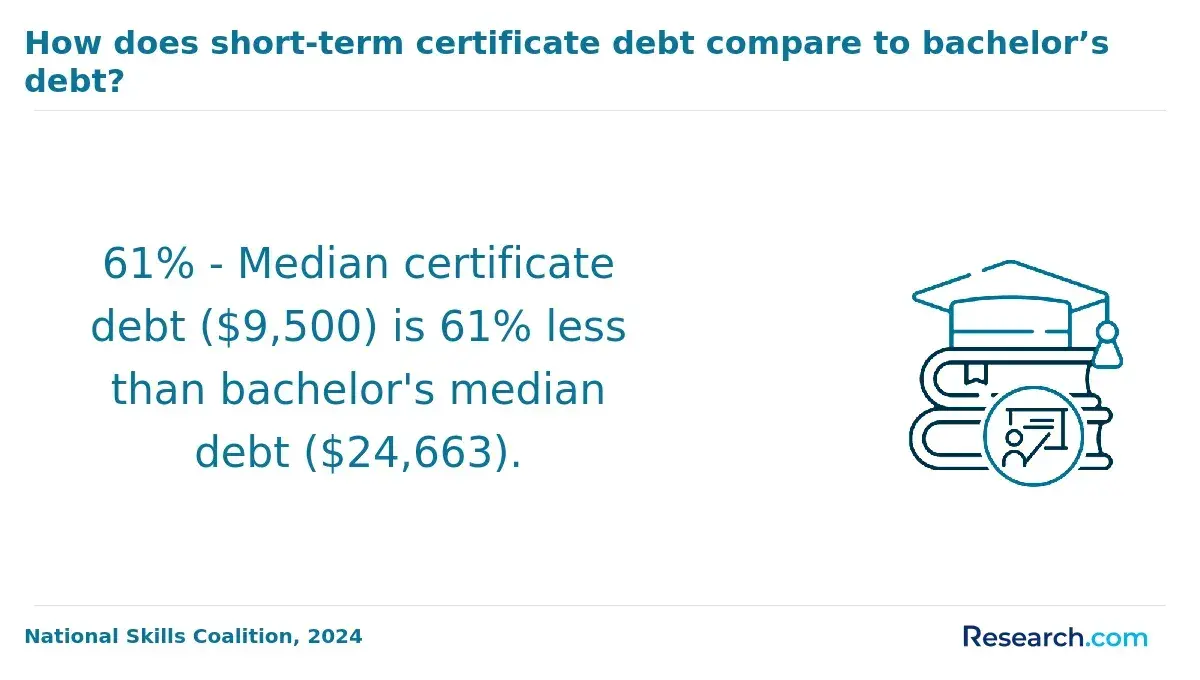
The average cost of earning a bachelor's degree in exercise & sports science in the United States can range widely, often totaling over $40,000 depending on the type of institution. For learners around 40, understanding the different cost drivers can help balance educational goals with financial realities.
- Tuition Fees: The largest expense, tuition varies significantly between public and private schools, as well as in-state versus out-of-state rates. Residency status and institutional funding models affect these costs more than the student's age.
- Learning Materials: Required textbooks, specialized software, and lab equipment add to expenses. Many schools offer digital or rental options to reduce these costs, but hands-on components in exercise & sports science programs often necessitate purchasing certain materials.
- Enrollment Intensity: Choosing between full-time and part-time study impacts total spending. Part-time enrollment spreads costs over a longer period, possibly lowering short-term financial strain, while full-time may require higher immediate outlays but shorten the overall timeframe.
- Additional Fees: Charges for applications, lab access, technology resources, and campus services can increase the overall price. These fees vary by school and should be considered for budgeting, especially for adult learners managing other commitments.
What Are the Risks of Going Back to College at 40?
Returning to college around age 40 to pursue a bachelor's degree in Exercise & Sports Science comes with unique challenges that require careful consideration. The transition back to academic life often means facing higher demands on time and energy, alongside adapting to modern educational environments. Recognizing these risks can help adult learners prepare and create effective strategies to succeed.
Common challenges of going back to college at 40 include:
- Academic Workload: The rigorous demands of coursework, such as extensive reading, writing, lab work, and exams, can feel overwhelming after a long break from formal education. Developing strong study habits and time management skills is essential to avoid burnout.
- Adapting to Technology: Modern learning often involves digital platforms and online resources that might be unfamiliar, requiring extra effort to become comfortable with these tools and teaching methods, which can impact confidence and academic performance initially.
- Balancing Responsibilities: Many older students juggle family, career, and school obligations simultaneously. Managing these competing priorities increases stress and may challenge consistent academic progress if not addressed with effective planning.
While these factors present risks, many adult learners bring valuable motivation and real-world experience that can enhance their educational journey in Exercise & Sports Science. Preparing for these challenges up front can help make the pursuit of this degree achievable and rewarding.
Can You Start a New Career at 40 With a Exercise & Sports Science Bachelor's Degree?
Starting a new career at 40 with a Exercise & Sports Science bachelor's degree is achievable and offers a solid foundation in physiology, biomechanics, and health promotion.
This degree equips graduates with skills applicable in fitness training, rehabilitation, and sports management. Education at this level facilitates career change opportunities with a Exercise & Sports Science degree over 40 by providing up-to-date knowledge and credentials valued by employers. Many roles combine scientific understanding with practical application, supporting growth regardless of age.
Workforce trends increasingly support adult learners pursuing new degrees to change careers later in life. Professional pathways in Exercise & Sports Science are evolving, highlighting continuous learning and adaptability.
This broader accessibility encourages mid-life career changers to succeed in dynamic sectors where life experience complements educational achievements. For those interested in related fields, exploring options like a medical coding certification can further enhance career prospects.
Do Employers Value Exercise & Sports Science Bachelor's Degrees Earned at 40?
Employers generally value a bachelor's degree in Exercise & Sports Science earned at age 40 and beyond, especially when combined with relevant life and professional experience.
Nearly 40% of college students are aged 25 or older, highlighting a growing acceptance of adult learners in higher education. This openness often translates into positive employer attitudes toward mature Exercise & Sports Science degree holders.
Several perspectives shape how employers evaluate degrees obtained later in life, particularly regarding career prospects for Exercise & Sports Science graduates over 40:
- Skill Relevance: Employers focus on current, practical knowledge in Exercise & Sports Science, emphasizing the importance of staying up-to-date regardless of when the degree was earned.
- Professional Experience Integration: Candidates who connect academic achievements with prior work experience often exhibit superior problem-solving abilities and interpersonal skills, making them valuable assets in any setting.
- Continuous Learning: Pursuing a degree later in life signals adaptability and a strong commitment to self-improvement, qualities highly regarded by employers.
- Real-World Maturity: Older graduates bring developed communication and leadership skills from years in the workforce, complementing their technical expertise effectively.
- Workforce Readiness: Adult learners tend to have clearer career goals and motivation, resulting in dependable job performance and professionalism.
For those interested in advancing in health or sports-related fields, exploring flexible educational options can be important. Programs like the shortest PMHNP program offer examples of accelerated pathways catering to adult learners balancing education with other responsibilities.
What Steps Should I Take Before Applying to a Exercise & Sports Science Bachelor's Program?
Applying for an exercise & sports science bachelor's degree requires intentional planning to ensure academic success and well-informed choices. Early preparation is especially helpful for adult learners, with studies showing that about 65% of them experience higher enrollment success when they plan ahead.
Taking time to organize your approach can help you meet program expectations and fit studies into your life.
Consider these important steps before submitting your application:
- Review Academic Background: Examine your transcripts and previous coursework to identify any missing prerequisites, such as biology or anatomy, which are often required for these programs. This assessment helps you pinpoint areas needing further study.
- Understand Program Requirements: Look closely at admission criteria including GPA minimums, testing, and relevant experience. Each school can have distinct standards, so thorough research enhances your application's competitiveness.
- Evaluate Learning Formats: Decide if you prefer part-time, evening, or online classes based on your current commitments. Selecting a format that aligns with your schedule improves your chance to balance education with work and family.
- Prepare Documentation: Collect all necessary materials such as transcripts, recommendation letters, and personal statements ahead of time. Being organized reduces last-minute stress and ensures you submit a complete application.
What Graduates Say About Earning a Exercise & Sports Science Bachelor's Degree at 40
- Lennon: "Returning to college at 42 felt daunting, but I knew that a bachelor's degree in exercise & sports science was exactly what I needed to pivot my career into a field I'm passionate about. The scientific approach to physical health and sports performance fascinated me, and studying this subject reignited my drive for lifelong learning. Earning this degree has opened doors to new professional opportunities, proving that it's never too late to invest in yourself. "
- Forest: "At 45, I chose to pursue exercise & sports science to gain a deeper understanding of how fitness impacts overall well-being, especially after experiencing health challenges myself. This degree provided me with credible knowledge to transition into health coaching with confidence. Reflecting on my journey, I realize that age was never a barrier, but rather an advantage, bringing maturity and focus to my studies and career growth."
- Leo: "Deciding to study exercise & sports science in my early 40s was a strategic move to enhance my existing career in personal training. I wanted a solid academic foundation to complement my practical experience and to stand out professionally. The analytical skills and evidence-based practices I gained have significantly improved my approach, showing me that gaining a degree later in life can lead to meaningful, measurable career advancements."
Other Things You Should Know About Exercise & Sports Science Degrees
Hands-on experience is vital in exercise & sports science. Internships, laboratory work, and clinical placements help students develop skills in assessing physical fitness, designing training programs, and understanding human physiology. Gaining real-world experience during the degree is essential for career readiness and professional networking.
Yes, certifications such as Certified Strength and Conditioning Specialist (CSCS), American College of Sports Medicine (ACSM) certifications, and Certified Personal Trainer credentials enhance a graduate's qualifications. These certifications often require passing exams and completing continuing education, which can increase job opportunities and credibility within the fitness and rehabilitation industries.
Exercise & sports science programs include both theoretical and practical components that can be physically demanding. Mature students should maintain a good level of personal fitness and seek programs that offer flexible practical schedules. Additionally, communicating with instructors about any physical limitations can help create a supportive learning environment.
Programs often offer networking events, alumni networks, and professional associations that cater to all ages, including those over 40. These resources help mature students connect with peers and professionals, enhancing career opportunities in the field.
References
- Bachelor of Science in Exercise Science, Fitness, and Nutrition Management (Completion Degree) https://catalog.bryanuniversity.edu/bachelor-of-science-in-exercise-science-fitness-and-nutrition-management-completion-degree
- Exercise Science, B.S. - Brooklyn College https://www.brooklyn.edu/academics/programs/exercise-science-bs/
- Exercise Science Careers: Paths with Degrees https://www.fitnessmentors.com/exercise-science-careers/
- Facts about working full-time as a full-time student https://www.luminafoundation.org/topics/todays-students/working-adults/
- Thinking about going back to school at 40 or beyond? Read this exclusive guide to learn how to prepare. Well also share some of the tips and tricks. https://www.ebu.ac/blog/46-Is-40-years-or-Beyond-Too-Old-To-Get-A-Professional-Degree--blog.php
- Six careers worth going back to school for — even if you're over age 40 https://www.cnbc.com/2019/02/14/6-careers-its-worth-going-back-to-school-for--even-over-age-40.html
- Is 40 Too Late For A Bachelor's Degree? https://ftp.bills.com.au/lunar-tips/is-40-too-late-for-a-bachelors-degree-1764816620
- Exercise Science | UW-Eau Claire https://www.uwec.edu/academics/programs/undergraduate/exercise-science
- Online Exercise Science Degrees: Top School Review https://www.edumed.org/online-schools/exercise-science-degrees/
- Never Too Late: Getting In Shape in Your 40s And Beyond - The Council For Disability Income Awareness https://thecdia.org/never-too-late-getting-in-shape-in-your-40s-and-beyond/