2027 How to Finish an Online Exercise & Sports Science Bachelor's Degree Faster

Co-Founder and Chief Data Scientist
Many students pursuing an online exercise & sports science bachelor's degree face the challenge of balancing coursework with careers, family, or military commitments. Traditional program lengths often extend beyond four years, delaying entry into the workforce. Recent data shows that only 35% of online exercise & sports science students graduate within six years, highlighting the need for faster completion options.
This article explores proven strategies to accelerate degree completion-from leveraging transfer credits and prior learning assessments to utilizing accelerated courses and maximizing financial aid-to help motivated learners finish their degree efficiently and advance their careers more quickly.
Key Things to Know About Finishing an Online Exercise & Sports Science Bachelor's Degree Faster
- Maximize transfer credits from community colleges and certified training programs-up to 50% of your degree-by aligning previous coursework with your online exercise & sports science curriculum.
- Leverage accelerated course formats, such as 8-week sessions, to complete credits faster-these formats can reduce degree time by 25% compared to traditional semesters.
- Utilize prior learning assessments and military experience credits which institutions often accept, enabling working adults and veterans to shorten program duration and lower tuition costs.
What Are the Fastest Exercise & Sports Science Online Bachelor's Degree Programs Available Today?
Several key factors contribute to what makes an online exercise & sports science bachelor's degree program fast-these enable students to efficiently shorten their time to graduation.
Credit Load: Programs allowing heavier credit loads per term help students finish sooner. While many schools suggest 12 to 15 credits each semester, some permit up to 18 or more, which can reduce total study time by months or even a full year if managed well.
Transfer Policies: Generous acceptance of transfer credits, including from community colleges, military training, or prior postsecondary coursework, accelerates degree completion. Some schools accept as many as 90 transfer credits.
Self-Paced Formats: Flexible, competency-based designs let students progress through material at their own speed, earning credits upon demonstrated knowledge rather than waiting for fixed semester schedules.
Accelerated Schedules: Shortened terms, often 5 to 8 weeks instead of the traditional 15, allow motivated students to complete courses faster and are common in online programs.
The typical length for fastest online exercise and sports science bachelor's degree programs can range between 2 and 4 years depending on program design and course load. Accreditation by recognized bodies such as the Commission on Accreditation of Allied Health Education Programs (CAAHEP) and regional accreditors assures quality but does not directly affect program speed. However, accredited institutions often have established transfer pathways and credit recognition policies that facilitate quicker progress.
Working adults, military-affiliated students, and recent community college graduates should always verify current transfer limits, program formats, and pacing options directly with schools, as these factors change regularly. For those exploring further related online healthcare degrees, programs like PharmD online can also offer flexible accelerated options.
How Does Transfer Credit Acceptance Accelerate Your Exercise & Sports Science Degree Timeline?
Transfer credit acceptance is a crucial strategy to accelerate exercise & sports science graduation with transfer credits by counting previously earned credits toward bachelor's degree requirements. This evaluation process assesses prior coursework to establish equivalency, which can allow students to bypass introductory or general education classes, effectively shortening time to degree completion.
Articulation Agreements: Many institutions have formal partnerships with community colleges and other schools that specify which courses transfer directly into an exercise & sports science curriculum. These agreements provide clarity and help students plan their academic path effectively.
Credit Equivalency Reviews: Registrar or admissions offices thoroughly review transcripts to compare course content, credit hours, and grades against their program standards. This ensures transferred credits meet the necessary academic rigor and alignment with degree requirements.
Maximum Transfer Credits: Typically, schools cap the number of transfer credits accepted-usually between 60 and 90 semester credits-balancing accelerated completion with maintaining core program quality.
Consultation Recommendations: Because transfer credit policies vary widely, always check with your institution's registrar or admissions office for specific rules and evaluation timelines.
Effective use of transfer credit policies for exercise and sports science degrees can reduce redundant coursework and shorten degree timelines by one to two years-an advantage especially valuable for working adults, military-affiliated students, and career changers. Additionally, exploring accelerated course formats and financial aid options can further support this process. For those interested in healthcare fields, programs such as an online nurse practitioner program may also offer related career pathways.
Can Prior Learning Assessment (PLA) Help You Finish Your Exercise & Sports Science Degree Sooner?
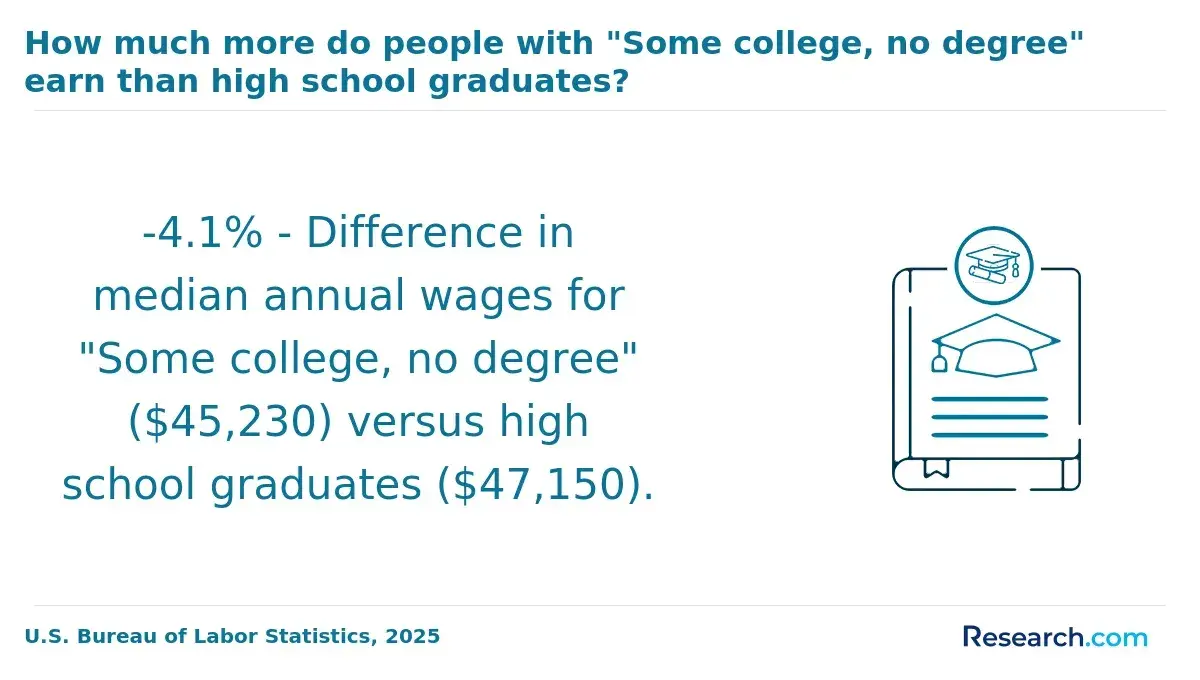
Prior Learning Assessment (PLA) offers a pathway for students aiming to complete an exercise & sports science bachelor's degree more quickly by awarding academic credit for skills and knowledge gained outside traditional classrooms. This approach acknowledges learning from professional roles, military experience, certifications, or self-directed study-allowing learners to skip certain courses and shorten their time to graduation.
- Portfolio Assessment: Learners gather and submit documentation such as work samples, certifications, detailed reflections, and resumes that demonstrate their competencies in exercise & sports science topics. Faculty assess these portfolios to confirm alignment with course objectives.
- CLEP Exams: The College-Level Examination Program provides standardized tests covering foundational subjects relevant to exercise & sports science, including biology, psychology, and health-related fields, enabling students to earn credit for introductory courses.
- DSST Exams: Similar to CLEP, these exams evaluate knowledge in areas pertinent to exercise & sports science and may be applied for credit transfer.
- Military Credit: Credits may be granted for military training and occupational experience that relate directly to exercise science competencies, especially for those with military service in fitness or health roles.
- Challenge Exams: Certain programs allow students to take custom tests demonstrating mastery of specific coursework to earn credit based on prior knowledge.
Those with backgrounds in fitness coaching, wellness program oversight, rehabilitation therapy, or similar fields often qualify more easily for PLA, especially when their expertise covers anatomy, physiology, kinesiology, nutrition, and exercise prescription-core areas in many exercise & sports science curricula. Policies on PLA vary significantly between schools, including limits on the number of credits and procedural requirements. Students should consult academic advisors or review institutional resources to verify availability and compliance.
When assembling a portfolio, clarity in explaining learning outcomes, organizing evidence logically, and connecting each piece of documentation to course competencies enhances the evaluation process. Including thoughtful reflections about practical application further strengthens the portfolio's credibility with reviewers.
A professional who completed his online exercise & sports science bachelor's degree shared that navigating PLA was both reassuring and challenging. "I wasn't sure how much of my work experience would count," he said, describing the uncertainty of assembling a portfolio. Yet, once organized, the process "felt empowering because it highlighted what I already knew rather than repeating it." He appreciated the detailed feedback from reviewers and noted it motivated him to engage more deeply with his remaining courses. For him, PLA wasn't just a shortcut but an acknowledgment of his journey-a crucial step toward his career goals.
How Can CLEP and DSST Exams Cut Down Your Exercise & Sports Science Degree Completion Time?
CLEP and DSST exams serve as efficient credit-by-examination tools that can reduce time for exercise & sports science bachelor's degree completion by allowing students to earn college credits for knowledge already gained. These exams often substitute for general education courses such as introductory biology, psychology, sociology, composition, and statistics-subjects commonly required in exercise & sports science degree plans.
- Registration Process: Candidates can sign up through official providers; CLEP tests are generally available at authorized testing centers, while DSST exams may be taken via the Defense Activity for Non-Traditional Education Support (DANTES) network or Pearson VUE facilities.
- Exam Fees: CLEP exams typically cost about $90, and DSST exams around $100, excluding potential fees charged by test centers.
- Score Requirements: Most schools expect a minimum passing score, commonly around 50 for CLEP and 400 for DSST, but standards vary by institution and exam.
- Credit Awarded: Passing scores generally translate to 3-6 semester credit hours, fulfilling specific course requirements within the degree.
- ACE Credit Recommendation: Both exams are evaluated by the American Council on Education, whose credit recommendations many colleges accept. However, it is essential to verify your institution's accepted exam list and policies before registering.
Utilizing clep exams to accelerate exercise & sports science degree completion is a strategic way to shorten the path to graduation and reduce tuition costs. Military-affiliated students and other learners often benefit from these options. For those searching for flexible learning, consider exploring a self paced online degree to complement exam credits effectively.
What Is the Role of Accelerated Course Formats in Finishing a Exercise & Sports Science Degree Faster?
Accelerated course formats in online exercise & sports science programs condense traditional 15-week semesters into shorter terms-typically lasting 5, 6, or 8 weeks. This intensive structure requires students to quickly process and apply information at a faster pace, demanding strong focus and efficient time management. The increased cognitive load means students must develop disciplined study habits and active learning strategies to keep up and perform well.
Before committing to accelerated classes, it's important to weigh personal circumstances such as employment hours and family responsibilities. Those with full-time jobs or caregiving duties should realistically assess if they can allocate the necessary time without undue stress. Starting with a single accelerated course allows students to better understand their limits before taking on multiple accelerated terms.
One advantage of this format is the ability to stack several accelerated terms throughout the year, enabling continuous enrollment without traditional semester breaks. This flexibility helps students amass credits faster and reduces time-to-degree. Recent data shows that more than 60% of online learners now opt for accelerated courses to graduate sooner, reflecting a growing trend toward expedited education pathways.
- Condensed Coursework: Shorter terms require rapid mastery of material, making effective time management essential to meet frequent deadlines.
- Heightened Cognitive Demands: The accelerated pace intensifies the need for focused study sessions and consistent routines to maintain mental stamina.
- Readiness Evaluation: Considering personal work and home commitments is crucial before enrolling to avoid burnout.
- Year-Round Enrollment: Multiple terms can be completed consecutively, maximizing credit accumulation and speeding up graduation.
- Rising Adoption: A majority of online students choose accelerated options, underscoring a shift toward faster degree completion.
A professional who completed an online exercise & sports science bachelor's degree shared that managing the accelerated format felt demanding but rewarding. She said, "Balancing work, family, and a five-week course pushed me to reorganize my entire weekly schedule." Despite initial doubts, she found that the intensity kept her engaged and motivated, helping her develop stronger study skills. Reflecting on her journey, she emphasized that the compressed timeline forced her to prioritize tasks and maintain focus, which proved invaluable in both her academic success and career growth.
How Does Enrolling Full-Time vs. Part-Time Affect Your Exercise & Sports Science Degree Timeline?
Full-Time Enrollment: Generally involves taking 12 or more credits each semester, enabling students to complete their degrees more quickly-often within four years or less depending on transfer credits and course availability. For instance, if a student has 60 credits remaining and enrolls full-time at 12 credits per semester, they can finish in about five semesters, roughly two years.
- This faster pace supports earlier entry into the workforce or advanced education.
- Yet, it requires a significant time commitment that may be difficult to balance with work or family responsibilities.
Part-Time Enrollment: Usually means registering for fewer than 12 credits per semester, such as 6 credits, which extends the time needed to graduate but offers greater flexibility. With 60 remaining credits at 6 per semester, the timeline stretches to about 10 semesters-approximately five years.
- This approach accommodates individuals managing full-time jobs, family care, or a lighter academic workload.
- It also helps prevent burnout by allowing more balanced integration of study and personal obligations.
Financial Aid Considerations: Eligibility and distribution of financial aid depend on whether students are full-time or part-time. Many grants and loans require at least half-time status-commonly defined as 6 credits per semester.
- Maintaining satisfactory academic progress involves meeting minimum GPA standards and completing a percentage of attempted credits; part-time students must track these closely to retain aid.
- Full-time students may qualify for larger aid amounts but face more pressure to sustain academic performance.
Balancing Speed and Sustainability: While completing the degree quickly is appealing, it's essential to assess your ability to handle the workload.
- Working adults and military-affiliated students often find part-time enrollment better supports consistent performance without risking well-being.
- Reflect on your support network, learning preferences, and external demands before selecting your pace.
Are There Self-Paced Exercise & Sports Science Online Degree Programs That Let You Move at Your Own Speed?
Self-paced exercise & sports science degree programs commonly use a competency-based education (CBE) model, focusing on mastery of specific skills and knowledge rather than fixed semesters. This system allows students to progress by demonstrating their understanding through assessments, projects, or practical tasks. Learners familiar with course material can test out of classes, accelerating their degree completion by avoiding repeated study. This model is especially beneficial for working adults, military-affiliated students, and career changers who want to leverage prior experience or certifications.
Success in these programs depends heavily on strong self-discipline and effective time management-qualities essential for meeting deadlines and maintaining motivation without traditional class schedules. The flexibility of self-paced study suits highly motivated individuals who can create and follow their own study plans but may present challenges for those needing more structure.
Only a limited number of accredited institutions offer exercise & sports science degrees using CBE; prospective students should explicitly inquire about this option during the admissions process to ensure the program fits their learning and pacing needs. Confirming availability early and understanding the model can prevent enrollment in programs without flexible progression paths.
- Competency-Based Education: Students advance by demonstrating mastery of competencies instead of following a fixed semester timeline.
- Flexibility: Enables learners to move quickly through familiar material by testing out of courses.
- Institutions: Few accredited schools provide CBE options for exercise & sports science degrees-research is vital.
- Self-Discipline: Critical for managing study schedules, meeting deadlines, and sustaining motivation independently.
- Program Variability: Not all exercise & sports science programs offer self-paced tracks-verify this during admissions.
What Academic Resources Help Online Exercise & Sports Science Students Complete Their Degree on Time?
Online exercise & sports science students often face challenges that can delay degree completion, making proactive use of academic support services essential. Maintaining regular communication with academic advisors is crucial for tailoring course schedules, evaluating transfer credit policies for exercise & sports science bachelor's degree completion, and developing a realistic degree plan. Advisors can help students avoid pitfalls and stay on track to graduate on time.
- Academic Advisors: Advisors monitor degree requirements and assist with transfer credit evaluations to align coursework efficiently with graduation goals.
- Tutoring Services: Focused tutoring in areas like anatomy, physiology, and statistics helps students grasp difficult concepts, improving exam results and lowering the risk of course withdrawal.
- Writing Centers: These provide essential feedback to strengthen academic writing, ensuring assignments meet graduate-level expectations.
- Library Access: Digital libraries offer comprehensive scholarly resources and research databases that streamline studying and project work.
- Orientation Programs: Early participation in online orientations introduces the virtual learning environment and available academic supports, boosting student confidence.
- Digital Resource Libraries: These collections of recorded lectures and study guides support varied schedules and reinforce key concepts.
Students who engage consistently with these academic resources maintain steady progress and reduce the delays that often occur in distance education. Leveraging academic advising for online exercise & sports science students and understanding transfer credit policies enhances degree planning. For career-minded graduates, exploring options such as high paying jobs with a biology degree can inform educational and professional decisions.
How Does Choosing the Right Exercise & Sports Science Program's Curriculum Structure Impact Your Graduation Speed?
Choosing the right exercise & sports science program curriculum impacts how quickly you can graduate, influencing your degree completion time. Key factors include the balance of core requirements, electives, prerequisite chains, and general education clusters.
- Core Requirements: Programs with many mandatory core courses often have a rigid timeline. These courses typically build on each other, creating a chain of prerequisites. Falling behind in any core class can delay all subsequent courses-potentially adding months or semesters to your graduation date.
- Prerequisite Chains: Heavy prerequisite systems require finishing foundational courses before progressing to advanced ones. This maintains academic rigor but can cause bottlenecks, especially in accelerated formats where courses might only be available in certain terms. Missing a single prerequisite could mean waiting an entire semester to continue your studies.
- General Education Clusters: Some curricula organize general education classes into flexible clusters that students can complete alongside core exercise & sports science coursework, speeding up degree completion. However, programs with strict sequencing may slow progress if scheduling is not managed carefully.
Before enrolling, it's essential to map out your entire degree plan using your institution's official catalog or degree audit tool. This practice helps identify potential scheduling conflicts or bottlenecks early. Remember, curricula can change over time, so regularly consulting with an academic advisor is crucial to stay updated on requirements and course options.
Working adults, career changers, and military-affiliated students can benefit from exploring transfer credit and prior learning assessments to accelerate their pathway. For those also considering nursing degrees, it's helpful to review information on online RN to BSN programs for a complementary educational perspective.
Can Summer and Winter Sessions Help You Finish Your Online Exercise & Sports Science Degree Early?
Enrolling in summer and winter sessions provides an effective way to increase annual credit accumulation and shorten the time to complete a bachelor's degree in exercise & sports science. Typically, these inter-sessions allow students to take between 3 and 9 credits, supplementing the standard fall and spring semesters. This flexibility enables learners to reduce the number of total semesters needed to graduate.
Tuition for these shorter terms often differs from regular semesters, with many institutions charging prorated or flat fees. Some summer or winter sessions may be less costly, but prospective students should review specific cost structures carefully before committing. Financial aid usually applies to inter-session courses when enrollment requirements are met, though policies vary-consulting the financial aid office is advisable to ensure eligibility.
Selecting courses that fit the compressed format is crucial. Electives and general education classes are generally better suited for summer and winter terms because they typically demand less intensive study than core exercise & sports science courses. This strategy helps maintain academic progress without overwhelming students during accelerated periods.
Since not all programs offer these inter-sessions annually, it's important to verify availability for each academic year to plan effectively and maximize this opportunity.
- Credit Load Flexibility: Students can enroll in extra credits during summer and winter sessions, adding 3 to 9 credits per term to expedite degree completion.
- Tuition Variability: Summer and winter terms often have prorated or flat tuition rates that may be lower, yet cost differences require careful review before enrollment.
- Financial Aid Access: Aid commonly extends to inter-session courses if criteria are met, but confirming with the financial aid office prevents surprises.
- Course Choice Strategy: Electives and general education classes are advisable during inter-sessions due to shorter durations and manageable workloads.
- Program Availability: Inter-session offerings vary across institutions and years, so checking each academic calendar is essential for planning.
What Financial Aid Options Are Available to Help Online Exercise & Sports Science Students Graduate Without Delay?
Financial challenges frequently cause students in online exercise & sports science programs to postpone their graduation. Accessing sufficient financial aid helps maintain consistent enrollment and prevents interruptions in course progress. Key types of aid that learners should explore include:
- Federal Grants: Need-based awards from the government, such as the Pell Grant, do not require repayment. Eligibility depends on the timely completion of the Free Application for Federal Student Aid (FAFSA), which must be submitted each year to qualify.
- Institutional Scholarships: Many schools and organizations offer scholarships tailored specifically for exercise & sports science students. These awards may focus on merit or financial need, and students are encouraged to search scholarship databases from their colleges, professional associations, and private sources.
- Employer Tuition Assistance: Students who are employed should verify if their workplaces provide tuition reimbursement or assistance. These programs often require coursework relevant to the employee's role and can significantly decrease out-of-pocket costs.
- Military Benefits: Active service members, veterans, and their families may be eligible for education benefits, including the GI Bill®. Such support generally covers tuition fees and offers additional resources for military-affiliated learners.
Submitting the FAFSA on schedule each academic year is critical because it influences access to federal aid and many campus-based awards. Delays in filing can disrupt aid distribution and hinder continuous enrollment. Many financial aid programs also require students to enroll at least half-time, reinforcing the importance of course load decisions discussed earlier and ensuring funding eligibility while pursuing accelerated degree completion.
What Graduates Say About How to Finish an Online Exercise & Sports Science Bachelor's Degree Faster
- Noelle: "The acceptance of transfer credits and the option to take CLEP and DSST exams were game-changers in my pursuit of the exercise & sports science bachelor's degree-these elements allowed me to skip courses that covered knowledge I already had. The accelerated course formats kept me motivated and helped me graduate much faster than I expected. This program's structure really respects the value of prior learning and pushes students forward efficiently."
- Forest: "Choosing a self-paced program for my exercise & sports science degree was the best decision for me; it offered the flexibility I needed to balance work, family, and studies. I also appreciated being able to select the curriculum that was most relevant to my career goals, which helped keep me engaged throughout. Plus, the availability of financial support made what once felt impossible much more manageable."
- Leo: "Having completed my exercise & sports science bachelor's degree online, I can confidently say it prepared me well for my professional career in sports therapy. The structured learning assessments continuously challenged me to apply what I learned, and the ability to accelerate through certain courses gave me an edge when I entered the job market. This program not only enhanced my knowledge but opened doors to meaningful career opportunities."
Other Things You Should Know About Exercise & Sports Science Degrees
Effective time management for online exercise & sports science students includes setting a consistent study schedule and prioritizing coursework around work and personal commitments. Breaking down assignments into smaller tasks with specific deadlines helps maintain steady progress without becoming overwhelmed. Using digital calendars and productivity apps to block study periods ensures dedicated focus time, which is key to completing courses more quickly.
A strong GPA can open opportunities for enrollment in accelerated or advanced exercise & sports science courses that require minimum grade criteria. High academic performance often qualifies students for honors programs and scholarships that may reduce financial pressures and support a faster path to graduation. Maintaining good standing also avoids delays caused by failing or repeating courses, which can significantly prolong degree completion.
Yes, certain certifications like Certified Personal Trainer (CPT) or Certified Strength and Conditioning Specialist (CSCS) offer credits or fulfill course requirements within many exercise & sports science programs. Earning these certifications concurrently can reduce the number of required classes, helping students complete their degrees faster. It also adds immediate professional value alongside academic achievement, enhancing career readiness upon graduation.
References
- Online Bachelor's In Sports Science: A Comprehensive Guide https://dev.otakume.com/pro-spot/online-bachelors-in-sports-science-a-comprehensive-guide-1767647671
- eta College: Bachelor of Exercise:Sports Science (Online) https://etacollege.com/bachelor-of-exercise-sports-science-online/
- Full-Time Student Hours vs. Part-Time: What's the Difference? https://www.citizensbank.com/student/articles/full-time-student-hours.aspx
- Online Student Support | The Exercise Science Academy Online https://www.exercisescienceacademy.online/online-support
- College Dropout to Degree: A Real Plan to Go Back and Finish | University of the People | https://www.uopeople.edu/blog/plan-to-go-back-to-go-back-to-school/
- 10 Online Bachelor’s in Sport and Exercise Science 2026 https://www.collegevaluesonline.com/10-online-bachelors-in-sport-exercise-science/
- Credit for Life Experience: How a Prior Learning Assessment (PLA) Can Benefit You https://abound.college/finishcollege/advice/credit-for-life-experience-how-a-prior-learning-assessment-pla-can-benefit-you/
- Financial Aid For Online Colleges https://www.affordablecollegesonline.org/financial-aid/financial-aid-for-online-colleges/
- Online Access to Higher Education Diploma for Sports Science https://www.distancelearningcentre.com/course/access-to-he-diploma/sports-science/
- Exercise & Sport Science with MS in Exercise & Sport Science - Western Colorado University https://western.edu/undergraduate/accelerated-exercise-sport-science-master-in-exercise-sport-science/