2027 How Hard Is an Online Exercise & Sports Science Bachelor's Degree?

Co-Founder and Chief Data Scientist
Many working professionals wonder how challenging it is to earn an online Exercise & Sports Science bachelor's degree while juggling careers and personal commitments. This field demands mastery of anatomy, physiology, kinesiology, and data analysis, often requiring hands-on lab work adapted for virtual formats.
According to recent data, approximately 35% of students in related online programs report difficulty balancing technical skill acquisition with coursework. The need for self-discipline and effective time management often surpasses that of traditional degrees.
This article examines the academic rigor, time demands, and essential skills involved to help prospective students gauge what to expect from this online program.
Key Things to Know About the Difficulty of an Online Exercise & Sports Science Bachelor's Degree
- Programs demand consistent self-discipline, as online students must manage coursework, labs, and internships independently without in-person supervision or fixed schedules.
- Academic rigor varies, with some institutions emphasizing applied science and research methods, while others focus on practical skills and certification preparation.
- Time commitments often exceed 15 hours weekly, combining lectures, readings, virtual labs, and physical activity logs to fulfill program requirements effectively.
How Hard Is an Online Exercise & Sports Science Bachelor's Degree?
The difficulty of an online exercise and sports science degree is generally shaped by factors such as program expectations, the learning structure, and the overall academic standards set by the institution. These degrees balance theoretical knowledge with practical application, requiring students to master subjects like anatomy, physiology, and research methods.
Academic rigor can vary widely between programs depending on how they deliver content, whether through synchronous or asynchronous formats, and the comprehensiveness of their assessments. According to recent data, approximately 37% of undergraduate students in the U.S. participate in some form of distance education, underscoring the growing role of online study in higher education.
The perceived difficulty of an online exercise and sports science bachelor's program is influenced by institutional variation, curriculum design, and student experience factors. Some schools enforce strict grading policies and demanding coursework, while others may offer more flexible academic environments.
Additionally, individual student circumstances, including prior education and motivation, play key roles in how challenging a program feels. For those considering accelerated pathways, exploring options like the fastest medical assistant program can provide perspective on varied pacing and intensity in health-related studies.
What Is the Workload and Time Commitment for an Online Exercise & Sports Science Bachelor's Degree?
Prospective students considering an online Exercise & Sports Science bachelor's degree benefit greatly from understanding the expected workload and time commitment. These insights help set realistic expectations for managing coursework alongside other responsibilities.
According to the National Survey of Student Engagement, undergraduates typically spend about 14 hours per week preparing for class, reflecting the study intensity one can expect in such programs.
Below are key factors that influence the academic pacing and overall commitment required in online Exercise & Sports Science programs.
- Academic Pacing: Course schedules vary widely between institutions, with some offering accelerated 7- to 8-week terms and others adhering to traditional 15-week semesters. Shorter terms often mean more concentrated weekly study hours, demanding disciplined time management.
- Weekly Study Hours: Students generally spend 12 to 16 hours weekly on coursework, including video lectures, readings, discussions, and applied projects. The variation depends on individual learning speed, course load, and whether lab or practicum components are included.
- Program Length: The time to complete the degree typically spans three to six years, depending on whether students enroll full-time or part-time. Most programs target the standard four-year completion timeline, requiring steady weekly commitment to avoid falling behind.
- Institutional Variation: Online Exercise & Sports Science programs differ in structure and workload demands, so researching specific schools is crucial for matching study habits and personal schedules.
- Time Management: Balancing self-paced learning with deadlines and practical assignments means that students must cultivate strong discipline and organization skills to maintain progress throughout the program, especially when compared to more traditional formats like an online nurse practitioner degree.
How Difficult Are the Courses in a Exercise & Sports Science Bachelor's Degree?
Assessing course difficulty is crucial for students considering an online exercise & sports science bachelor's degree, as it shapes expectations about workload and academic commitment. Data from the National Center for Education Statistics reveals that average undergraduate course completion rates are around 70%, underscoring the typical challenges faced by college students.
The following points highlight essential aspects of course rigor and complexity in these programs.
- Curriculum Rigor: Programs cover a broad spectrum, starting with core sciences like anatomy and physiology before advancing to more specialized topics such as exercise prescription and sports nutrition. This progression requires consistent effort and mastery of both theory and practice.
- Subject Complexity: Courses involve scientific and physiological concepts that become increasingly sophisticated over time, demanding critical thinking and a deeper understanding of human body function and sports performance.
- Assessment Variety: Students encounter diverse evaluations, including written exams, research assignments, laboratory reports, and practical projects. This variety tests both academic knowledge and applied skills.
- Institutional Differences: Some schools emphasize research and data analysis, while others prioritize practical case studies and skill application, influencing the nature and depth of coursework.
- Progressive Challenge: As students advance, course material intensifies, requiring greater analytical abilities and integration of knowledge across disciplines.
A graduate of an online exercise & sports science bachelor's program shared that managing the workload felt demanding at times, especially balancing intensive lab assignments with research papers. He recalled, "The most challenging part was adapting to different types of assessments and keeping up with the complex physiology content."
Despite moments of frustration, he noted that completing projects and applying concepts in real scenarios provided a strong sense of accomplishment and motivation to persevere through difficult modules.
Is Online Learning Harder Than In-Person for Exercise & Sports Science Programs?
Comparing online and in-person learning for exercise & sports science bachelor's programs reveals that perceived difficulty often hinges on the mode of instruction and academic structure. While both formats cover theoretical knowledge and practical skills, the delivery style impacts how students engage with the material.
For instance, studies have demonstrated that about 88% of students enrolled in at least one online course report satisfaction levels similar to those attending traditional classes, highlighting comparable performance and retention outcomes across formats.
Such findings suggest that despite differences in experience, neither format consistently outperforms the other in terms of academic achievement or engagement.
However, challenges of online exercise and sports science degrees compared to traditional classes arise mainly from how practical components and assessments are adapted for virtual settings. Institutional course designs may emphasize remote demonstrations and written projects over direct physical evaluations, which can shift the perceived rigor of the program.
Additionally, learning environments play a crucial role; self-directed study in online formats demands strong discipline, whereas on-campus classes offer structured schedules and immediate feedback.
How Flexible Is an Online Exercise & Sports Science Bachelor's Degree for Working Students?
Flexibility is crucial for working students weighing online exercise & sports science bachelor's programs because balancing job duties with studies requires adaptable learning options. With time constraints and varied schedules, programs that accommodate these realities help maintain progress and reduce dropout risks.
According to the National Center for Education Statistics, more than 40% of undergraduates in distance education are adult learners juggling employment.
Several key features shape how online exercise & sports science degrees support flexible learning for professionals:
- Asynchronous Learning: Courses often allow students to engage with lectures and assignments on their own time rather than adhering to strict schedules, enabling study around work commitments.
- Self-Paced Progression: Many programs offer options to move through material at an individualized speed, providing the freedom to spend extra time on challenging topics or accelerate when feasible.
- Multiple Start Dates: Flexibility to begin studies at various points during the year helps students avoid waiting for traditional semester start times and fit enrollment with personal timing.
- Hybrid Models: Some programs combine online coursework with occasional in-person labs or practical sessions, scheduled to accommodate working students' availability.
- Accessibility Tools: Virtual office hours, tutoring, and digital collaboration platforms are widely used to reduce the need for physical presence, supporting learning from any location.
When discussing flexibility, a current online exercise & sports science bachelor's student shared that managing coursework alongside a full-time job demanded constant adjustment. She emphasized that while asynchronous formats gave her control over study times, unexpected work deadlines sometimes required shifting plans quickly.
"It's a balancing act," she said, "but having access to instructors during virtual office hours and flexible deadlines made it possible to stay on track." This experience highlights how flexibility in program design can empower working learners to persist despite competing demands.
What Skills Do You Need to Succeed in an Online Exercise & Sports Science Program?
Online exercise & sports science bachelor's programs require students to adapt to a learning environment that relies heavily on personal responsibility and proactive engagement. Recognizing which skills support success helps prospective students gauge the demands of online study and better prepare themselves.
Data from the Online Learning Consortium highlights that students with strong time management skills are 40% more likely to finish their online programs compared to peers who lack this ability.
Key skills needed for thriving in an online exercise & sports science program include:
- Time Management: Balancing classwork with personal commitments and work demands careful scheduling. Students must independently meet deadlines and allocate study periods without direct oversight from instructors.
- Self-Directed Learning: Online learners need to actively pursue understanding by engaging with course content and seeking additional resources. This autonomy is critical for mastering complex scientific concepts and applications.
- Digital Literacy: Comfort with online learning platforms, virtual tools, and electronic communication is essential. Students must navigate assignments, participate in discussions, and use research databases efficiently.
- Communication Skills: Clear and effective writing and verbal exchange enable productive collaboration with instructors and peers in an online setting. Since much interaction occurs remotely, articulating questions and feedback is vital.
- Academic Discipline: Sustained focus and motivation are necessary to manage the rigorous coursework typical of exercise & sports science. Developing strong study habits helps maintain consistent progress despite the challenges of a less structured environment.
These abilities underpin student resilience and adaptability, equipping learners to handle varied assessments such as labs, reports, and research projects inherent to exercise & sports science curricula. Ultimately, success depends not only on mastering content but on cultivating these foundational skills throughout the program.
Is a Exercise & Sports Science Bachelor's Degree Harder Than Other Majors?
Students frequently compare the difficulty of an exercise & sports science bachelor's degree with other majors to better understand academic expectations and workload. Perceptions of rigor vary widely across disciplines, influenced by different curriculum structures, assessment methods, and subject matter complexity.
For example, STEM fields often emphasize theoretical understanding and lab work, while social sciences may focus on critical thinking and extensive reading. According to a report by the National Center for Education Statistics, the average undergraduate GPA across majors is about 3.0, but completion rates and time-to-degree can differ significantly depending on the field.
In terms of curriculum, exercise & sports science students engage with a range of topics-from anatomy and biomechanics to nutrition and behavioral science-offering a balance of theory and applied practice. Difficulty varies among majors with regards to subject complexity, assessment styles, and institutional standards.
While STEM emphasizes rigorous theoretical concepts, exercise & sports science demands proficiency in both written exams and practical demonstrations, including internships or fieldwork. Overall, course rigor depends on the university, and exercise & sports science generally falls in a moderate position on the spectrum of academic challenges.
What Challenges Do Students Face in Online Exercise & Sports Science Bachelor's Degrees?
Prospective students should carefully consider common obstacles before enrolling in an online exercise & sports science bachelor's degree, as knowing these challenges helps set realistic expectations for academic success.
Recognizing typical difficulties allows learners to better assess whether this field and format align with their study habits and personal circumstances. Below are some key challenges students often encounter in these programs.
- Autonomous Learning Demands: Online exercise & sports science degrees require high levels of self-motivation and discipline. Students must independently engage with scientific theories and practical material, which can be demanding without direct supervision.
- Time Management Complexity: Balancing a rigorous academic workload alongside personal and professional commitments requires strong organizational skills. The flexible nature of online programs may blur boundaries between study and other activities, making consistent scheduling difficult.
- Digital Platform Navigation: These programs often use multiple online tools for lectures, assignments, and discussions. Mastery of these platforms is essential but time-consuming, with technical challenges or limited support sometimes causing frustration.
- Academic Workload Expectations: Exercise & Sports Science curricula involve absorbing extensive theoretical content, conducting research, and completing virtual labs or simulations. The demanding workload reflects the discipline's rigorous scientific and applied focus.
- Variation in Institutional Support: Support services such as tutoring, advising, and career resources differ widely among programs. This inconsistency impacts students' ability to manage managing workload in online exercise & sports science degrees effectively and navigate academic demands.
For those interested in related health fields, exploring an online nutritionist degree can also provide insights into academic rigor and workload expectations typical of similar science-based online programs.
What Support and Resources Are Available for Online Exercise & Sports Science Bachelor's Students?
Support systems are essential for students pursuing an online exercise & sports science bachelor's degree, as they help manage the unique challenges of remote learning combined with rigorous scientific coursework. These systems enhance engagement, clarify complex concepts, and contribute significantly to academic success in programs blending theory with practical training.
According to the National Center for Education Statistics, students who actively use academic support services in online education experience notably higher retention rates.
Key support and resource elements available to students include:
- Academic Advising Frameworks: Advisors assist with course selection, career planning, and time management strategies, making the complex curriculum more manageable for online learners.
- Digital Learning Tools: Interactive video lectures, virtual labs, and simulation software provide practical and immersive experiences essential for mastering biomechanical and physiological concepts remotely. These resources supplement academic support for online exercise and sports science students effectively.
- Institutional Student Services: Online tutoring, writing centers, and mental health counseling help students handle workload stresses and minimize isolation typical of remote studies, offering comprehensive resources and tutoring services for exercise and sports science bachelors online.
- Peer Collaboration Structures: Discussion boards, group projects, and study groups foster community engagement and promote academic interaction despite physical separation.
- General Learning Support Systems: Orientation programs tailored for online learners, technical support for troubleshooting course platforms, and 24/7 resource libraries ensure smooth access to materials and guidance throughout the program.
Students looking for accelerated pathways can explore 1 year MHA programs online, which may complement their undergraduate studies or career goals.
Is an Online Exercise & Sports Science Bachelor's Degree Worth the Effort?
Students often question whether pursuing an online exercise & sports science bachelor's degree justifies the academic effort and time investment required. The program demands a solid commitment to coursework, balancing theoretical study with practical application.
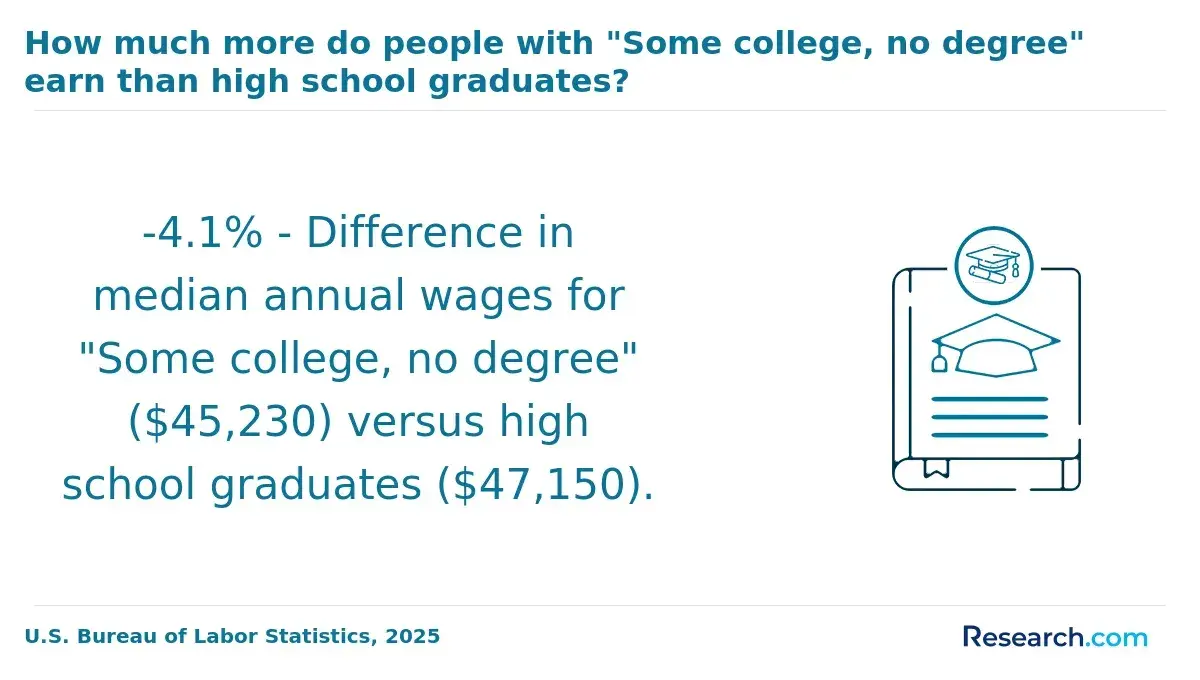
Despite concerns about workload intensity, data from the National Center for Education Statistics show that graduates with bachelor's degrees generally earn 67% more than those with only a high school diploma, highlighting potential financial benefits. Such statistics fuel debate on whether the degree's return on investment aligns with the challenges faced during study.
The value of an online exercise & sports science degree largely depends on factors like curriculum rigor, program accreditation, and its alignment with labor market demands. Accredited programs ensure students meet standardized educational outcomes, which helps maintain academic quality and professional credibility.
By aligning fitness and rehabilitation expertise with an online healthcare MBA, graduates can effectively bridge the gap between clinical practice and high-level organizational leadership within the wellness industry.
What Graduates Say About How Hard Is an Online Exercise & Sports Science Bachelor's Degree
- Lennon: "Choosing an online exercise & sports science bachelor's degree was a practical decision for me, balancing work and study. The hardest part was managing the self-discipline required to stay on track without traditional classroom support. However, this flexibility made it possible to advance my knowledge while applying what I learned directly to my coaching career."
- Forest: "Reflecting on my experience, I found the rigorous curriculum of the online exercise & sports science program both challenging and rewarding. The most valuable insight was learning to adapt to a virtual environment that demanded strong time-management and proactive communication skills. This degree has significantly boosted my confidence and credibility in the sports therapy field."
- Leo: "From a professional standpoint, pursuing an online exercise & sports science bachelor's degree tested my resilience, especially in mastering complex concepts without face-to-face interaction. What truly helped was developing a disciplined study routine and engaging actively in online forums. This program has opened new career opportunities and enhanced my ability to support athletes effectively."
Other Things You Should Know About Exercise & Sports Science Degrees
Many online exercise & sports science programs require lab or practical components to demonstrate hands-on skills. These are often arranged at local facilities or through virtual simulations. While arranging these may add some logistical effort, the practical skills themselves are manageable with proper guidance and resources.
Exercise & sports science programs include rigorous study of anatomy, physiology, biomechanics, and nutrition. Mastery of these scientific disciplines requires consistent study and a solid understanding of complex concepts. Students with a strong foundation in biology and chemistry may find this less challenging.
Effective time management is crucial because students must balance lectures, assignments, and practical work independently. Without the structure of in-person classes, procrastination can increase the perceived difficulty. Developing a disciplined schedule helps reduce stress and improve academic performance.
In 2027, prior athletic or fitness experience can ease understanding of exercise concepts, but it doesn’t offset academic requirements. Critical thinking and scientific knowledge are essential. Experience in these areas can aid practical applications but not replace academic rigor or reduce overall degree difficulty.
References
- Online Student Support | The Exercise Science Academy Online https://www.exercisescienceacademy.online/online-support
- Exercise Science https://online.pennwest.edu/programs/exercise-science/index.php
- Bachelor of Science (Exercise and Sports Science) https://www.ecu.edu.au/degrees/courses/bachelor-of-science-exercise-and-sports-science
- Is a Sport and Exercise Science degree worth it? https://www.salford.ac.uk/school-health-society/is-a-sport-and-exercise-science-degree-worth-it
- Is Exercise Science a Hard Major? Unveiling the Truth - CollegeRanker https://www.collegeranker.com/is-exercise-science-a-hard-major/
- Online Exercise Science Program https://stmary.edu/online-programs/exercise-science.html
- Online Sport Science Degrees: Your Flexible Path https://launch.openaccessbutton.org/fresh-insights/online-sport-science-degrees-your-flexible-path-1767647671
- Research on the Challenges and Solutions for Online Physical Education in the Post-Epidemic Era https://www.scirp.org/journal/paperinformation
- Love Sports and Exercise? Consider Getting an Exercise Science Degree (Either Online Or In-Person) https://www.sportingferret.com/2025/06/19/love-sports-and-exercise-consider-getting-an-exercise-science-degree-either-online-or-in-person/