2027 Best Career Paths After an Exercise & Sports Science Bachelor's Degree

Co-Founder and Chief Data Scientist
Choosing a career path after earning a bachelor's degree in Exercise & Sports Science can be daunting. Recent graduates face a dynamic job market where industries like healthcare, fitness, and rehabilitation constantly evolve. With nearly 11% projected job growth in related fields over the next decade, deciding the best fit requires understanding both emerging roles and transferable skills.
Many graduates worry about long-term growth and salary potential while navigating opportunities ranging from clinical exercise physiology to sports management. This article explores the most promising career paths following an Exercise & Sports Science bachelor's degree and offers guidance to make informed, strategic decisions.
Key Things to Know About the Best Career Paths After a Exercise & Sports Science Bachelor's Degree
- Common entry-level roles include fitness trainers, rehabilitation assistants, and sports coaches, with approximately 24% job growth expected in related health and wellness fields through 2031.
- Specializations like biomechanics or sports nutrition directly influence job opportunities, guiding graduates toward tailored careers in research, clinical settings, or athletic performance.
- Long-term career progression depends on factors such as advanced certifications, continuing education, and practical experience, which are essential for leadership and specialized roles.
What Are the Top Career Paths by Industry for Exercise & Sports Science Graduates?
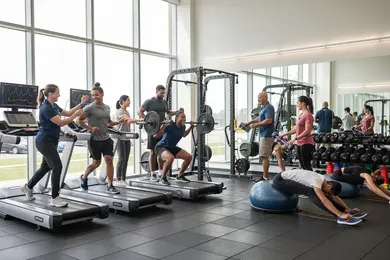
Graduates with a bachelor's degree in exercise & sports science find career opportunities across various industries where their expertise supports health, performance, and wellness. Employment in health and fitness-related fields is expected to grow by 15% over the next decade, underscoring strong demand in this area. Below are key industries and typical career paths for exercise & sports science degree holders.
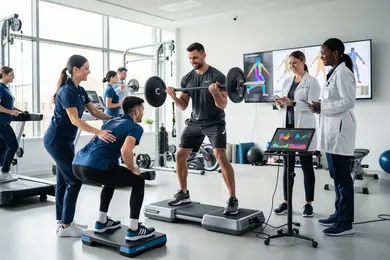
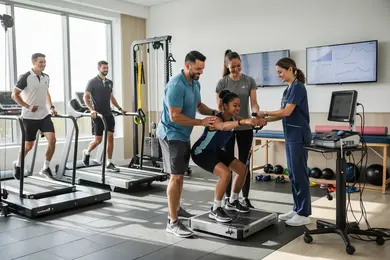
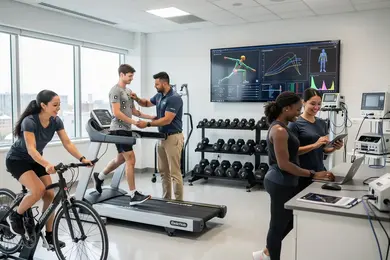
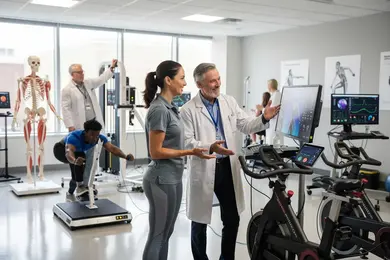
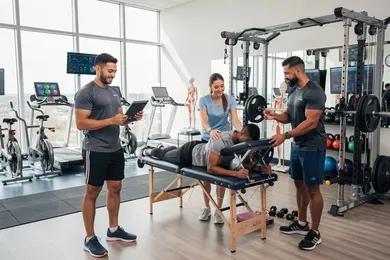
- Healthcare and Rehabilitation: Graduates often work as exercise physiologists or rehabilitation specialists, assisting patients in recovering from injuries and managing chronic illnesses through tailored physical activity programs. Their role is vital in enhancing clinical outcomes and patient wellness.
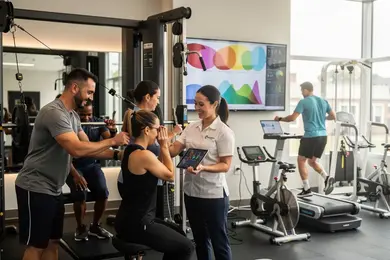
- Sports and Athletics: Careers in this sector include strength and conditioning coaches, athletic trainers, and performance analysts who design training regimens aimed at optimizing athletes' performance and minimizing injury risk in both amateur and professional sports.
- Fitness and Wellness: Many graduates become fitness instructors or wellness coordinators, leading group classes, creating exercise programs, and promoting healthier lifestyles within corporate or community settings.
- Research and Education: Positions such as research assistants, laboratory technicians, and educators engage exercise & sports science graduates in studying human movement and health impacts of physical activity, contributing to scientific advancements and educational efforts.
- Public Health and Community Programs: This sector includes roles like program coordinators and health promotion specialists who implement physical activity initiatives to improve public health and prevent chronic disease in government or nonprofit environments, with some professionals further advancing their expertise through BCBA master's programs online.
What Are the Future-Proof Careers After a Exercise & Sports Science Bachelor's Degree?
Future-proof careers in exercise & sports science emphasize adaptability amid evolving technology, economic shifts, and healthcare demands. Graduates who pursue resilient roles can expect stronger job stability, with health and wellness-related occupations growing approximately 11% from 2020 to 2030, according to the U.S. Bureau of Labor Statistics. This sustained demand reflects the increasing value placed on expertise that automation cannot easily replace.
Prominent future-proof career areas for exercise & sports science graduates include:
- Clinical Exercise Physiology: This field specializes in creating exercise programs for patients with chronic illnesses and physical impairments. Demand is fueled by an aging population and rising lifestyle diseases such as diabetes and cardiovascular conditions.
- Preventative Health and Wellness: Professionals who focus on prevention help reduce healthcare costs by managing chronic disease and promoting long-term well-being, aligning with national trends toward non-pharmaceutical interventions.
- Rehabilitative Care: Exercise specialists play a crucial role in rehabilitation, offering personalized treatments that technology alone cannot replicate, thus ensuring strong resistance to automation.
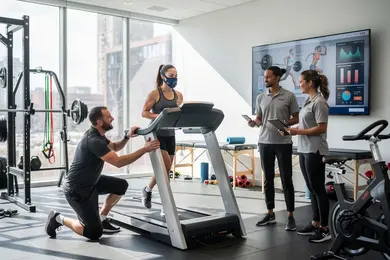
- Health Informatics Integration: While AI and wearable devices assist in monitoring health metrics, exercise & sports science experts interpret this data to tailor individualized programs, blending technology with professional judgment.
These future-proof careers provide high-demand job opportunities after an exercise and sports science degree, ensuring graduates remain valuable in a rapidly changing job market. For students considering advanced degrees, exploring MSN to DNP programs can also expand career prospects within healthcare and clinical settings.
What Are the Highest-Paying Careers After a Exercise & Sports Science Bachelor's Degree?
Graduates with a bachelor's degree in exercise & sports science can access lucrative career paths, especially in roles requiring deep expertise in human movement, health, and rehabilitation. Higher salaries often correspond with advanced skills, leadership responsibilities, and positions in expanding sectors like healthcare and athletic performance. For example, healthcare-related fitness occupations are expected to grow faster than the average for all professions over the next decade.
Below are several well-compensated careers suited for exercise & sports science graduates:
- Exercise Physiologist: Typically earning $50,000 to $90,000 annually, these professionals assess physical health, create tailored fitness plans, and track patient progress to enhance cardiovascular and musculoskeletal function. Specialized certifications and clinical experience increase earnings.
- Physical Therapist Assistant: This role pays between $45,000 and $70,000 per year and involves supporting physical therapists in patient rehabilitation, often in medical facilities. Demand for skilled assistants in healthcare drives competitive salaries.
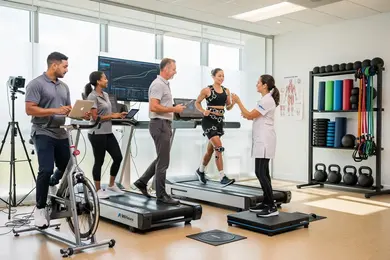
- Sport Scientist/Performance Analyst: With salaries from $55,000 to $95,000, these specialists use data and physiological testing to optimize athletic training and reduce injury risks, highly valuable in sports organizations and teams.
- Kinesiologist: Earning roughly $50,000 to $80,000, kinesiologists apply science to improve motor function and ergonomic strategies within workplaces or rehab centers, contributing to overall health and productivity.
- Strength and Conditioning Coach: Salaries generally range from $45,000 to $85,000. These coaches design programs to boost athletes' strength and endurance, often working alongside college or professional sports teams for enhanced earning potential.
A professional who secured a well-paying role after completing an exercise & sports science degree shared that navigating the initial job market was daunting, with many positions requiring hands-on experience beyond the classroom. "The challenge was proving practical skills and adaptability," he recalled, emphasizing the importance of internships and networking.
He described the satisfaction of applying scientific knowledge to real-world athlete development and noted, "Seeing measurable progress in clients made the demanding early days worthwhile." This firsthand insight underlines that high-paying careers require both formal education and practical application.
What Are the Entry-Level Jobs for Exercise & Sports Science Bachelor's Degree Graduates?
Graduates with a bachelor's degree in exercise and sports science often enter the job market through positions that build practical skills and professional networks crucial for long-term success. Roughly 65% of these graduates find employment within a year, highlighting the steady demand for trained experts in this field. These entry-level opportunities serve as a critical foundation for career growth in diverse areas of health and fitness.
Common entry-level exercise and sports science careers include:
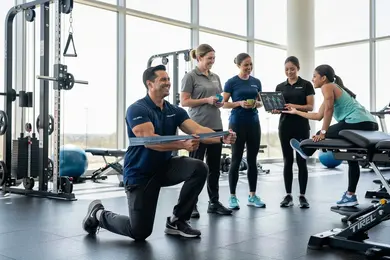
- Fitness Trainer: Responsible for designing customized workout plans and educating clients on physical health, fitness trainers often use this role as a stepping stone to advanced certifications and specialized coaching positions.
- Rehabilitation Assistant: Working alongside physical therapists, this position supports patient recovery by aiding mobility and strength improvement and frequently leads to further specialization in therapy-related fields.
- Research Assistant: Engaged in collecting and analyzing sports science data, research assistants develop essential skills applicable to clinical or academic career paths in physiology and biomechanics.
- Health Educator: Focused on promoting wellness initiatives in community or corporate environments, health educators enhance public health awareness and program development expertise.
- Sports Coach: Leading youth or amateur athletes, sports coaches provide leadership experience while fostering athletic skills, which can evolve into more advanced coaching careers.
Students interested in expanding entry-level opportunities might explore best online colleges with no application fee that offer specialized degrees or certifications to enhance their credentials.
What Career Paths Align With Your Skills After a Exercise & Sports Science Bachelor's Degree?
A bachelor's degree in Exercise & Sports Science cultivates essential transferable skills highly sought after by employers, with 91% valuing abilities like critical thinking and problem-solving in recent graduates. These competencies help shape diverse career options across multiple industries. Below are key skills developed through such programs and the career paths that commonly connect with them.
- Analytical Thinking: Students learn to interpret physical performance metrics and create tailored training plans, which fits well with roles in sports analytics, biomechanics research, or health data analysis.
- Communication: Explaining complex physiological information clearly and motivating clients fosters strong interpersonal skills, beneficial for careers in fitness instruction, health education, and rehabilitation services.
- Leadership: Managing teams and organizing wellness initiatives readies graduates for supervisory roles in sports management, community health programs, or corporate wellness coordination.
- Problem-Solving: Tackling challenges in injury prevention and recovery supports work in physical therapy assistance, athletic training, and occupational therapy environments.
A graduate of an exercise & sports science bachelor's degree shared that navigating career choices initially felt overwhelming due to the wide range of possibilities. She emphasized how applying problem-solving skills she developed in school helped her assess each opportunity critically, allowing her to focus on paths aligned with her strengths.
"I often reflected on what energized me-whether it was working directly with athletes or diving into research," she explained. This introspection guided her into a role where she combines data analysis with client interaction, underscoring how versatile and rewarding career options can be with this degree.
What Jobs Require an Advanced Degree After a Exercise & Sports Science Bachelor's Degree?
Many careers connected to exercise & sports science demand graduate-level education due to the specialized expertise required. Nearly 45% of roles in healthcare and research fields related to this discipline call for at least a master's degree, reflecting the need for advanced skills and professional qualifications. Higher degrees often lead to enhanced employment prospects and greater responsibilities.
Below are several key careers that typically require graduate education beyond a bachelor's degree:
- Physical Therapy: This profession mandates a Doctor of Physical Therapy (DPT) degree, focusing on advanced rehabilitation techniques and clinical decision-making to assist patients in recovering mobility and function after injury.
- Occupational Therapy: To support patients in regaining daily living skills, a master's degree is necessary, enabling practitioners to address complex health conditions and promote independence.
- Exercise Physiology Researcher: Conducting in-depth studies on human performance and wellness interventions requires a doctoral-level education, preparing professionals to design experiments and analyze physiological data rigorously.
- Sports Medicine Physician: This role demands completion of medical school plus specialized residency training, concentrating on preventing and treating athletic injuries through medical and surgical expertise.
- Academic Professor or University Researcher: A PhD is essential for those aiming to teach at the university level, publish scholarly work, and contribute novel findings to the exercise & sports science field.
Advanced degrees equip graduates with the knowledge to evaluate complex information, apply evidence-based methods, and lead clinical or research teams effectively. These professions extend beyond basic exercise guidance and involve significant contributions to healthcare, science, and education.
What Careers Require Certifications or Licensure After a Exercise & Sports Science Bachelor's Degree?
Many professions connected to exercise & sports science require additional certifications or licensure beyond a bachelor's degree to ensure competency and legal practice. These credentials are vital for maintaining industry standards and protecting public health in specialized fields. In fact, over 70% of job openings in fitness and rehabilitation demand qualifications beyond the undergraduate level.
The following are key careers that typically mandate such certifications or licensure:
- Physical Therapist: Requires completion of an accredited Doctor of Physical Therapy (DPT) program and passing the National Physical Therapy Examination (NPTE). Licensed physical therapists provide essential patient care focused on injury rehabilitation and restoring mobility.
- Certified Athletic Trainer: Must obtain Board of Certification (BOC) credentials. These professionals specialize in preventing injuries and providing emergency care for athletes and physically active individuals.
- Certified Clinical Exercise Physiologist: Often certified by the American College of Sports Medicine (ACSM), these specialists design and oversee exercise programs tailored to patients with chronic illnesses or medical conditions.
- Strength and Conditioning Coach: Requires the Certified Strength and Conditioning Specialist (CSCS) credential from the National Strength and Conditioning Association (NSCA). They optimize athletic performance while minimizing injury risks.
These certification and licensure processes demand rigorous examinations and sometimes supervised clinical experience, reflecting a commitment to professionalism and continuous education in the evolving exercise & sports science sector.
What Are the Alternative Career Paths for Bachelor's in Exercise & Sports Science Graduates?
A bachelor's degree in exercise & sports science offers versatile skills that open doors beyond traditional roles. Nearly 45% of graduates work in fields outside their primary area of study within five years, highlighting strong career mobility. This flexibility allows graduates to explore a range of alternative career opportunities.
Consider these non-traditional career paths for those with an exercise & sports science degree:
- Health Promotion Coordinator: Professionals develop and implement wellness initiatives targeting healthier behaviors in corporate or community settings, applying exercise physiology and motivational principles in public health contexts.
- Ergonomic Consultant: Using expertise in body mechanics, graduates help companies improve workplace design to reduce injuries and enhance employee comfort and productivity.
- Sports Marketing and Management: Graduates contribute valuable insights into athlete needs and consumer behavior, supporting event coordination, brand management, and promotion within the sports industry.
- Fitness Technology Developer: Skills in human physiology assist in designing fitness apps and wearable health tech, focusing on product functionality, data analysis, and user experience for health and athletic performance.
- Research and Data Analyst: Analytical and scientific methods prepare graduates to work in health data interpretation, policy development, or academic research beyond pure sports science fields.
Exploring alternative career opportunities for bachelor's in exercise & sports science graduates can reveal less obvious but rewarding possibilities that leverage their diverse skill set. For those curious about specialized health-related occupations, questions like is medical coding a good job may arise as well when considering paths adjacent to exercise science fields.
What Remote and Flexible Career Options Are Available With a Exercise & Sports Science Bachelor's Degree?
Remote and flexible work opportunities for graduates with a bachelor's degree in Exercise & Sports Science have expanded significantly as the health and wellness sectors embrace digital transformation. According to a 2023 Gallup report, 58% of U.S. workers now hold jobs that can be performed at least partly remotely, a trend reflected in the growing number of flexible jobs for exercise and sports science bachelor degree holders. This shift enhances career options beyond traditional, location-dependent roles.
Several remote career paths leverage technology, telecommunication, and online platforms, making them ideal for graduates seeking adaptable work arrangements:
- Online Fitness Coaching: Professionals create customized workout programs, lead live or on-demand sessions, and monitor client progress virtually. This role relies heavily on digital communication skills and adaptability to various fitness apps and tools.
- Health and Wellness Content Creation: Graduates develop educational content such as articles, videos, or social media posts on exercise science topics. These materials reach wide audiences and are produced remotely, offering flexibility in both schedule and location.
- Telehealth Exercise Specialist: Working through virtual consultations, these specialists support patient rehabilitation and fitness improvement. Telehealth services enable remote assessments, progress tracking, and personalized guidance, expanding access to care.
- Sports Analytics and Performance Data Analysis: By analyzing athlete data and performance metrics remotely, graduates provide insights that optimize training and reduce injury risks for teams or organizations without needing onsite presence.
- Corporate Wellness Consultant: Advising companies on workplace fitness programs and health initiatives is often accomplished via video meetings, webinars, and digital program development, making it highly compatible with remote and flexible work settings.
These remote career options reflect the evolving landscape of exercise & sports science professions and underline the benefits of flexible jobs for exercise and sports science bachelor degree holders. Students and graduates aiming to diversify their career prospects may also explore specialized programs, such as the post masters np program, which can complement their professional skills and open additional opportunities within the healthcare and wellness industry.
How Do You Choose the Best Career Path After a Exercise & Sports Science Bachelor's Degree?
Choosing a career path after earning a bachelor's degree in exercise & sports science involves careful consideration, as nearly 75% of graduates pivot professionally within five years. Making deliberate choices early on can improve both job satisfaction and long-term career stability. Below are key factors to help guide this decision.
- Personal Interests: Reflect on which areas within exercise & sports science ignite your passion, such as athletic development, rehabilitation, fitness coaching, or research. Pursuing what genuinely excites you can lead to higher motivation and fulfillment.
- Long-Term Goals: Consider how your career aspirations align with your future plans, including potential for growth, lifestyle balance, and meaningful contributions to your field.
- Market Demand: Investigate which sectors of exercise & sports science are expanding or maintaining steady opportunities. Prioritizing in-demand fields can enhance job security and advancement chances.
- Work Environment Preferences: Think about the type of setting where you perform best, whether clinical, laboratory, community-based, or hands-on coaching. Choosing a compatible work culture supports both professional effectiveness and personal well-being.
What Graduates Say About the Best Career Paths After a Exercise & Sports Science Bachelor's Degree
- Lennon: "Choosing an exercise & sports science bachelor's degree felt like the perfect way to combine my passion for fitness with a scientific understanding of the body. I was drawn to careers in sports therapy and rehabilitation because I wanted to make a direct impact on athletes' recovery and performance. This degree opened doors to roles in professional sports teams and wellness centers, where the blend of theory and practice truly shaped my approach to healthcare."
- Forest: "After graduating, I realized the potential for exercise & sports science skills in remote and digital health careers, which was not my initial plan but became a rewarding path. The degree provided me with a comprehensive foundation that allowed me to pivot into online coaching and wellness program development, helping clients worldwide. Reflecting on it now, the adaptability and scientific knowledge from my studies have been crucial in thriving in this evolving workspace."
- Leo: "My journey with an exercise & sports science bachelor's degree has been deeply professional and eye-opening. I pursued this field to better understand human physiology and ended up exploring diverse career opportunities like corporate wellness consulting and occupational health. The degree's rigorous training gave me the credibility and confidence to influence workplace health initiatives, highlighting how versatile and impactful this education can be beyond traditional sports roles."
Other Things You Should Know About Exercise & Sports Science Degrees
Networking is essential in exercise & sports science careers because many job opportunities arise through professional connections. Engaging in internships, joining relevant associations, and attending industry events can provide valuable contacts and increase access to job openings. Building relationships with mentors and peers also supports career advancement and knowledge exchange.
Continuing education is crucial for staying up-to-date with the latest research, techniques, and technologies in exercise & sports science fields. Many career paths require ongoing learning to maintain competencies or professional certifications. Short courses, workshops, and advanced degrees can enhance expertise and open doors to specialized roles or leadership positions.
In 2027, top career paths for Exercise & Sports Science graduates include physical therapy, sports coaching, athletic training, and wellness coordination. These roles are in demand due to an increased focus on health and fitness, offering graduates engaging opportunities to apply their expertise.
Graduates should highlight both their theoretical knowledge and hands-on experience, including internships and practical projects. Demonstrating strong communication and interpersonal skills is equally important, as many roles involve client interaction and teamwork. Tailoring resumes and cover letters to emphasize relevant competencies can improve hiring prospects significantly.
References
- Best Exercise Science Careers - Let's Find out! https://www.ptpioneer.com/personal-training/exercise-science-careers/
- What can you do with a sports science degree? https://www.wlv.ac.uk/news-and-events/wlv-blog/2024/may-2024/what-can-you-do-with-a-sports-science-degree.php
- Top 20 Careers With a Master’s in Exercise Science | PLNU https://www.pointloma.edu/resources/health-sciences/top-20-careers-masters-exercise-science
- How To Decide If A Degree In Exercise Science Is Right For You | BarBend https://barbend.com/how-to-decide-if-degree-exercise-science-for-you/
- What you can do with a degree in Exercise and Sport Science: careers and opportunities in Australia today https://www.curtin.edu.au/news/advice/exercise-sport-science-careers-australia/
- Exercise Science Jobs | Career Information https://www.nutritioned.org/exercise-science-jobs/
- Exercise Science Degree Careers, Jobs and Salaries - Peak Physical Therapy and Sports Performance https://peaktherapy.com/blog/exercise-science-degree-careers-jobs-and-salaries/
- Find jobs in sport https://www.uksport.gov.uk/jobs
- 22 Best Exercise Science Jobs You Should Learn About https://www.uopeople.edu/blog/exercise-science-jobs/
- Exercise Science Careers: Paths with Degrees https://www.fitnessmentors.com/exercise-science-careers/