2026 Cost per Credit for Online Screenwriting Master's Programs: Tuition Comparison Guide

Co-Founder and Chief Data Scientist
Choosing an online screenwriting master's program involves more than comparing sticker tuition; per-credit prices can mask variable fees, residency rules, and accreditation differences that affect overall affordability and career credibility. With online graduate enrollment rising 4% in recent years according to the National Center for Education Statistics, flexibility attracts diverse learners but also demands careful cost analysis. Understanding how financial aid, hidden charges, and delivery formats impact total expenses helps prospective students allocate resources wisely, especially when self-funding.
This guide breaks down cost-per-credit data alongside professional licensing and employer recognition factors to clarify which programs provide tangible, long-term value beyond the classroom.
Key Things to Know About the Cost per Credit for Online Screenwriting Master's Programs
- Per-credit tuition varies notably between public and private institutions, but hidden fees and mandatory technology charges can inflate total costs-prospective students must calculate these add-ons to avoid underestimating long-term financial commitments.
- Programs accredited by recognized regional agencies typically hold greater workforce credibility, influencing employer acceptance; unaccredited online credentials may limit post-graduation employment and licensure options in writing-intensive industries.
- Recruitment data from the National Center for Education Statistics shows adult learners increasingly prefer asynchronous delivery formats, enabling flexible pacing, yet this timing advantage can extend total program duration and delay income return.
What is the average cost per credit hour for online screenwriting master's programs, and how does it compare across institution types?
The average cost per credit hour offers a more precise metric than total tuition when evaluating online screenwriting master's programs because it neutralizes variations in program length and credit requirements that can obscure real financial commitments.
For example, two candidates comparing programs might see similar total tuition figures but face drastically different per-credit rates when factoring in residency status or institutional fee structures, which directly affects their return on investment and debt load.
Employers in creative industries typically do not differentiate between degrees based on program length, but the financial burden from high per-credit costs or hidden fees can impact graduates' career flexibility and long-term economic outcomes.
The tuition comparison of public vs private online screenwriting master's programs reveals that public universities tend to charge between $400 and $700 per credit for in-state students, significantly lower than private nonprofit institutions, where rates commonly range from $800 to $1,200 per credit hour.
Private for-profit schools fall in a middle range, usually between $600 and $900 per credit, but their pricing models often include separate fees that increase overall expenses unpredictably. These distinctions underscore how the per-credit rate, alongside fees and residency, shapes the effective cost students actually pay.
Residency can pivot the sticker price dramatically, with out-of-state students at public universities paying premiums often elevating their per-credit costs near those of private nonprofits. Moreover, mandatory fees such as software licenses and practicum expenses, sometimes isolated from base per-credit charges, create disparities between advertised and net costs.
Institutional pricing models vary widely-some bundle all fees into tuition per credit, while others itemize fees separately-making straightforward comparison challenging without a per-credit lens that accounts for these additional costs.
This analysis will systematically explore several variables to provide a comprehensive overview:
- Residency Impacts: Variances in cost resulting from in-state, out-of-state, and international tuition policies.
- Fee Structures: The influence of obligatory charges beyond base tuition on overall affordability.
- Accreditation and Delivery: How program legitimacy and online format affect perceived value and employability.
- Financial Aid Variables: The role of scholarships, assistantships, and loans in reducing the real burden of tuition.
Prospective online master's candidates should weigh per-credit cost alongside total program expenses to capture a nuanced picture of financial commitment versus educational outcomes. Only through this dual focus can learners identify reasonably priced programs that align with their individual circumstances and career objectives, rather than being misled by superficial tuition comparisons. Those who seek a cheapest online college option must consider these layers of cost and quality in tandem to make an informed selection that supports both their immediate feasibility and long-term prospects.
How many credit hours are typically required to complete an online screenwriting master's program, and how does that affect total tuition?
Choosing a Screenwriting master's program without factoring in total credit requirements can lead to significant underestimates of the true financial commitment. While a low per-credit price may attract candidates, extended credit loads or added practicum fees often raise total costs beyond initial expectations, affecting long-term career investment decisions.
The typical credit hour range for completing an online Screenwriting master's degree varies widely-from roughly 30 to 60 credits or more. This spread largely depends on institutional accreditation standards and program design, particularly whether programs require a thesis, offer a non-thesis track, or include mandatory practicum or internship components.
Each additional credit required multiplies the overall tuition burden according to the per-credit rate, which means that program length is a critical variable when comparing expenses or calculating return on investment.
- Credit Hour Range: Most reputable online Screenwriting master's programs fall between 36 and 48 credits. Programs demanding a thesis or additional coursework push credit requirements higher, whereas non-thesis tracks often reduce credits but offset this with required practical experience.
- Practicum and Fieldwork Credits: Many curricula include practicum, internship, or fieldwork elements that frequently incur supplemental fees beyond standard tuition. These costs arise from administrative oversight or partnerships with industry and can inflate overall expenses without being reflected in advertised per-credit rates.
- Cost Calculation Insight: A program charging $600 per credit for 30 credits totals $18,000, while one pricing at $450 per credit but requiring 45 credits plus practicum fees easily exceeds $21,000. This underscores why relying solely on per-credit cost can be misleading.
- Practical Advice: Prospective students should apply the formula: (Total credit hours × per-credit cost) + mandatory fees = estimated total tuition. This approach clarifies the complete financial commitment and enables more informed comparisons.
Understanding these credit hour and fee dynamics is vital for working professionals and recent graduates funding their education independently. It ensures that their investment aligns with employer expectations and industry recognition, ultimately supporting sustainable career transitions in Screenwriting.
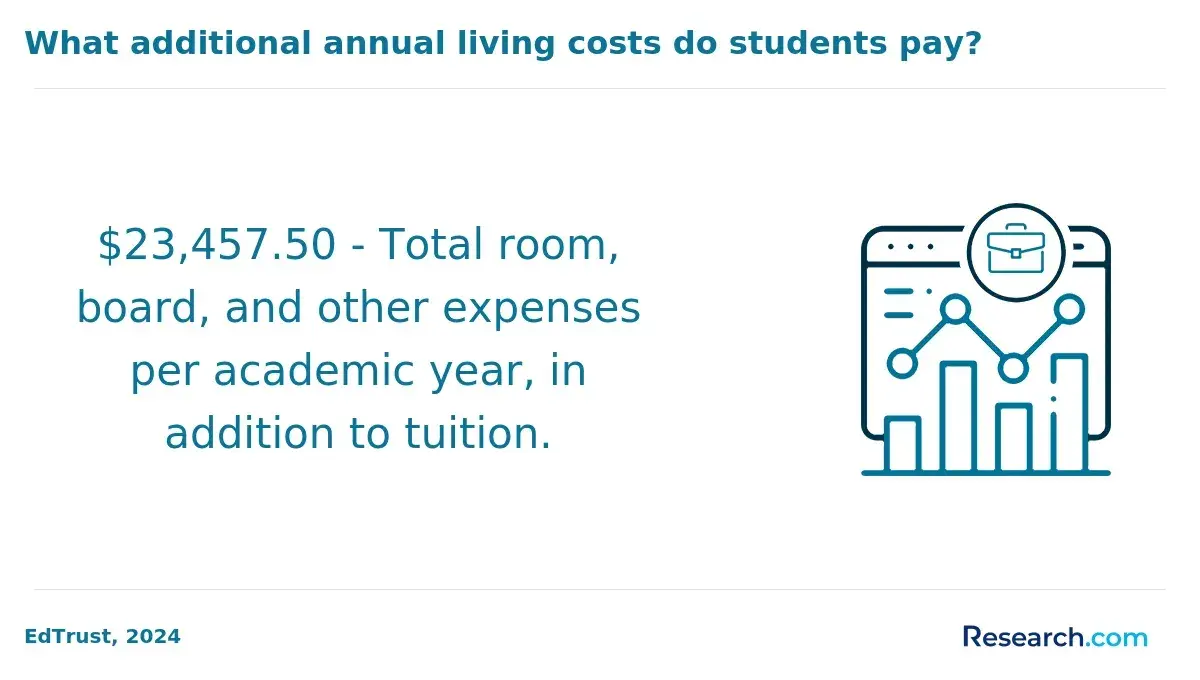
Which online screenwriting master's programs offer the lowest cost per credit hour among accredited institutions?
Choosing the lowest cost per credit hour among accredited online screenwriting master's programs requires weighing tuition against additional fees and enrollment conditions that significantly affect total expense. For instance, Eastern State University Online offers the most affordable rate at $375 per credit for 36 credits, totaling approximately $13,500. However, it imposes a mandatory $100 per semester technology fee, and its rolling admissions with no residency requirement offer flexibility valuable for working professionals.
- Institution Name: Eastern State University Online
- Per-Credit Rate: $375
- Total Program Credits: 36
- Estimated Total Tuition: $13,500
- Mandatory Fees: $100 per semester technology fee not included in tuition
- Enrollment Conditions: No residency requirements; rolling admissions
West Coast Film Institute charges $410 per credit over 33 credits but requires full-time enrollment within cohort progression. This limits flexibility despite similar out-of-state rates. Southern Creative Arts University has a per-credit rate of $425 for a 30-credit program, leading to a lower total tuition of $12,750, yet carries $150 per semester student services fees and selective admissions, potentially restricting access.
- Institution Name: West Coast Film Institute
- Per-Credit Rate: $410
- Total Program Credits: 33
- Estimated Total Tuition: $13,530
- Mandatory Fees: Graduation and digital materials fees totaling about $600
- Enrollment Conditions: Full-time cohort enrollment required; equal out-of-state tuition
- Institution Name: Southern Creative Arts University
- Per-Credit Rate: $425
- Total Program Credits: 30
- Estimated Total Tuition: $12,750
- Mandatory Fees: $150 per semester student services fee
- Enrollment Conditions: Selective admissions; rate applies to all students
Programs like Capital Arts College ($440 per credit) and Northern Media University ($460 per credit) impose additional fees and enrollment nuances such as residency requirements and part-time options that impact total costs and accessibility. For first-generation students or those place-bound, these enrollment conditions shape feasibility as much as price.
- Institution Name: Capital Arts College
- Per-Credit Rate: $440
- Total Program Credits: 36
- Estimated Total Tuition: $15,840
- Mandatory Fees: $200 per term technology and library fees
- Enrollment Conditions: U.S. residency required; higher fees for international students
- Institution Name: Northern Media University
- Per-Credit Rate: $460
- Total Program Credits: 33
- Estimated Total Tuition: $15,180
- Mandatory Fees: $125 enrollment fee plus $50 per semester technology fees
- Enrollment Conditions: Part-time options available; no residency restrictions
These examples illustrate that a lower per-credit cost does not guarantee the lowest overall investment for an online screenwriting master's degree. Hidden fees, cohort mandates, and residency policies must factor into any cost-conscious decision. Given variable tuition rates and program structures, prospective students should verify all current costs directly with institutions.
Aligning program accreditation and format with employer expectations is essential to ensure the practical value of any affordable credential, especially for those evaluating accredited online screenwriting master's programs with affordable tuition. Parallel considerations apply when exploring related fields like a library science masters, where cost transparency and accreditation also influence workforce outcomes.
How do in-state vs. out-of-state tuition rates apply to online screenwriting master's programs, and which schools offer flat tuition regardless of residency?
Public universities historically charged different tuition rates for in-state and out-of-state students in online Screenwriting master's programs, replicating traditional residency-based pricing. This model often burdened nonresident students with significantly higher costs-sometimes double per credit-reflecting state funding priorities that prioritize local taxpayers. Yet, as online education broadened access nationally, many institutions have shifted to a uniform per-credit tuition rate for remote learners, removing the financial penalty of out-of-state status and simplifying cost forecasting for prospective students.
This shift is critical for anyone funding their own Screenwriting graduate education, especially when balancing the program cost against unpredictable income flows in creative fields. While regional compacts like WICHE and SREB attempt to ease tuition disparities, their benefits mainly apply to physical campus enrollments and rarely extend fully to online learners, emphasizing the need to scrutinize each program's actual billing practices.
Public universities offering online Screenwriting master's programs with flat tuition irrespective of residency include these institutions:
- University of Utah: Establishes a consistent per-credit rate that helps students nationwide budget reliably.
- California State University, Fullerton: Commits to uniform pricing, avoiding higher out-of-state fees even for non-California residents.
- University of North Carolina School of the Arts: Applies the same tuition rate across all locations, supporting equitable access.
- Eastern Kentucky University: Charges all online students equally, facilitating inclusion of geographically diverse populations.
- Missouri State University: Uses a residency-neutral model advantageous for out-of-state participants.
Many other programs maintain traditional differentiated tuition, meaning out-of-state online enrollees may face 50-100% higher costs per credit. This discrepancy directly affects financial feasibility and time to repay loans, making upfront verification vital. Changes in residency rules and tuition policies often occur between academic cycles, and they may not be prominently communicated on program websites or marketing materials.
Prospective students should contact bursar or financial aid offices to confirm current residency-based pricing rules. This diligence ensures realistic budgeting and avoids surprises that can derail educational investment or prolong financial strain after graduation.
An online Screenwriting master's graduate recalled hesitating to commit to a program due to uncertain out-of-state tuition policies. They had submitted materials early but waited weeks for a clear residency classification that would determine financial obligations.
This delay complicated planning for work schedules and loan applications. When the bursar's office confirmed flat tuition pricing late in the admissions cycle, it alleviated pressure but highlighted the importance of early, direct communication with administrative offices to navigate rolling admissions and confirm all cost factors before enrollment.
What mandatory fees are added to per-credit tuition for online screenwriting master's programs, and how much do they increase the real cost?
Mandatory fees beyond per-credit tuition frequently push the true cost of online Screenwriting master's programs significantly higher, a factor often overlooked by prospective students. These additional charges cumulatively affect the total financial commitment and can distort comparisons between programs that advertise similar tuition rates but differ widely in fee structures.
- Technology Fees: These support the digital infrastructure critical for remote coursework, including platforms, software licenses, and access to proprietary tools, often adding several hundred to over a thousand dollars per program.
- Program Fees: Charged specifically for discipline-related resources such as specialized workshops, guest speakers, or proprietary databases, these fees vary considerably across institutions and can impact immersive learning opportunities.
- Student Services Fees: Covering support functions like academic advising, career services, and library access, these fixed per-term fees accumulate over multiple semesters, increasing total costs incrementally.
- Graduation Fees: One-time charges for diploma processing and commencement participation add a modest but necessary expense to final program costs.
- Clinical or Practicum Surcharges: When internships or project courses are mandatory, additional fees may apply to cover supervision or placement logistics, raising costs further.
For example, programs advertising $700 to $900 per credit may impose $1,500 to $3,000 in mandatory fees, inflating the all-in expense by at least 10%. This discrepancy has tangible consequences for budgeting and return-on-investment, especially for self-funded students balancing career transitions or first-generation enrollees wary of hidden costs.
Such fees are often buried in fine print or separated from headline tuition figures, complicating straightforward cost comparisons. Students should proactively obtain comprehensive fee schedules to accurately calculate a prorated total cost per credit. This all-in metric provides a clearer foundation for assessing the true financial impact and employer perception of comparable online Screenwriting credentials.
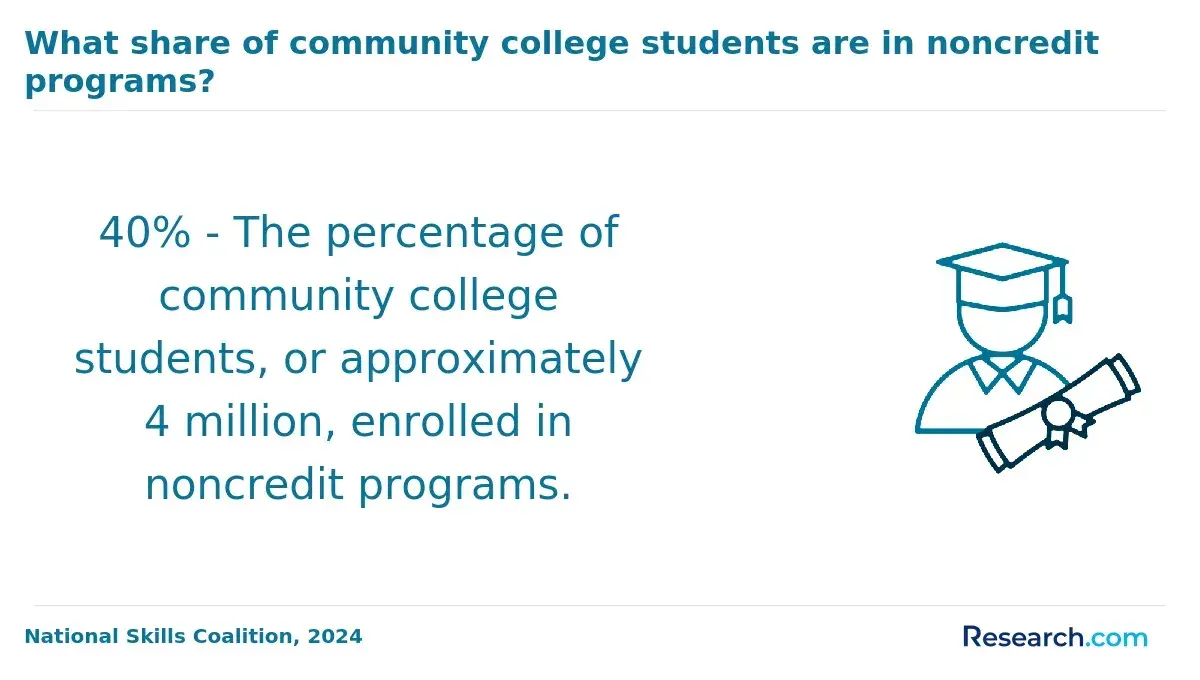
How do online screenwriting master's program costs compare between public and private universities?
Cost differences in online screenwriting master's programs at public versus private universities reflect deeper structural and market dynamics rather than simple tuition comparisons. Public universities generally offer lower per-credit rates due to state subsidization, which offsets tuition expenses for both in-state and sometimes out-of-state students.
Additionally, larger public institutions leverage economies of scale by enrolling more online students, spreading administrative and technological costs to reduce incremental charges. Legislative tuition caps in some states further restrict public universities' ability to increase per-credit fees, unlike private institutions that operate with fewer constraints.
However, the growing presence of private nonprofit universities offering competitively priced online screenwriting graduate programs disrupts this traditional cost advantage, motivated by the need to attract remote learners in a competitive educational market.
- Per-Credit Cost: Public institutions typically charge significantly less per credit hour for online screenwriting programs than both private nonprofit and for-profit universities, but these lower rates may come with fewer personalized services.
- Total Program Costs: When assessing total tuition, public programs often remain more affordable, yet students must consider mandatory fees and potential out-of-state surcharges; private programs' higher sticker prices can be offset by scholarships and financial aid.
- Value Tradeoffs: Higher private tuition often funds smaller cohort sizes and lower faculty-to-student ratios, enhancing mentorship and collaboration-valuable in craft-centered disciplines like screenwriting.
- Employer Perception and Outcomes: Some private universities benefit from brand recognition and stronger career service infrastructures, which may influence hiring managers within creative industries, potentially justifying higher costs for certain students.
Financial decisions in this context must integrate accreditation status and licensure eligibility alongside tuition to ensure that the credential holds professional viability. This is especially critical as distance learners and first-generation graduate students compare tuition as part of their holistic evaluation.
For those analyzing cost alongside institutional quality and practical benefits, this nuanced approach equips decision-makers to estimate true all-in expenses rather than a superficial per-credit comparison.
Working professionals shifting into screenwriting and recent graduates weighing offers should carefully evaluate how tuition differences align with their personalized educational needs and career aspirations.
For students exploring online options, including those considering related fields such as construction management degrees online, understanding these layered cost and value dynamics can prevent financial missteps and maximize long-term returns on graduate tuition investments.
Are there online screenwriting master's programs with tuition locked in at enrollment, and how does tuition lock affect long-term cost planning?
Tuition lock policies in online screenwriting master's programs can significantly influence a student's financial planning, especially for those juggling part-time study or extended graduation timelines. These policies guarantee that the per-credit tuition rate paid at enrollment remains fixed for the entire program, shielding students from incremental annual increases that may otherwise inflate total expenses.
However, the specifics of tuition locks vary widely and directly affect their practical value.
- Scope: Some programs apply the lock to an entire entry cohort, ensuring consistent pricing for all students starting at that time, while others limit the guarantee to an academic year or reset each semester.
- Duration: Locks may extend for a set number of semesters or be contingent upon continuous enrollment; taking leaves of absence or pausing studies could void the locked rate.
- Conditions: Students must often maintain uninterrupted registration and may need to meet progress milestones to retain the locked tuition.
For professionals balancing work and study, securing a tuition lock reduces exposure to unpredictable tuition spikes over a longer enrollment period, enabling more reliable budgeting and minimizing the risk of escalating educational debt. Still, reliance on an assumed tuition guarantee without written proof or a clear understanding of the terms can lead to costly surprises when rates adjust unexpectedly.
One online screenwriting graduate recalled hesitating to submit application materials immediately due to the rolling admissions timeline. Concerned about tuition increases if the acceptance was delayed, they inquired repeatedly about the tuition lock policy's exact boundaries before finalizing their enrollment, ultimately finding reassurance in a confirmed fixed rate for their cohort. This clarity allowed them to focus on coursework rather than financial uncertainty throughout their program completion.
What financial aid, scholarships, and employer tuition benefits are available to reduce the net cost of an online screenwriting master's degree?
Financial aid for an online screenwriting master's degree often falls short of student expectations, necessitating a strategic approach to reduce actual net costs below sticker prices. Graduate students can generally access federal unsubsidized loans regardless of income, providing stable, if debt-incurring, funding that covers substantial tuition portions.
However, unlike undergraduate programs, merit- and need-based scholarships are scarcer and often smaller at the graduate level, forcing many students to balance tuition debt with return-on-investment considerations. Institutional scholarships may exist but vary widely, and online learners frequently confront eligibility limits for traditional graduate assistantships, which typically require on-campus presence and favor full-time cohorts.
Professional associations linked to screenwriting sometimes distribute competitive awards contingent on portfolio submission, offering targeted, though variable, financial relief. For employed students, employer tuition reimbursement plays a critical role; many companies cover part of educational expenses up to the IRS education assistance tax exclusion of $5,250 annually. Navigating and negotiating these employer benefits is crucial, especially when employment contracts or reviews permit tuition support for relevant skill development aligned with screenwriting careers.
Students transitioning from related industries should evaluate how effectively employer tuition benefits integrate with their academic plans, as this can drastically affect net costs per credit and thus long-term financial outcomes. Since institutional pricing often obscures total expenses, prospective enrollees should request detailed net cost estimates factoring in all aid avenues prior to committing. Comparing programs on these net figures-not sticker prices alone-better informs enrollment decisions, particularly for place-bound or first-generation students.
Moreover, graduate admissions cycles for screenwriting programs often close weeks before term start dates, requiring early financial aid planning. The financial aid options discussed herein complement broader tuition considerations such as hidden fees and accreditation status, ultimately shaping a more comprehensive evaluation of online screenwriting programs' true cost and employability value.
In parallel, researching universities that accept 2.0 GPA can reveal additional pathways for candidates balancing academic record challenges with financial aid opportunities in online graduate education.
How does the cost per credit for online screenwriting master's programs differ by delivery format-synchronous, asynchronous, or hybrid?
Cost differences per credit among online Screenwriting master's programs often align closely with delivery format, though the relationship is nuanced by institutional choices and student circumstances. Synchronous programs typically demonstrate marginally higher tuition per credit due to greater investments in live-session technology, real-time faculty engagement, and scheduling management-resources essential for the interactive, cohort-driven experience valued by many employers in creative industries.
Asynchronous programs can leverage scalable course designs with pre-recorded lectures and discussion boards, which translates into stable or sometimes reduced tuition rates per credit. However, these lower sticker prices may mask indirect costs such as increased time spent mastering technology independently or a longer time-to-degree if students struggle without structured timelines-a critical consideration when evaluating the all-in cost of Screenwriting master's programs by delivery format.
Hybrid formats add complexity: although their tuition per credit may mirror synchronous models, students often incur additional expenses for on-campus visits, including transportation, lodging, and childcare, inflating the effective cost beyond tuition alone. These hidden costs highlight the importance of holistic budgeting when comparing tuition differences between synchronous, asynchronous, and hybrid Screenwriting courses.
- Institutional Investment: The need for live-session infrastructure and coordination drives up costs in synchronous programs compared to asynchronous ones.
- Scalability: Asynchronous courses benefit from broader enrollment capacity, helping control per-credit tuition.
- Hidden Student Costs: Hybrid delivery may require significant extra spending on travel and accommodations not present in fully online formats.
- Time Constraints: Fixed schedules in synchronous programs can extend time-to-degree for working adults balancing multiple commitments.
- Progress Efficiency: Prioritizing a format that fits personal work and family obligations usually results in better long-term cost-effectiveness despite nominal tuition differences.
Evaluating online Screenwriting master's programs by delivery format demands viewing tuition per credit alongside these operational tradeoffs. Students considering a switch to creative fields, including those interested in AI trainer jobs as a parallel emerging profession, should factor in the total cost burden and professional recognition, ensuring the chosen credential aligns with industry expectations and personal circumstances.
What is the minimum GPA requirement for screenwriting master's program admission, and how does selectivity relate to per-credit cost?
Minimum GPA requirements for admission to online screenwriting master's programs commonly serve as a basic entry benchmark, not a predictor of acceptance or professional success. Most programs set this threshold around a 3.0 undergraduate GPA, but some accommodate applicants with GPAs as low as 2.75, while more selective or prestigious schools may require a 3.5 or higher. This variation reflects differing institutional priorities and competitiveness.
Contrary to common assumptions, greater selectivity-often measured by GPA cutoffs or acceptance rates-does not consistently correlate with higher per-credit tuition in screenwriting programs. Factors such as the institution's mission, geographic location, online versus in-person delivery, and associated fees can create exceptions.
For instance, moderately selective programs sometimes charge tuition comparable to or exceeding that of highly selective institutions, undermining the simplistic idea that selectivity equals premium cost.
For applicants near minimum GPA thresholds, this insight matters. Many competitive programs attract applicant pools with GPAs clustering well above stated minima, effectively raising the real bar for admission. Consequently, those applicants may achieve better cost-to-admission outcomes by targeting moderately selective programs where their academic profile aligns more closely, potentially avoiding inflated tuition linked to ultra-selective schools without sacrificing credential validity.
Strategically balancing selectivity and cost improves enrollment decisions. Candidates should identify at least one or two programs where their GPA and experience are competitive, allowing realistic budgeting and a better all-in estimate of costs, including hidden fees and potential financial aid.
This approach fosters prudent investment in graduate credentials aligned with workforce expectations and salary growth patterns typical of the creative media sector.
- Minimum GPA Range: Most require 3.0, but some accept from 2.75 to 3.5 depending on selectivity.
- Selective Admissions: Competitive programs often see applicant GPAs exceed stated minimums.
- Per-Credit Cost Variation: Higher selectivity does not always mean higher tuition; exceptions are common in this field.
- Strategic Enrollment: Prioritize programs matching your GPA to avoid inflated tuition at ultra-selective schools.
- Cost vs. Competitiveness: Balance financial and admissions considerations for optimized long-term value.
What Graduates Say About the Cost per Credit for Online Screenwriting Master's Programs
- Cade: "Balancing my full-time job and family obligations meant I had very limited time to dedicate to the online screenwriting program. I chose this path because of its flexible schedule, which allowed me to complete coursework at night and on weekends. While I didn't immediately land a major writing gig, the portfolio I developed through class projects helped me secure a solid internship, which later led to a junior writer role at a local production company."
- Mohamed: "Switching careers from marketing to screenwriting was a financial risk, so I opted for an affordable online master's program that prioritized practical skills over theory. The program's focus on adaptational writing and pitching scripts gave me a competitive edge, but I realized quickly that many employers still value direct industry experience. Ultimately, the certificates and my curated script portfolio opened doors to freelance opportunities, though full-time staff positions required networking beyond the program."
- Axel: "After completing the screenwriting master's online, I found that employers in larger studios strongly favored writers with extensive internships and referrals-credentials I lacked due to geographic limitations. The program accelerated my craft development and helped me create a diverse reel, but I had to rely on remote collaborations and short-term contracts initially. It taught me that while the degree is valuable, advancing in high-profile roles depends heavily on internships and industry connections."
Other Things You Should Know About Screenwriting Degrees
Regionally accredited programs typically carry higher per-credit costs than nationally accredited ones, reflecting their broader recognition and often more rigorous academic standards. Employers and industry professionals generally view degrees from regionally accredited schools as more legitimate, which can impact hiring and networking opportunities. For students prioritizing long-term career prospects and industry respect, investing in regional accreditation, despite its higher cost, usually offers better returns in terms of credential value and graduate outcomes.
Beyond tuition, students should anticipate expenses such as technology fees, software licenses for screenwriting tools, proctored exam charges, and sometimes mandatory workshops or residencies that require travel and lodging. These add-ons can cumulatively increase the total cost by 10-20%, which significantly affects budget planning. Prospective students must request detailed fee breakdowns early to build a full financial picture and avoid underestimating the true investment needed to complete the program.
Per-credit cost is a useful starting metric but must be contextualized with credit requirements, program length, and additional fees to evaluate total cost accurately. Prioritize programs that balance cost with accreditation status, alumni success rates, and curriculum relevance to the industry. Choosing the lowest per-credit option may backfire if that program demands more credits, has hidden fees, or lacks industry connections critical for job placement in screenwriting.
Online screenwriting programs generally cost less per credit than their on-campus counterparts due to reduced facility and support expenses. However, this price gap often narrows when factoring in technology fees and the potential need for in-person workshops. For students unable to relocate, the slightly higher cost or equivalent price online could be offset by savings on housing and commuting, but it's crucial to weigh these indirect costs alongside tuition to understand the net financial impact.
References
- Are Screenwriting Classes Worth it? https://thesuccessfulscreenwriter.com/are-screenwriting-classes-worth-it/
- How long does it take to get a master's degree? | edX https://www.edx.org/resources/how-long-does-a-masters-degree-take
- Apply to the Screenwriting Program https://www.pointpark.edu/academics/schools/copa/applyingtotheconservatory/applyscreenwriting
- Tuition fee limits in the Lifelong Learning Entitlement https://www.gov.uk/government/publications/lifelong-learning-entitlement-tuition-fee-limits/tuition-fee-limits-in-the-lifelong-learning-entitlement
- Synchronous, Asynchronous, or Hybrid Learning: Which is Best for Students? https://campus.edu/blog/community-college/synchronous-asynchronous-hybrid-learning
- What Financial Aid Options Are Available for Online Education? - Lakewood University https://lakewood.edu/online-education-financial-aid-3/
- The Advantages and Disadvantages of Rolling Admissions https://www.petersons.com/blog/the-advantages-and-disadvantages-of-rolling-admissions/
- Creative Writing, M.F.A - Brooklyn College https://www.brooklyn.edu/academics/programs/creative-writing-mfa/
- UT Austin Screenwriting 2024 https://www.filmschool.org/threads/ut-austin-screenwriting-2024.31228/page-3
- Master of Fine Arts in TV & Screenwriting - Stephens College https://stephens.edu/program/master-of-fine-arts-in-tv-screenwriting/