2026 Best Value Online Screenwriting Master's Degrees: Affordable Accredited Programs with the Highest ROI

Co-Founder and Chief Data Scientist
Choosing an online screenwriting master's degree often involves balancing cost, credibility, and career outcomes-an intricate challenge for many prospective students. As adult learners now constitute nearly 45% of graduate enrollments according to the National Center for Education Statistics, flexibility and return on investment have become critical factors.
Programs that combine accreditation with affordability enable access without sacrificing quality, addressing a growing demand for credentials that translate directly into professional advancement. This analysis navigates these tradeoffs to spotlight programs that deliver measurable career value, essential insight for those investing significant time and resources in reshaping their creative futures.
Key Things to Know About the Best Value Online Screenwriting Master's Degrees
- Programs with regional accreditation signal rigorous academic standards valued by employers, but this often raises tuition, requiring students to weigh credential recognition against potential debt levels.
- Employers prioritize portfolios and practical experience over degrees alone, so programs integrating industry projects enhance employability more than theoretical curricula alone.
- The 2024 NCES report notes a 15% rise in adult online learners, reflecting shifting timelines that favor flexible, low-residency programs critical for working professionals balancing study and career.
What Are the Best Value Online Screenwriting Master's Programs in the U.S.?
Best value in an online screenwriting master's program hinges on a nuanced balancing act among tuition affordability, institutional accreditation, student graduation rates, and measurable salary improvements post-graduation. Candidates must weigh the financial commitment not just against the degree prestige but against tangible workforce returns such as access to industry networks and relevant pedagogical approaches.
A working professional budgeting for education may prioritize asynchronous delivery and lower tuition to maintain employment, while also considering how alumni connections might influence early career opportunities in a competitive media environment. This practical lens on value underlines that the cheapest option may not always maximize employment prospects; conversely, the most expensive programs demand scrutiny for demonstrated ROI rather than assumed advantage.
- Full Sail University: Estimated total tuition is around $30,000, delivered in an asynchronous format, and is recognized for its intensive, industry-aligned coursework designed specifically for working professionals seeking practical, career-focused skills.
- National University: With an estimated total tuition of $33,500, this program is fully asynchronous and stands out for its rolling admissions process and streamlined pathways that support veterans and adult learners balancing education with other commitments.
- Arizona State University: This program costs approximately $38,000 in total, uses a mix of synchronous and asynchronous delivery, and is distinguished by its strong alumni network with notable connections in Hollywood and television writing industries.
- Emerson College: With an estimated tuition of $42,000, this primarily asynchronous program is known for its long-standing reputation in film and media education, with a curriculum that emphasizes creativity and narrative innovation.
- University of Southern California (USC): This program has an estimated total tuition of $54,000, is delivered synchronously, and offers access to world-class faculty and industry mentorship within a fully online learning environment.
The summary highlights essential educational indicators, including accreditation recognition, graduation performance, tuition estimates, salary growth, and course delivery modes. These factors support informed comparisons of program quality, affordability, and professional advancement potential.
- Accreditation: All listed programs come from regionally accredited universities recognized by the U.S. Department of Education, ensuring credit transferability and academic rigor.
- Graduation Rates: These programs maintain graduation rates above 75%, indicating sufficient student support and structured course design.
- Post-Degree Salary Lift: Median salary increases range between 20% and 40% within three years of graduation, supported by IPEDS and institution data.
- Delivery Flexibility: Asynchronous offerings enable self-paced learning crucial for working adults, while hybrid synchronous models serve those seeking real-time interactivity.
- Tuition Figures: Estimated costs reflect current academic year rates inclusive of fees but exclude potential financial aid or scholarships.
For those navigating options toward an 1 year masters degree online, understanding these factors can guide informed decisions that balance economic realities with career ambitions in the creative industries.
What Accreditations Should an Online Screenwriting Master's Program Have?
Choosing an online master's program in screenwriting without careful attention to accreditation can lead to lost time, money, and professional credibility. Employers and further education institutions often require degrees from regionally accredited schools, making this accreditation a pivotal factor in long-term career mobility and financial aid eligibility.
Accreditation operates on two distinct levels relevant to screenwriting graduate education. First, Regional Institutional Accreditation is fundamental; granted by one of seven recognized regional bodies such as the Higher Learning Commission (HLC), Southern Association of Colleges and Schools (SACSCOC), or Middle States Commission on Higher Education (MSCHE). This type of accreditation ensures the institution meets rigorous academic standards that facilitate credit transferability and broad employer recognition. Without regional accreditation, federal financial aid is generally not available, and degrees may hold little weight in competitive job markets or advanced academic pathways.
Second, although true programmatic accreditation specific to screenwriting is rare, some programs seek endorsements related to media arts or communications fields. Unlike established bodies for counseling (CACREP) or engineering (ABET), no dominant accreditor certifies screenwriting programs exclusively. Prospective students should carefully evaluate such specialized claims, considering whether these endorsements genuinely confer increased curriculum rigor or stronger industry links, or if they are nominal at best.
Red Flags include programs accredited solely by national agencies with less stringent standards or unrecognized entities focused on vocational training. These credentials might limit transfer options, diminish employer respect, and reduce financial aid access. For professionals and first-generation students balancing cost, quality, and career outcomes, regional accreditation remains the gold standard.
Before enrolling, verify the program's accreditation by asking admissions representatives these critical questions:
- Regional Accreditation: Is the institution accredited by a recognized regional body like HLC or SACSCOC?
- Programmatic Accreditation: Does the screenwriting master's program hold any specialized accreditation relevant to film, media arts, or communications?
- Transferability: Are credits accepted by other regionally accredited institutions?
- Financial Aid Eligibility: Does the program's accreditation status qualify me for federal financial aid?
How Much Does an Online Screenwriting Master's Degree Cost on Average?
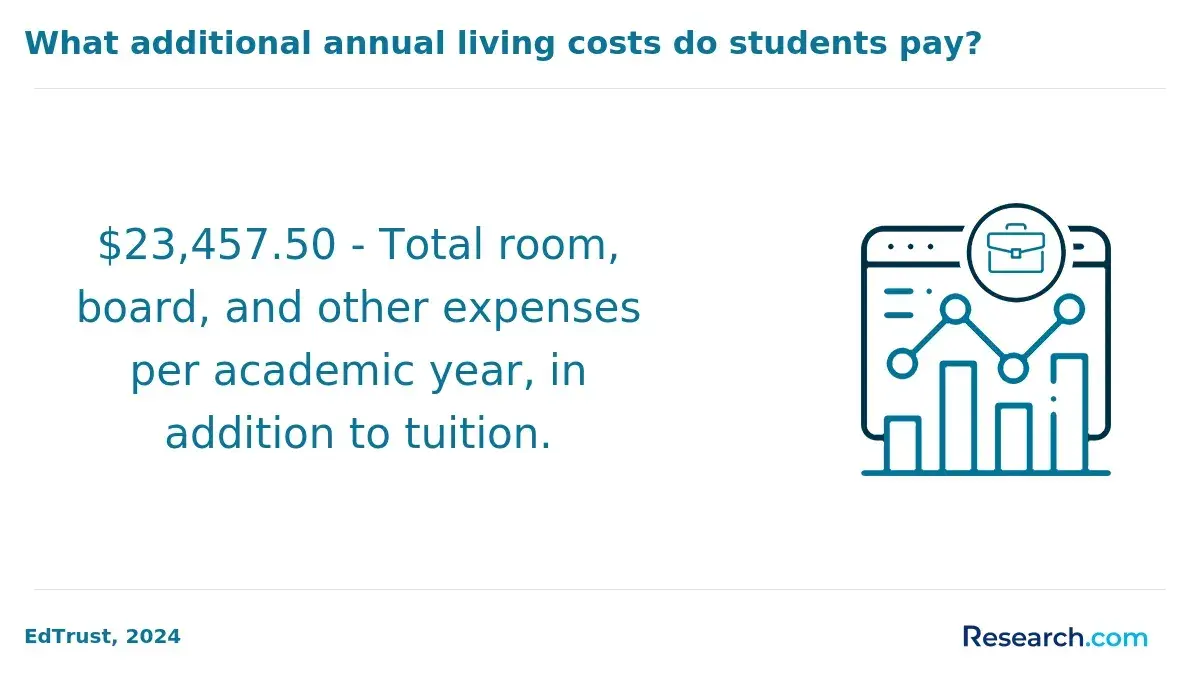
An online screenwriting master's degree in the United States typically demands a total investment ranging broadly due to institutional type and program specifics. Public universities often price their full programs more affordably, especially for in-state students, with total costs and per-credit-hour tuition generally lower than private nonprofit schools. However, some public institutions apply flat tuition rates for online learners that disregard residency, complicating simple cost comparisons.
Additional financial factors frequently overlooked can significantly affect final expenses, impacting students' budgeting and decision-making processes:
- Total Program Cost: Public university programs tend to be less expensive overall, but this advantage may be offset if a program requires on-campus residencies, which add travel and lodging costs.
- Per-Credit-Hour Cost: Private nonprofit institutions often charge higher rates per credit but might offer enhanced faculty access or specialized career support that factors into return on investment.
- Mandatory Fees: These include technology fees, online course access charges, and administrative costs that can cumulatively increase program expenses beyond base tuition.
- Additional Costs: Expenses such as thesis or capstone project fees and exam proctoring fees can add up to several hundred dollars depending on the program's design.
- Residency Requirements: While many screenwriting master's programs are fully online, some insist on brief in-person residencies, imposing further financial and time commitments.
- Public University Average vs. Private/Nonprofit Average: Public institutions generally offer lower tuition figures, yet private programs may leverage networking and career support to justify higher costs.
For first-generation students and career changers exploring affordable accredited online screenwriting master's programs pricing, careful consideration of these cost layers is essential. In practice, assessing total costs against potential career outcomes and employer expectations can be more telling than sticker price alone. Broadly, online screenwriting degrees share cost factors with related fields; those curious about pricing structures might also find comparative insights on a criminology degree online informative when weighing financial commitments versus program value.
What Is the Return on Investment (ROI) of an Online Screenwriting Master's Degree?
Calculating the return on investment (ROI) for an online screenwriting master's degree involves weighing the added salary gained against the full cost of the program, often framed as the salary boost minus total expenses divided by those expenses, expressed as a percentage or the number of years needed to recoup costs. Entry-level screenwriters typically earn median salaries around $50,000, while graduates holding a master's degree in screenwriting who secure roles in established or unionized environments can see this rise to above $70,000, reflecting a potential 30% to 40% salary increase.
However, with tuition costs stretching from $15,000 to over $50,000, the financial benefit can vary widely based on the program selected and the graduate's post-degree opportunities.
- Work Experience: Candidates with prior industry experience or credits often experience shorter payback periods due to faster access to higher-paying jobs.
- Institution Prestige: Graduates from well-regarded programs benefit from stronger networking channels and employer recognition, which frequently translates to improved compensation.
- Regional Demand: The geographic location heavily influences job availability and salary levels, with major media hubs offering better prospects.
- Specializations: Focusing on niches such as television or interactive media writing can yield varying income and employment rates.
Beyond financial returns, obtaining the degree might improve career adaptability, promotion potential, and employment stability, which are critical factors often overlooked when considering ROI strictly in monetary terms.
What Are the Admission Requirements for an Online Screenwriting Master's Program?
Admission into accredited online screenwriting master's programs hinges on a blend of academic benchmarks and evidence of creative aptitude, reflecting the industry's emphasis on storytelling skill alongside foundational knowledge. While many programs set an undergraduate GPA minimum near 3.0 on a 4.0 scale, admissions committees often weigh this flexibly, especially if an applicant's portfolio or professional background demonstrates strong writing capabilities or relevant experience in creative fields.
- Letters of Recommendation: Typically, two or three letters are expected, ideally from individuals who can attest to an applicant's artistic potential, discipline, and readiness for graduate-level work.
- Statement of Purpose or Personal Essay: This essay must clearly communicate the applicant's motivations, prior writing history, and the strategic reasons for pursuing an online master's in screenwriting; it serves to differentiate candidates in competitive applicant pools.
- Resume or CV: A current professional resume provides context about the applicant's work history and creative or adjacent industry involvement, which can tip the scales for candidates with nontraditional backgrounds.
- Prerequisites: Some programs require foundational courses in creative writing, film studies, or media arts. Applicants lacking these may need to demonstrate equivalent experience or take preliminary classes to qualify.
- Standardized Tests: GRE and GMAT scores are increasingly optional or waived as programs prioritize qualitative assessment over quantitative metrics, consistent with the non-STEM nature of screenwriting.
Given the variability in standards and priorities, applicants are advised to build a balanced list of programs spanning reach, match, and safety categories. This approach accommodates differences in acceptance criteria and institutional focus, helping navigate tradeoffs between competitive selectivity and program fit in pursuit of long-term career relevance.
What Is the Minimum GPA Requirement for a Screenwriting Master's Program?
Minimum GPA requirements significantly influence admission chances for online screenwriting master's programs, reflecting real-world tradeoffs between academic metrics and broader candidate potential. Most accredited programs set a minimum undergraduate GPA between 2.75 and 3.0 to establish eligibility, yet competitive programs usually expect a GPA of 3.2 or higher to align with their typical admitted profiles. This gap highlights the difference between meeting baseline qualifications and presenting an academically compelling application that reflects program rigor and selective hiring outcomes in creative industries.
For first-generation graduate students or those shifting careers, understanding these distinctions is crucial because a lower GPA might limit straightforward admission but does not necessarily preclude entry. Numerous programs implement GPA waiver policies allowing substitution of qualifications like professional experience, portfolio strength, or standardized test results to address the holistic competencies relevant to screenwriting and related workforce demands.
Conditional or provisional admissions also provide pathways for applicants with below-threshold GPAs, often requiring prerequisite coursework or maintaining minimum grade performance upon enrollment. This flexibility recognizes that creative potential and professional readiness extend beyond numeric scores, although it may require additional upfront effort and investment.
Importantly, GPA is one factor in a comprehensive review including writing samples and recommendations, reflecting the multifaceted nature of qualifications. Prospective students should weigh these academic metrics alongside affordability, program credibility, and long-term career implications, especially since such qualifications influence employer perceptions in a field driven by demonstrable skill and narrative craft.
- Minimum Eligibility GPA: Typically ranges from 2.75 to 3.0 and functions as the baseline academic threshold across accredited online screenwriting master's programs.
- Competitive GPA: Often 3.2 or above, representing the average profile of admitted cohorts at selective institutions with greater employer recognition.
- GPA Waiver Policies: Many programs permit substitution with professional experience, outstanding portfolio submissions, or standardized test scores, providing alternate admission routes for less traditional applicants.
- Conditional or Provisional Admission: Applicants with lower-than-required GPAs may gain admission contingent on satisfying additional academic requirements during early coursework.
- Holistic Review: GPA is assessed alongside writing samples, recommendation letters, and relevant experience, underscoring the broad criteria used to evaluate true potential.
Those navigating minimum GPA requirements for online Screenwriting master's programs should consider these factors alongside practical concerns around cost and career trajectory. Many will also benefit from exploring flexible programs and financial aid options to optimize return on investment. For professionals debating further education, the contrast with fields that increasingly emphasize entrance exam waivers, as seen in programs such as MBA no GRE degrees, illustrates the ongoing evolution in admissions balancing academic and experiential criteria.
What Financial Aid Options Are Available for Online Screenwriting Master's Students?
Accessing financial aid for an online master's in screenwriting involves navigating limited federal grant options and identifying multiple loan, scholarship, and reimbursement pathways with distinct tradeoffs. Many first-generation students face unexpected challenges as Pell Grants are generally unavailable at the graduate level, prompting reliance on loans that begin accruing interest immediately, impacting long-term debt management.
- Federal Loans: These include Direct Unsubsidized Loans and Graduate PLUS Loans, which cover tuition and living costs but increase overall debt quickly since interest accrues from disbursement, requiring careful borrowing decisions based on future earning potential in entertainment and media sectors.
- Institutional Scholarships and Fellowships: Competitive and often underpublicized, these merit- or need-based awards demand proactive inquiry during admissions and can significantly offset costs if secured early.
- Employer Tuition Reimbursement: Professionals still employed can leverage tuition assistance plans to reduce out-of-pocket spending without adding debt, though program availability varies widely by employer and industry relevance.
- Graduate Assistantships: Though rarer online, some programs offer these positions, providing tuition waivers or stipends in exchange for teaching or research support, balancing workload with financial benefit.
- External Scholarships: Professional organizations within the screenwriting community sometimes award targeted scholarships requiring early portfolio submissions and strategic application timing.
Graduate students should complete the FAFSA promptly to establish their Student Aid Index, which influences loan eligibility. To maximize aid, candidates should apply early, diligently research screenwriting-specific scholarships, negotiate financial aid packages where possible, and investigate state grants that might support remote learners. Such actions can mitigate overall debt and improve affordability without compromising career-oriented program choices.
How Long Does It Take to Complete an Online Screenwriting Master's Degree?
Completion times for an online screenwriting master's degree reflect a crucial tradeoff between speed and quality, directly influencing career trajectory and workforce readiness. Full-time students typically finish in 18 months to 2 years, aligning with standard graduate timelines and enabling quicker entry or advancement within creative industries.
However, since the majority of online learners juggle employment or family, part-time enrollment is more common, extending completion to 2.5 to 4 years. This extended timeline can affect how swiftly graduates can leverage their new credentials but may offer necessary flexibility for balancing competing demands. Several factors shape the length of enrollment for most online screenwriting programs:
- Credit Hour Requirements: Programs usually require 30 to 45 credit hours; heavier loads accelerate graduation but may limit work or personal time.
- Course Load Per Semester: Increasing credits per term can reduce duration but risks burnout given the program's rigor.
- Transfer Credits: Recognition of previous graduate coursework can shorten the timeline by reducing required credits.
- Program Structure: Cohort models provide fixed pacing, while self-paced tracks allow autonomy but demand strong time management skills.
- Accelerated Options: Some offer completion within 12 months; however, accreditation status and employer perception hold greater weight than program speed.
- Thesis or Capstone Requirements: These typically add one to two semesters depending on faculty availability and student progress.
Data from graduate enrollment trends shows increasing preference for flexible, part-time options that accommodate working professionals, highlighting the need to weigh program duration against personal demands and career goals.
For prospective students considering affordability as a critical factor, exploring the cheapest AACSB online DBA may provide insight into cost-effective pathways with respected accreditation. Understanding how long does it take to complete an online screenwriting master's degree in the United States is essential, especially as program duration influences employability, return on investment, and practical application of skills.
What Specializations or Concentrations Are Available in Online Screenwriting Master's Programs?
Specializations within online screenwriting master's programs shape not just academic focus but also real-world employability and salary potential. For instance, a student targeting film production roles might opt for a Feature Film Writing concentration that hones cinematic narrative techniques, while another aiming at episodic television must prioritize Television and Serial Writing to meet industry storytelling demands.
Some programs require early commitment to a concentration, limiting flexibility, whereas others provide a broader curriculum with electives, which affects career adaptability in shifting markets. Understanding how concentrations align with specific job postings is essential when choosing a program, since employers often list preferred specializations that impact hiring decisions and earnings.
Common concentrations offered across affordable accredited screenwriting concentrations with career outcomes include:
- Feature Film Writing: Develops skills in narrative structure and character arcs tailored for cinema.
- Television and Serial Writing: Focuses on episodic formats and series development flourishing in streaming platforms.
- Documentary Writing: Emphasizes factual storytelling and research skills suited for nonfiction projects.
- Interactive and Game Writing: Explores narrative design within video games and emerging digital media.
- Comedy Writing: Specializes in humor and timing across genres, addressing niche audience expectations.
- Animation Writing: Prepares students for scripting animated content with unique pacing and tone demands.
- Playwriting and Theatre: Concentrates on live performance scripts, honing dialogue and staging techniques.
- Industry and Screenplay Analysis: Builds critical evaluation skills for market trends and storytelling effectiveness.
Before committing, students should examine job markets for their targeted roles to identify which concentrations employers prioritize. Not all tracks guarantee higher earnings, as labor market value varies widely; engaging with alumni or academic advisors enhances insight into how a chosen specialization translates into tangible career progress. This approach is particularly relevant for first-generation graduate students and career changers evaluating the practical ROI of specialized education.
- Accrediting Bodies: Regional accreditation such as WASC, SACSCOC, or NEASC safeguards academic quality and credit transferability.
- Professional Recognition: Links to organizations like the Writers Guild of America can provide industry networking benefits.
- Program Flexibility: Ranges from required declaration of specialization on admission to open-track curricula with elective choices.
Prospective students seeking affordability alongside accreditation might consider exploring accelerated online bachelor degree programs accredited as a stepping stone toward graduate study, supporting smoother transitions in a competitive job landscape for online screenwriting master's program specializations in the United States.
How Do Online Screenwriting Master's Programs Compare to On-Campus Programs in Quality and Recognition?
Employer surveys, including recent data from SHRM, confirm that most hiring managers do not distinguish between master's degrees earned online or on campus from the same accredited institution, provided the diploma does not label the degree as "online." Accreditation remains the primary factor ensuring degree equivalency and employer acceptance across delivery modalities.
However, on-campus screenwriting programs often maintain advantages through direct access to campus recruiting networks, organic peer and faculty connections, and immersive practicum or lab environments that are challenging to replicate virtually. For instance, students in physical programs typically benefit from stronger face-to-face mentorship and immediate industry exposure, which can influence early career opportunities and entry-level salaries.
To address these gaps, many reputable online programs have innovated with virtual networking events, partnerships for local internships, and hybrid residencies that allow intensive in-person interaction. Prospective students should investigate such offerings as part of the overall institutional ecosystem rather than assuming inherent superiority based on format alone.
Examining alumni career trajectories, particularly through LinkedIn employment data and salary ranges, offers a more actionable measure of program value and real-world outcomes. While average salary data vary widely by specialization and regional market conditions, candidate success often stems less from modality and more from the program's industry connections, portfolio support, and career services.
- Accreditation: Regional accreditation is crucial in ensuring degree recognition regardless of online or on-campus study.
- Employer Perception: Recent surveys show most employers treat degrees equally when conferred by the same school without "online" noted.
- Networking: On-campus programs offer clearer access to recruiters and informal relationship-building; online alternatives employ virtual events and hybrid residencies to compensate.
- Practical Training: Hands-on lab and practicum experiences lean toward on-campus settings, though online programs supplement through remote projects and external internships.
- Institutional Reputation: Investigating alumni employment outcomes and industry ties provides stronger fidelity than modality alone.
What Graduates Say About the Best Value Online Screenwriting Master's Degrees
- Cade: "Balancing a full-time job and family obligations meant I had less than 10 hours a week to dedicate to the program, so I chose a part-time online screenwriting master's that offered asynchronous lectures. This flexibility was crucial at the decision point, even though I knew it might slow my networking opportunities. After graduation, I landed a junior writer position at a digital studio, but quickly realized that without a larger portfolio and industry internships, climbing higher was going to require extra hustle beyond the degree."
- Mohamed: "As someone shifting careers from marketing, I was cautious about investing heavily in education without a direct path to employment. I selected an affordable accredited screenwriting program with a strong emphasis on real-world projects and an internship placement option. While the program accelerated my skill development, the reality of competing in a crowded field meant my initial job was freelance script editing rather than the coveted staff writer role; however, those early gigs have been invaluable for building connections and experience."
- Axel: "Time constraints due to managing multiple freelance gigs pushed me toward an accelerated online screenwriting master's program that promised fast workforce entry. Choosing speed over extensive coursework was a practical decision to keep income flowing. Upon completion, I secured a remote writing assistant role, which helped me gain relevant credits, but I noticed the salary growth plateaued without additional certifications or targeted industry networking, highlighting the trade-offs of a rapid program."
Other Things You Should Know About Screenwriting Degrees
Graduates typically enter diverse roles such as professional screenwriters, script editors, or content creators across film, television, and digital platforms. However, job placement rates vary widely depending on program reputation and industry connections. Candidates should prioritize programs offering strong mentorship, alumni networks, and opportunities for practical project work to improve their chances of gaining relevant industry experience and meaningful employment.
Beyond tuition, students frequently encounter expenses for specialized software, workshops, or festival submissions integral to screenwriting craft development. These costs can add up significantly, often overlooked in initial budgeting. It's important to evaluate total cost of attendance including these fees, as failing to account for them may delay graduation or reduce time spent on networking and portfolio-building activities, which directly impact employability.
Focus on programs with a curriculum aligned to your target industry segment, whether film, television, or emerging digital media. Consider the balance between theory and applied practice, as programs heavily weighted toward creative writing without industry exposure may limit job-ready skills. Prioritize programs that integrate case studies, internships, or industry guest lecturers, as these elements correlate with higher post-graduate employment and better return on investment.
Many programs require up-to-date computers and software compatible with industry-standard screenwriting tools, plus stable high-speed internet for synchronous sessions. Programs that emphasize synchronous learning may restrict flexibility for working students, impacting program completion timelines. Evaluate delivery formats carefully; asynchronous courses often allow better workload management but may reduce real-time interaction critical for feedback and networking in creative disciplines.
References
- online MFA screenwriting program https://www.filmschool.org/threads/online-mfa-screenwriting-program.14243/
- Top 10 Academic Programs for Aspiring Screenwriters - Independent Magazine https://independent-magazine.org/2016/11/30/top-screenwriting-programs/
- Master of Fine Arts in TV & Screenwriting - Stephens College https://stephens.edu/program/master-of-fine-arts-in-tv-screenwriting/
- MFA in Screenwriting: Is it worth it? | No Film School https://nofilmschool.com/are-screenwriting-degree-worth-it
- Top 10 Screenwriting Programs You Should Consider https://www.studiobinder.com/blog/best-screenwriting-programs/
- Is Grad School Worth It? A Comprehensive Return on Investment Analysis - FREOPP https://freopp.org/whitepapers/is-grad-school-worth-it-a-comprehensive-return-on-investment-analysis/
- Best Academic Screenwriting Programs & Film School Degrees https://www.movieoutline.com/best-graduate-screenwriting-programs-and-film-school-mfa-degrees-in-script-writing.html
- Best Online Master's Degree in Film Studies Programs https://www.bestcollegesonline.org/most-affordable/masters-film-studies-online/
- Master of Arts Screen: Screenwriting - Australian Film Television and Radio School https://www.aftrs.edu.au/award-course/master-of-arts-screen-screenwriting/
- Screenwriting - MA or MFA in Creative Writing https://western.edu/graduate/screenwriting/