2026 Screenwriting Master's Degree vs Graduate Certificate: Which Is Better?

Co-Founder and Chief Data Scientist
Choosing between a screenwriting master's degree and a graduate certificate often poses a dilemma for those aiming to advance their careers. Both credentials differ dramatically in cost-master's programs can exceed $30,000 while certificates often stay below $10,000-and time-to-completion, with master's requiring two years versus one year for certificates. Admission standards tend to be more rigorous for master's programs. Employer recognition and salary impact differ as well; recent studies indicate master's degree holders earn on average 20% more annually than certificate holders in creative media roles. This article explores these distinctions-cost, time, admission, recognition, salary, and career utility-to help readers make an informed, data-driven choice.
Key Things to Know About Which Is Better: A Screenwriting Master's Degree or a Screenwriting Graduate Certificate
- Graduate certificates typically cost 40-60% less than master's degrees-making them appealing for budget-conscious students or professionals seeking focused skill upgrades.
- Certificates usually require 1 year or less for completion, whereas master's programs often take 2 years, suiting those needing faster entry versus deeper academic training.
- Employers often recognize master's degrees more strongly, correlating with 15-25% higher average salaries-but certificates remain valuable for specialized roles and rapid career pivots.
What Is the Difference Between a Screenwriting Master's Degree and a Screenwriting Graduate Certificate?
A screenwriting master's degree is an advanced graduate program typically requiring 30 to 60 credit hours over about two years of full-time study. Its curriculum covers a wide range of subjects including advanced screenwriting workshops, film theory, history, production, and sometimes interdisciplinary courses. The main goal is to enhance both creative and technical writing skills while providing a thorough understanding of the film industry's artistic and professional context-preparing graduates for various career paths or doctoral research. This credential offers a broad academic foundation aligned with deeper expertise.
By contrast, a screenwriting graduate certificate focuses on core screenwriting techniques and practical script development in a shorter timeframe-usually 12 to 18 credit hours completed within less than a year. Designed for professionals seeking a targeted skills upgrade, career changers, or master's candidates exploring the field before fully committing, graduate certificates provide a concentrated and pragmatic learning experience. Many programs allow these certificates to be stacked or credited toward a master's degree, complicating the direct comparison between the credentials.
- Academic Standing: A master's degree is a comprehensive graduate credential recognized for advanced study, while a graduate certificate is a supplementary qualification targeting specific skill sets.
- Curriculum Scope: Master's programs offer broad theoretical and applied learning, whereas certificates zero in on essential screenwriting skills.
- Duration and Credit Hours: Master's degrees demand more time and credits; certificates are shorter and more intensive.
- Intended Audience: Master's degrees appeal to students seeking extensive expertise or research opportunities; certificates attract professionals needing quick specialization or an exploratory credential.
- Misconceptions: The graduate certificate is not just a "short master's"-it fulfills distinct educational and professional purposes with different academic value and employment weight.
Understanding these differences primes prospective students to evaluate cost, admissions requirements, employer perceptions, salary outcomes, and career utility more effectively. For those also considering adjacent fields or alternative accelerated programs, resources like the online accelerated psychology degree guide illustrate how credential formats can influence academic and professional decisions. This analysis equips individuals navigating the screenwriting master's degree versus graduate certificate comparison with a clear, evidence-based framework to make informed choices.
What Are the Typical Admission Requirements for a Screenwriting Master's Program Compared to a Screenwriting Graduate Certificate?
Admission criteria for a screenwriting master's program tend to demand strong academic preparation and professional promise. Typically, applicants must hold a bachelor's degree and present a minimum undergraduate GPA around 3.0-reflecting consistent academic performance. Relevant coursework in writing, film, or media studies is often expected to demonstrate foundational knowledge. Some programs require standardized test scores like the GRE, though this is becoming less common. Multiple letters of recommendation from professors or industry professionals provide insight into an applicant's skills and dedication. A detailed personal statement allows candidates to clarify their goals and passion for screenwriting. Submitting a writing sample is frequently required to showcase creative and technical abilities-serving as a crucial component in the evaluation process.
In comparison, graduate certificate programs in screenwriting have much more flexible entry requirements. Many do not mandate a minimum GPA or prerequisite courses. Standardized tests are rarely required, and the number of letters of recommendation needed is often fewer or waived. The personal statement tends to focus more on motivation with less rigorous standards. Writing samples may be requested, but the evaluation is usually less stringent. These lighter admission thresholds make graduate certificate programs accessible to recent graduates, career changers, and working professionals who might not meet the more demanding screenwriting master's program admission criteria.
- Academic Thresholds: Master's programs expect higher GPAs and relevant coursework; certificates generally do not.
- Standardized Tests: GREs may be required for master's but are seldom needed for certificates.
- Recommendations: Multiple strong letters are standard for master's admission; certificates may require fewer or none.
- Personal Statements: More detailed and critical for master's; simpler and shorter for certificates.
- Writing Samples: Essential and rigorous for master's admissions; variable and less scrutinized for certificates.
This disparity in admission rigor is significant-graduate certificate programs act as an academic on-ramp, enabling students to build credentials, refine their writing portfolios, and strengthen their candidacy for master's study. For those exploring credentials like a graduate certificate in screenwriting entry requirements offer a pragmatic pathway to eventually meet master's level standards. Prospective students examining cost, time to completion, and employer recognition should consider these factors carefully alongside academic eligibility.
Those seeking to explore flexible learning options can also investigate online universities that are accredited, which often provide varied paths to advance screenwriting skills and credentials. For reliable information on such institutions, see online universities that are accredited.
What Is the Minimum GPA Requirement for a Screenwriting Master's Program?
The minimum GPA required for a screenwriting master's program typically ranges from 2.75 to 3.5 on a 4.0 scale, based on admissions information from regionally accredited universities. These benchmarks serve as an initial measure of academic preparedness but vary significantly depending on program selectivity and focus.
- Competitive Programs: Elite screenwriting master's programs often cite a minimum GPA near 3.3, but admitted students generally exceed this threshold. Admissions committees weigh academic excellence together with writing samples and professional backgrounds.
- Open-Enrollment or Professionally Focused Programs: These usually have lower GPA floors-around 2.75 to 3.0-to accommodate working professionals and career-changers aiming to develop practical skills without intense academic barriers.
- Provisional Admission: Some institutions offer conditional entry for applicants whose GPAs fall a bit short, requiring them to meet academic milestones or engage in supplementary workshops to build capacity.
- Practical Guidance: Applicants should view minimum GPA requirements as entry points, not goals. Aspiring candidates for competitive programs benefit from surpassing these minimums while enhancing other aspects of their applications.
Reflecting on his journey, a professional who completed a screenwriting master's described the challenges beyond GPA thresholds. "The real test was balancing creative rigor with deadlines-my academic record opened the door, but staying motivated and receptive to critique was what pushed me forward," he shared. He emphasized that succeeding required persistence and continuous skill refinement rather than solely meeting baseline GPA demands.
How Long Does It Take to Complete a Screenwriting Master's Degree Versus a Screenwriting Graduate Certificate?
Full-time students pursuing a screenwriting master's degree in the US generally spend two to three years completing 30 to 60 credit hours, depending on the institution's requirements. The duration extends further for part-time study, reflecting a heavier academic load that includes thesis projects, capstone productions, and comprehensive exams. These components contribute substantially to the longer time-to-completion, as they demand extensive research, multiple revisions, and faculty approvals.
Graduate certificate programs in screenwriting offer a faster alternative-typically requiring 12 to 18 credit hours that can be finished in six to twelve months. These certificates emphasize targeted skill development and generally avoid thesis work or broad theoretical courses, enabling students to focus specifically on craft enhancement. Accelerated and part-time formats make these programs especially attractive to working professionals balancing employment and personal commitments.
Time Commitment: The master's degree entails a broader curriculum with theoretical, historical, and practical writing elements, extending completion time. Graduate certificates concentrate on specialized expertise with streamlined assessments, resulting in significantly shorter program lengths.
Working Professionals: Individuals employed full-time often choose graduate certificates to advance their skills quickly without interrupting their careers. In contrast, those aiming to deepen academic credentials or pursue doctoral studies may invest the extra years in a master's degree.
Life Circumstances: Candidates with family or financial constraints frequently find graduate certificates to be a more manageable path forward. New graduates and career changers seeking comprehensive training and networking opportunities often opt for a full master's program.
For those interested in flexible study options, exploring accelerated online MFT programs offers insight into the scheduling possibilities available, which might parallel accelerated offerings in screenwriting credentials.
In summary, the screenwriting master's degree completion time in the US and the average duration of a screenwriting graduate certificate program differ considerably-guiding prospective students to align their choices with personal, professional, and educational priorities.
How Much Does a Screenwriting Master's Degree Cost Compared to a Screenwriting Graduate Certificate?
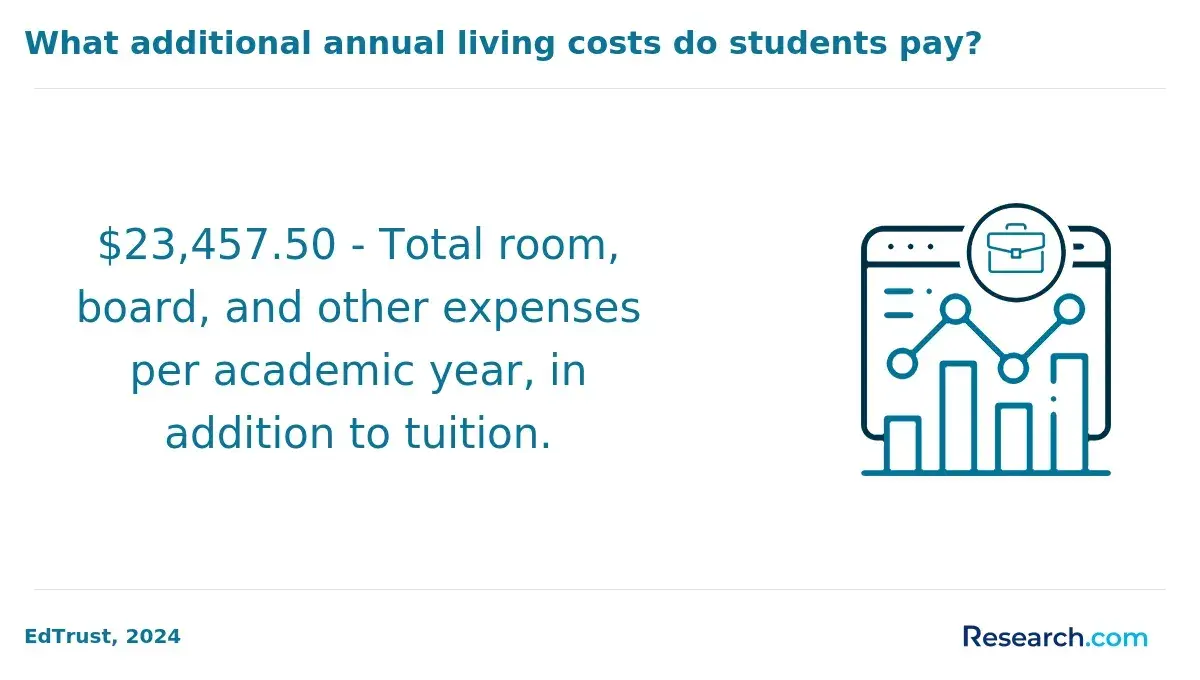
Costs for a screenwriting master's degree vary widely by institution type-ranging from $15,000 to $40,000 at public in-state schools, escalating to $30,000-$60,000 for public out-of-state students, and reaching $40,000 to $90,000 at private universities. Graduate certificates offer a more budget-friendly alternative, typically priced between $5,000 and $15,000 for public in-state, $10,000 to $25,000 for public out-of-state, and $15,000 to $35,000 at private institutions.
- Cost Drivers: The higher expenses of master's programs stem from nearly double the credit hours required compared to certificates, longer duration, and elevated institutional costs tied to faculty, facilities, and resources.
- Financial Aid: Master's candidates frequently access graduate assistantships, fellowships, and employer tuition reimbursement programs-financial supports often unavailable to certificate students-resulting in significantly reduced net costs.
- Hidden Costs: Full-time master's enrollment can lead to lost income and postponed career progression, increasing the effective price beyond tuition. Certificates, shorter by design, limit these opportunity costs but may yield a narrower financial return.
- Return on Investment: Evaluating net cost-including scholarships, aid, and lost wages-is essential for comparing credentials. Numerous free online calculators help prospective students gauge which path offers better long-term value.
A professional who built her career after completing a screenwriting master's reflected on the financial challenge, explaining that "balancing the tuition with living expenses was tough, especially knowing I was pausing steady income." She emphasized that the graduate assistantship she secured was crucial, "not only easing the financial burden but also offering valuable industry connections." Although the rigorous workload tested her resolve, she credits the extended curriculum with refining her craft far beyond what a certificate program provided, ultimately positioning her for more substantial opportunities in the film industry.
How Does Earning a Screenwriting Master's Degree Affect Salary Compared to a Screenwriting Graduate Certificate?
Salary Premium: Wage analyses from the Bureau of Labor Statistics and NACE surveys reveal that professionals holding a master's degree in screenwriting typically earn between 10% and 25% more than those with only a graduate certificate, reflecting the deeper expertise gained through a lengthier program.
Industry Concentration: This earning advantage is strongest within film and television production studios, leading streaming services, and large media corporations that increasingly prioritize advanced credentials for senior creative or managerial roles.
Employer Value: Larger entertainment and public media entities often regard a master's degree as evidence of rigorous training and creative maturity, whereas smaller studios and freelance markets may favor practical experience and portfolios, allowing certificates to offer quicker but still competitive entry points.
Career Paths: Certain areas-such as digital media writing, advertising, and corporate video production-show little salary difference between certificate holders and master's graduates, highlighting how targeted certificate programs can provide timely skills aligned with immediate job requirements.
Return on Investment: Master's degrees require roughly two years and higher tuition, balancing greater long-term earnings against upfront costs and lost income opportunities. Graduate certificates, often completed in under a year, minimize time investment and enable faster workforce entry-a crucial consideration for many.
Senior Roles: Advanced leadership or executive creative positions tend to reward the broader critical thinking and project management expertise that master's trained professionals bring, justifying their higher compensation.
Completion Time: As of 2024, screenwriting graduate certificates maintain an average completion time of under 12 months, whereas master's programs average 24 months, a significant factor affecting career advancement pacing and opportunity costs.
Which Screenwriting Career Paths Favor a Master's Degree Over a Graduate Certificate?
Certain screenwriting career tracks distinctly favor a master's degree due to the program's depth and rigor-qualities often required by employers and industry standards. Roles demanding leadership, research, or formal recognition typically mandate or strongly prefer candidates holding a master's degree, reflecting the credential's enhanced theoretical grounding and academic rigor compared to a graduate certificate.
- Leadership Roles: Senior creative positions such as head writer, showrunner, or development executive usually require a master's degree. These roles need both practical skill and broad theoretical knowledge, along with managerial expertise cultivated in master's programs.
- Academia and Research: Teaching screenwriting at the collegiate level or conducting research on narrative forms generally requires a master's degree or higher, as academic institutions prioritize scholarly competence and critical analysis fostered by these programs.
- Industry Recognition: Some guilds and professional associations see a master's degree as an indicator of professionalism and serious commitment, which influences hiring decisions for competitive film and television writing teams.
- Licensure and Certification: While screenwriting itself lacks formal licensure, related roles in media production or creative development sometimes require certifications more accessible through master's programs, which also provide specialized workshops and endorsements.
- Career Advancement: Within established writing careers, a master's degree often serves as a formal threshold for promotion and specialized creative tracks, boosting salary potential and advancement opportunities.
Those pursuing these career paths should plan to obtain a master's degree to meet both explicit job requirements and unspoken industry norms. Recent data highlights a growth of over 8% in jobs requiring a master's degree in creative fields-underscoring the credential's rising value in competitive markets.
Which Screenwriting Career Paths Favor a Graduate Certificate Over a Master's Degree?
Several career paths in screenwriting favor a graduate certificate over a master's degree-especially when targeted skills and quicker entry matter more than comprehensive academic credentials. These roles prioritize proven technical ability and specialized knowledge, qualities delivered effectively by focused certificate programs without the long commitment a master's demands.
- Technical Roles: Script editors, coordinators, and development assistants require sharp, practical skills in story structure, formatting, and revision techniques. Employers often favor certificates here for their applied competency rather than a broad theoretical background.
- Career Changers: Professionals moving into screenwriting from journalism, marketing, or theater benefit from certificate programs that equip them with essential screenwriting tools quickly-offering a faster route compared to traditional degrees.
- Working Professionals: Those holding bachelor's or master's degrees in film, communications, or creative writing often pursue graduate certificates to close specific skills gaps or upgrade knowledge-such as mastering new screenplay software-while maintaining their current jobs.
- Short-Term Skill Enhancement: For freelance or contract writing projects, employers frequently prioritize candidates with up-to-date, practical training demonstrated by certificates, which enable faster onboarding and lower training costs.
- Industry Preference: According to job postings from LinkedIn Workforce Insights, some television writing rooms and independent production companies occasionally prefer candidates with certificates when job-ready skills outweigh academic depth.
Graduate certificates provide distinct advantages for those needing a cost-effective credential aligned with specific competencies-offering pathways where applied skills surpass extensive academic study. For recent graduates debating career steps, this guidance is essential alongside evaluating clinical psychology masters programs online as a parallel example of credential comparisons.
Individuals seeking the best career opportunities with a screenwriting graduate certificate will find these focused programs optimize time and cost. Comparing screenwriting graduate certificate vs master's degree career benefits reveals that certificates often yield higher immediate utility in specialized roles without sacrificing credibility.
Is a Screenwriting Graduate Certificate Stackable Toward a Master's Degree?
Stackable credentials represent educational pathways where coursework completed in a graduate certificate can count toward a master's degree in the same or a closely related screenwriting field. Many accredited universities recognize this option, allowing students to build on their graduate certificate rather than beginning anew when pursuing a master's. This concept of screenwriting graduate certificate credits toward master's degree programs enables a more efficient transition between credentials.
Stackability is not automatic-it depends entirely on institutional policies. Common conditions include minimum grade requirements-usually a B or better-on all certificate courses and a time limit before credits expire, often five years. The courses must also align closely with the master's curriculum and typically come from the same institution or approved partner programs. For example, some schools accept up to 12 credits from a screenwriting certificate toward a 36-credit master's degree under these stipulations.
For many students, stacking a graduate certificate into a screenwriting master's program serves as a pragmatic, lower-risk entry point. This pathway allows those unsure of committing to a full master's to test the academic environment and reduce financial exposure. It also offers valuable career flexibility and skill development before fully investing in a longer program.
Prospective students should always verify stackability directly with the graduate admissions office, as policies vary widely by institution. Those exploring credentials may also be interested in quick certifications that pay well to supplement their skills efficiently.
- Institutional Policy: Stackability varies by school and is never guaranteed-confirm requirements with admissions.
- Academic Standards: Minimum grades and timely completion often required for credit transfer.
- Program Alignment: Courses must match the master's degree content and come from the same or accredited partner institution.
- Student Benefit: Enables a phased approach, reducing risk and financial burden before committing fully.
How Do Employers in the Screenwriting Field Perceive a Master's Degree Versus a Graduate Certificate?
Industry Variation: Hiring managers in creative sectors like film and television often prioritize demonstrated skills and portfolios over formal degrees. However, larger studios and media corporations usually regard a master's degree as evidence of thorough training and dedication, while graduate certificates are considered complementary qualifications that highlight specific expertise.
Role-Specific Preference: Positions focused on support or technical tasks-such as script coordinators or development assistants-frequently value certificates for their direct skill validation. Conversely, leadership and senior writing roles tend to favor candidates holding a master's degree, which suggests deeper theoretical understanding and research experience.
Reputation and Accreditation: The institutional prestige behind a credential plays a crucial role. Employers often rate certificates from reputable, accredited programs higher than master's degrees from lesser-known institutions, using this as a quick indicator of candidate quality and reliability.
Realistic Expectations: The perceived value of a master's versus a certificate depends heavily on the applicant's career goals within screenwriting. Those aiming for swift skill acquisition or entry-level positions may find certificates advantageous, while individuals targeting research-intensive or senior creative roles are more likely to benefit from pursuing a master's degree.
Can a Screenwriting Graduate Certificate Help Someone Transition Into the Field From a Different Background?
Targeted graduate certificates in screenwriting offer professionals shifting from unrelated fields a streamlined, cost-effective credential to establish expertise without the extended commitment of a master's degree. Workforce development research highlights that these programs are increasingly tailored for career changers-featuring accelerated paths that focus on practical skill-building and portfolio development alongside academic coursework.
- Accessibility: Programs typically lower admission barriers and shorten time-to-completion, enabling faster entry into the screenwriting profession.
- Applied Learning: Curricula prioritize hands-on projects such as scriptwriting and treatments, producing portfolio-ready work that supports job applications.
- Stackable Credentials: Certificates often serve as a foundation that can be integrated into continued graduate study, facilitating progression toward a master's degree if desired.
- Cost Efficiency: They generally require less financial investment than full master's programs, reducing risk during career transitions.
- Career Support: Some offer networking opportunities and industry guidance targeted at newcomers to screenwriting.
However, career changers aiming for senior or specialized roles should note that certificates lack the comprehensive critical analysis and recognized stature of master's degrees. A certificate is best viewed as an initial step-not a final credential-for those seeking advanced industry positions.
To improve employment prospects, it is crucial to complement certificate credentials with visible, applied work such as professional portfolios, internships, or volunteer projects-bridging the experience gap and enhancing credibility with employers.
What Graduates Say About Which Is Better: A Screenwriting Master's Degree or a Screenwriting Graduate Certificate
- Cade: "The cost difference between a screenwriting master's degree and a graduate certificate was a major deciding factor for me-while the master's was a bigger investment, it definitely opened doors that the certificate didn't. The master's program also took longer, but that extra time meant deeper connections with mentors and a stronger reel by graduation. If you're looking for something quicker and less expensive, the certificate might serve you well, but for long-term career impact, I'd say the master's is worth every penny."
- Mohamed: "Reflecting on my journey, the admission requirements made the graduate certificate a more accessible starting point-it was easier to get in and start building my skills. However, in terms of employer recognition, I noticed a significant advantage for those with the master's degree, which often translated into better salary offers within the industry. Ultimately, if you want to maximize career utility and financial return, the master's seemed more valuable, but the certificate is a smart choice if you want to gain solid knowledge without the extensive commitment."
- Axel: "From a professional standpoint, I found the time-to-completion for the certificate program ideal for maintaining momentum in my career, while the master's required a greater pause but promised more comprehensive training. Employers definitely recognize the master's degree more prominently, which can influence your opportunities and pay scale. Still, the certificate's streamlined approach can quickly boost your qualifications without the heavy admission process and long-term cost-making it a sensible option depending on your situation."
Other Things You Should Know About Screenwriting Degrees
Online screenwriting master's programs typically offer a more comprehensive curriculum and have greater academic rigor than online graduate certificates. Employers and industry professionals often recognize master's degrees as a stronger credential due to the extended time and depth of study. However, well-established online graduate certificate programs with reputable faculty can still provide valuable skills and be respected in the field.
Accreditation ensures that a program meets academic standards and is recognized by employers and other institutions. For screenwriting master's degrees, regional accreditation of the awarding institution is crucial for credibility and potential transfer to doctoral programs. Graduate certificates should also come from accredited schools to guarantee quality-lack of proper accreditation may limit career and education advancement options.
A master's degree is often a required or strongly preferred prerequisite for pursuing doctoral studies in screenwriting or related fields. Graduate certificates generally do not meet admissions criteria for PhD programs and are seen as supplementary rather than advanced credentials. Students aiming for an academic or high-level research career will benefit more from completing a master's degree first.
Individuals seeking comprehensive training, higher salary potential, and broader career opportunities typically benefit from a master's degree. Those looking to quickly enhance specific screenwriting skills, change careers with less time commitment, or add credentials to an existing resume may find graduate certificates more suitable. Working professionals often choose certificates for focused learning without the commitment of a full degree.
References
- PRIMETIME: Should I Go To GRAD SCHOOL To Become a TV Writer? https://scriptmag.com/features/primetime-should-i-go-to-grad-school-to-become-a-tv-writer
- Top 10 Screenwriting Programs You Should Consider https://www.studiobinder.com/blog/best-screenwriting-programs/
- How to Become a Screenwriter | SNHU https://www.snhu.edu/about-us/newsroom/liberal-arts/how-to-become-a-screenwriter
- Graduate certificate vs master’s degree: here is what you should consider before making a decision https://www.algonquincollege.com/contenthub/2019/12/11/graduate-certificate-vs-masters-degree-here-is-what-you-should-consider-before-making-a-decision/
- Master's Degree in Film and TV Series Scriptwriting - School TAI https://taiarts.com/en/studies/master-screenplay-film-series/
- Aspiring screenwriter having a different career background https://www.filmschool.org/threads/aspiring-screenwriter-having-a-different-career-background.31481/
- Best Academic Screenwriting Programs & Film School Degrees https://www.movieoutline.com/best-graduate-screenwriting-programs-and-film-school-mfa-degrees-in-script-writing.html
- Certificate in Screen & Television Writing https://campus.kennesaw.edu/colleges-departments/radow/degrees-programs/graduate/certificates/screen-television-writing/index.php
- How to Transition from Playwriting to Screenwriting - Write Your Screenplay https://www.writeyourscreenplay.com/blog/2022/07/27/transition-from-playwriting-to-screenwriting/
- Honestly, Should You Do a Screenwriting Degree? 10 PROS and 10 CONS https://industrialscripts.com/screenwriting-degree/