2026 Screenwriting Master's Programs With Bridge or Foundation Courses

Co-Founder and Chief Data Scientist
Applicants without a traditional background in screenwriting often face a complex admissions landscape when pursuing master's programs. Programs offering bridge or foundation courses address this gap, yet vary widely in prerequisite credit loads, conditional status, and total cost. Recent data from the National Center for Education Statistics highlights a 15% rise in adult learners entering graduate programs with integrated foundation coursework, reflecting a growing demand for flexible, career-compatible pathways. Evaluating these programs requires careful attention to credential recognition, financial aid options, and realistic career outcomes to ensure alignment with both academic goals and industry expectations.
Key Things to Know About Screenwriting Master's Programs With Bridge or Foundation Courses
- Programs requiring extensive prerequisite credits delay entry into advanced study, raising opportunity costs for mid-career changers who benefit from integrated course designs that streamline the acquisition of foundational skills without requiring separate degrees.
- Conditional admission tied to foundation courses signals a workforce preference for vetted baseline competencies, influencing employer trust but potentially stigmatizing applicants who must complete extra steps before full credential recognition.
- Rising online enrollments in screenwriting foundation tracks, which have grown over 20% since 2022 per NCES, reflect demand for accessible, part-time study. Yet, such flexibility can extend the total time to degree, impacting timely workforce reentry.
What Are Screenwriting Master's Programs With Bridge or Foundation Courses, and Who Are They Designed For?
A fundamental distinction in master's programs that include bridge or foundation courses lies in their accommodation of students lacking formal screenwriting prerequisites at the undergraduate level. Unlike traditional master's programs, which require full prior screenwriting training before admission, these integrated pathways address a significant barrier: the exclusion of career changers and recent graduates from adjacent fields who cannot afford the time or expense of a separate preparatory certificate or second degree. This approach reflects a practical response to workforce realities where professionals need graduate-level credentials without sacrificing momentum in their careers or facing lengthy requalification processes.
- Purpose: These programs solve the fundamental access issue for students without direct prior training in screenwriting by integrating foundational instruction within the master's curriculum, eliminating the need for separate post-baccalaureate certificates or second degrees.
- Structure: Typically, foundation or bridge courses precede or run concurrently with core graduate-level screenwriting classes; this sequencing ensures essential skills and knowledge are acquired early, enabling meaningful engagement with advanced coursework.
- Program Length: Incorporating bridge courses usually extends the total duration of the program modestly-commonly by a semester or two-balancing thorough preparation with timely degree completion.
- Admission Flexibility: These programs often offer conditional admission, allowing students to demonstrate competency through foundation coursework rather than prior experience, broadening access to diverse student profiles.
- Institutional Offerings: Accredited universities across different regions have adopted this model, often within online or hybrid formats to accommodate working professionals and non-traditional students.
- Ideal Candidates: Career changers lacking formal screenwriting education, students from related but non-aligned undergraduate majors, and busy professionals benefit most from this integrated approach, as it streamlines entry into graduate study without compromising academic rigor.
For individuals navigating complex schedules or without a direct line from undergraduate to graduate studies in screenwriting, these bridge or foundation programs represent one of the few pathways to gain necessary prerequisites without detours. The tradeoff often involves a slightly extended timeline and potentially larger financial commitment, but this must be weighed against the value of avoiding a separate, non-degree credential period. Where available, these flexible structures align closely with workforce demands for skilled screenwriters who can combine practical knowledge and graduate-level expertise efficiently. Prospective applicants should carefully examine the sequencing of foundation courses relative to core curriculum and the implications for financial aid and total cost of attendance before committing.
It is also useful to consider specialized supports and flexible delivery modes, such as hybrid or fully online formats, which have become increasingly prevalent among institutions offering foundation programs for non-traditional screenwriting graduate students. Such designs accommodate working professionals who cannot pause employment and provide broader geographic access. While these offerings meet a clear market gap, students must remain attentive to how credential recognition and employer perceptions align with their career goals, especially in competitive creative industries where experiential background complements academic credentials.
The inclusion of bridge or foundation courses fundamentally redefines entry points into screenwriting master's study for a subset of applicants historically sidelined by strict prerequisite enforcement. These programs codify an educational and workforce bridge, but decision-makers must balance convenience against longer program duration and the possibility of conditional admission status. By contextualizing these factors alongside individual professional timelines and financial considerations, students can navigate the admission landscape more strategically. For those interested in comparable pathways beyond graduate degrees, a useful resource is the range of online certification courses that intersect related creative and media skills training.
Which Accredited U.S. Universities Offer Screenwriting Master's Programs With Built-In Bridge or Foundation Courses?
Programs embedding bridge or foundation courses in their screenwriting master's degrees tend to reflect a strategic balance between accessibility and professional preparation, which varies significantly by institution type and region. For career changers or professionals unable to pause employment, choosing among these programs strongly affects time to credential completion, financial outlay, and alignment with employer expectations for graduate competence.
- Public Universities: These institutions commonly integrate foundational courses within master's programs to accommodate diverse academic backgrounds. Representative examples include programs in the Southeast and Midwest where sequences on narrative fundamentals precede advanced workshops. These options are often moderately priced and aligned with federal financial aid, offering practical pathways for cost-conscious students seeking credential recognition from regionally accredited entities.
- Private Nonprofit Universities: Boutique programs located mainly in urban Northeast and West Coast areas emphasize mentorship and portfolio development, frequently granting conditional admission paired with explicit foundation modules. These schools tend to be smaller, more selective, and prioritize holistic applicant potential over rigid prerequisites, but typically come with higher tuition and a focus on immersive, hands-on learning experiences.
- Online-Focused Institutions: Increasingly regionally accredited "online-first" providers offer flexible foundation-inclusive screenwriting master's programs appealing to working professionals who require scheduling adaptability and concurrent progression through foundational and advanced courses. While cost structures vary, these programs often sacrifice in-person networking benefits, which can influence early-career job placement opportunities.
Prospective students should rely on official university program pages, accreditation body databases, and Integrated Postsecondary Education Data System (IPEDS) listings to verify the presence and structure of bridge or foundation courses. Third-party aggregators frequently lag behind curricular updates or mislabel program components, potentially leading to uninformed decisions. Direct communication with admissions offices or program coordinators is essential, given that foundation course offerings and conditional admission policies can shift annually.
Ultimately, the inclusion of built-in bridge courses reflects a program's intent to broaden access and ensure foundational rigor but often extends time-to-degree and affects elective credit accumulation. For career changers and adjacent-field graduates, weighing these tradeoffs against employer recognition-typically favoring regionally accredited programs with clear curricular progression-is critical for long-term career advancement in the competitive screenwriting workforce.
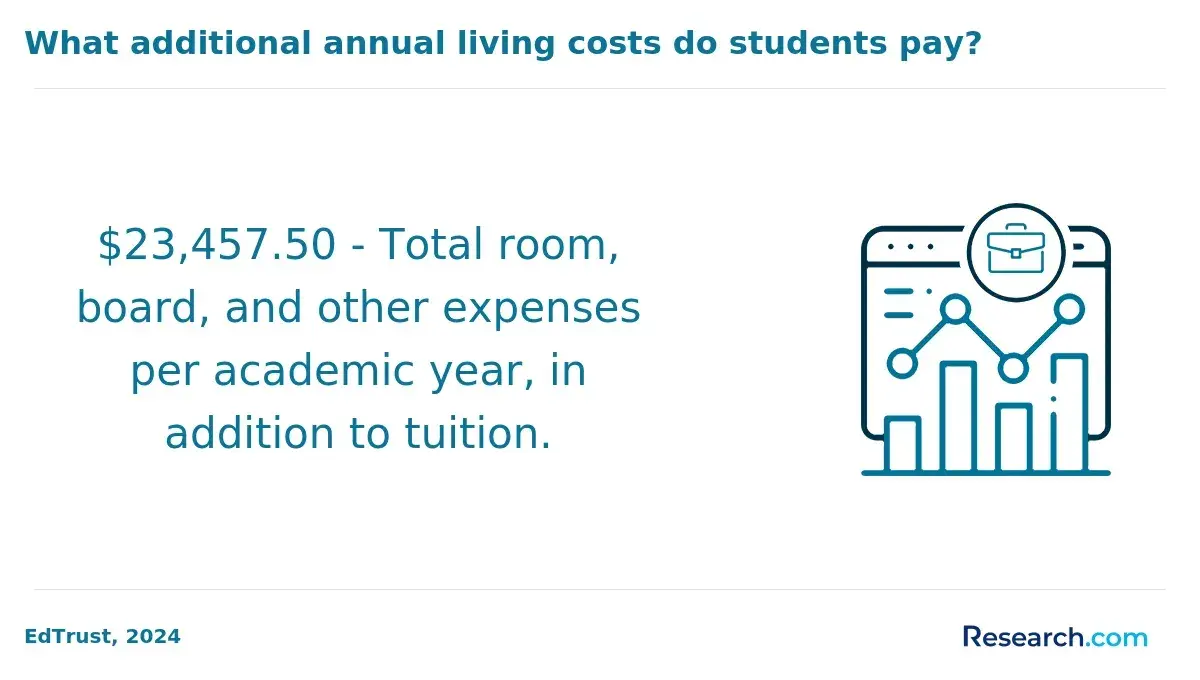
What Specific Bridge or Foundation Courses Are Commonly Required Before Full Admission to a Screenwriting Master's Program?
Prospective students lacking a background directly aligned with screenwriting frequently encounter prerequisite bridge or foundation courses before full admission to a master's program. These course requirements serve as critical leveling mechanisms, addressing gaps in discipline-specific skills, cinematic literacy, and graduate academic preparation. For example, a career changer with no formal film education may need narrative structure and screenplay formatting courses to meet baseline expectations, whereas an adjacent-field graduate might require less foundational work. Understanding these distinctions helps manage tradeoffs in time, cost, and workload, since bridge requirements vary significantly across institutions and accreditation standards.
Commonly required preparatory courses include:
- Discipline-Specific Core Courses: Focused on narrative techniques, character development, and professional screenplay formatting, these courses build practical screenwriting skills often missing from unrelated undergraduate degrees.
- Film and Media Studies Foundations: Introductory classes in film history or theory provide essential context, especially for students without prior exposure to cinematic language, which informs creative decision-making on the job.
- Graduate Academic Preparation: Research methods, critical writing, and theory seminars prepare students for master's-level rigor, addressing academic skills employers expect in analytically strong candidates.
- Customized Topic Pathways: Based on transcript audits or placement exams, faculty tailor prerequisites to individual needs rather than applying a one-size-fits-all curriculum, impacting course load and duration.
- Assessment and Placement: Admission committees evaluate transcripts, writing samples, and interviews to determine required bridge coursework, underscoring the importance of clarifying this process with admissions before committing.
- Conditional vs. Full Admission: Some programs admit students conditionally, requiring bridge course completion before advancing, which influences overall time-to-degree and financial planning.
- Programmatic Variation and Implications: Because bridge course demands differ widely, applicants should assess how these affect total cost, academic load, and eligibility for financial aid compared to other programs.
Given the impact foundational prerequisites have on a student's trajectory, those interested in foundation courses required for screenwriting master's admission should proactively consult admissions offices about course equivalencies and placement policies. This advanced inquiry helps in selecting a program aligned with one's career timeline and resources without unexpected delays or expenses. For those balancing work and study, integrating these bridge courses efficiently can differentiate programs that facilitate progress toward a terminal credential from those that extend the path unnecessarily. For insights into managing graduate education costs amid such decision points, consider resources related to online accounting for comparative financial planning strategies.
How Do Bridge or Foundation Courses in Screenwriting Master's Programs Differ From a Traditional Post-Baccalaureate or Second Bachelor's Degree?
Bridge or foundation courses within screenwriting master's programs offer a distinct operational advantage for applicants lacking direct academic preparation in the field. Integrating foundational prerequisites with graduate coursework under one enrollment streamlines time and costs while qualifying for federal financial aid, contrasting sharply with the fragmented approach of pursuing a post-baccalaureate certificate or a second bachelor's degree. For those balancing careers, the embedded model often provides greater schedule flexibility, mitigating disruptions common in standalone credential pathways.
- Program Structure: Bridge-integrated master's programs enroll students conditionally into graduate degrees while concurrently delivering prerequisite screenwriting content, eliminating separate admissions or credential stages. Post-baccalaureate certificates require full completion before gaining graduate admission, and second bachelor's degrees follow a sequential undergraduate curriculum, delaying graduate progression.
- Time to Credential: By compressing foundational training into the initial period of graduate study, integrated courses shorten the overall pathway. Post-baccalaureate certificates add a preparatory phase, extending the total duration, while second bachelor's degrees typically involve multiple years before graduate study.
- Cost and Financial Aid: Bridge courses count as graduate study, qualifying for federal aid, often reducing net expenses relative to paying out-of-pocket for non-aided certificates. Although second bachelor's degrees may offer undergraduate tuition rates, extended study length, and opportunity costs increase aggregate cost.
- Credential Recognition: Employers and guilds prioritize master's credentials granted directly through integrated programs over certificates, which lack equivalent professional weight. Second bachelor's degrees may be considered redundant for graduate admissions and add little distinct advantage for screenwriting careers.
- Flexibility for Working Adults: Integrated programs frequently provide part-time, evening, or online options suited to employed students, while standalone certificates and second bachelor's degrees often require rigid scheduling and greater time commitments.
- Competitive Admissions Context: For applicants targeting highly selective master's programs with rigorous prerequisites, a robust post-baccalaureate certificate may be necessary to build a competitive portfolio beyond what bridge courses can typically offer.
- Advisory Point: Careful mapping of total credit hours, sequencing of admissions steps, financial aid eligibility, and cumulative time-to-degree is essential before choosing any pathway.
A recent graduate shared that she initially hesitated to commit to a screenwriting master's program offering integrated bridge courses due to uncertainty about conditional admission timing during rolling admissions. To strengthen her chances, she briefly pursued a post-baccalaureate certificate, which delayed her enrollment but ultimately enhanced her portfolio. This dual-step approach reflected a calculated risk: she valued the streamlined path of bridge courses but recognized that certain competitive programs rewarded more extensive preparation. The experience underscored the importance of balancing urgency against program rigor when selecting among credential pathways.
What Are the Admission Requirements for Screenwriting Master's Programs That Include a Bridge or Foundation Component?
Admission requirements for master's programs in screenwriting that incorporate bridge or foundation courses differ significantly from traditional pathways, which expect completion of specific undergraduate prerequisites. These programs intentionally widen access for applicants lacking formal screenwriting education, trading strict prerequisite enforcement for flexibility in admissions.
- Undergraduate GPA Thresholds: Unlike conventional programs that often set a firm minimum GPA, commonly around 3.0 in relevant coursework, bridge programs may accept slightly lower GPAs or evaluate academic records more holistically, recognizing diverse educational backgrounds.
- Required Documents: Standard application materials include transcripts, recommendation letters, statements of purpose, and writing samples; however, bridge-focused programs tend to assess writing samples with greater leniency if applicants lack prior screenwriting experience.
- Standardized Test Policies: Many waive GRE or equivalent exam requirements, reflecting a pragmatic shift toward valuing varied professional experiences and reducing barriers.
- Professional Experience Requirements: Some programs credit relevant creative industry work as partial fulfillment of prerequisites, catering to career changers and active professionals.
Applicants should note the distinction between conditional admission, where successful completion of the bridge phase determines full master's program entry, and direct admission into the integrated curriculum. Conditional status may restrict financial aid eligibility and complicate credit transfers if students shift programs, whereas direct admission offers full student standing from the outset.
This flexibility results in cohorts with diverse academic and professional profiles but demands intensive pacing during bridge coursework to quickly build foundational skills. Prospective students without traditional backgrounds must proactively develop basic narrative competencies and industry awareness to navigate bridge requirements and progress effectively into graduate-level study.
What Is the Minimum GPA Requirement for Screenwriting Master's Programs With Bridge or Foundation Courses, and How Does Prior Academic Background Affect Eligibility?
Screenwriting master's programs with bridge or foundation courses adjust their minimum GPA requirements to realistically accommodate applicants lacking a direct undergraduate screenwriting background. These programs, designed as integrated pathways, typically set a minimum GPA range between 2.75 and 3.25 on a 4.0 scale, lower than conventional programs that expect a stronger foundational academic record. This reduced threshold reflects the academic support embedded in the bridge coursework and acknowledges the diverse educational profiles of applicants, including career changers and recent graduates from related but not screenwriting-specific majors.
For example, an applicant with a 2.8 GPA in an English or film studies undergraduate program may gain conditional admission contingent on successful foundation course completion, whereas those with unrelated degrees often must demonstrate compelling writing samples or professional storytelling experience to offset weaker academics. The evaluation goes beyond minimum GPA for screenwriting master's admission, blending academic records with practical achievements and personal statements to assess a candidate's readiness.
Relative to standard screenwriting master's programs, bridge-inclusive curricula maintain selectivity but factor in the learning curve inherent to foundational training. Candidates near minimum GPA cutoffs have options such as conditional admission, substitution of relevant professional experience, or enhancing their profile through targeted post-baccalaureate coursework. Such strategies improve eligibility without requiring a separate full post-baccalaureate program, crucial for working professionals seeking flexible, single-degree pathways into screenwriting.
Applicants should also consider financial and logistical tradeoffs when choosing programs, as bridge courses extend time and expense commitments. Resources such as online real estate classes provide a model for accessible, affordable foundational education outside traditional tracks, illustrating alternative approaches to prerequisite or bridge coursework applicable across disciplines including screenwriting. Thoughtful navigation of GPA requirements and academic background nuances enables more informed decisions about graduate screenwriting education tailored to diverse professional and personal circumstances.
How Many Additional Credit Hours Do Bridge or Foundation Courses Add to a Screenwriting Master's Program, and How Does This Affect Total Cost and Time-to-Degree?
Bridge or foundation courses in screenwriting master's programs typically extend the total credit requirement by 6 to 18 hours, reflecting differences in program design, accreditation mandates, and the incoming students' academic background. Programs assuming limited prior exposure to screenwriting demand more extensive leveling coursework, especially for applicants from unrelated fields, whereas those admitting students with some related experience may require fewer bridge credits. Some institutions integrate these prerequisite courses into the master's curriculum, allowing them to count towards the degree, while others treat them as separate, non-degree obligations that do not reduce core credit requirements.
Each bridge credit adds directly to tuition costs based on the institution's per-credit rate. For example, at $700 per credit, programs with 6 bridge credits cost $4,200 less than those requiring 12 credits just for foundational coursework, not including auxiliary fees. That difference multiplies when considering part-time students, whose extended enrollment prolongs opportunity costs such as lost wages and living expenses. Consequently, total financial outlay grows disproportionately beyond mere tuition, amplified by the delay in professional advancement caused by a longer time-to-degree.
Prospective students should fully tally bridge plus core credits when comparing programs to avoid misleading cost assessments based on per-credit rates alone. Clarifying whether bridge credits contribute to degree completion or must be taken separately is essential, as this distinction affects both time investment and credential recognition.
- Primary Delivery Formats: On-campus, hybrid, and fully online variations are widely available.
- Admission Status: Conditional admission often applies to students enrolled in bridge courses pending prerequisite completion.
- Financial Aid Eligibility: Varies significantly depending on the degree applicability of bridge coursework.
- Career Impact: Integrated bridge curricula can expedite transitions for career changers by avoiding additional post-baccalaureate programs.
A graduate who navigated bridge credits recalls the nuanced challenge of timing acceptance decisions amid rolling admissions. Faced with the option of a program requiring 12 prerequisite credits, they hesitated due to concerns about extending their timeline and costs. The program's conditional admission policy allowed tentative entry, but uncertainty about completing the leveling courses on schedule added pressure. Ultimately, their decision to proceed hinged on balancing urgency to enter the workforce against the risk of protracting their studies, illustrating how additional bridge hours can complicate planning and financial readiness in real terms.
What Types of Students Are Best Suited for Screenwriting Master's Programs With Bridge or Foundation Courses?
Screenwriting master's programs with bridge or foundation courses serve a distinct student profile that seeks conditional admission options to bridge gaps in prerequisite knowledge while progressing to graduate-level work. This pathway suits those with strong academic credentials in adjacent disciplines who can leverage their skills but need foundational studio experience before fully engaging with screenwriting demands.
For example, a recent English major with no formal screenwriting credits may find this integrated sequence preferable to pursuing a separate post-baccalaureate certificate, allowing simultaneous skill development and graduate coursework. Given that many employers in creative industries value demonstrated screenwriting proficiency alongside critical thinking and storytelling expertise, this approach aligns with workforce expectations when properly navigated.
- Academic Background: Prospective students needing conditional admission options typically hold solid GPAs in fields like Theater, Film Studies, or Communications but lack direct screenwriting coursework.
- Professional Motivation: Applicants benefiting from screenwriting prerequisite foundation courses are often career changers or working professionals with clear goals to transition into writing or related production roles.
- Scheduling Flexibility: Those unable to pause employment appreciate the integrated program format that blends leveling courses with graduate study, reducing total elapsed time compared to sequential credentials.
- Financial Capacity: Candidates must weigh the increased tuition and living costs incurred by the extended curriculum against potential long-term gains, mindful of financial aid eligibility and total cost of attendance.
- Less Suitable Candidates: Students with substantial undergraduate screenwriting credits might encounter redundant coursework, and those targeting highly selective programs without bridge admissions should consider alternative routes.
- Self-Assessment Required: Prospective students are advised to rigorously evaluate their academic foundation, career timeline, and financial runway before investing in these programs to avoid unnecessary delays or expenses.
Data from recent enrollment trends indicate a rising share of programs offering integrated foundation sequences, reflecting the demand for flexible, single-degree pathways. This trend parallels shifts seen across creative fields, where specialized credential recognition increasingly influences employability outcomes. For a clearer sense of salary expectations and career trajectories beyond screenwriting, interested individuals might review information on artificial intelligence degree salary, highlighting how graduate degree returns vary significantly by field and specialization.
Are Bridge or Foundation Courses in Screenwriting Master's Programs Offered Fully Online, On-Campus, or in a Hybrid Format?
Delivery format choices for bridge or foundation courses in screenwriting master's programs carry substantial consequences for accessibility, educational quality, and cost, especially for working professionals and career changers without aligned undergraduate backgrounds. The fully online option, often asynchronous, increases geographic flexibility and fits tight working schedules but may sacrifice the interactive critique essential to screenwriting's hands-on craft development.
Conversely, synchronous live-online formats offer real-time feedback but demand stricter schedules and stable technology, which can pose barriers for some students. Hybrid models combine online theory with intermittent on-campus workshops, creating a balance between convenience and immersive, collaborative learning, though at the expense of additional travel and potential scheduling conflicts. Finally, programs requiring on-campus attendance for bridge courses foster deep peer networking and practical skill-building but limit access to those unable to relocate temporarily, adding financial and logistical burdens.
For candidates seeking a screenwriting master's program with bridge or foundation courses fully online, vigilance is vital to verify whether the bridge and core phases share consistent delivery modes. Misalignment can impose unexpected residency or synchronous attendance demands, undermining anticipated program flexibility and inflating total time and cost. The practical value of an online bridge course hinges on its ability to prepare students for demanding core curricula that often rely heavily on workshop and critique sessions not easily replicated remotely. This consideration is particularly critical for career changers or recent graduates without direct screenwriting exposure who need a solid practical foundation.
Applicants must explicitly question format requirements for all program phases. Assumptions based solely on the master's core being online may result in unforeseen challenges. Working professionals needing integrated pathways and those exploring a screenwriting master's program hybrid format with foundation courses should weigh these delivery tradeoffs carefully.
For those weighing program options, understanding how these delivery choices intersect with admission requirements, financial aid eligibility, and credential recognition is equally important. For example, balancing a full-time job without interrupting income often makes asynchronous bridge courses attractive but requires self-discipline and may limit opportunities for live feedback critical to career readiness.
Finally, prospective students from non-traditional backgrounds might consider exploring related flexible programs such as an online Spanish bachelor degree for veterans to understand models of program design that prioritize accessibility and career integration, applying these insights to screenwriting program selection.
What Is the Average Cost of the Bridge or Foundation Component in Screenwriting Master's Programs, and How Does It Affect Total Program Investment?
Bridge or foundation components in screenwriting master's programs frequently represent a significant, sometimes underappreciated, portion of total program cost. Many institutions price these prerequisite credits either at the same rate as core graduate credits, a discounted per-credit rate, or as a flat bundled fee. This variation not only impacts upfront financial commitment but also shapes a candidate's strategic decision-making about program entry and long-term investment.
For students without direct admission eligibility, choosing a program with an integrated bridge pathway may be more convenient but often comes at a premium. Across a broad range of accredited programs, bridge course costs typically vary from $3,000 to $10,000, depending on credit hours and whether courses are treated as graduate-level or undergraduate prerequisites. When combined with full master's tuition, total costs usually see a 20-40% increase compared to master's-only programs that do not require bridge classes. This substantial markup can affect financial planning and opportunity cost, especially if students must finance extended study durations.
Additional hidden fees-such as technology charges, required materials, proctoring services, and practicum-related expenses-regularly add hundreds to the sticker price of foundation courses, further complicating total cost transparency. Candidates should therefore obtain complete cost-of-attendance estimates from programs, covering both bridge and core segments and including all ancillary fees and financial aid options.
In practical terms, applicants should weigh these integrated pathways against alternatives like completing prerequisites via post-baccalaureate certificates or external institutions before enrolling in a standard master's program. This comparison is vital for those balancing current employment, time constraints, and long-term career earnings potential in the competitive screenwriting workforce.
What Graduates Say About Screenwriting Master's Programs With Bridge or Foundation Courses
- Cade: "Balancing a full-time job while enrolled in a master's program with a bridge course was definitely challenging, but I chose it because the schedule allowed me to maintain steady income. The practical projects helped me quickly build a portfolio that opened doors to internships, though I found that without industry connections, landing paid gigs took longer than expected. Ultimately, the program's focus on real-world application gave me enough skills to freelance confidently, even if full-time writing roles remain competitive."
- Mohamed: "I switched careers later in life and the decision to take a foundation course within the master's was driven by budget constraints and the need to build core screenwriting skills before diving deeper. The coursework was intense, but completing it meant I could apply to assistant roles that valued certifications and hands-on experience over formal licensure. While the salary growth has been modest so far, the remote opportunities and networking events connected me to workshops that I wouldn't have found otherwise."
- Axel: "After finishing the master's program, including the mandatory bridge courses, I realized employers primarily prioritized portfolios and internships over traditional academic credentials. The program's workload was heavy, making side jobs nearly impossible, but the internship placement helped me gain access to a well-regarded agency. Still, I had to pivot toward script editing roles initially, as direct screenwriting positions were scarce, showing me that a flexible approach post-graduation is crucial for breaking into the industry."
Other Things You Should Know About Screenwriting Degrees
Most screenwriting master's programs with bridge or foundation courses require students to maintain a minimum GPA-often between 3.0 and 3.3-to progress into the core graduate curriculum. This phase acts as both a skills refresher and a filter, ensuring that students possess the discipline and foundational knowledge necessary for advanced coursework. For career changers or those with non-screenwriting backgrounds, the workload and rigor in this phase can be unexpected and may require prioritizing time and resources. Prospective students should evaluate if the program's academic policies allow flexibility or remediation options, which can be critical for successfully navigating this initial phase without jeopardizing progression into fully funded graduate-level classes.
Financial aid eligibility for bridge or foundation courses varies widely and is often more limited than for the main master's curriculum since some institutions classify these courses as undergraduate or non-degree work. Scholarships and employer tuition reimbursement programs frequently exclude this preparatory phase, increasing out-of-pocket costs for students who need these foundational classes. For working professionals relying on employer benefits, it's crucial to verify whether bridge coursework qualifies before enrolling, as a misalignment can significantly impact affordability. Prioritizing programs that bundle bridge and graduate courses into a single tuition framework may offer better financial predictability and reduce unexpected funding gaps.
Graduates who complete integrated master's programs with foundation courses generally hold the same academic credential as those who enter directly, so their degrees are equally recognized by employers and professional bodies. However, screenscripts and portfolios developed during bridge coursework may receive less weight in professional evaluations if they are viewed as foundational rather than advanced work. Since the screenwriting field heavily values demonstrated skill and network connections, prospective students should assess programs based on how well the bridge phase supports the development of marketable writing samples and industry relationships, not just the final credential. Recognition challenges tend to arise when foundation components are siloed or poorly integrated with the graduate experience.
Career placement data for programs including bridge courses often blends foundational and graduate-level outcomes, complicating direct comparisons with traditional master's programs. While no formal licensure exists for screenwriters, graduates' success relies on portfolio strength, industry networking, and creative development facilitated throughout the entire program. Programs with integrated bridge courses tend to produce graduates with more well-rounded skill sets but sometimes longer time-to-completion, which can delay entry into the job market. For career changers and working professionals, selecting programs that demonstrate strong alumni networks and concrete industry engagement during both bridge and graduate phases can improve employment prospects despite extended timelines.
References
- which MFA has the strongest screenwriting program? https://www.filmschool.org/threads/which-mfa-has-the-strongest-screenwriting-program.9381/
- What is an MFA Program? https://www.writersdigest.com/be-inspired/what-is-an-mfa-program
- Master of Fine Arts Degree in Screenwriting https://www.nyfa.edu/mfa/screenwriting/
- Number of Credits for a Master's Degree in Education https://creditsforteachers.com/the-necessary-number-of-credits-for-a-masters-degree-in-education/
- IS A SCREENWRITING MFA WORTH IT? - Script Anatomy https://scriptanatomy.com/screenwriting-mfa-vs-trade-school/
- Screenwriting - MA or MFA in Creative Writing https://western.edu/graduate/screenwriting/
- Best Academic Screenwriting Programs & Film School Degrees https://www.movieoutline.com/best-graduate-screenwriting-programs-and-film-school-mfa-degrees-in-script-writing.html
- Best Colleges for Screenwriting | Top Screenwriting Programs https://www.collegeflightpath.com/cfp-blog/best-colleges-for-screenwriting-majors
- Master of Fine Arts in TV & Screenwriting - Stephens College https://stephens.edu/program/master-of-fine-arts-in-tv-screenwriting/
- Master of Fine Arts in Screenwriting (MFA) | Houston Christian University https://hc.edu/school-of-fine-arts/degrees/screenwriting-mfa/