2027 Healthcare Administration BS: How a Withdrawn Course Changes Total Cost

Co-Founder and Chief Data Scientist
Withdrawing from a healthcare administration course can cost more than the charge shown on your next tuition bill. A refund deadline, a required retake, or a change in financial aid may alter the total price of your bachelor's degree. This guide is for prospective and current students comparing programs or deciding whether to withdraw. It explains how to calculate the likely cost before acting, then covers the program features, career paths, and credentials that matter when deciding whether the degree is worth completing.
Key Things You Should Know
- A withdrawal usually earns no course credit. Your added tuition cost, compared with completing the course on the first attempt, is the replacement course charge minus any refund, plus new fees.
- Financial aid can change separately from tuition: check enrollment status, satisfactory academic progress, and any aid recalculation before withdrawing.
- A delayed prerequisite or infrequently offered course can add another term of expenses even when the school charges flat-rate tuition.
What Is a Healthcare Administration Bachelor's Degree?
A healthcare administration bachelor's degree prepares students for the business and operational side of healthcare. Coursework commonly addresses budgeting, healthcare systems, quality improvement, personnel management, and the rules that shape how organizations handle care and patient information. It does not train students to diagnose or treat patients.
The degree may suit someone entering healthcare from another industry or a clinic employee seeking broader administrative responsibilities. Compare it with a more data- and records-focused path before enrolling: health information management and healthcare administration degree differences can matter if your goal is health data work rather than managing services or operations.
How Does Withdrawing From a Course Change Your Total Degree Cost?
A withdrawal means leaving a course after enrollment under the school's published policy. Depending on timing, it may produce a refund, leave a withdrawal mark on the transcript, or affect aid. It generally does not award the credits needed for graduation. The financial question is not just "What did this course cost?" but "What will completing the degree now cost compared with finishing this course as planned?"
The table separates the charges and consequences that students often mistakenly combine. Policies vary by institution, term, and type of aid.
| Cost factor | What to check | Possible effect |
| Original course charge | Refund schedule and withdrawal date | Some or all of the original charge may remain payable. |
| Replacement course | Per-credit, per-course, or flat-rate tuition rules | A retake may create a new charge or fit within a later term's existing tuition. |
| Additional term costs | Course availability, prerequisites, and required fees | A delayed graduation date may add fees and living expenses. |
| Financial aid | Enrollment status, satisfactory academic progress, and aid terms | Grant or loan eligibility may change independently of the tuition refund. |
For a per-course tuition model, a useful starting calculation is replacement course charge minus the refund on the original course, plus any new fees. This measures added school charges relative to completing the original course successfully; it is not a full estimate of living costs or financing costs. Under flat-rate tuition, ask whether the retake fits within a term you would attend anyway. If it pushes graduation into another term, compare the entire added term cost instead.
Do not assume that withdrawing from one class automatically requires repayment of all federal aid. The result depends on factors such as whether you remain enrolled in other classes and whether the school must reassess your eligibility. A withdrawal can also count as attempted but not completed coursework under the school's satisfactory academic progress policy. Before submitting the request, get a written estimate from student accounts and financial aid, and ask your advisor when the required course is next offered.
If you expect to pursue graduate study later, keep that separate from the bachelor's withdrawal calculation. You can compare tuition for healthcare administration master's programs when evaluating the cost of that later step; graduate tuition should not be treated as a charge caused by this withdrawal.
What Accreditation Should You Look For In Healthcare Administration Programs?
Start with institutional accreditation. Confirm the college's current status through the accreditor and ask the school how its status affects federal aid eligibility and credit transfer. Accreditation supports academic oversight, but it does not guarantee that another college will accept a course or that an employer will prefer a particular degree.
Next, check whether the bachelor's program has any relevant program-level recognition and what that recognition covers. Do not confuse accreditation of a graduate healthcare management program with accreditation of the same institution's undergraduate major. When comparing healthcare administration bachelor's degree choices at U.S. institutions, verify the credential awarded, the campus or online program covered, and the school's current status rather than relying on a general accreditation claim.
Requirements vary, but programs typically combine general education with courses in healthcare systems, accounting or budgeting, organizational management, healthcare law and ethics, quality improvement, and information use. Some include a capstone, internship, or supervised project. The course title alone may not show whether a subject is taught as an introduction or through applied work.
Review the degree audit, not just the catalog description. A withdrawn prerequisite can postpone later courses, while an elective may be easier to replace without disrupting the sequence. If you already hold an associate degree, mapping associate coursework to healthcare administration requirements can reveal whether transferred credits satisfy major prerequisites or count only as general electives.
Completion time depends on accepted transfer credit, enrollment intensity, course scheduling, and any internship or capstone requirements. A school's advertised timeline may assume uninterrupted enrollment and that every required course is available when needed.
To estimate the effect of a withdrawal, ask your advisor for two graduation plans: one if you stay in the course and one if you withdraw. Pay particular attention to prerequisites and courses offered only at certain times. Healthcare administration degrees on an accelerated timetable may reduce elapsed time for eligible students, but a faster calendar does not erase a missing required credit or guarantee a cheaper degree.
Online delivery can reduce commuting and make it easier to study while working, but it does not necessarily mean self-paced coursework. Ask whether classes have live meetings, fixed assignment deadlines, group projects, proctored exams, or in-person experiential requirements. Campus programs may make local networking and site-based activities easier while requiring a more predictable travel schedule.
Scheduling affects withdrawal risk. If work hours change unexpectedly, a later start date or another section may help you remain on track—but only if the required course is actually offered then. Compare online healthcare administration bachelor's programs with rolling starts against each school's course sequence, withdrawal deadlines, and retake rules rather than assuming frequent admissions mean frequent course availability.
Bachelor's admission rules differ for first-year and transfer applicants. Schools commonly request prior transcripts, and some set additional standards for entry into the major or for an internship. Ask whether previously completed courses will meet specific degree requirements before treating a transfer-credit total as a graduation plan.
If your longer-term goal is a graduate credential, do not assume you need healthcare employment before beginning the bachelor's degree—or that every later graduate program has the same experience rule. Reviewing health administration graduate programs and work experience requirements can help you plan ahead without confusing graduate admission policies with bachelor's admission requirements.
Potential paths include clinic operations, patient access, scheduling supervision, healthcare finance support, quality coordination, and administrative project work. The realistic entry point depends heavily on prior experience: a student who already supervises staff in a medical office may be positioned differently from a graduate entering healthcare for the first time. A bachelor's degree alone should not be treated as a direct route to executive leadership.
Look at job postings in your preferred location and note the experience, software, and supervisory responsibilities employers request. If you later want broader business leadership rather than specialized health administration study, a healthcare management MBA completion timeline comparison may help you assess a future option. It does not replace the experience needed for most management jobs.
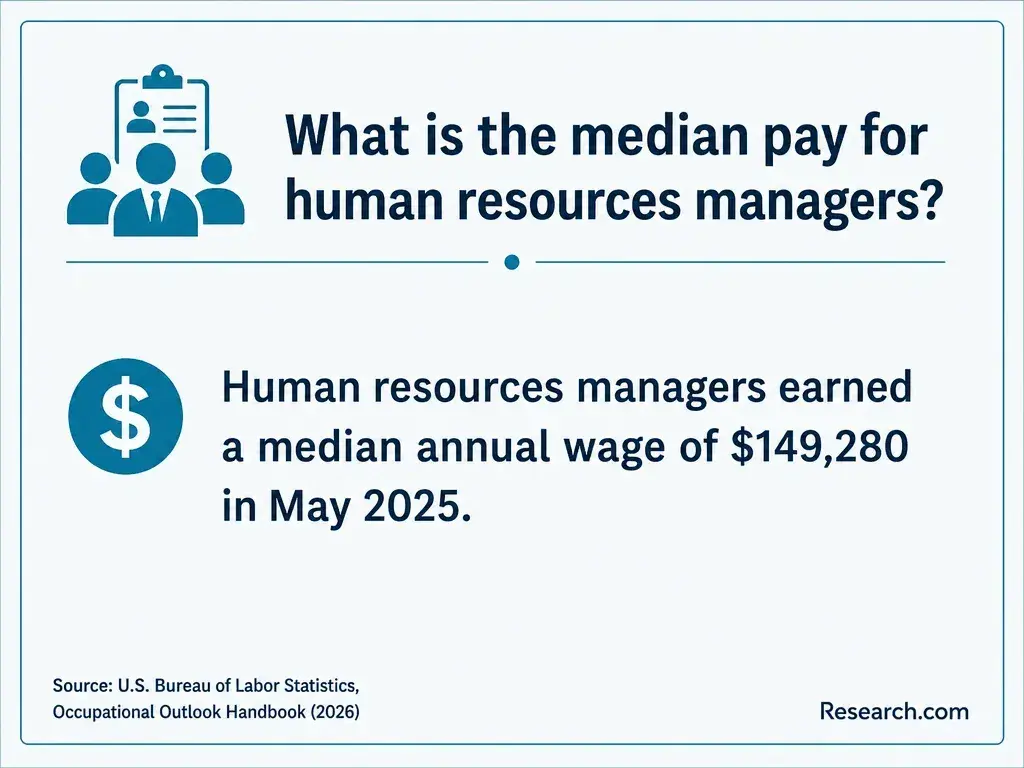
There is no single reliable salary for everyone with a healthcare administration bachelor's degree. Pay depends on the occupation, region, employer, and level of responsibility. For context, the U.S. Bureau of Labor Statistics reports a $126,520 median annual wage for management occupations in May 2025. That figure covers management jobs across industries and experience levels; it is not the expected starting salary for a healthcare administration graduate.
For a personal return-on-investment estimate, compare pay for specific jobs you could plausibly obtain before and after graduation, then weigh the difference against remaining tuition, possible withdrawal-related costs, and time in school. A later graduate degree may support different goals, but speed alone is not evidence of higher earnings; 12-month health administration graduate degree options should be assessed for total cost and fit before adding them to your education plan.
Do Healthcare Administrators Need Licensure Or Professional Certification?
Many administrative jobs do not require a general healthcare administrator license. Requirements attach to particular roles and jurisdictions, however; some facility leadership positions are regulated. Check the state licensing authority and actual job postings before choosing courses or assuming the bachelor's degree alone establishes eligibility.
Professional certifications may demonstrate a skill or area of practice, but their eligibility rules and employer value vary. Neither certification nor an advanced degree automatically substitutes for a required license. Even when considering short-format doctoral healthcare administration study considerations, verify any role-specific legal requirements separately from academic credentials.
Other Things You Should Know About Healthcare Administration
Some colleges assess documented learning from employment, military training, or professional education. Ask whether the school offers prior-learning assessment, what evidence it requires, and whether awarded credit will satisfy your major.
Some offer tuition assistance, but eligibility, annual limits, grade requirements, and repayment obligations vary. Get the policy in writing before counting reimbursement toward your budget.
A placement site may require screening, immunization records, or other onboarding steps. Ask the program what its placement partners require and who pays any related costs.
Yes. Clinics, insurers, long-term care organizations, public agencies, and healthcare vendors also employ administrative staff. Match your coursework and practical experience to the setting you want to enter.
- Program Integrity Questions and Answers - Retaking Coursework | U.S. Department of Education http://www.ed.gov/laws-and-policy/higher-education-laws-and-policy/program-integrity-information-questions-and-2
- General Requirements for Withdrawals and the Return of Title IV Funds | 2025-2026 Federal Student Aid Handbook https://fsapartners.ed.gov/knowledge-center/fsa-handbook/2025-2026/vol5/ch1-general-requirements-withdrawals-and-return-title-iv-funds
- Make Satisfactory Academic Progress | studentaid.gov https://studentaid.gov/understand-aid/eligibility/staying-eligible
- Registrar Policies and Procedures | State College of Florida, Manatee https://www.scf.edu/admissions/registrar/registrar-policies-procedures/
- Refunds, Withdrawal, and Proration of Tuition Policy | Occidental College https://www.oxy.edu/policy-directory/refunds-withdrawals
- Eligibility for Federal Financial Aid Policy | SUNY Empire https://sunyempire.edu/policies/eligibility-for-federal-financial-aid-policy.html
- Course Registration - DU Bulletin - University of Denver https://bulletin.du.edu/graduate/academic-requirements-policies-and-procedures/registration/course-registration/
- Withdrawal | Academic Advising - The University of Arizona https://advising.arizona.edu/policies-procedures/withdrawal
- How Withdrawing Impacts Your Aid - IU Southeast https://southeast.iu.edu/student-central/cost-aid/financial-aid/manage-aid/return-aid.html
- Withdrawing: Classes or Terms | Oregon State University https://registrar.oregonstate.edu/withdraw