2027 Best Online Career Training Programs With No Application Fee

Co-Founder and Chief Data Scientist
Choosing online career training is difficult when "no application fee" does not necessarily mean no tuition, exam, supply, or licensing costs. This guide is for career changers, recent graduates, and working adults comparing short online programs.
The U.S. Bureau of Labor Statistics projects healthcare occupations to grow 8.4% from 2024 to 2034, faster than the 3.1% average for all occupations. Learn which training formats fit specific jobs, how to confirm a provider's claims, and how to avoid paying for a credential that does not meet employer or state requirements.
Key Things You Should Know
- A no-application-fee program waives the charge to submit an application or enroll; it may still charge tuition, textbooks, lab kits, proctored-exam fees, background checks, or certification exams.
- For regulated careers, choose training that meets the requirements of the relevant state board or certifying organization, not simply a course marketed as "career-ready."
- BLS projects healthcare employment to grow 8.4% from 2024 to 2034, while individual career prospects vary widely by role, state rules, local hiring, experience, and required credentials.
Top 10 Best Online Career Training Programs With No Application Fee
Popular Trade School Programs
Online trade training commonly covers electrical technician fundamentals, HVAC/R theory, welding concepts, construction management, and industrial maintenance. These are usually noncredit career-training certificates rather than professional certifications. They can help beginners build vocabulary and prepare for entry-level work or an industry exam, but hands-on trades require supervised practice. Electrician apprenticeships, welding tests, HVAC refrigerant handling, and local licensing may require in-person labs, employer training, or state-approved instruction. Choose online study for theory; choose hybrid training or an apprenticeship when a job requires demonstrated physical skills.
Healthcare Programs
Common online healthcare options include medical billing and coding, pharmacy technician preparation, medical assisting coursework, patient care coordination, and health information technology certificates. A school certificate shows course completion; certification, such as an employer-preferred national credential, is separate and may require an exam. Clinical roles often need in-person externships, immunizations, background checks, and state-specific approval. Fully online programs fit administrative pathways best. Before enrolling, verify whether the curriculum qualifies graduates for the intended certification exam and whether local employers accept the credential.
Criminal Justice / Law Programs
Online legal and public-safety training includes paralegal studies, legal secretary training, criminal justice certificates, cybersecurity basics, and court reporting preparation. A short certificate can support administrative or entry-level support work, but it does not make someone an attorney, police officer, investigator, or licensed private investigator. Paralegal employers may prefer programs approved by the American Bar Association or an associate or bachelor's degree, depending on the market. Police and corrections careers typically add agency screening, fitness standards, academy instruction, and background investigations beyond online coursework.
Arts & Design Programs
Online arts and design programs may teach graphic design, digital illustration, web design, UX fundamentals, photography, video editing, or social media content production. Most award a completion certificate or portfolio-based credential, not a professional license. They suit learners who need structured software training and portfolio feedback. Employers often evaluate work samples more closely than a short credential, so confirm that the program includes current tools, instructor critique, and projects you may publicly show. A degree may be the better choice for roles requiring broader design theory or internship access.
What Are the Best Online Career Training Programs?
The best online career training program is the one that matches a specific job target, meets any required approval standard, and has costs and scheduling you can realistically sustain. A no-fee application is useful, but it should be a screening criterion after career relevance and total cost.
This comparison separates common training routes so you can avoid treating every short online program as equivalent.
| Training route | Best fit | What to verify before paying | Common limitation |
| School certificate | Structured entry-level skill building | Credit status, curriculum, total charges, employer recognition | May not qualify a learner for a license or certification exam |
| Industry certification preparation | People pursuing a named external exam | Exam eligibility, included voucher, current exam alignment | Course completion is not the certification itself |
| Community-college certificate | Students wanting academic credit or stackable study | Institutional accreditation, transfer policy, course modality | May take longer and have term-based schedules |
| Apprenticeship or hybrid program | Hands-on, regulated trade careers | Paid-work component, supervised hours, state approval | Less location and schedule flexibility |
Prioritize a credit-bearing certificate when you may continue to an associate degree. A noncredit provider can make sense for focused software, exam preparation, or employer-required training, provided its outcome is recognized in the job postings you are targeting.
Which Programs Are Most Affordable?
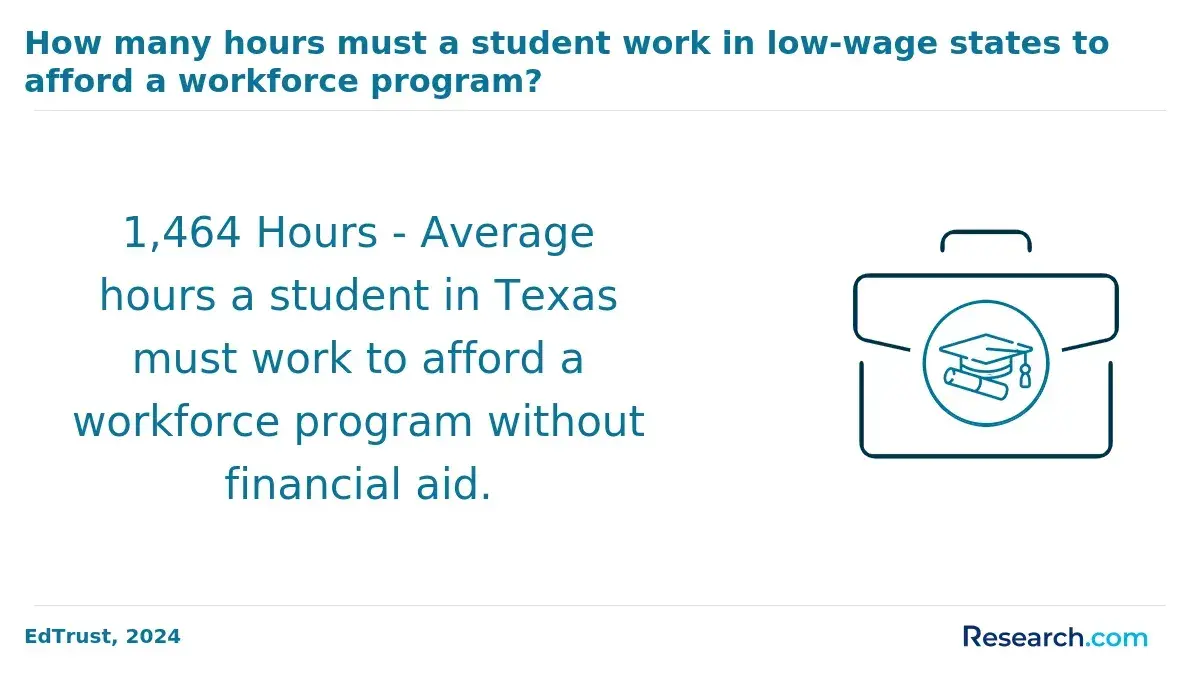
The most affordable option is not automatically the lowest advertised tuition. For context, College Board reported average published tuition and fees of $4,050 for in-district students at public two-year colleges in the 2024-25 academic year. That is a broad annual benchmark, not the cost of an individual online certificate; private providers and short programs may cost substantially more or less.
Compare the full financial commitment, including expenses that can turn a no-application-fee offer into a costly program.
- Request an itemized estimate covering tuition, registration, digital platforms, books, equipment, clinical placement, exam vouchers, background checks, and graduation charges.
- Ask whether the credential carries college credit, whether credits can transfer, and whether the program can stack into a longer credential.
- Check employer tuition assistance, workforce-agency funding, scholarships, and federal aid only when the school and program are eligible.
- Compare the program's schedule with lost work time; an inexpensive daytime program can cost more than a flexible program if it reduces your earnings.
A payment plan can improve cash flow but does not lower total price. Avoid providers that will not disclose tuition in writing, pressure you to use high-cost financing, or make earnings claims without defining the job, location, and time frame.
How Do You Choose an Accredited School?
Accreditation matters most when you need federal aid, transferable academic credit, employer recognition, a clinical placement, or eligibility for a certification or license. Institutional accreditation evaluates the school; programmatic accreditation or state approval may be separately necessary for a particular healthcare, legal, or technical pathway.
Use these checks before accepting a no-fee application offer.
- Identify the exact job, certification, or license you want rather than searching only for a broad subject.
- Ask the relevant employer, state licensing board, or certifying organization what education, supervised hours, and examinations are required.
- Confirm the school's institutional accreditation through the accreditor and U.S. Department of Education listings when academic credit or aid is important.
- Confirm any program-level approval directly with the regulator or certifying body, especially for clinical programs.
- Get written answers about online labs, externships, placement responsibility, withdrawal terms, and whether graduates are eligible for the relevant exam.
A frequent mistake is assuming a nationally advertised online program is approved in every state. Requirements can differ by state and can change, so written confirmation should outweigh marketing language.
What Admission Requirements Do These Programs Have?
Admission standards depend on the provider and credential type. Noncredit online training often has open enrollment, while academic certificates, clinical programs, and apprenticeships may use formal admissions or screening. No application fee does not mean automatic acceptance.
The following requirements are common, but applicants should treat each provider's published policy as controlling.
| Program type | Typical entry requirements | Possible additional screening |
| Noncredit online career course | Age requirement, payment, basic computer access | Placement assessment or prior coursework for advanced study |
| Credit-bearing college certificate | Application, education records, residency documentation where applicable | Prerequisites, placement, selective admission to limited programs |
| Clinical healthcare training | Academic prerequisites and provider requirements | Health records, drug screen, background check, CPR, clinical-site clearance |
| Apprenticeship | Minimum age, work authorization, education requirements | Interview, aptitude test, physical demands, employer selection |
Do not pay a deposit until you know whether your prior learning counts and whether required in-person components are available near you. For longer degree pathways, readers comparing broader academic options can also review best majors for the future.
How Long Do Online Training Programs Take?
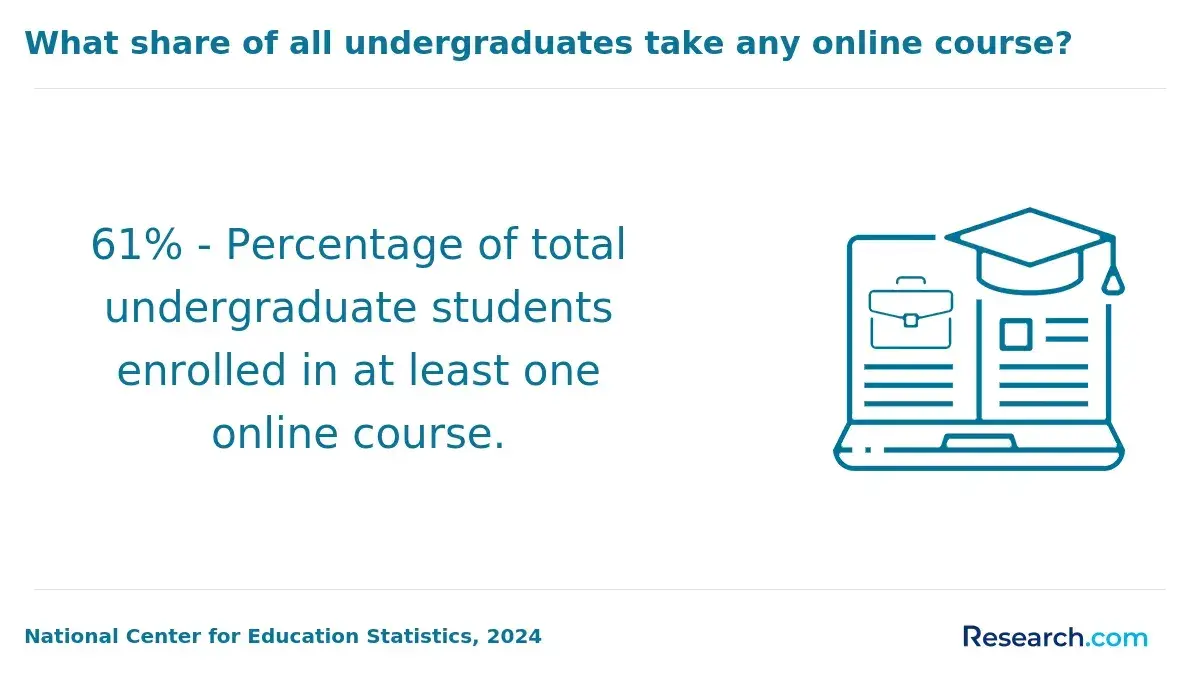
Online career training can take from a few weeks to more than a year, depending on the curriculum, pace, prerequisites, and required field experience. Short, self-paced noncredit courses may teach a narrow skill quickly, while credit-bearing certificates follow academic terms and regulated programs can add clinical or supervised-hour requirements.
Fast completion is most realistic when you already meet prerequisites, can study consistently, and do not need an externship. Explore 6 week certification programs online if your goal is a focused, short-format learning option, but verify whether the program awards a certificate of completion, academic credit, or preparation for a separate certification.
Allow extra time for identity verification, textbooks, software setup, clinical placement, exam scheduling, and job searching. A course advertised by duration alone may not include the time needed to earn a required industry credential.
What Careers Can These Programs Lead To?
Career training can support entry-level work, advancement in a current role, or preparation for a certification exam. The strongest match is usually one where employers clearly ask for the skill or credential taught. A short program is less suitable when the occupation requires a degree, a license, substantial supervised practice, or competitive portfolio experience.
Possible directions include medical billing specialist, pharmacy technician candidate, HVAC helper, electrician apprentice, legal assistant, junior graphic designer, help desk technician, or digital content assistant. Job titles vary across employers, and completing training alone does not guarantee hiring.
Use local job postings to identify recurring requirements, then select training that closes those specific gaps. If you are weighing a full degree against short training, compare it with degrees that pay well to see where a bachelor's pathway may offer a better long-term fit.
What Are the Salary and Job Outlook Prospects?
Salary and demand are occupation-level measures, not promises of earnings after a particular certificate. The BLS May 2024 wage estimates and 2024-34 projections below offer a useful U.S. benchmark; pay varies by state, employer, experience, union status, schedule, and required credentials.
These examples show why job requirements should drive program selection rather than a provider's general salary claim.
| Occupation | Median annual wage, May 2024 | Projected employment change, 2024-34 | Training caution |
| Electricians | $62,350 | 9% | Typically requires apprenticeship and state licensure |
| Heating, air conditioning, and refrigeration mechanics and installers | $59,810 | 8% | Hands-on training and refrigerant-related requirements may apply |
| Medical assistants | $44,200 | 12% | Employers may prefer certification; clinical preparation matters |
| Paralegals and legal assistants | $61,010 | 0% | Education preferences vary; a certificate alone may not be enough |
| Graphic designers | $61,300 | 2% | Portfolio quality and software skills are central to hiring |
For remote-friendly goals, training in digital tools can be useful, but compare it with work from home degrees that pay good money before assuming an online program leads to remote work. Employers, not the delivery format of the training, determine whether a role is remote.
Do You Need Licensure or Certification After Graduation?
Some careers require a license, while others use voluntary or employer-preferred certifications. Neither is the same as a school certificate. Licensure is granted by a government authority and is often mandatory to practice; certification is typically granted by a professional organization after meeting eligibility standards and passing an assessment.
Ask these questions before enrolling: Does the program itself meet eligibility rules for the exam or license? Are supervised hours, clinical work, or an externship included? Is the exam fee included? Does your state require additional education or a background review? For example, a medical billing course may prepare you for an exam without making certification mandatory, while electrician work generally follows state or local licensing rules. Verify requirements directly because they change by jurisdiction.
How Do Online and Campus Programs Compare?
Online and campus programs can teach similar concepts, but the right format depends on whether the career requires equipment, clinical practice, networking, or supervised performance. Fully online study is often strongest for administrative, digital, and exam-preparation subjects; hybrid or campus study is usually safer for hands-on and regulated fields.
This comparison highlights the practical trade-off beyond convenience.
| Factor | Online program | Campus or hybrid program |
| Schedule | Often flexible, especially in asynchronous courses | Set meeting, lab, or clinical times are more common |
| Hands-on learning | May rely on simulations, kits, or local placements | Usually provides direct access to labs and equipment |
| Networking | Requires intentional use of virtual support and local outreach | May offer easier contact with instructors, classmates, and employers |
| Travel costs | Can reduce commuting, but may still require testing or clinical travel | May add commuting and parking costs |
| Best use | Digital skills, theory, and flexible upskilling | Clinical, trade, and performance-based competency development |
Choose online learning only after confirming that required labs, proctoring, clinical work, and employer-recognized assessments can be completed where you live.
Other Things You Should Know About
No. "No application fee" usually means you are not charged to apply or begin enrollment. Review tuition, supplies, exam fees, technology charges, clinical costs, and financing terms before committing.
It depends on the job and the certificate. Online training can strengthen skills for entry-level or administrative roles, but many careers also require experience, a portfolio, certification, apprenticeship, clinical training, or a license.
Some are offered by accredited colleges, while many noncredit provider certificates are not academic credentials. Check institutional accreditation when credit, aid, or transferability matters, and check program approval when a regulated career is involved.
Be cautious if a provider will not give written total costs, makes guaranteed job or salary claims, hides required in-person components, or cannot explain whether graduates qualify for the exam or license they advertise.
References
- How does a college degree improve graduates' employment and earnings potential? - APLU https://www.aplu.org/our-work/publicuvalues/employment-earnings/
- US Colleges With No Applications Fee https://www.deltainstitute.co/blog-delta-institute/us-colleges-with-no-applications-fee
- Applicant Support https://appsupport.commonapp.org/applicantsupport/s/article/What-do-I-need-to-know-about-the-Common-App-fee-waiver
- Provider & Training Program Application FAQs - Accelerate Indiana https://www.accelerateindiana.org/providers/faqs/
- Better with a Bachelor's? Employment and Wages of UNC Graduates versus Leavers https://www.commerce.nc.gov/blog/2019/03/11/better-bachelor%E2%80%99s-employment-and-wages-unc-graduates-versus-leavers
- Fee Waivers - National Association for College Admission Counseling (NACAC) https://www.nacacnet.org/student/fee-waivers/
- College application fees: what you need to know https://www.citizensbank.com/student/articles/what-you-need-to-know-about-college-application-fees.aspx
- Free Certifications With No Background Check (35+ That Pay Well in 2026) https://www.felonfriendlyjobsnow.com/training/free-and-low-cost-training-and-certifications
- Online Career Training | Certificate Programs | CareerStep https://www.careerstep.com/
- Online Certificate Programs | Certifications Programs https://www.uscareerinstitute.edu/online-certificate-programs