2027 Best Certificate Programs for Work-Life Balance

Co-Founder and Chief Data Scientist
Choosing a certificate program while working, parenting, or caregiving means weighing more than program length: predictable class times, required labs, clinical hours, and career schedules matter. The U.S. Bureau of Labor Statistics projects employment of medical records specialists to grow 9% from 2023 to 2033, illustrating why flexible, administrative healthcare training can be worth considering.
This guide compares certificate paths by schedule fit, cost factors, recognition, and realistic job outcomes so you can choose training that supports - not overwhelms - your life.
Key Things You Should Know
- For the strongest work-life fit, prioritize asynchronous or part-time certificates in medical billing, bookkeeping, IT support, legal support, and digital design; avoid programs with mandatory daytime clinicals, labs, or apprenticeships unless you can accommodate them.
- Completion commonly ranges from a few months to about one year, but tuition is only part of the cost: budget for exam fees, software, equipment, background checks, uniforms, clinical requirements, and lost work time where applicable.
- A certificate is education; a certification is a separate professional credential that may require an exam or experience. Verify whether your target employer or state licensing board requires either before enrolling.
Top 10 Best Certificate Programs for Work-Life Balance
Popular Trade School Programs
Trade certificates can lead to practical work, but work-life balance varies sharply by occupation. HVAC, electrical, welding, and automotive programs often require campus labs, apprenticeships, early shifts, or on-call work. A drafting/CAD certificate may be more predictable because much coursework and some jobs use computer-based tools. The BLS reported a May 2024 median annual wage of $62,350 for electricians, but a short certificate alone generally does not meet apprenticeship and licensure requirements. Choose trades if hands-on work suits you; choose office-based certificates if schedule control is the priority.
Healthcare Programs
Healthcare administration, medical billing and coding, medical records, pharmacy technician, and medical assisting certificates serve different schedules. Billing, coding, and health information programs can be suitable for adults seeking office or remote-capable work, though employers may prefer certification. Clinical programs such as medical assisting usually require supervised practicum hours and may lead to shift-based jobs. Medical records specialists had a May 2024 median annual wage of $50,250, according to BLS occupational data; that figure describes the occupation, not a guaranteed outcome from a certificate. Confirm whether a program prepares you for an industry exam.
Criminal Justice / Law Programs
Paralegal studies, legal office assistant, court reporting support, and criminal justice certificates can fit learners who prefer structured reading, writing, and document work. Online legal-support certificates may offer evening or asynchronous courses, but paralegal roles often favor programs approved by the American Bar Association or an associate or bachelor's degree. BLS reported a May 2024 median annual wage of $61,010 for paralegals and legal assistants. Court, law-enforcement, and corrections careers can involve fixed daytime hours, overtime, or rotating shifts, so assess the job schedule rather than the course format alone.
Arts & Design Programs
Graphic design, web design, UX/UI fundamentals, digital marketing, and photography certificates can offer flexible project-based study. They work best for self-directed learners who can build a portfolio outside class. A portfolio often carries more hiring weight than the certificate name, and freelance work can provide autonomy but less predictable income. BLS reported a May 2024 median annual wage of $61,300 for graphic designers. That occupational figure includes workers with varied education and experience, so compare programs by portfolio coaching, software access, feedback, and employer connections - not salary claims.
What types of certificate programs offer the best work-life balance?
The best certificate programs for work-life balance usually prepare learners for work that is computer-based, administrative, project-based, or scheduled during standard business hours. Strong options include bookkeeping, payroll, medical billing and coding, health information support, IT support, digital marketing, UX/UI design, project coordination, and legal office support.
Use this comparison to separate a flexible learning experience from a career that is genuinely likely to have manageable scheduling.
| Program type | Why it can support balance | Important trade-off |
| Bookkeeping or payroll | Often online, part-time, and calendar-driven | Busy periods can occur around month-end and tax deadlines |
| Medical billing, coding, or records | Administrative roles may offer regular office schedules | Remote work is not universal; accuracy standards are high |
| IT support or data analytics | Online programs and remote-capable roles are common | Some support jobs include on-call coverage or rapid skill changes |
| Digital design or marketing | Project-based work can be portable and flexible | Portfolio building and freelance income can be unpredictable |
| Skilled trades or clinical care | Clear hands-on career pathways | Labs, clinicals, shifts, travel, or apprenticeships reduce flexibility |
Choose a certificate when it teaches a defined, employer-recognized skill and fits the work setting you want. If your goal is a long-term remote professional role with broader advancement options, compare it with online degrees for remote jobs before deciding that a short credential is enough.
How do online certificate programs compare to campus options for flexibility?
Online certificates are usually more flexible when lectures are asynchronous, deadlines are weekly rather than daily, and required activities can be completed outside standard work hours. Campus programs can be better for learners who need equipment, instructor access, peer accountability, or hands-on practice. Hybrid delivery is often the practical middle ground for technical, trade, and healthcare training.
The comparison below focuses on scheduling and learning trade-offs rather than assuming one format is better for every person.
| Factor | Online certificate | Campus or hybrid certificate |
| Class timing | May be asynchronous or offer multiple sections | Usually follows fixed meeting times |
| Hands-on training | Limited unless local placements or simulations are arranged | Better access to labs, equipment, and supervised practice |
| Commute | Usually none | Time and transportation costs apply |
| Networking | Requires intentional participation | Often easier through instructors and local employers |
| Best fit | Self-directed learners in office-based fields | Learners entering regulated or equipment-heavy fields |
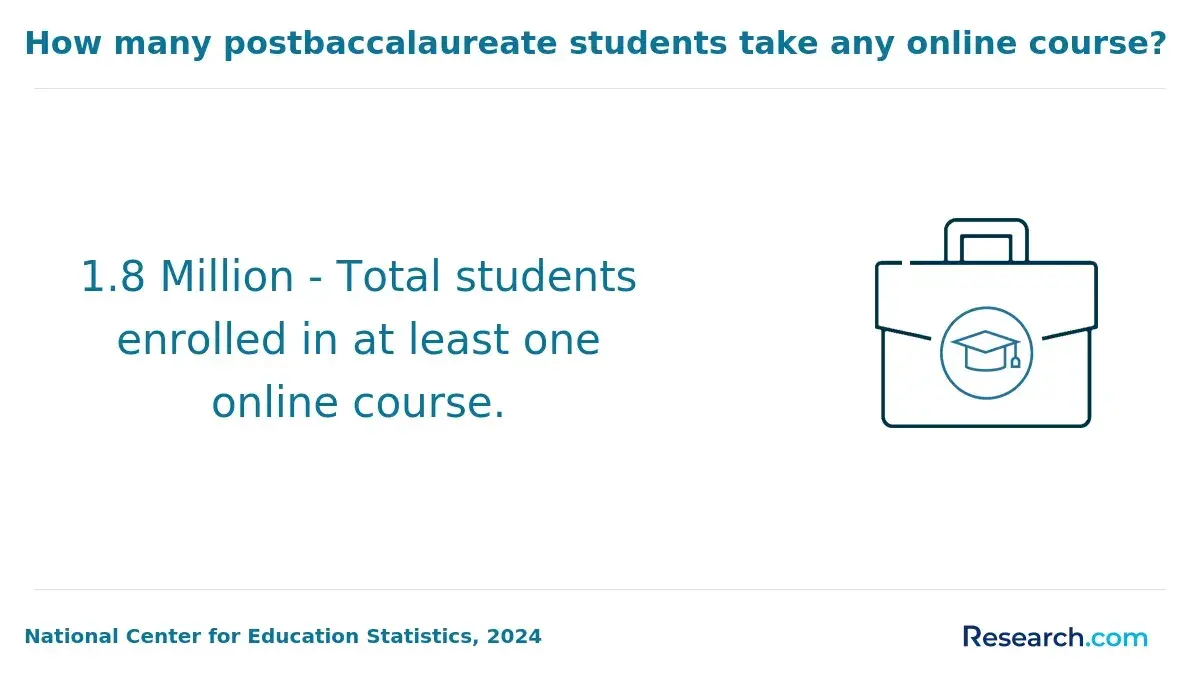
Before enrolling, ask whether "online" includes live attendance, proctored exams, internships, clinical rotations, or local lab visits. Learners considering a larger credential after a certificate can also compare affordable online bachelor's degree options, particularly when transfer credit is clearly documented.
What accreditation should work-life-friendly certificate programs have?
Accreditation matters most when a certificate is credit-bearing, leads toward licensure, is tied to federal financial aid, or must meet an employer's professional standards. For a college certificate, verify that the institution holds recognized institutional accreditation and that the specific program meets any field-level approval requirements. For noncredit provider certificates, institutional accreditation may not apply; evaluate the provider's industry reputation, curriculum, instructor qualifications, assessment method, and employer recognition instead.
Do not confuse accreditation with certification eligibility. For example, a healthcare program may need specialized approval to make a graduate eligible for a certification exam, while a trade program may need to satisfy state or local training rules. Ask the school for the exact accreditor, approval status, and any licensure or exam eligibility statement in writing.
How long do these certificate programs take and what do they cost?
Most work-life-friendly certificates take from several weeks to about 12 months part-time, although clinical, trade, and credit-bearing programs can take longer. Noncredit professional certificates may move quickly because they focus on a narrow skill; college certificates often take longer because they include credit courses, academic calendars, or required placements.
Your total cost depends on format and field, so compare the full educational expense rather than tuition alone.
| Cost category | Often applies to | What to verify |
| Tuition or course fee | All programs | Total charge, payment schedule, and refund policy |
| Books, software, or subscriptions | Design, IT, business, and academic programs | Required tools and access period |
| Equipment, uniforms, and supplies | Trades and clinical programs | Whether items are included or purchased separately |
| Exam, background-check, or clinical fees | Healthcare, legal, and regulated pathways | Mandatory external costs and retake fees |
| Transportation and childcare | Campus, lab, practicum, and clinical programs | Frequency and location of required attendance |
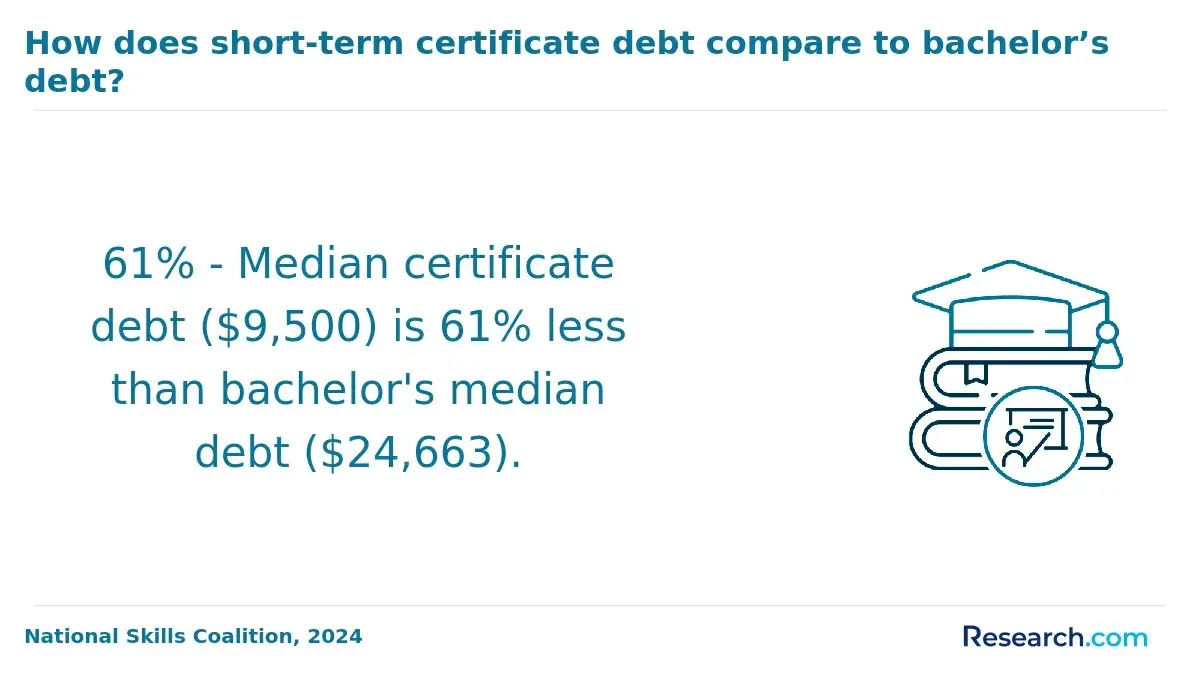
Credit-bearing certificates at eligible schools may qualify for federal or institutional aid, but noncredit programs often do not. Check employer tuition assistance and workforce grants first. If a certificate will not produce enough advancement, a time-limited graduate option such as quick masters degrees online may be a better long-term comparison for applicants who already hold a bachelor's degree.
What admission requirements do work-life balance certificate programs typically have?
Admission requirements depend on the credential provider and the career field. Many noncredit certificates require only registration and payment, while credit-bearing college certificates may require an application, high school completion or equivalent, placement steps, and prerequisite courses. Advanced professional certificates may require prior college study or work experience.
Programs involving patients, minors, secure data, or clinical sites can add compliance requirements. These may include immunizations, drug screening, background checks, CPR training, health insurance, or proof of transportation. Requirements can take time and create costs, so obtain the complete checklist before paying a deposit. Do not assume transfer credit, financial aid, or certification-exam eligibility applies unless the provider confirms it for that specific program.
What careers and job roles can these certificate programs lead to?
A certificate can help you qualify for entry-level support work, demonstrate targeted skills to a current employer, or prepare for a separate industry certification. It may not replace a degree, apprenticeship, supervised experience, portfolio, license, or exam when those are standard in the field.
These examples show the kinds of roles a focused certificate may support, along with the additional qualifications that may still matter.
| Certificate focus | Potential entry-level roles | Common additional requirement |
| Bookkeeping or payroll | Bookkeeping clerk, payroll assistant, accounts payable support | Accounting software proficiency and employer training |
| Medical billing, coding, or records | Billing specialist, medical records specialist, coding support | Employer-preferred certification or experience |
| IT support | Help desk technician, desktop support assistant | Vendor certification, troubleshooting practice, or degree preference |
| Legal studies | Legal assistant, file clerk, administrative support | Paralegal education or experience for paralegal titles |
| Digital design | Junior designer, production artist, marketing assistant | Strong portfolio and current software skills |
If your intended role normally requires graduate-level preparation, do not use a short certificate as a substitute. Professionals seeking a fast advanced academic route can review one year doctoral programs, while recognizing that program length, dissertation requirements, and licensing outcomes vary substantially.
What salary ranges and advancement potential do these certificate pathways offer?
Salary and advancement depend primarily on occupation, location, employer, work experience, schedule, and credentials beyond the certificate. A short program can improve access to entry-level interviews or help an existing worker move into a specialized task area, but it does not establish a universal earnings level.
BLS May 2024 occupational wage data offers useful context: medical records specialists had a median annual wage of $50,250, graphic designers $61,300, paralegals and legal assistants $61,010, and electricians $62,350. Use these figures to compare occupations, not to estimate a personal post-certificate salary. Ask programs for role-specific placement information, typical employers, and the proportion of graduates working in jobs related to their training.
Advancement is strongest when a certificate is stackable: for example, an entry-level IT certificate followed by vendor certifications, or a credit-bearing business certificate that applies toward an associate or bachelor's degree. A standalone noncredit credential is often best for rapid skill-building rather than academic progression.
How is coursework structured to support working adults and caregivers?
Programs designed for working adults usually support balance through asynchronous modules, recorded lectures, predictable weekly deadlines, part-time pacing, multiple start dates, and access to tutoring or advising outside traditional business hours. These features are valuable only if the program's required components match your actual availability.
Before committing, use this practical screening process to test whether the workload is realistic.
- Request a sample weekly schedule showing live sessions, assignment due dates, exams, labs, and required fieldwork.
- Calculate travel, study, childcare, and technology time in addition to scheduled class hours.
- Ask whether you can reduce course load, pause enrollment, or switch sections without losing progress or aid eligibility.
- Confirm how quickly instructors respond and whether missed work can be made up during emergencies.
- Choose a start term that does not overlap with your busiest work or family season.
A common mistake is equating self-paced with low-effort. Flexible programs still require sustained study time, and accelerated courses compress the same learning into shorter deadlines.
How can students choose a reputable certificate program with strong work-life outcomes?
A reputable work-life-friendly certificate is transparent about what learners receive, what the credential does not guarantee, and exactly how attendance works. Start with your target job title, then work backward: identify the employer's usual education, certification, licensing, software, and experience expectations before comparing programs.
Ask each provider the following questions before enrolling because the answers reveal both program quality and schedule risk.
- Is the credential credit-bearing, noncredit, stackable, or designed to prepare for a separate certification exam?
- Which classes, labs, clinicals, internships, or exams require live or in-person attendance?
- What is the total estimated cost including materials, software, external exams, background checks, and travel?
- What institutional accreditation, program approval, or industry recognition applies to this exact program?
- What roles do graduates commonly pursue, and what additional qualifications do those roles require?
- Can you provide written policies for withdrawals, pauses, transfer credit, refunds, and career services?
Red flags include vague claims of "job-ready" outcomes, pressure to enroll immediately, missing total-cost information, unverified certification-exam claims, and programs that advertise remote careers without teaching the tools employers request. The best choice is the shortest credible program that meets your actual job requirement without creating an unsustainable schedule.
Other Things You Should Know About
Asynchronous certificates in bookkeeping, digital marketing, IT support, medical billing, and business software are often easier to schedule than programs requiring labs or clinical rotations. "Easy" should not be the only criterion; choose a program tied to a role you would realistically pursue.
Employers usually care more about the provider's reputation, the skills demonstrated, any relevant certification, and your portfolio or experience than whether instruction was online. For regulated careers, confirm that the online format meets required clinical, lab, or exam-eligibility standards.
It can support applications for some remote-capable roles, especially in IT, bookkeeping, customer operations, health information, and digital work. However, remote availability depends on the employer and role; no certificate guarantees remote employment.
Choose a certificate for focused, faster training when employers value a specific skill or industry exam. Choose an associate degree when your target role requires broader education, licensure preparation, stronger transfer options, or a foundation for a bachelor's degree.
References
- Work-Life Balance Programs | Employee Training and Keynotes https://www.worktolive.info/work-life-balance
- Work Life balance Training Courses - Helps improve Productivity https://aztechtraining.com/articles/work-life-balance-training-courses-helps-improve-productivity
- Work-Life Balance: The Impact of Policy and Practice on the Human Resource Function https://irc4hr.org/resources/work-life-balance-the-impact-of-policy-and-practice-on-the-human-resource-function/
- Courses for Work/Life Balance - Skillsoft https://www.skillsoft.com/channel/worklife-balance-77e1f890-e71b-11e6-9835-f723b46a2688
- ISQOLS https://isqols.org/Work-Life-Balance-Certification
- Benefits and Importance of Work-Life Balance (With Examples) https://www.pryor.com/blog/embracing-life-enhances-work-the-benefits-of-work-life-balance.html
- 8 Surprising Benefits of Work-Life Balance You Might Not Expect - WebMD Health Services https://www.webmdhealthservices.com/blog/benefits-work-life-balance/
- Best Career for Work Life Balance https://www.oxfordhomestudy.com/courses/leadership-and-soft-skills/best-career-for-work-life-balance
- The Value of Certifications: Employers Weigh In! - Career Horizons https://www.career-horizons.com/the-value-of-certifications-employers-weigh-in/
- The importance of work-life balance https://thehappinessindex.com/blog/importance-work-life-balance/