2027 Best Online Certifications for Career Growth

Co-Founder and Chief Data Scientist
Choosing an online certification can be difficult because programs vary widely in credibility, cost, and career value. A certification is a professional credential awarded by an industry body, while a certificate is usually proof that a learner completed an educational program.
This guide helps career changers, working professionals, and students compare both options. The U.S. Bureau of Labor Statistics projects employment for information security analysts to grow 29% from 2024 to 2034, showing why targeted, current skills can matter. Learn how to identify credentials that match your goal before paying or enrolling.
Key Things You Should Know
- Choose a credential based on the job's actual hiring requirements: industry certifications may be useful for IT, project management, and cloud roles, while many healthcare and skilled-trade jobs require state-approved training, supervised practice, or licensure.
- Demand differs sharply by field: the U.S. Bureau of Labor Statistics projects information security analyst employment to grow 29% from 2024 to 2034, but a short credential alone does not replace experience, a degree, or required licensing.
- Compare the total investment, including exam vouchers, equipment, labs, renewals, and lost work time; the lowest tuition is not necessarily the best value if employers do not recognize the provider or credential.
Top 10 Best Online Certifications for Career Growth
Popular Trade School Programs
Online trade programs work best for theory-heavy coursework, not hands-on competency assessment. Common options include HVAC certificates, electrical technology certificates, construction management certificates, welding technology certificates, and associate degrees in industrial maintenance. Programs may cover safety codes, blueprint reading, estimating, electrical theory, or refrigeration systems, but employers and licensing boards often require in-person labs, apprenticeships, or supervised field hours. Choose a fully online option only when it clearly explains how practical training is completed. For electrician, welding, and HVAC careers, a hybrid program or registered apprenticeship is often the more direct path.
Healthcare Programs
Online healthcare certificates can support administrative and nonclinical roles such as medical billing and coding, health information technology, pharmacy technician preparation, and medical office administration. Some programs prepare students for an external certification exam; completing the course itself is not the same as earning certification. Clinical roles, including medical assisting, nursing, dental hygiene, and sonography, generally require in-person skills training and clinical placements. Verify state rules before enrolling, especially when a program advertises preparation for licensure. Credit-bearing community-college certificates may be more transferable than noncredit career-training courses, although transfer policies differ by institution.
Criminal Justice / Law Programs
Online criminal justice certificates and associate degrees commonly cover criminal procedure, policing, corrections, homeland security, legal studies, and cybersecurity law. Paralegal certificates can be useful for people who already hold a degree or have office experience, but employer preferences vary and a certificate does not authorize independent legal practice. Police officer and corrections roles commonly have agency-specific physical, background, academy, and state requirements that online study cannot replace. Choose these programs to build foundational knowledge or advance in an adjacent role, not as a substitute for required academy training, background clearance, or bar admission.
Arts & Design Programs
Online arts and design certificates may focus on graphic design, UX design, digital marketing design, photography, animation, web design, or interior design fundamentals. Portfolio quality usually matters more to employers than the certificate name alone. Look for programs that require project critiques, accessible software instruction, and portfolio-ready work rather than only video lectures. Associate degrees can provide broader foundations in design history, typography, and production, while short certificates are better for a focused software or portfolio upgrade. Interior design credentials do not automatically meet state-specific requirements for regulated professional practice.
What types of careers benefit most from online professional certifications?
Online professional certifications benefit careers where employers can evaluate a defined, current skill through an exam, portfolio, or standardized framework. Technology, cybersecurity, cloud computing, project management, data analytics, accounting support, human resources, digital marketing, and supply chain operations are common examples. They are especially useful for professionals who already have related experience and need evidence of a specific capability.
Consider a certification when the target job postings repeatedly name it, when the issuer is recognized in that industry, and when the credential matches your experience level. Entry-level credentials can help structure a career transition, but employers may still expect projects, internships, or prior work. Readers exploring degrees you can get online that pay well should compare whether a short credential meets the role's requirements or whether a degree offers a stronger long-term foundation.
Certifications are less suitable as a standalone solution for regulated occupations, jobs requiring clinical practice, or roles where employers routinely require a bachelor's degree. In those cases, use a certification as a complement to formal education rather than a replacement.
How do accredited online certificate programs compare to campus-based options?
An accredited online academic certificate can offer the same institutional credential as a campus program when it is delivered by the same accredited college and uses equivalent learning outcomes. The difference is usually the delivery method: online learners need reliable technology, independent time management, and access to virtual advising, while campus learners may receive easier access to labs, equipment, and face-to-face networking.
Institutional accreditation matters most for credit-bearing college certificates, degree pathways, and federal financial-aid eligibility. Programmatic accreditation may matter for specialized fields such as nursing or health information. By contrast, many industry certifications are issued by private professional organizations rather than accredited colleges; their value depends on employer recognition, exam rigor, renewal requirements, and relevance to the role.
Online delivery is usually a poor fit when required hands-on learning cannot be completed locally. Before enrolling, ask where labs, proctored exams, externships, clinical placements, or apprenticeships occur and whether those arrangements create additional costs.
What admission requirements and prior experience do online certification programs need?
Admission requirements depend on the credential type. A self-paced professional certificate may require only an account and payment. An industry certification exam may require work experience, prior certifications, training, or a passing score. College-issued undergraduate or graduate certificates may require an application, prior coursework, a degree, or documented professional experience.
Use the following distinctions to avoid applying assumptions from one type of credential to another:
- Noncredit professional certificates often have open enrollment but may expect basic computer, math, or communication skills.
- Industry certifications may set eligibility rules such as verified work experience, approved training, or prerequisite exams.
- Credit-bearing college certificates may require transcripts, placement testing, prerequisite courses, or minimum academic standing.
- Graduate certificates generally require a completed bachelor's degree, though some schools allow concurrent enrollment in a related graduate degree.
Do not assume that standardized tests, transfer credit, or federal aid apply. Ask the provider whether the credential earns academic credit, whether credits can transfer, and whether an employer will recognize the exact award.
How can you verify an online certification is properly accredited and recognized?
Verification should happen before you pay a deposit, purchase an exam voucher, or share personal documents. A reputable provider can identify the issuing organization, learning outcomes, instructor qualifications, total cost, refund terms, and any limits on career or licensure eligibility.
Use this practical review process to separate a legitimate learning option from vague marketing:
- Confirm whether you are earning a course-completion certificate, a college certificate, or an independent professional certification.
- For college programs, verify the institution's recognized accreditation status through the U.S. Department of Education or the Council for Higher Education Accreditation directories.
- For professional certifications, review the certifying organization's exam rules, eligibility standards, renewal cycle, and published employer or industry partnerships.
- Check job postings in your target location to see whether employers request the credential by name.
- Ask whether the program prepares you for a separate licensing or certification exam and whether exam fees are included.
Red flags include guaranteed jobs, vague claims of "accreditation" without naming an accreditor, pressure to enroll immediately, no published instructor information, and unclear refund policies. A provider's marketing badge is not proof of institutional accreditation or state approval.
What curriculum and skills are taught in the most in-demand online certifications?
The most useful online certifications teach skills that can be demonstrated in a workplace, portfolio, lab environment, or monitored examination. The strongest programs balance technical instruction with practical assignments and explain which tools, standards, or job tasks learners will practice.
High-demand curricula commonly emphasize the following skill groups:
- Cybersecurity: network fundamentals, risk management, incident response, security controls, and cloud security concepts.
- Data and analytics: spreadsheets, SQL, data visualization, statistical reasoning, dashboards, and communication of findings.
- Cloud and IT operations: operating systems, networking, identity management, automation, troubleshooting, and platform-specific services.
- Project management: scope, schedules, budgets, stakeholder communication, agile methods, and risk tracking.
- Healthcare administration: medical terminology, coding systems, privacy practices, claims workflows, and electronic health records.
Artificial intelligence is changing how these skills are used, not eliminating the need for them. Prioritize programs that teach verification, documentation, privacy, ethical use of AI tools, and judgment rather than promising that one software tool will secure a job.
How long do online certification programs take and what do they cost?
Completion time ranges from a few weeks for self-paced training to roughly one year for many college certificates; associate degrees usually take longer because they include general education and broader technical coursework. The right pace depends on whether you need fast upskilling, a portfolio, academic credits, or required hands-on hours.
Cost is equally variable. A subscription-based professional certificate may charge monthly fees, while an industry certification can add exam vouchers, practice materials, and renewal costs. College certificates may charge tuition by credit plus technology, lab, textbook, proctoring, or clinical fees. Compare the total price through completion rather than the first advertised payment.
Working adults should also compare weekly workload, live-session requirements, exam windows, and access to tutoring. Parents balancing work and caregiving may find flexible degree pathways more suitable; review degrees for moms when a stackable credential or a longer academic program better supports the goal.
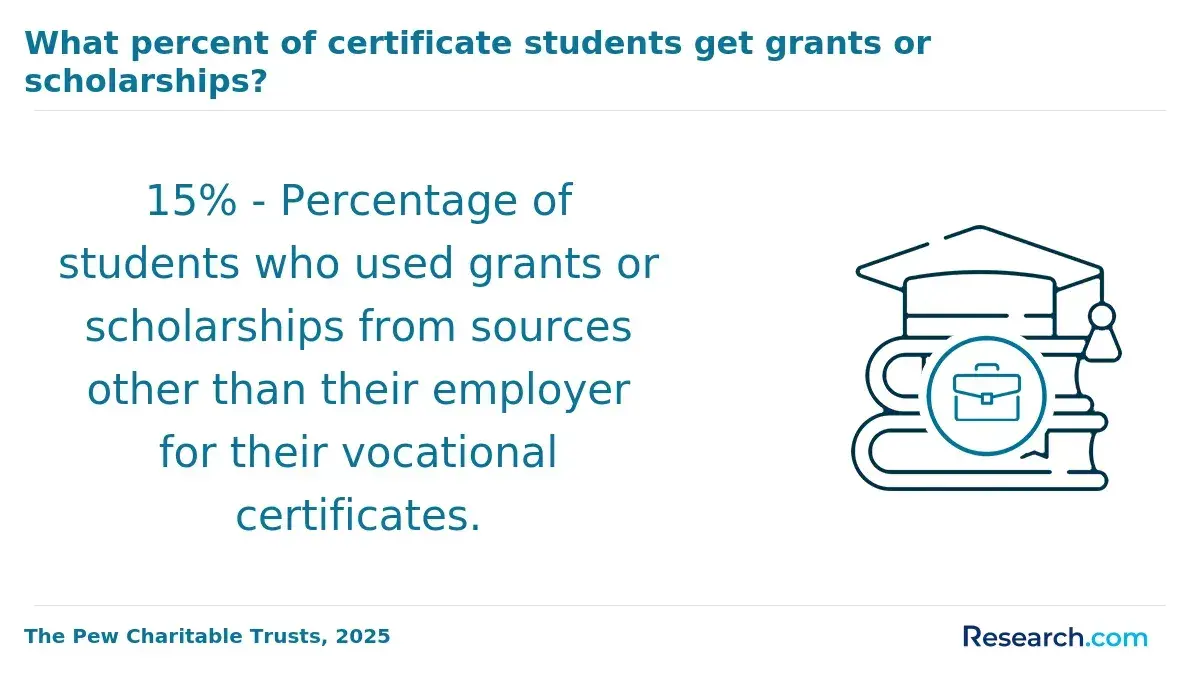
For credit-bearing programs, ask the financial-aid office whether the certificate is eligible for aid and whether its course load meets applicable enrollment rules. Noncredit programs often use employer tuition assistance, payment plans, workforce grants, or personal funds instead.
What job roles and promotion opportunities can online certifications help you access?
Online credentials can help candidates qualify for interviews, demonstrate initiative, or move into more specialized responsibilities, but they work best when paired with evidence of performance. A data certificate may support an analyst-adjacent role if you can show dashboards and SQL projects. A cloud certification may help an experienced support professional pursue cloud operations work. A project management credential can strengthen a case for coordinating projects when you already have relevant organizational experience.
The U.S. Bureau of Labor Statistics reported a 2024 median annual wage of $100,750 for project management specialists. That figure describes the occupation, not the earnings of certification holders, and employers may expect a bachelor's degree or substantial experience for many roles.
For positions that consistently require a degree, compare a short credential against top 10 highest paying degrees before deciding that a certificate is the complete education plan. A certification can still be valuable as a focused supplement to a degree or current role.
What salary impact and return on investment can online certifications provide?
The return on investment from an online certification depends on the gap between your current skills and a specific employer requirement. The credential has a stronger case when it helps you perform a current job better, qualify for an internal opening, meet a contract requirement, or move into a role with documented local demand. It has a weaker case when the job target requires a license, extensive experience, or a degree that the credential cannot provide.
Use occupational wage data as market context, not a personal earnings prediction. For example, the U.S. Bureau of Labor Statistics reports that information security analysts had a 2024 median annual wage of $124,910. That does not mean an entry-level cybersecurity certificate leads to that pay; the occupation commonly involves prior IT experience and employers may set additional degree or experience preferences.
Estimate ROI by adding tuition, exam fees, renewal fees, equipment, commuting for required labs, and income lost during study. Then compare that total with realistic outcomes such as a new responsibility, a documented pay increase, an internal promotion path, or improved access to interviews. Ask employers or local recruiters what they recognize before treating salary claims as evidence.
How should you choose a reputable online certification aligned with your career goals?
Start with the role you want in the next one to three years, then work backward from real job descriptions. Identify whether the target requires a license, degree, apprenticeship, industry certification, portfolio, or a combination. This prevents a common mistake: paying for an attractive course that teaches relevant material but does not meet the hiring requirement.
Use these steps to compare reputable options:
- Collect several current job postings and note repeated credentials, skills, degree expectations, and experience requirements.
- Choose the credential type that closes the most important gap: certification exam preparation, credit-bearing coursework, portfolio development, or supervised practical training.
- Compare total cost, time to completion, exam fees, required equipment, refund policies, and renewal obligations.
- Verify recognition with the school, certifying body, licensing board, and employers in your intended location.
- Confirm what evidence you will leave with, such as academic credits, an exam result, projects, a portfolio, or documented clinical hours.
If you are evaluating academic programs, reducing application friction can widen your choices without lowering your standards. Consider online colleges free application options, then assess accreditation, curriculum, support services, and transfer rules separately.
Avoid choosing solely by influencer endorsements, discount deadlines, or a provider's claim that a credential is "industry recognized." The best option is the one whose issuer, curriculum, format, and outcome requirements can be independently confirmed for your specific career target.
Other Things You Should Know About
They can be worth it when employers in your field recognize the credential and it addresses a clear skill or eligibility gap. Review job postings first, and do not expect a short credential to replace required experience, a degree, or a license.
A certificate generally confirms completion of an educational program. A certification is usually awarded by a professional organization after a candidate meets standards, often including an exam, experience requirement, or continuing education.
Some entry-level roles may consider a certification alongside a strong portfolio or transferable experience. However, many jobs also require prior experience, a degree, supervised training, background checks, or state licensure.
Identify the exact issuer, read eligibility and exam rules, verify college accreditation when applicable, review total costs and refund terms, and check whether employers in your target field request the credential. Be cautious of guaranteed-employment claims.
References
- Online Career Training | Certificate Programs | CareerStep https://www.careerstep.com/
- The Top 5 Certificate Programs for Jobs With Growth Potential | CourseStorm https://www.coursestorm.com/blog/top-certificate-programs-for-jobs
- Online Certificates for Job-Ready Skills | Grow with Google https://grow.google/certificates
- on-demand learning - work2future https://www.work2future.org/learn/
- 9 Types of Learning and Development Certifications To Boost Your L&D Expertise https://www.aihr.com/blog/learning-and-development-certifications/
- What Do Employers Think of Online Courses & Certificates? [2025] https://digitaldefynd.com/IQ/employers-think-of-online-course/
- ROI Certification - ROI Institute https://roiinstitute.net/roicertification/
- Top 10 Most In-Demand Skills to Deliver an Online Course https://kwiga.com/blog/top-high-demand-skills-to-teach-in-an-online-course
- Top 10 Free Online Certifications to Improve Your Skills https://www.ssbm.ch/top-10-free-online-certifications-to-improve-your-skills/
- Checklist: Evaluate Certification ROI Before Investing | Technical Leaders https://www.technical-leaders.com/post/checklist-evaluate-certification-roi-before-investing