2027 Best Online Certifications With Fast Admissions Decisions

Co-Founder and Chief Data Scientist
Need training quickly but do not want to wait months for an admissions decision? Fast-admission online certificates can offer rolling starts, streamlined document review, or immediate enrollment in noncredit courses.
The U.S. Bureau of Labor Statistics reports that healthcare support occupations are projected to grow faster than average from 2024 to 2034, making short, career-focused training especially relevant.
This guide explains which credentials move fastest, what they actually qualify you to do, how to compare costs, and how to avoid programs that do not meet employer or licensing requirements.
Key Things You Should Know
- Fast admission usually means rolling review, frequent start dates, or open enrollment; it does not necessarily mean instant acceptance, transferability, or eligibility for financial aid.
- Noncredit professional certificates and vendor certifications often have the quickest entry, while credit-bearing college certificates commonly require transcripts and may take several business days to several weeks to review.
- For regulated careers, speed is secondary to approval: verify that an online program meets your state's clinical, exam, background-check, or supervised-practice rules before paying tuition.
Top 10 Best Online Certifications With Fast Admissions Decisions
Popular Trade School Programs
Fast-entry trade options include HVAC technician certificates, welding certificates, electrical technician certificates, plumbing pre-apprenticeship programs, and automotive service certificates. Many are offered by community colleges or career schools with rolling admissions, but hands-on labs usually require campus attendance.
A short certificate can build foundational skills; it rarely replaces an apprenticeship, employer training, or state licensing requirements. Choose an associate degree when you want broader technical coursework and more room to transfer credits. Readers seeking a longer, credit-bearing route can compare 2 year online degrees, although fully online delivery is uncommon for lab-intensive trades.
Healthcare Programs
Online healthcare certificates may cover medical billing and coding, pharmacy technician theory, health information technology, medical office administration, or community health work. Admissions can be quick for nonclinical programs, while clinical programs often require immunizations, background checks, drug screening, CPR training, and local placements.
Medical assistant, nursing aide, and phlebotomy training generally need in-person skills practice. A school certificate is not the same as an industry certification such as CPC or CPhT; confirm whether the curriculum prepares you for the relevant exam. State rules determine whether a credential supports employment or licensure.
Criminal Justice / Law Programs
Common online options include criminal justice certificates, legal studies certificates, paralegal certificates, cybersecurity fundamentals, and corrections-related training. Open-enrollment legal research or compliance courses can start quickly, but a college paralegal certificate may require prior college coursework or a bachelor's degree.
Paralegal education does not authorize someone to practice law, and state rules govern legal document services and related work. Criminal justice certificates can strengthen knowledge for entry-level public safety support roles, but police, corrections, and investigative jobs may impose separate physical, background, academy, or agency-specific hiring standards.
Arts & Design Programs
Graphic design, UX design, digital marketing design, photography, animation, and web design certificates are often among the fastest online options because they rely on project work rather than labs. Noncredit provider certificates may allow immediate enrollment; college certificates may use rolling admission and portfolio review.
For creative hiring, a strong portfolio can matter as much as the credential. Choose a credit-bearing certificate if you may pursue an associate or bachelor's degree later; choose a short professional certificate when you need targeted software and portfolio skills. Confirm software costs, feedback access, and ownership of completed work.
Which online certifications admit students fastest?
The fastest online admissions decisions usually come from noncredit, open-enrollment professional certificates, self-paced career training, and vendor learning programs. These providers may let learners enroll after creating an account and paying, because they are not evaluating applicants for degree admission.
College-issued certificates can still be relatively fast when they offer rolling admission or multiple starts, but applicants may need to submit official records.
This comparison separates speed of entry from the value and use of the credential:
| Program type | Typical admission model | Best fit | Main limitation |
| Open-enrollment noncredit certificate | Immediate or near-immediate enrollment | Focused skills and rapid upskilling | Usually no academic credit or federal student aid |
| Vendor professional certificate | Account-based enrollment | Technology, project management, and software skills | Employer recognition varies by field |
| Community college certificate | Rolling or term-based review | Credit-bearing career preparation | Transcript and residency requirements may slow entry |
| University graduate certificate | Application review | Professionals with prior degrees | Usually requires a bachelor's degree and takes longer to admit |
Ask the provider for the date your application becomes complete, the next available start date, and whether "admission" means enrollment in a course or acceptance into a credential program. A quick decision has little value if the next cohort is months away.
What admission requirements do online certificate programs need?
Requirements depend on whether the credential is academic, noncredit, or tied to a regulated occupation. A short noncredit certificate may require only payment and basic computer access. An undergraduate college certificate commonly requires a high school diploma or equivalent, an application, and transcripts.
Graduate certificates generally require a completed bachelor's degree. Standardized tests are uncommon for short certificates, but prerequisite courses can matter in technical, healthcare, and advanced IT programs.
Before applying, gather the items most likely to affect a fast decision:
- Confirm whether the program is credit-bearing, noncredit, undergraduate, or graduate.
- Request an exact checklist of transcripts, identification, prerequisite courses, and technology requirements.
- Ask whether unofficial transcripts can support an initial decision while official records are sent.
- Check whether admission is conditional on a background check, placement test, portfolio, or clinical clearance.
- Compare the next start date with your available weekly study time.
If your end goal is a degree rather than a short credential, accelerated degree programs may offer a better long-term route, though they typically have fuller admissions and transfer-credit reviews than open-enrollment certificates.
Which accredited schools offer quick online certificates?
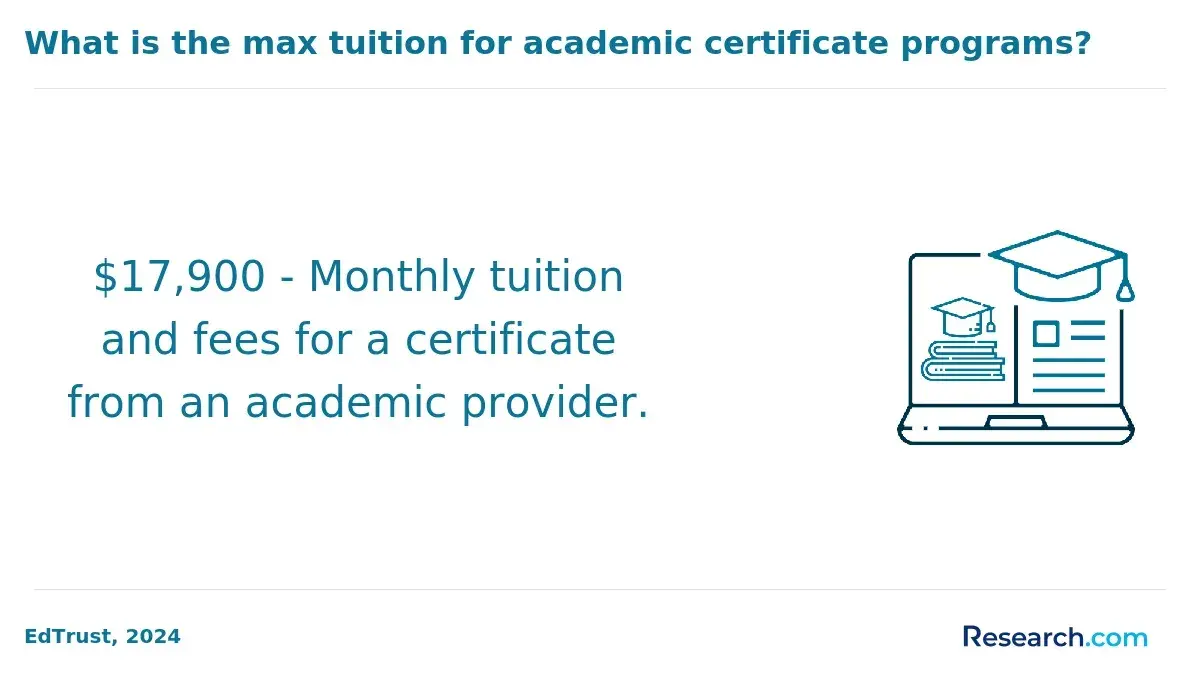
Reputable quick online certificates are available through institutionally accredited community colleges and universities, as well as established industry providers. Accreditation matters most for credit-bearing education, transfer plans, federal aid eligibility, and regulated pathways.
For a noncredit provider, employer recognition, curriculum quality, instructor expertise, and alignment with a recognized certification exam may matter more than institutional accreditation.
Use this screen to distinguish a fast decision from a weak program:
| What to verify | Why it matters | Where to check |
| Institutional accreditation | Supports legitimacy of a college credential and may affect aid or transfer | The school's accreditor listing and U.S. Department of Education database |
| Programmatic approval | May be essential for healthcare, legal, or technical pathways | Relevant professional accreditor or state board |
| State authorization | Determines whether the school can enroll residents in your state | School disclosures and state higher-education agency |
| Exam eligibility | Shows whether coursework can lead toward a separate certification | Certifying organization's candidate handbook |
| Written total-cost disclosure | Prevents surprise fees for exams, software, labs, or proctoring | Program catalog and enrollment agreement |
Graduate certificates can be useful for professionals who already hold a bachelor's degree, but they are not a substitute for a full graduate degree when a role requires one. Compare them with masters degrees if advancement depends on graduate-level depth, licensure, or a broader credential.
How long do online certificate programs take?
Completion time is separate from admissions speed. A self-paced noncredit certificate may take weeks if you can study consistently, while a college certificate may require one or more academic terms even after a quick acceptance.
A credit-bearing certificate often ranges from roughly 12 to 30 credits, but the actual timeline depends on course sequencing, transfer credit, and whether required courses are offered every term.
Use the program calendar rather than marketing language. "Finish in six months" may assume full-time enrollment, no repeated courses, and immediate access to every class.
Clinical training, practicum placement, apprenticeships, and certification-exam preparation can extend the timeline. Working adults should ask for a part-time course map and the maximum time allowed to complete the credential.
How much do fast online certifications cost?
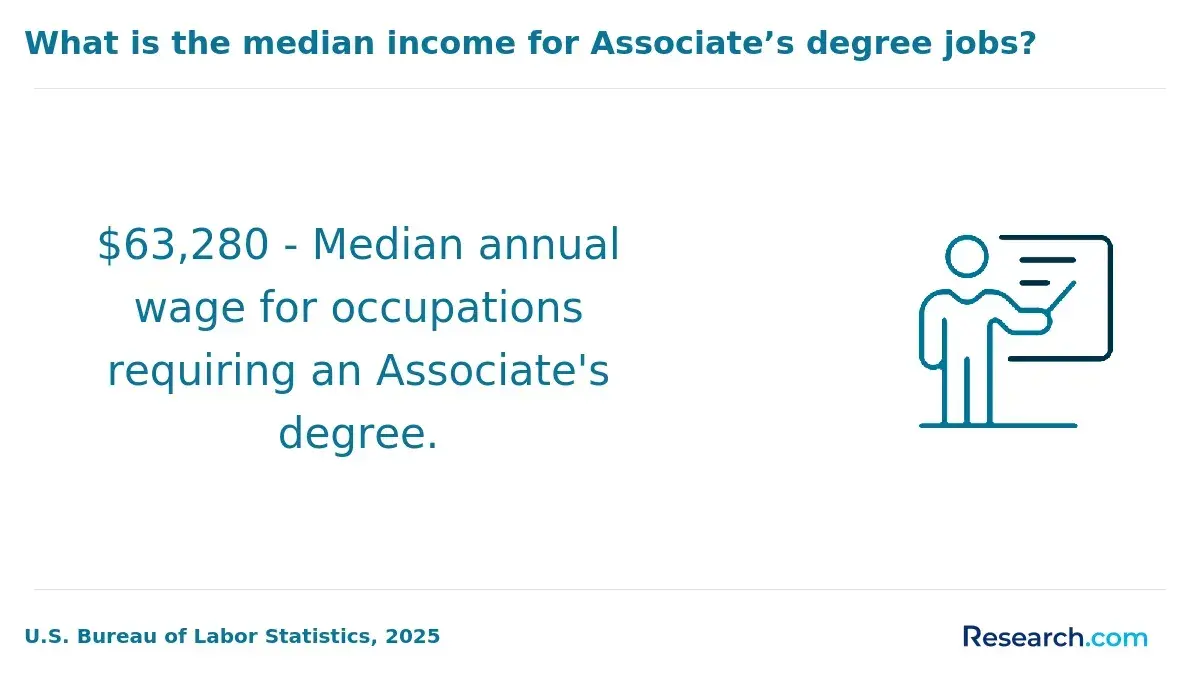
Fast online certifications range from low-cost monthly subscriptions to college certificates priced by credit. Tuition is only one part of the decision: exam vouchers, books, software, proctoring, equipment, travel, and required clinical or lab experiences can materially change the total. Noncredit programs often do not qualify for federal student aid, while eligible credit-bearing programs at participating schools may.
Budget for the full pathway rather than the advertised enrollment price:
- Noncredit professional certificates: provider tuition or subscription fees, plus optional exam fees.
- College certificates: per-credit tuition, institutional fees, textbooks, and possible technology charges.
- Healthcare and skilled-trade programs: uniforms, tools, immunizations, background checks, lab supplies, and travel may be required.
- Industry certifications: training may be separate from the certification examination and renewal costs.
Ask whether employer tuition assistance, workforce grants, veterans education benefits, or payment plans apply before borrowing. Military-connected learners can also compare colleges for military spouses for flexible policies and support services; eligibility for benefits remains program- and student-specific.
What jobs can online certifications qualify you for?
Online certificates can support entry-level work, career changes, or advancement, but the outcome depends on the occupation and the credential's recognition.
Certificates are most useful when they teach a clearly requested skill, prepare learners for a recognized exam, or meet an employer's stated training requirement. They are less sufficient when a role requires a degree, license, apprenticeship, security clearance, or substantial experience.
The following examples show how to interpret certificate-to-job claims realistically:
| Certificate focus | Potential job direction | Important qualification check |
| Medical billing and coding | Billing specialist or coding support role | Employers may prefer an industry certification and experience |
| IT support | Help desk or technical support role | Vendor certifications and hands-on troubleshooting can strengthen candidacy |
| Bookkeeping | Bookkeeping or accounts-payable support | Software proficiency and local employer expectations vary |
| Paralegal studies | Legal assistant or paralegal support | Education, experience, and employer standards vary; it does not permit legal practice |
| Digital design | Junior design or content-production work | A portfolio is commonly central to hiring decisions |
Read at least 20 current job postings in your target area before enrolling. Note the degree level, named software, licenses, certifications, and experience employers request. That simple check can reveal whether a quick certificate is enough for entry or should be paired with a portfolio, internship, exam, or degree plan.
Which online certifications pay the most?
The online certifications with the strongest earning potential are usually connected to experienced technical, healthcare, project-management, or cybersecurity work - not simply to the shortest training. The BLS reported a 2024 median annual wage of $124,910 for information security analysts.
That occupation generally requires more than a beginner certificate: employers commonly seek related experience, technical skills, and often a bachelor's degree, while certifications can help demonstrate specialized knowledge.
Higher-paying credential paths tend to share three traits: a recognized exam or standard, difficult-to-replace technical capability, and a role with clear responsibility. Advanced cloud, cybersecurity, data, and project-management certifications may be valuable for professionals who already have foundational experience.
Beginners should be cautious about expensive programs advertising high salaries without explaining required experience. Compare local job postings and identify the minimum credential actually requested before investing.
How do you verify accreditation and licensing rules?
Verify accreditation and licensing before enrollment, especially for healthcare, teaching, counseling, legal services, and skilled trades. Institutional accreditation evaluates a college as a whole; programmatic accreditation evaluates a specific discipline; state licensure determines whether a person may legally perform certain work.
None of these terms is interchangeable, and a school's general accreditation does not automatically make every online program licensure-eligible in every state.
Take these steps before making a deposit:
- Locate the school in the U.S. Department of Education's accreditation database and confirm the accreditor's status.
- Visit your state licensing board's website and identify the education, clinical-hour, examination, and supervision rules for your target role.
- Ask the program for a written statement about whether it meets requirements in your state.
- Check the independent certifying body's eligibility rules, including education, experience, and exam requirements.
- Save written answers and catalog pages in case program claims later differ from your enrollment terms.
A major red flag is a provider that promises a license, job, or certification exam eligibility without naming the relevant board or certifying organization. Another is a school that will not disclose where students may enroll or complete required fieldwork.
How do you choose a reputable online certificate program?
A reputable fast-admission program makes its credential, admissions process, total cost, instructional format, and outcomes easy to understand. The best choice is not automatically the one that accepts you first; it is the one that matches your target job, available time, budget, and any licensing or degree plan.
Compare finalists using these decision criteria:
- Choose a noncredit or vendor certificate when you need a specific, employer-recognized skill quickly and do not need college credit.
- Choose a credit-bearing college certificate when you may stack credits into an associate or bachelor's degree or need institutional aid eligibility.
- Choose a program with required in-person components when hands-on competency, clinical practice, or licensing rules demand it.
- Choose a longer degree, apprenticeship, or supervised pathway when job postings consistently require one.
- Walk away from programs that conceal fees, use vague accreditation claims, guarantee employment, or pressure you to enroll before answering licensing questions.
Request a sample syllabus, completion policy, refund policy, and a written estimate of all required expenses. Then compare the credential against real job postings - not just promotional testimonials. This approach keeps fast admissions from becoming a rushed financial decision.
Other Things You Should Know About
Some noncredit and self-paced programs allow immediate enrollment. Credit-bearing college certificates often require an application and document review, even when they use rolling admissions.
They can be, but legitimacy depends on the provider, credential type, employer recognition, and - where relevant - accreditation or licensing approval. Verify claims independently before enrolling.
Some eligible credit-bearing certificates at participating institutions may qualify for federal aid. Many noncredit and vendor certificates do not, though payment plans, employer assistance, or workforce funding may be available.
No. A certificate is usually awarded after completing an educational program. A professional certification is awarded by a certifying organization after meeting its standards, which may include an exam, experience, or continuing education.
References
- 4 Reasons Why Accelerated Training Is Valuable | United Career Institute | September 2019 https://unitedcareer.edu/the-value-of-accelerated-training/
- Efficacy of Certification Programs: A Critical Analysis | GSX https://gsxcorp.com/insights/blog/efficacy-of-certification-programs/
- The Rise of Online Certifications: Are They the Future of Professional Learning? | Adding Value Consulting https://www.addingvalue.nu/post/the-rise-of-online-certifications-are-they-the-future-of-professional-learning-018
- Best Six Sigma Certification Courses (2026 Edition) | Top Six Sigma Certifications https://www.6sigmacertificationonline.com/best-six-sigma-certification-courses/
- 2025's Best Online Graduate Certificate Programs in the U.S. https://www.onlinemastersdegrees.org/graduate-certificate-programs/
- Are online education programs worth it? Understanding their value - MSU Denver https://www.msudenver.edu/innovative-lifelong-learning/blog/are-online-education-programs-worth-it-understanding-their-value/
- Choosing an Online Certification Course: A Step-by-Step Guide https://www.qahe.org/article/choosing-an-online-certification-course-a-step-by-step-guide/
- Business Certification & IT Schools in the US Industry Analysis, 2025 https://www.ibisworld.com/united-states/industry/business-certification-it-schools/1536/