2027 Best Microcredentials for Remote Jobs

Co-Founder and Chief Data Scientist
Choosing a short credential for remote work is difficult because provider quality, employer recognition, and job fit vary widely. The U.S. Census Bureau data released in 2024 showed that 13.8% of workers primarily worked from home in 2023, confirming that remote work remains a meaningful part of the labor market.
This guide helps career changers, working adults, and new entrants compare microcredentials by skills, cost, delivery, credibility, and realistic career outcomes, before investing time or money.
Key Things You Should Know
- The strongest remote-job microcredentials build demonstrable skills, such as data analysis, digital marketing, IT support, project coordination, UX design, or bookkeeping, and end with portfolio work, assessments, or an industry-recognized certification pathway.
- Most nondegree microcredentials take weeks or months rather than years, but they are not automatically college credit, transferable, eligible for federal aid, or sufficient for licensed occupations.
- For salary context, the U.S. Bureau of Labor Statistics reported a 2024 median annual wage of $104,420 for computer and information technology occupations. A short credential can support entry into the field but does not by itself qualify someone for every role in that category.
Top 10 Best Microcredentials for Remote Jobs
Popular Trade School Programs
Trade certificates and associate degrees can support remote-adjacent work, particularly estimating, drafting, construction project coordination, supply-chain operations, and technical customer support. Examples include computer-aided design drafting certificates, logistics certificates, construction management certificates, and associate degrees in business operations.
These programs fit learners who want practical, applied training but may not suit people seeking fully remote hands-on trades such as welding or electrical work. Confirm whether coursework includes software used by employers, such as CAD, spreadsheets, scheduling tools, or estimating platforms, and whether a local practicum is required.
Healthcare Programs
Healthcare microcredentials can prepare learners for remote-support functions such as medical billing, coding preparation, health information management support, patient scheduling, and telehealth coordination. Certificate programs in medical billing and coding are educational credentials; credentials such as Certified Professional Coder are separate professional certifications with their own exam requirements.
An associate degree may be a better fit for health information roles that request broader coursework. Clinical jobs generally require hands-on training, state authorization, or licensure and should not be assumed to be remote simply because a program is online.
Criminal Justice / Law Programs
Legal studies certificates, paralegal certificates, compliance programs, and associate degrees in criminal justice can support remote-friendly work in legal operations, document review, claims support, investigations support, and compliance administration. A paralegal certificate does not create authority to practice law, and requirements for paralegal employment vary by employer and jurisdiction.
Learners should prioritize programs that teach legal research, writing, e-discovery, records management, and confidentiality practices. For positions requiring court appearances, law-enforcement authority, or professional licensure, a short online credential is usually not enough.
Arts & Design Programs
Graphic design, UX/UI design, digital marketing design, video editing, and web content certificates can be especially compatible with remote freelance or in-house work. Employers often evaluate a portfolio more closely than the credential title, so choose programs with feedback, real briefs, accessible software, and publishable projects.
An associate degree can provide more foundations and studio time, while a focused microcredential is often better for adding one tool or specialty. Avoid programs that promise employment without explaining portfolio expectations, revision skills, client communication, and intellectual-property practices.
What are microcredentials and how do they prepare you for remote work?
A microcredential is a focused, short-form credential that verifies learning in a defined skill area. It may be issued by a college, university, professional association, technology company, or training provider. Unlike a degree, it usually covers a narrower body of knowledge; unlike a professional certification, it commonly reflects course completion rather than an independent examination and ongoing renewal requirements.
For remote work, the best microcredentials pair technical capability with evidence that an employer can inspect: a capstone, work sample, simulation, assessment score, or certification exam preparation. They are useful for people who already have transferable experience and need targeted proof of current skills.
Someone who needs a broad academic foundation or access to occupations requiring a degree should compare fast online degrees that pay well instead of assuming a short program will provide the same access.
Remote work also requires self-management, written communication, digital collaboration, and security awareness. A credential that teaches only a software tool may be too narrow unless it includes applied projects and a clear occupational target.
Which remote-friendly careers align best with microcredentials instead of degrees?
Microcredentials work best when employers can hire based on skills, portfolios, work samples, or an entry-level industry certification rather than a regulated degree requirement. They are less suitable for occupations that legally require a license, clinical placement, or advanced academic preparation.
The comparison below separates roles where a focused credential can be a practical starting point from roles where it is more often an add-on to prior education or experience.
| Remote-friendly path | Useful microcredential focus | When it is a realistic fit | Important limitation |
| IT support | Networking, operating systems, troubleshooting, help-desk tools | Entry-level support roles and career changers with customer-service skills | Employers may prefer a certification and hands-on troubleshooting practice |
| Data or business analytics | Spreadsheets, SQL, dashboards, data visualization | Analyst-support roles with a project portfolio | Many analyst roles still prefer a degree or prior business experience |
| Digital marketing | SEO, analytics, paid media, email campaigns, content strategy | Portfolio-based agency, coordinator, and freelance work | Results and campaign samples matter more than course completion alone |
| Bookkeeping | Accounting basics, cloud bookkeeping software, payroll concepts | Small-business support and junior bookkeeping work | Tax representation and CPA work have separate requirements |
| Project coordination | Agile methods, scheduling, documentation, collaboration tools | Administrative professionals moving into coordination | Project manager roles often require substantial experience |
For learners who need a credential with wider employer screening value, accelerated bachelors degree programs for adults may be a stronger alternative, especially in business, technology, or communications.
How do you compare online microcredentials versus campus-based certificates for remote jobs?
Online and campus-based certificates can teach similar material, but they solve different problems.
Online delivery is usually better for working adults who need asynchronous access and are pursuing software-based remote roles. Campus or hybrid learning can be better when equipment, supervised practice, employer relationships, or live critique materially improve learning.
This comparison helps separate delivery convenience from actual credential value.
| Factor | Online microcredential | Campus-based or hybrid certificate |
| Schedule | Often asynchronous and flexible | Usually fixed meeting times or lab sessions |
| Best for | Digital skills, career upskilling, remote workers | Hands-on practice, equipment access, structured support |
| Networking | May require intentional virtual networking | May provide local employer and instructor access |
| Cost factors | Tuition, platform fees, software, exam fees | Tuition plus commuting, facilities, materials, and possible lab fees |
| Remote-job evidence | Strong when projects are shareable and assessed | Strong when projects and placements translate into a portfolio |
Do not assume "online" means fully self-paced; some programs use live sessions, proctored examinations, group work, or required internships. If your goal requires broader academic credit, compare affordable online degree programs alongside certificate options.
What accreditation and quality standards should remote microcredential programs meet?
Quality standards depend on who issues the credential. A college-based, credit-bearing certificate should come from an institution accredited by an agency recognized by the U.S. Department of Education or the Council for Higher Education Accreditation. Programmatic accreditation may matter in specific fields, but it is not relevant to every technology, business, or design microcredential.
For noncredit programs, evaluate transparent evidence rather than assuming institutional accreditation applies. A reputable provider identifies instructors, learning outcomes, assessment methods, total costs, refund terms, technology requirements, and the exact credential awarded.
If a program claims alignment with an employer or certification body, verify whether the organization actually recognizes it as exam preparation, continuing education, or a preferred training route.
Common red flags include vague job-placement claims, pressure to enroll immediately, hidden subscription billing, no sample curriculum, and statements that completion automatically makes a learner certified or licensed. Ask for the credential's verification method and whether a digital badge can be independently validated.
What admission requirements, program length, and costs do top microcredentials typically have?
Requirements vary more by provider type than by subject. Many noncredit microcredentials have open enrollment and no GPA or standardized-test requirement.
College certificates may require an application, placement review, prerequisites, or prior coursework. Advanced technical programs can require existing knowledge, while certification-preparation programs may recommend work experience even when the course itself does not require it.
Typical ranges below are planning estimates, not standardized national prices. Use them to identify what to confirm in a provider's enrollment agreement, because subscriptions, software, assessments, and certification exams can substantially change the total cost.
| Credential format | Typical length | Common price structure | Credit status |
| Self-paced provider microcredential | Weeks to several months | Monthly subscription or one-time course fee | Usually noncredit |
| University professional certificate | Several months | Per-course or bundled program fee | Often noncredit; verify |
| Community college certificate | One or more terms | Per-credit tuition plus fees and materials | Often credit-bearing |
| Certification preparation course | Days to several months | Training fee plus separate exam and renewal costs | Usually noncredit |
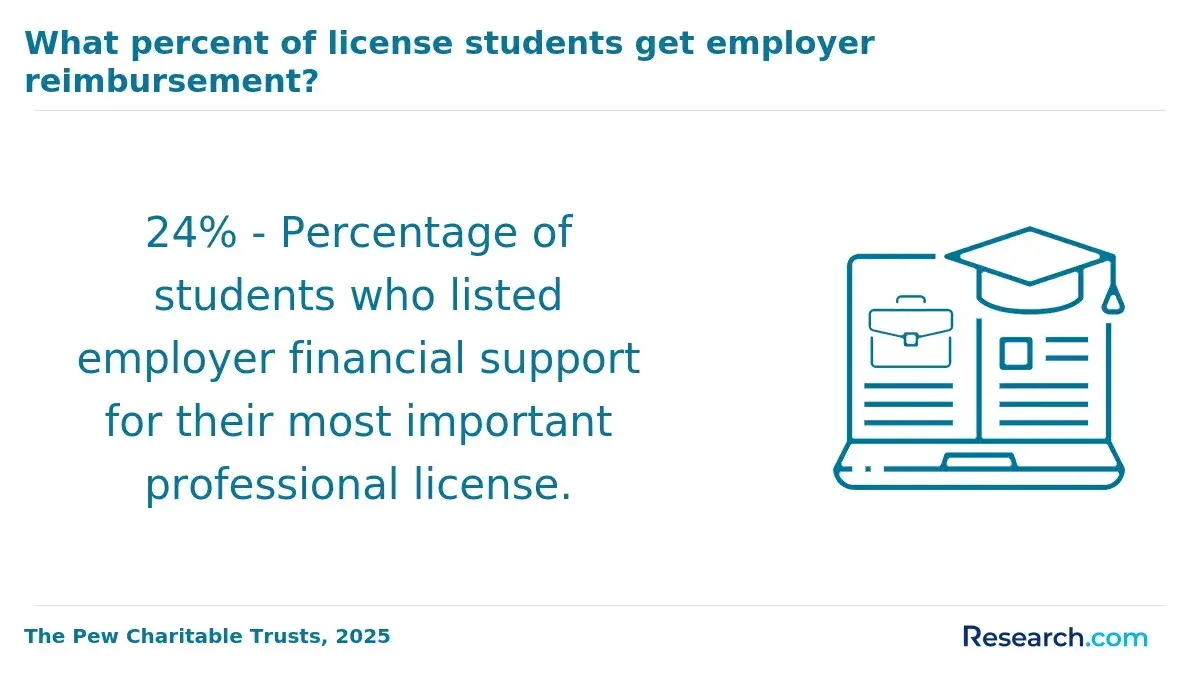
Before paying, request the complete cost through completion, including required hardware, software licenses, books, proctoring, retakes, and the separate fee for any certification examination. Federal student aid is not automatic for short or noncredit programs; ask the provider about eligibility, employer tuition assistance, payment plans, and workforce funding.
What core skills and coursework do leading remote-work microcredentials usually include?
Leading remote-work microcredentials teach more than isolated platform commands. They should help learners complete work in the way distributed teams actually operate: documenting decisions, managing files, protecting information, communicating asynchronously, and delivering outcomes without constant supervision.
Look for coursework that combines a job-specific specialty with durable remote-work skills.
- Technical or functional skills, such as SQL, cloud fundamentals, bookkeeping workflows, customer relationship management systems, design tools, or marketing analytics.
- Applied assignments that produce a dashboard, campaign brief, support-ticket simulation, project plan, code sample, design case study, or reconciled financial file.
- Written communication, including concise updates, documentation, handoffs, and professional client or stakeholder messages.
- Digital collaboration through version control, shared documents, task management, video meetings, and feedback workflows.
- Privacy, cybersecurity, and ethical data practices appropriate to the occupation and employer.
AI literacy is increasingly useful, but it should be taught as responsible workflow improvement rather than a substitute for judgment. Favor programs that address verification, confidentiality, copyright, bias, and disclosure when AI tools are used in professional work.
What salaries and earning potential can microcredential holders expect in remote roles?
Earning potential depends primarily on occupation, location, experience, employer, and the ability to demonstrate results - not on holding a microcredential alone. The U.S. Bureau of Labor Statistics reported that the 2024 median annual wage for computer user support specialists was $60,340. This is occupational wage information, not a predicted outcome for anyone completing an IT support course.
Microcredentials are most likely to improve earnings when they help a worker move into a more valuable task set, qualify for an employer's screening criteria, or create a credible portfolio.
For example, an administrative professional who adds project software and reporting skills may compete for coordination work, while a marketer who documents measurable campaign results may pursue more specialized roles.
Compare return on investment using the total education cost, time away from paid work, expected entry route, and local or remote job postings. Be cautious of providers that use a high salary figure from a broad occupation to market a beginner program without showing the experience level, education level, or job title behind that figure.
What industry certifications or licenses pair well with microcredentials for remote jobs?
Industry certifications can strengthen a microcredential because they are separate, standardized credentials that commonly require an examination and may require renewal. The best pairing depends on the target role; a certification should validate skills the microcredential helped you practice, rather than duplicate introductory content.
Consider these common pairings after confirming current exam eligibility, costs, and experience requirements directly with the certifying organization.
- IT support microcredentials can pair with CompTIA A+, Google IT Support preparation, or vendor-specific cloud fundamentals certifications, depending on the tools used by target employers.
- Cybersecurity foundations can pair with CompTIA Security+ for roles where employers recognize that certification; more advanced certifications may require experience.
- Project coordination programs can pair with Certified Associate in Project Management preparation or agile-focused credentials when the role uses those frameworks.
- Bookkeeping training can pair with software-provider certifications or professional bookkeeping credentials; these do not replace CPA licensure requirements.
- Medical coding education can prepare learners for coding certification exams, but eligibility and employer preferences differ among certifying bodies.
Licenses are different from certifications. Licensure is granted by a government authority and is required for certain regulated occupations. If a job involves clinical care, legal practice, teaching, engineering sign-off, or another regulated function, check the relevant state board before enrolling in an online program.
How can you evaluate and choose a reputable microcredential for long-term remote careers?
Choose a microcredential by working backward from a specific remote job target. Review at least 10 recent job postings for the role, identify repeated skills and certifications, then compare programs against those requirements. This prevents the common mistake of buying a popular credential that does not match actual hiring language.
A practical evaluation process should answer the following questions before enrollment.
- Define the target role, experience level, and whether it is truly remote, hybrid, contract-based, or location-restricted.
- Verify the provider, credential issuer, instructor expertise, assessment method, and whether the program is credit-bearing or noncredit.
- Calculate total cost, including subscriptions, equipment, software, exam fees, retakes, and lost work time.
- Inspect the curriculum for portfolio-ready projects, feedback, remote collaboration, and current tools used in job postings.
- Confirm what completion means: course certificate, digital badge, academic credit, exam preparation, or eligibility for a separate certification.
- Set a job-search plan that includes portfolio publication, resume updates, networking, and applications before the program ends.
If your long-term target requires managerial responsibility, specialized expertise, or a graduate credential, a short course may be a first step rather than the final qualification. Professionals with a completed bachelor's degree who need advanced specialization can also evaluate online master degree programs for a more substantial academic option.
The most credible choice is not necessarily the cheapest or fastest. It is the program that produces verifiable work, fits your schedule and budget, and maps clearly to the requirements of the remote roles you intend to pursue.
Other Things You Should Know About the Best Microcredentials
They can be worthwhile when they teach a clearly requested skill and provide portfolio evidence or preparation for a recognized certification. They are less valuable when the target occupation requires a degree, license, extensive experience, or supervised clinical training.
Many take weeks to several months, depending on pacing, prerequisites, project requirements, and whether the learner is preparing for a separate certification exam. Self-paced programs can be faster, but they require consistent independent study.
Usually not. A microcredential can help demonstrate a specific skill, while a degree offers broader academic study and may meet employer or graduate-school requirements. For portfolio-based and skills-screened entry paths, a microcredential may be enough to begin building relevant experience.
Name the credential, issuing organization, completion date, relevant tools, and one or two measurable projects. Include a portfolio link only when it contains polished work you are permitted to share, and clearly distinguish a course certificate from an independent professional certification.
References
- Explore Microcredentials for Career Growth | HirePaths https://hirepaths.com/blog/2024/09/02/explore-microcredentials-career-growth
- Micro Credentials Are the Future of Skills-Based Training https://skillpointe.com/news-and-advice/micro-credentials-are-future-skills-based-training
- How can micro-credentials help employee development? https://employmenthero.com/blog/micro-credentials-employee-development/
- 7 Best Micro-Credentials for TEFL to Advance Your Career https://teflinstitute.com/blog/best-micro-credentials-for-tefl/
- Microcredentialing and the role it will play in the future of work https://standtogether.org/stories/future-of-work/microcredentialing-and-the-role-it-will-play-in-the-future-of-work
- How Microcredentials Are Revolutionizing the Higher-Education Business Model https://manhattan.institute/article/how-microcredentials-are-revolutionizing-the-higher-education-business-model