2027 Best Online Career Training Programs for Career Changers

Co-Founder and Chief Data Scientist
Changing careers is expensive when training does not lead to a realistic next step. Online career programs can shorten the route into fields such as healthcare, skilled trades, legal support, and design, but quality and licensure fit vary widely. The U.S. Bureau of Labor Statistics (BLS) projects healthcare occupations to grow much faster than average from 2023 to 2033. This guide helps career changers compare program types, delivery models, costs, credentials, and likely job paths before enrolling.
Key Things You Should Know
- Choose training backward from the target job: regulated roles such as nursing, HVAC work, and paralegal work may require approved education, supervised practice, an exam, or a state credential beyond a completion certificate.
- Program length ranges from a few months for noncredit career training to about two years for many associate degrees; compare total costs, equipment, exam fees, clinical travel, and lost work time - not tuition alone.
- BLS projections for 2023-2033 show strong demand in several career-change fields, but occupational pay data describes the job overall and does not guarantee outcomes for certificate or associate-degree graduates.
Top 10 Best Online Career Training Programs for Career Changers
Popular Trade School Programs
Online trade training works best for theory-heavy instruction paired with local labs, apprenticeships, or employer-supervised fieldwork. Common choices include HVAC technician certificates, electrical technology certificates, welding certificates, construction management certificates, and associate degrees in industrial maintenance.
HVAC and electrical learners should confirm whether the program meets state or local licensing prerequisites; an online certificate alone rarely authorizes independent work. A credit-bearing associate degree may support longer-term advancement, while a short noncredit program can suit an employer-sponsored entry route.
Healthcare Programs
Healthcare career changers often find online medical billing and coding, health information technology, pharmacy technician, medical assisting, and practical nursing pathway programs. Clinical occupations usually require hybrid instruction because skills checkoffs and clinical placements cannot be completed entirely online.
Coding certificates can prepare learners for voluntary industry certification exams, but employers may still prefer experience. Before enrolling, verify that a nursing, assisting, or technician program is approved for the state where you intend to work and ask whether the school arranges clinical placements.
Criminal Justice / Law Programs
Online options include criminal justice certificates or associate degrees, legal studies certificates, paralegal studies programs, and cybersecurity-focused public safety training. A paralegal certificate is an educational credential; it is not a law license, and paralegals work under attorney supervision.
Some employers prefer programs approved by the American Bar Association, although approval is not required for every paralegal job. Criminal justice programs can build foundations for corrections, dispatch, security, or administrative roles, but police and federal positions commonly add agency-specific screening and academy requirements.
Arts & Design Programs
Career changers can study graphic design, UX/UI design, web design, digital marketing design, animation, or photography through online certificates and associate degrees. Portfolio quality usually matters more than the credential title for creative hiring, so prioritize programs with project critiques, software access, and portfolio review.
A short professional certificate can help a learner test the field or update software skills; an associate degree provides broader design foundations and may carry transferable credit. Confirm ownership rights for student work and whether instructors provide industry-relevant feedback.
What is an online career training program and who is it best suited for?
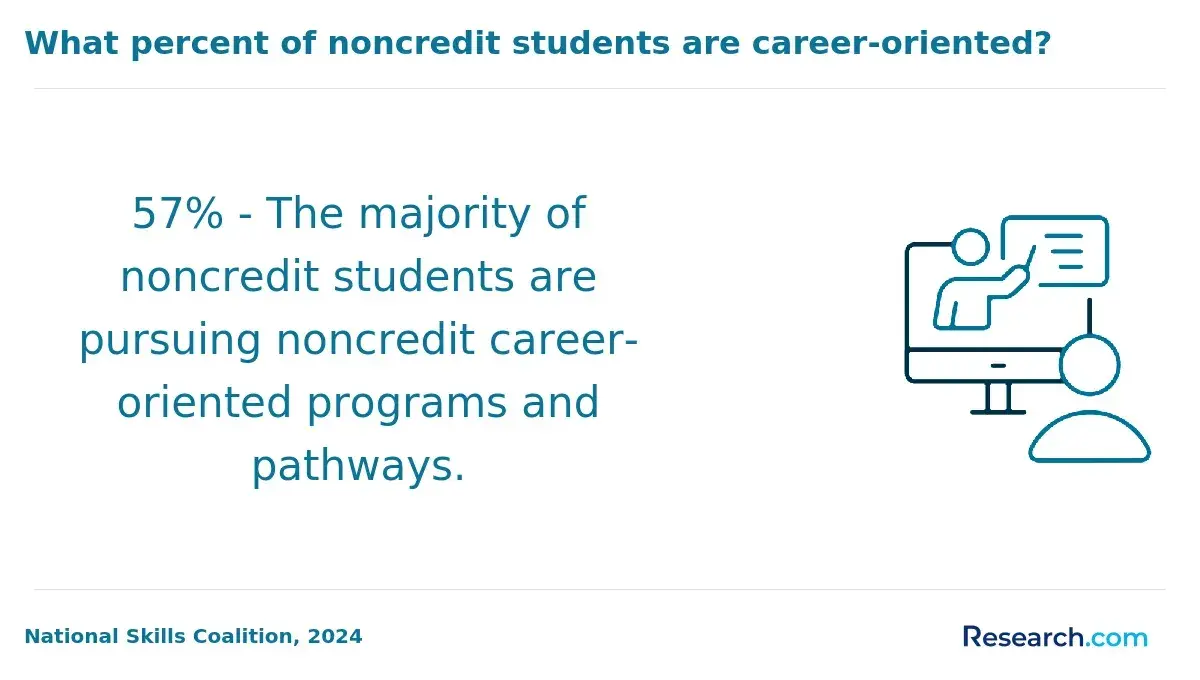
An online career training program is a structured program designed to build job-related knowledge or practical skills for a specific field. It may be a college certificate, an associate degree, a noncredit workforce program, a provider-issued professional certificate, or training that prepares students for an external certification examination. These are not interchangeable credentials.
It is generally best suited to adults who have identified a target role, need schedule flexibility, and can learn independently while meeting deadlines. It is less suitable for someone pursuing a licensed occupation that requires extensive in-person clinical, laboratory, or apprenticeship hours unless the program has an approved local placement model.
Learners seeking broad career mobility may benefit more from an associate or bachelor's degree; compare options alongside best 4 year degrees when a long-term degree path better fits the occupation.
The comparison below distinguishes common training routes and their practical trade-offs.
| Training route | Typical purpose | Best for | Key limitation |
| Noncredit career training | Focused job skills | Fast entry or skill updates | Usually does not transfer for college credit |
| College certificate | Academic or workforce preparation | Entry-level fields and stackable study | May not meet licensing rules by itself |
| Associate degree | Broader technical education | Fields needing general education and clinical or lab work | Longer and often costlier |
| Professional certification | Validation by a certifying body | Roles with recognized industry exams | May require an exam, experience, or renewal |
How do online career training programs compare to campus-based options for adult learners?
For adult learners, online training can reduce commuting and allow asynchronous coursework around work or caregiving. Campus-based programs usually offer more immediate access to labs, equipment, instructors, and peer practice. The strongest option depends on whether the target job requires hands-on competency verification.
Online programs are often a good fit for medical coding, bookkeeping, IT support, legal research, project coordination, and design theory. Hybrid or campus options are generally safer for welding, electrical work, nursing, dental assisting, imaging, and other fields requiring practical assessment. Programs that promise fully online preparation for a hands-on licensed role deserve close scrutiny.
This comparison shows the decision factors that matter more than convenience alone.
| Factor | Online or hybrid advantage | Campus-based advantage |
| Schedule | Recorded lessons and flexible study windows | Set routine can improve accountability |
| Hands-on training | Local placement may preserve work flexibility | On-site labs and equipment access |
| Networking | Access may extend beyond one region | Face-to-face employer and instructor connections |
| Career services | Virtual coaching can be convenient | Local employer relationships may be stronger |
| Cost | Potential savings on commuting and housing | May avoid technology or placement travel costs |
Adults who want to compare institutional formats can review popular online colleges, then verify that each program - not only the institution - fits the intended occupation and state.
How can career changers evaluate accreditation and program quality for online training?
Accreditation and quality review should start with the career outcome, not with advertising language. Institutional accreditation evaluates an eligible college or school as a whole; programmatic accreditation evaluates specific professional programs. A noncollege provider may be legitimate without institutional accreditation, but it should clearly explain what credential it awards, who recognizes it, and whether it prepares students for a named examination.
Use these checks before paying an enrollment deposit.
- Identify the exact target role, employer type, and state where you expect to work.
- Ask the relevant licensing board, certifying organization, or major local employers what education they accept.
- Verify institutional and programmatic accreditation through the accreditor or regulator, not solely through the school's website.
- Request written information on completion requirements, clinical or externship support, total charges, refund terms, and graduate outcomes.
- Confirm whether credits are transferable or stackable only with the receiving institution.
Red flags include vague claims of "national recognition," pressure to enroll immediately, no published curriculum, unclear clinical-placement responsibility, and salary promises. Quality programs can explain their credential, faculty qualifications, student support, technology requirements, and limits without implying guaranteed employment.
What admission requirements and prior experience do online career training programs typically expect?
Requirements depend on the provider and credential level. Noncredit courses may require only a working computer, basic English and math readiness, and payment. College certificates and associate degrees commonly require a high school diploma or equivalent, application materials, and placement or prerequisite coursework.
Programs involving patient care, public safety, or field placement can also require background checks, immunizations, drug screening, CPR training, physical capability documentation, or a minimum grade in prerequisite courses.
Prior experience is most useful for advanced technical certificates, accelerated programs, and certifications that set work-experience eligibility rules. Do not assume that prior work automatically earns academic credit; schools decide credit awards individually.
Applicants concerned about application costs can compare online colleges free application options, while still checking program-specific entry standards.
Career changers should also assess their own readiness. A self-paced program requires dependable weekly study time, comfort using learning platforms, and a plan for required daytime clinicals, labs, or proctored examinations.
How long do online career training programs take and what do they cost?
Completion time can range from several weeks for a narrow online course to about two years for a full-time associate degree. A certificate often takes several months to one year, but the published timeline may exclude prerequisites, waiting lists, clinical placement, exam preparation, or part-time pacing. Ask for a sample course sequence based on your availability.
Total cost should include more than tuition. Typical expenses include registration, books, software, tools, uniforms, lab supplies, background checks, certification exams, travel to clinicals or testing centers, and missed work hours.
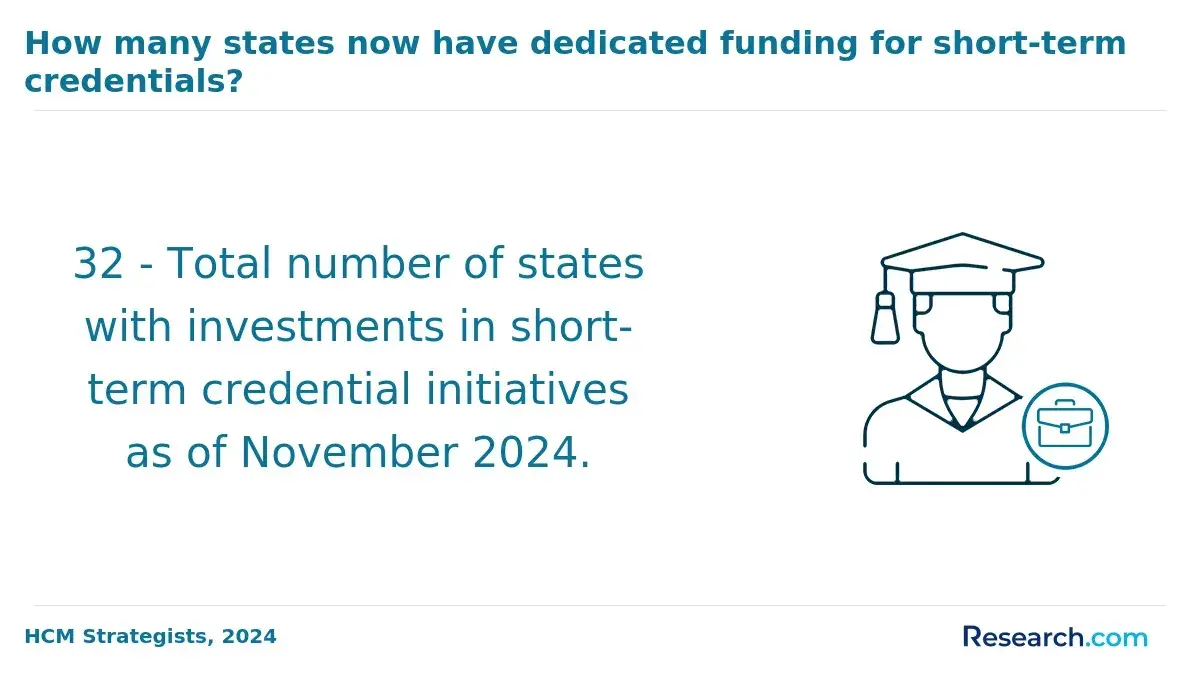
Federal student aid may be available for eligible credit-bearing programs at eligible institutions, while many short noncredit programs do not qualify. Employer tuition assistance, workforce grants, payment plans, and scholarships can reduce out-of-pocket cost, but terms vary.
Cost is only meaningful when matched to a credible job path. The table separates common cost drivers so applicants can compare written estimates consistently.
| Cost category | Why it matters | Question to ask |
| Tuition and mandatory fees | Base enrollment expense | What is the total amount through completion? |
| Materials and technology | Can be substantial in technical and design fields | Are software, kits, and equipment included? |
| Clinical, lab, or travel costs | Often omitted from online marketing | Where are placements and in-person sessions held? |
| Exam and credential costs | May be required after training | Which exams, renewals, or retakes are separate? |
| Opportunity cost | Reduced work hours can affect affordability | Can coursework and placements fit my schedule? |
Very short programs can be worthwhile for a defined skill gap, but they are not substitutes for a degree or supervised pathway when employers or regulators require one. Conversely, a long degree may be unnecessary when a recognized certification and demonstrable skills meet the entry requirement.
What coursework and learning formats do online career training programs usually include?
Most online career programs combine asynchronous modules, readings, quizzes, recorded demonstrations, discussion activities, and instructor feedback. Programs with practical requirements may add live virtual sessions, simulations, skills labs, supervised externships, clinical rotations, apprenticeships, or proctored exams.
"Online" describes how some instruction is delivered; it does not always mean every requirement can be completed remotely.
Before enrolling, review the syllabus and ask how competency is assessed. Strong programs evaluate learners through applied projects, case studies, portfolios, demonstrations, or supervised performance rather than relying only on multiple-choice quizzes.
In design and technology fields, AI tools are increasingly part of workplace workflows, so candidates should seek instruction on ethical use, verification, privacy, and documenting their own work.
Plan weekly time realistically. A program marketed as flexible can still have fixed deadlines, group meetings, office hours, lab dates, and placement shifts that conflict with a full-time job.
What licensing, certification, or exam requirements apply to common career-change fields?
Licensure, certification, and certificates serve different purposes. A school-issued certificate confirms completion of a program. A professional certification is awarded by an outside certifying organization after its eligibility standards are met, often including an examination. A license is government authorization to practice a regulated occupation and is controlled by a state or other jurisdiction.
Requirements vary by occupation and location, so prospective students should verify them before choosing a program. The following examples show why the distinction affects enrollment decisions.
| Field | Common post-training requirement | Important caution |
| HVAC | EPA Section 608 certification for work involving regulated refrigerants | State or local contractor licensing may add requirements |
| Nursing and practical nursing | Board-approved education and NCLEX examination | Online coursework does not replace required clinical education |
| Medical coding | Optional industry certification examination | Eligibility and employer preferences differ by credential |
| Paralegal studies | Usually no state license for paralegals | Employers may prefer particular education or experience |
| IT support or cybersecurity | Vendor-neutral or vendor-specific certification may help | Certificates do not replace job-specific skills or experience |
Never rely on a recruiter's verbal assurance that a program "qualifies" you. Get the applicable board or certifier requirement in writing, and confirm whether online students in your state are eligible for licensure, testing, and placement.
What job roles, salary ranges, and advancement paths can these programs lead to?
Career outcomes depend on the role, region, employer, experience, licensing status, and local demand. BLS occupational data is useful for comparing the labor market, but it is not evidence that completing any particular online program produces a stated wage. For example, BLS reported a May 2024 median annual wage of $67,310 for medical records specialists and $62,350 for paralegals and legal assistants.
These figures describe workers in those occupations nationally, not entry-level earnings or program-graduate outcomes. The table connects common training routes to realistic first-step roles and advancement questions.
| Program focus | Possible entry direction | Potential advancement path |
| Medical billing and coding | Billing, coding, or revenue-cycle support | Specialty coding, auditing, compliance, or health information management |
| HVAC or electrical technology | Helper, installer, technician trainee, or apprentice | Licensed technician, supervisor, estimator, or contractor where eligible |
| Paralegal studies | Legal assistant or paralegal support | Practice-area specialization, litigation support, or law-school pathway |
| Graphic or UX design | Junior designer, production artist, or freelance project work | Portfolio-led specialization, senior design, product design, or creative management |
| IT support | Help desk or technical support | Network, cloud, cybersecurity, systems, or project roles |
For a major career pivot, evaluate whether the target occupation needs only a short credential or a broader degree. Professionals pursuing advanced academic study later may explore 1 year PhD programs online free possibilities carefully, recognizing that "free" claims, admissions standards, residency requirements, and actual completion times need independent verification.
How can prospective students choose a reputable online career training program aligned with their goals?
A reputable program aligns its curriculum, credential, delivery method, and student support with one clearly defined employment goal. The best option is not necessarily the fastest or least expensive; it is the one that meets the target role's actual entry requirements without adding unnecessary debt or delay.
Use this practical selection process to narrow your options.
- Write down the exact job title, work setting, preferred location, and minimum credential required by several current employers.
- Check whether the occupation requires a license, external certification, apprenticeship, clinical experience, security clearance, or portfolio.
- Compare at least three programs using total cost, completion timeline, live-session requirements, local placement support, credential type, and refund policy.
- Verify accreditation, approvals, and exam eligibility directly with the relevant accreditor, board, or certifying organization.
- Ask for written outcomes information, including how outcomes are defined and whether figures include all enrolled students or only respondents.
- Choose a manageable schedule and keep a financial buffer for equipment, exams, travel, and delayed placement dates.
Common mistakes include selecting a program based only on a short advertised timeline, confusing a completion certificate with a professional certification, assuming credits will transfer, and overlooking required in-person components.
Avoid schools that make job guarantees, cannot identify the credential issuer, or will not provide a complete cost estimate in writing.
Other Things You Should Know About
Sometimes. An online certificate can support entry into fields where employers value targeted skills, portfolios, or recognized exam preparation. It may not be enough for licensed healthcare, trade, or public-safety roles that require approved practical training, examinations, or supervised experience.
Employers typically care most about whether the training taught relevant skills, came from a credible provider, meets any regulatory requirement, and is supported by experience, a portfolio, or certification. Delivery format alone is usually less important than job readiness.
The fastest suitable option depends on the role. Medical billing and coding, IT support, bookkeeping, digital marketing, and design software training can often be completed faster than regulated clinical or skilled-trade pathways. Verify local employer demand before choosing speed over fit.
Choose a certificate when you need focused, lower-commitment training for a role with clear entry requirements. Choose an associate degree when the field requires broader technical education, clinical preparation, transferable college credit, or stronger long-term advancement options.
References
- Career Coach for Millennials | Eliana Goldstein https://www.elianagoldsteincoaching.com/
- Key Facts to Know About Career Training Programs vs. Degree Programs https://blackstone.edu/career-training-programs-vs-degree-programs/
- CourseCareers https://coursecareers.com/blog-posts/7-best-online-career-training-programs-for-beginners
- How to Choose the Best Education Training Program for You | Climb Credit https://climbcredit.com/resources/education/best-education-training-programs/
- The Biggest Advantage to Online Training: Choices https://protrain.edu/the-biggest-advantage-to-online-training-choices/
- Online Schools with Success Coaches: Finding the Right Support for Adult Learners https://lakewood.edu/online-schools-with-success-coaches-finding-the-right-support-for-adult-learners/
- Best Online Courses to Take to Get a Job https://quickcv.io/blog/best-online-courses-to-get-a-job
- Top Careers for Psychology Master's Graduates https://www.onlinemastersdegrees.org/best-programs/for-career-changers/
- The Easiest Careers to Switch To in 2026: Proven Fast-Track Transitions That Actually Work | AscendurePro https://ascendurepro.com/the-easiest-careers-to-switch-to/
- Why would you choose a career training program? - Great Jobs KC https://greatjobskc.org/why-would-you-choose-a-career-training-program/