2027 Best Stackable Credentials With Rolling Admissions

Co-Founder and Chief Data Scientist
Choosing training that can start soon without closing off future education is a practical challenge for career changers, working adults, and recent graduates. Stackable credentials let learners earn a short certificate, build usable skills, and apply eligible credits toward a larger certificate or degree. The U.S. Bureau of Labor Statistics projects healthcare support occupations to grow faster than average from 2024 to 2034, making flexible, career-focused pathways especially relevant.
This guide compares strong stackable options, explains rolling admissions, and shows how to verify cost, recognition, and career fit before enrolling.
Key Things You Should Know
- Choose credit-bearing stackable certificates when you may later want an associate or bachelor's degree; confirm in writing which courses transfer and their time limits.
- Rolling admissions can shorten the wait to begin, but programs may still have cohort dates, clinical-placement deadlines, prerequisite rules, or limited seats.
- High-return paths often combine a college certificate with an employer-recognized certification or state license; BLS occupation data should be treated as role-level context, not a salary promise.
Top 10 Best Stackable Credentials With Rolling Admissions
Popular Trade School Programs
Electrical, HVAC, welding, industrial maintenance, automotive technology, and construction management commonly offer stackable pathways. A learner may begin with an occupational certificate, add specialized coursework, complete an associate degree, or enter an apprenticeship. These programs fit people who want hands-on work and faster entry than a four-year degree. Check whether lab time is required, whether the curriculum prepares for a recognized exam, and whether local employers hire certificate holders. Apprenticeships may be a better value when they provide paid work and supervised experience.
Healthcare Programs
Common stacks include nursing assistant to practical nursing to registered nursing, medical billing and coding to health information technology, and phlebotomy to medical assisting. Healthcare credentials can lead to entry-level roles, but many patient-care jobs require state approval, supervised clinical hours, background checks, immunizations, and a licensing or certification exam. Choose a program based on the rules in the state where you intend to work, not just its advertised online convenience. Credit-bearing community-college pathways are often best for learners planning to progress into an associate degree.
Criminal Justice / Law Programs
Stackable options include criminal justice certificates, legal studies certificates, paralegal studies certificates, cybersecurity foundations, and emergency management coursework. These credentials may support roles such as records specialist, legal assistant, victim advocate, security coordinator, or entry-level compliance staff. They do not by themselves qualify someone to practice law, become a police officer, or meet every paralegal employer's preference. Learners should compare local hiring standards, background-screening requirements, internship access, and whether the credits can apply to an associate or bachelor's degree in criminal justice or legal studies.
Arts & Design Programs
Graphic design, digital media, UX design, web design, photography, animation, and interior design certificates can be stacked into diplomas or associate degrees. Portfolio quality usually matters as much as the credential, so favor programs with project feedback, current software access, and work samples you can keep. A noncredit bootcamp can build a portfolio quickly, while a credit-bearing certificate is more useful when you may continue toward a degree. Verify software costs, required equipment, and whether any state-specific interior design requirements affect your goal.
What Are Stackable Credentials?
Stackable credentials are intentionally connected education awards that build on one another. Instead of completing one long program before receiving any recognized result, a learner can earn a smaller credential first and use it as a step toward a higher-level certificate, diploma, associate degree, or occasionally a bachelor's degree.
A stack may include credit-bearing college certificates, industry certifications, licenses, apprenticeships, or noncredit training. These are not interchangeable. A certificate usually documents completion of an educational program. A certification is typically awarded by an independent professional body after a candidate meets standards, often including an exam. A license is government authorization required for certain work.
The most reliable stacks are documented in a school catalog or formal pathway map. The comparison below shows why the credential type matters before you enroll.
| Credential type | Usually issued by | Best use | Key question |
| College certificate | College or technical school | Academic or occupational training | Are the credits transferable into the next program? |
| Industry certification | Professional association, vendor, or certifying body | Validation of defined job knowledge or skills | Does the target employer recognize it? |
| State license | State licensing board or agency | Legal authority to work in regulated roles | Does the program meet your state's eligibility rules? |
| Noncredit microcredential | College, employer, or training provider | Focused upskilling | Can it convert to credit, if that matters to you? |
Stackability is valuable only when the next step is real, affordable, and accepted. Ask whether credits have a minimum grade requirement, an expiration date, residency requirement, or limit on how many external credits the receiving institution will accept.
Which Stackable Credentials Offer the Best Career Returns?
The best return is not simply the shortest program or the credential attached to the largest salary figure. It is the pathway that matches a real local hiring requirement, keeps your upfront cost manageable, and gives you a credible next step if entry-level work alone is not enough.
Occupational data can help frame demand. The BLS projects employment for medical assistants to grow 12% from 2024 to 2034, faster than the average for all occupations. That supports interest in medical-assisting pathways, but learners should still verify state rules, employer preferences, clinical requirements, and the availability of jobs in their area.
These pathways tend to offer stronger practical value when their entry credential has a clear labor-market purpose.
| Pathway | First stackable step | Typical next step | Best for |
| Skilled trades | Safety, basic electrical, HVAC, welding, or maintenance certificate | Apprenticeship, advanced certificate, or associate degree | Learners seeking hands-on work and employer-sponsored progression |
| Healthcare support | Nursing assistant, phlebotomy, billing, or medical assisting certificate | Specialty certification, practical nursing, or health-information degree | People comfortable with regulated settings and patient-service work |
| Information technology | IT support, networking, data analytics, or cybersecurity certificate | Vendor certification or associate/bachelor's degree | Career changers who can build demonstrable technical skills |
| Business operations | Bookkeeping, project coordination, supply chain, or HR certificate | Professional certification or business degree | Workers seeking transferable office and operations skills |
For advanced academic goals, compare the cost and admissions standards of a stack against longer programs. Learners who ultimately need doctoral study can also review cheap PhD programs online before investing in credits that may not fit a future graduate-school plan.
A lower-return choice is a standalone credential with vague job titles, no portfolio or clinical component where one is expected, and no published relationship to further study. Avoid programs that promise placement, licensing, or earnings without explaining the conditions.
How Do Rolling Admissions Programs Work?
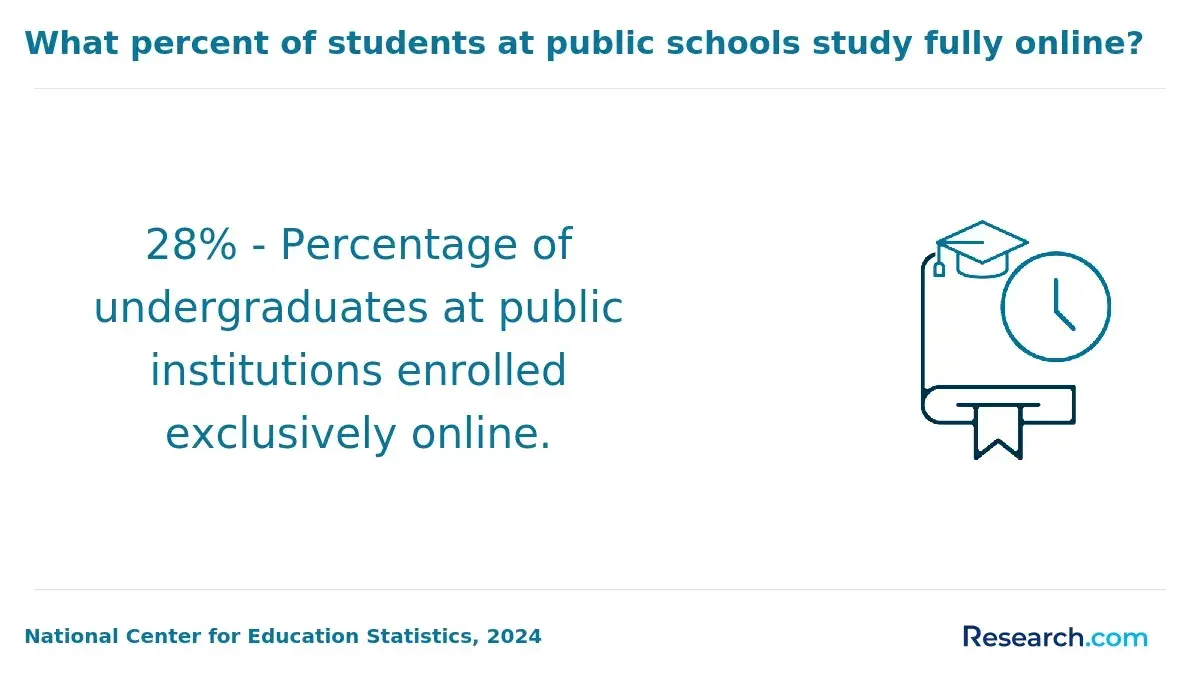
Rolling admissions means a school reviews applications as they arrive instead of waiting for one fixed deadline. Accepted students may be offered the next available start date. This can be useful when you need to begin soon, but it does not mean every program starts immediately or has unlimited space.
Programs with labs, cohorts, internships, clinical placements, or licensing requirements often use rolling review while maintaining fixed starts. Submit materials early because seats, financial aid processing, and required orientation slots can fill before a published deadline.
Use this sequence to distinguish genuinely flexible enrollment from marketing language.
- Confirm the next start date, application cutoff, and whether your program has a cohort limit.
- Ask which prerequisites, placement tests, background checks, or health records must be completed before classes begin.
- Request a written credit-evaluation and stackability plan before paying a deposit.
- Compare withdrawal, refund, and course-repeat policies in case the accelerated schedule proves unmanageable.
If speed is your priority, compare programs advertised as online colleges starting this month, then verify whether the specific credential - not merely the institution - uses frequent starts.
What Accreditation Should These Programs Have?
Accreditation matters most when you need federal financial aid, transfer credit, a regulated license, or employer confidence in a college credential. Institutional accreditation evaluates the college as a whole. Programmatic accreditation evaluates a specific discipline and may be essential for fields such as nursing, medical assisting, diagnostic imaging, or some technical occupations.
Do not assume a school's institutional accreditation makes every program license-eligible. For regulated work, check the relevant state board and the program's official approval status. For an industry certification course, focus instead on whether the training provider is authorized or whether the curriculum aligns with the certification exam.
Before applying, get answers to these questions in writing.
- Is the institution accredited by an accreditor recognized by the U.S. Department of Education or Council for Higher Education Accreditation?
- Does this specific program hold any discipline-specific accreditation or state approval required for my intended role?
- Will completed courses transfer into the stated associate or bachelor's pathway, and what minimum grade is required?
- Does completion make me eligible for a separate certification or license exam, or are additional hours and experience required?
A major red flag is a provider that uses "accredited" without naming the accreditor, implies a certificate automatically grants a license, or refuses to provide the program's transfer and refund policies.
Are Online Or Campus Programs Better?
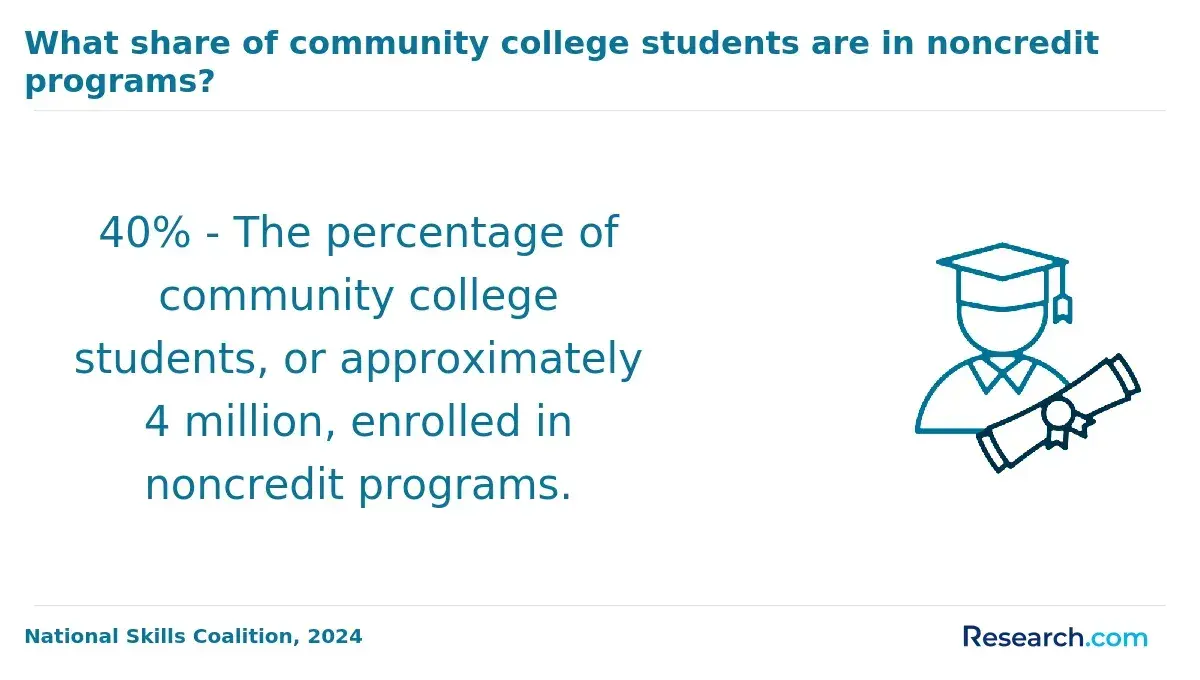
Online programs are usually better for theory-heavy, computer-based, or administrative credentials when you need schedule flexibility. Campus or hybrid programs are usually better when the work requires equipment, instructor observation, labs, studio critique, clinical skills, or employer-facing practice.
The delivery method should follow the occupation, not the convenience of the advertisement. For example, medical coding may work well online, while phlebotomy requires in-person practice and clinical arrangements. HVAC and welding require meaningful shop time; digital design can be largely online if the program provides strong portfolio feedback.
| Factor | Online may fit best when | Campus or hybrid may fit best when |
| Schedule | You need asynchronous coursework around work or caregiving | You can attend scheduled labs, studios, or clinical sessions |
| Skill development | Skills are software-based, analytical, or administrative | Skills require tools, simulations, patient contact, or supervised practice |
| Career preparation | You can build a portfolio or complete approved local experience | The school provides equipment, placements, and direct observation |
| Cost | You can reduce commuting or relocation costs | You need facilities that would be expensive to access independently |
Admissions flexibility is separate from academic readiness. If prior grades are a concern, compare online schools that accept low GPA and ask whether conditional admission, placement testing, or prerequisite completion applies to your chosen credential.
What Courses And Skills Do These Programs Cover?
Stackable programs usually begin with foundational knowledge, safety, communication, and job-specific tools. Later credentials add specialization, supervised practice, leadership, or more advanced technical concepts. The sequence should make sense: an introductory credential should establish skills required by the next credential rather than repeat unrelated classes.
Course titles vary, but strong occupational programs commonly develop the following skill categories.
- Technical foundations, such as electrical theory, medical terminology, coding systems, design software, or network fundamentals.
- Applied practice through labs, simulations, portfolios, case studies, internships, clinical experiences, or work-based learning.
- Workplace skills, including documentation, communication, teamwork, customer service, ethics, and problem solving.
- Career-readiness skills, such as preparing for an industry exam, assembling a portfolio, interviewing, or understanding workplace safety rules.
AI-related tools are increasingly part of workplace expectations in office, design, and technology roles. Look for programs that teach responsible use, verification, privacy, and workflow judgment rather than treating an AI tool as a substitute for subject knowledge. In regulated healthcare and legal settings, learners must understand confidentiality and when human review is required.
Ask for a course sequence and sample assignments. A curriculum is more credible when you can identify exactly what you will produce, practice, or demonstrate at each stage.
How Long Do They Take And What Do They Cost?
Completion time depends on credit load, prerequisites, clinical or lab scheduling, transfer credit, and whether courses are offered every term. A short noncredit course may take weeks, while a credit-bearing certificate commonly takes several months to about a year of part-time or full-time study. An associate degree generally requires a longer sequence because it includes general education and program requirements.
Cost should be evaluated as the total amount needed to reach your actual employment or education goal, not only the first certificate's tuition. The table identifies expenses that can change the value of an apparently low-cost program.
| Cost category | Why it matters | What to verify |
| Tuition and mandatory fees | May vary by residency, credit load, and delivery format | Published per-credit or program total and fee schedule |
| Books, software, and supplies | Can be substantial in technical, design, and healthcare programs | Required equipment, subscriptions, uniforms, and tools |
| Testing and licensing | Often separate from tuition in regulated fields | Exam, background check, application, and renewal costs |
| Travel and placement costs | Hybrid and clinical programs may require local travel | Transportation, parking, insurance, and unpaid placement time |
| Opportunity cost | Reduced work hours can affect affordability | Required daytime labs, externships, and weekly workload |
Credit-bearing certificates at eligible institutions may qualify for some federal or state aid, but eligibility depends on the program and student circumstances. Noncredit programs often use payment plans, employer tuition assistance, workforce grants, or private financing instead. Do not borrow until you know whether the first credential alone has enough value for your plan.
If a stack is leading toward graduate education, compare it with what is the cheapest online master's degree program so you can assess the full academic path rather than optimizing only the first enrollment step.
What Jobs Can These Credentials Lead To?
Stackable credentials can support entry-level employment, advancement in a current job, or preparation for a further degree. The outcome depends on the occupation, local labor market, prior experience, license requirements, and the employer's hiring standards. A certificate alone may not qualify you for jobs that legally require a degree, state license, apprenticeship hours, or professional certification.
The BLS reported a 2024 median annual wage of $44,200 for medical assistants. This is occupation-level national wage information, not a predicted wage for any particular program graduate; location, experience, employer, and credentials can materially affect pay.
| Credential area | Potential entry-level roles | Common advancement route |
| Trade and industrial | Helper, technician trainee, installer, welder trainee, maintenance assistant | Apprenticeship, journeyman status, specialty training, or supervision |
| Healthcare support | Medical assistant, nursing assistant, phlebotomy technician, billing specialist | Licensure, specialty certification, practical nursing, or health-information degree |
| IT and digital | Help desk technician, junior support specialist, web content assistant, design assistant | Vendor certification, portfolio growth, or an associate/bachelor's degree |
| Business and legal support | Administrative coordinator, records specialist, legal assistant, bookkeeping assistant | Advanced certificate, professional certification, or degree completion |
For a realistic job check, search local postings before enrolling and record the repeated requirements: software, license, experience, schedule, degree level, and certification. Then compare those requirements with the program's actual outcomes and curriculum.
What Licenses Or Certifications Are Required?
Requirements depend on the job and state. Licenses are most common in regulated occupations involving public safety, health, or professional practice. Certifications may be optional, employer-preferred, or required by a particular workplace. Completing a school certificate does not automatically award either one.
Healthcare provides the clearest example: nursing, practical nursing, and many allied-health roles have state-specific education and examination rules. Some technician roles may require or strongly prefer national certification, while an employer may also impose training, vaccination, background-check, or continuing-education requirements.
Use the following checks before choosing a stack aimed at a licensed or certified role.
- Identify the exact job title you want in the state where you plan to work.
- Find the licensing board, employer, or certifying organization's eligibility requirements.
- Match each requirement to the program's published curriculum, clinical hours, and approval status.
- Budget separately for examinations, applications, background checks, continuing education, and renewals.
- Confirm whether a later credential in the stack is necessary before you can sit for an exam or apply for a license.
A school should clearly state whether its program prepares students for an exam and whether it meets requirements in your state. Be cautious of broad statements such as "career ready" when no specific license, certification, or job standard is identified.
Other Things You Should Know About
Requirements vary. Some college certificates require a high school diploma or equivalent, while certain workforce programs may use placement testing or adult-education pathways. Regulated healthcare and license-track programs often have stricter entry rules.
No. Credits may apply only within the same institution or a formal partner pathway. Obtain the transfer policy, course equivalencies, minimum grade rules, and any expiration limits before enrolling.
Not necessarily. Rolling admissions describes when applications are reviewed, not the academic or program-specific standards. Selective clinical, lab, and cohort programs can still have prerequisites and limited seats.
Choose a certificate first if you need targeted skills quickly and the credits clearly apply to a later degree. Choose the associate degree directly if your intended occupation requires it, you can commit to the longer timeline, and the added general education supports your career goal.
References
- Stackable credentials can open doors to new career opportunities | Brookings https://www.brookings.edu/articles/stackable-credentials-can-open-doors-to-new-career-opportunities/
- What are Stackable Credentials? https://assess.com/stackable-credentials/
- Rolling Admissions Guide: What, When, Why? https://www.ivywise.com/blog/what-does-rolling-admissions-mean/
- Top 20 Colleges Offering Rolling Admissions in 2025 https://www.sparkadmissions.com/blog/colleges-with-rolling-admissions/
- What Are Stackable Credentials and Why Do They Matter? https://www.pltw.org/blog/what-are-stackable-credentials
- Making sure you're not a bot! https://www.iastatedigitalpress.com/jtmae/article/id/14484/
- SEE MORE https://iticollege.edu/blog/stackable-credentials-how-certificate-programs-can-be-your-fast-track-to-a-degree/
- Best Colleges with Rolling Admissions [2026] | HelloCollege https://sayhellocollege.com/blog/best-colleges-with-rolling-admissions/
- USHE initiative helps students earn meaningful credentials on their way to a degree - Utah System of Higher Education https://ushe.edu/stackable-credentials-help-students-earn-credentials-on-their-way-to-a-degree/