
2027 Best Stackable Credentials With Credit for Life Experience

Co-Founder and Chief Data Scientist
If you have military training, work experience, licenses, or a professional portfolio, paying to repeat material you already know can delay your next credential. Stackable credentials let learners earn shorter certificates that may build toward a certificate, associate degree, or beyond, while prior-learning assessment can award credit for verified learning.
This guide helps working adults, career changers, and service members compare pathways, recognize limits, estimate time and cost, and choose a program whose credits support a real education or employment goal.
Key Things You Should Know
- Prior-learning credit is not automatic: colleges may evaluate military records, industry certifications, exams, portfolios, or challenge assessments, and each institution decides what applies to a specific program.
- The strongest stack is a sequence with a written pathway from a credit-bearing certificate to an associate or bachelor's degree; noncredit badges may build skills but usually do not transfer as college credit.
- For labor-market context, the U.S. Bureau of Labor Statistics projected healthcare occupations to grow much faster than average through 2033, making verified clinical prerequisites and state licensure rules especially important.
Top 10 Best Stackable Credentials With Credit for Life Experience
Popular Trade School Programs
Trade pathways often start with a credit-bearing certificate in welding, HVAC, electrical technology, industrial maintenance, automotive service, or construction management. These can stack into an associate degree when the college maps courses in advance. Apprenticeship is often the better route for electrician and many construction careers because paid supervised hours matter for licensing.
Choose a campus or hybrid program when shop, lab, or safety practice is required; fully online coursework alone is rarely enough. Ask whether the certificate prepares you for an industry exam, but remember that a school certificate is not the same as a professional certification.
Healthcare Programs
Common healthcare stacks begin with nursing assistant, medical assisting, phlebotomy, pharmacy technician, health information, or practical nursing coursework and may lead toward an associate degree in nursing or allied health. Clinical education, background checks, immunizations, and state approval can be mandatory even when lectures are online.
Prior credit may apply to general education, military medical training, or documented certifications, but clinical competencies are frequently assessed separately. A short certificate can support entry-level work, while registered nursing, imaging, and many therapy roles require accredited programs, examinations, and state-specific licensure.
Criminal Justice / Law Programs
Stackable options include certificates in criminal justice, corrections, paralegal studies, legal studies, homeland security, and cybersecurity foundations, followed by an associate degree. These programs can suit public-safety support roles, compliance work, or preparation for further study.
A certificate alone does not make someone a police officer, attorney, or licensed private investigator; agency hiring standards, academy training, background screening, and state rules apply. For paralegal work, compare programs carefully because employer preferences vary and voluntary professional certification is distinct from completing a college certificate.
Arts & Design Programs
Graphic design, digital media, UX foundations, photography, animation, and web production certificates can stack into associate degrees when they use the same credit-bearing course sequence. Portfolio quality usually matters as much as the credential for creative hiring, so prioritize programs with critiques, current software, project briefs, and ownership of finished work.
Prior learning is commonly documented through a portfolio review or standardized credit rather than work history alone. Noncredit software badges can be useful supplements, but confirm whether they carry academic credit before expecting them to shorten a degree.
What credits count for life experience?
Life experience itself does not usually convert directly into college credit. Credit is awarded for learning that can be documented, evaluated, and shown to match a course's outcomes. The process is commonly called prior-learning assessment, or PLA.
Schools may consider the following evidence, although acceptance and the number of credits awarded vary by institution and academic department:
- Military training and occupations documented through a Joint Services Transcript or other official record
- Current industry certifications, licenses, or employer training with recognized learning standards
- College-level examinations such as CLEP, DSST, Advanced Placement, or International Baccalaureate results when the school accepts them
- Portfolio assessments demonstrating college-level learning from professional, volunteer, or independent work
- Course challenge exams, standardized assessments, or evaluated corporate training
Credit may satisfy electives, general education, or major requirements, but major and licensure courses are often more restricted. Request a preliminary evaluation in writing before enrolling, and verify whether awarded credit will count toward the exact credential you want rather than merely appearing as elective credit.
How do stackable credentials work?
A stackable credential is a planned sequence of smaller credentials whose coursework applies to a larger one. For example, a student might complete a 16-credit technical certificate, add specialized courses for an advanced certificate, and then use both toward an associate degree. The value is flexibility: you can leave with a recognized milestone, work, and return later without starting over.
This comparison shows the essential difference between a genuine academic stack and a collection of unrelated badges.
| Pathway type | What stacks | Best use | Main caution |
| Credit-bearing college pathway | Courses apply to a larger certificate or degree | Workers planning continued education | Confirm the catalog year and residency requirement |
| Industry credential sequence | Vendor or association certifications build technical depth | Job-specific skill validation | May not create college credit |
| Noncredit microcredential series | Short courses build a portfolio or skill record | Fast upskilling | Transferability is often limited |
Ask for an academic pathway map showing course numbers, credit totals, expiration rules, and the next credential. Learners seeking an accelerated academic route can also compare 1-year associate degree programs online, but should verify that prior-learning credit and required labs fit the advertised timeline.
Which programs accept prior learning?
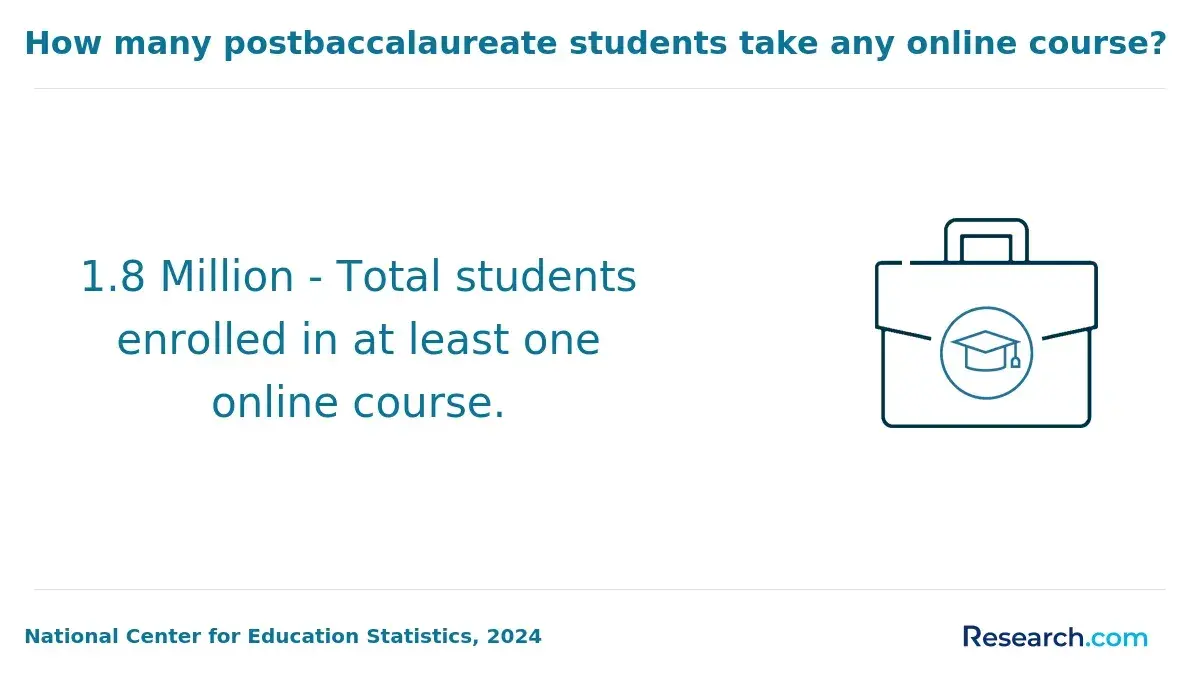
Community colleges, public universities, some private colleges, and selected workforce providers accept prior learning, but their policies differ sharply. Credit-bearing undergraduate certificates and associate degrees are the most common destinations for evaluated learning. Programs in information technology, business, logistics, public safety, technical trades, and general education often have clearer PLA options than tightly regulated clinical programs.
Military learners should compare schools' transfer policies, residency rules, and support services rather than assuming all institutions treat service training alike. This guide to the best online college for military can help identify institutions to investigate, while the final credit decision remains program-specific.
Before applying, use this sequence to test whether a program truly accepts your learning:
- Identify the exact job, certificate, degree, or licensure outcome you need.
- Obtain official records for military training, exams, licenses, certifications, and completed coursework.
- Ask the registrar or PLA office which items are accepted and where they will apply in your program.
- Request the total remaining credits, required in-residence credits, estimated fees, and expiration deadlines in writing.
- Compare that result with at least one alternative school before committing.
Which credentials lead to better jobs?
The best credential is the smallest verified step that meets the hiring, certification, or licensing requirement for your target role. Better jobs do not come from stacking credentials indiscriminately; they come from matching a recognized credential to a role with demand, required skills, and realistic entry standards.
The U.S. Bureau of Labor Statistics reported a 2024 median annual wage of $62,340 for licensed practical and licensed vocational nurses and $59,200 for paralegals and legal assistants. These are occupation-wide figures, not salaries guaranteed by a certificate, and both roles have additional requirements: nursing requires state licensure, while paralegal hiring requirements vary by employer.
Use this comparison to decide how far to stack before you spend more time or money.
| Goal | Often sensible first credential | When to continue stacking | When another path may fit better |
| Enter a skilled trade | Technical certificate or apprenticeship entry training | When an associate degree supports advancement or supervision | Choose apprenticeship when required work hours drive licensing |
| Move into healthcare | Approved entry-level clinical certificate | When a higher license or associate degree is required | Choose a state-approved degree if the target role requires licensure |
| Advance in IT or business | Credit certificate plus industry certification | When employer roles request a degree or broader management skills | Choose direct certification when a vendor skill is the immediate requirement |
| Build a creative career | Design certificate with portfolio projects | When degree-level breadth improves your target opportunities | Choose focused portfolio training if credit transfer is not important |
Compare occupational requirements with your strengths before selecting a field. Reviewing potential college majors can also help if your stack is intended to become a broader degree rather than a short-term skills upgrade.
Are online stackable programs accredited?
Online stackable programs can be reputable, but "online" does not establish quality or accreditation. For academic certificates and degrees, check that the institution is accredited by an accreditor recognized by the U.S. Department of Education or the Council for Higher Education Accreditation, then confirm that the specific program meets any field-specific approval requirements.
Online learning works best for general education, business, IT theory, legal studies, and some design courses. Trades and clinical healthcare usually require in-person labs, simulations, internships, or supervised placements. A school may be institutionally accredited while an individual nursing, medical assisting, or other regulated program lacks the approval needed for your state or intended examination.
Red flags include vague statements about transfer credit, no published faculty or course outcomes, pressure to enroll before a credit evaluation, and claims that a short online program automatically qualifies you for licensure. Verify those details with the school and the relevant state board or employer before paying a deposit.
How long do these programs take?
Completion time depends on the number of credits remaining after evaluation, course availability, prerequisites, and required clinical or lab scheduling. A short academic certificate may take one or two terms, while a stack leading to an associate degree commonly takes longer. Prior-learning credit can reduce coursework, but it does not necessarily waive residency requirements, sequenced classes, supervised clinical hours, or licensing rules.
Accelerated formats are useful when you can sustain the workload and the courses run continuously. They are less suitable when you need substantial hands-on practice or have unpredictable work and caregiving obligations. Adults who already demonstrate mastery in a discipline may also examine a competency-based master's degree; this is a separate graduate-level model and requires a relevant bachelor's degree and program-specific eligibility.
Ask for a term-by-term plan that identifies the last required course, not just the first certificate milestone. That prevents a common surprise: discovering that one infrequently offered class extends a seemingly fast pathway by another term.
What do stackable credentials cost?
Total cost is more than tuition. Credit evaluation fees, portfolio assessment, exams, course materials, tools, uniforms, background checks, clinical supplies, certification examinations, travel, and lost work time can materially change the value of a short program. Prior-learning assessment can be cost-effective when it replaces several courses, but it is not worthwhile if the credits only fill electives you do not need.
Compare these cost categories before choosing between a credit-bearing stack and a quick noncredit option.
| Cost factor | Why it matters | Question to ask |
| Tuition and mandatory fees | Varies by residency, delivery mode, and credit load | What is the complete program price at my expected pace? |
| PLA evaluation | May be charged per portfolio, exam, course, or transcript review | What will each evaluation cost, including unsuccessful attempts? |
| Required equipment and placements | Can be significant in trades and healthcare | Which tools, supplies, travel, and compliance costs are excluded? |
| Credential examination and renewal | Applies to many industry and licensure pathways | Does tuition include exam preparation, testing, or renewal fees? |
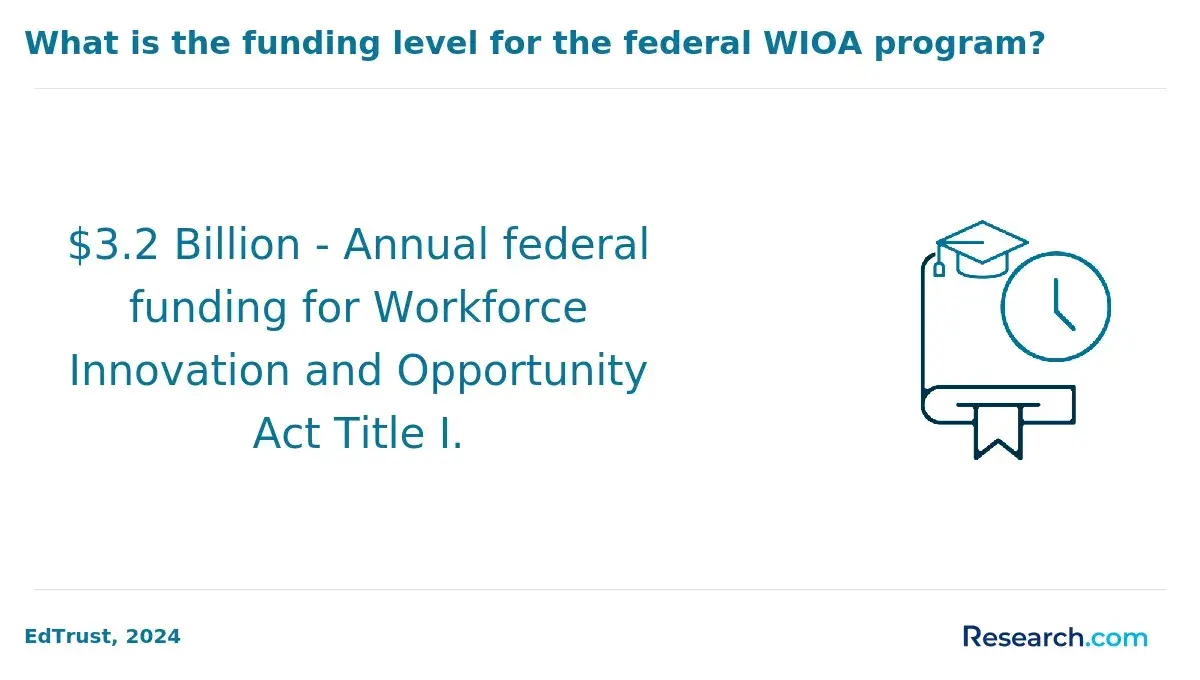
Federal student aid generally applies to eligible programs at eligible institutions, subject to enrollment and student requirements; many short noncredit offerings do not qualify. Ask the financial-aid office about eligibility, employer tuition assistance, workforce grants, veterans' education benefits, and payment plans before borrowing.
What jobs use these credentials?
Stackable credentials are used in roles where employers value a documented skill milestone, a recognized license or certification, or a degree in progress. They can help an applicant show progression, but hiring also depends on experience, local demand, background requirements, interviews, portfolios, and any legal eligibility standards.
The roles below illustrate how credentials may fit into a pathway rather than promise a particular job outcome.
| Field | Possible entry role | Useful stack | Additional requirement to check |
| Skilled trades | Technician helper or apprentice | Technical certificate to associate degree | Apprenticeship hours, local licensing, safety credentials |
| Healthcare | Medical assistant, nursing assistant, or health records support worker | Entry certificate to allied-health or nursing degree | Program approval, examination, clinical placement, state rules |
| Legal and public safety support | Paralegal assistant, records technician, corrections support worker | Justice or legal studies certificate to associate degree | Employer screening, academy standards, jurisdiction requirements |
| Digital and creative work | Production assistant, junior designer, content support worker | Design certificate to associate degree and portfolio | Portfolio quality, software proficiency, client or employer expectations |
For job seekers, translate each completed credential into specific skills on a résumé: equipment used, software, supervised hours, project outcomes, and examinations passed. Do not claim a license, certification, or scope of practice unless you have actually earned it.
How do you choose a reputable program?
A reputable program makes its pathway, costs, learning outcomes, and recognition easy to verify. Start with the occupation - not the marketing label - and work backward to the minimum education, certification, license, experience, or portfolio requirements employers actually request.
Use these checks before enrolling:
- Confirm whether the credential is credit-bearing, noncredit, an academic certificate, or an industry certification preparation program.
- Request a written course map showing exactly how the certificate applies to the next credential and whether credits expire.
- Verify institutional accreditation and, where relevant, programmatic approval, state authorization, and examination eligibility.
- Calculate all costs, including assessments, supplies, travel, examinations, and required renewals.
- Ask how prior learning will apply to your declared program, not just how many credits may be awarded.
- Review delivery requirements for labs, clinicals, internships, proctoring, and scheduled live sessions.
- Compare local job postings and speak with employers or licensing boards about the credential they recognize.
Avoid choosing solely because a provider promises the fastest completion. The better choice is the shortest credible route that satisfies your next requirement and preserves options if you later need a higher credential.
Other Things You Should Know About
Usually not for experience alone. You may earn credit when you can document college-level learning through a portfolio, examination, military record, industry certification, license, or evaluated training. The college decides whether the learning matches a course.
No. Stackability is strongest within the same institution or a formal partner agreement. Even credit-bearing courses may transfer only as electives elsewhere. Obtain the receiving school's written evaluation before relying on a transfer plan.
It can be better when you need a short-term employment milestone and want the option to continue later. An associate degree may be better when your target employer, promotion path, or license requires it from the beginning.
Only if the program meets the requirements of the licensing board in the state where you intend to work. Check program approval, clinical or supervised-hour requirements, examination eligibility, and state rules directly before enrolling.
References
- Expanding credit for prior learning https://www.ccdaily.com/2026/03/expanding-credit-for-prior-learning/
- Stackable Certificates & Credentials - Complete College America https://completecollege.org/our-approach/structure/stackable-certificates-credentials/
- Six Types of Credentials Non-Traditional Students Want https://laurelridgeworkforce.com/six-types-of-credentials-non-traditional-students-want/
- Stackable Credentials: Living Links Between Learning and Work https://www.cael.org/resouces/pathways-blog/stackable-credentials-living-links-between-learning-and-work
- Building Stackable Credentials That Truly Deliver Value and Economic Mobility: 7 Steps for Success https://mcacs.talentfirst.net/building-stackable-credentials-that-truly-deliver-value/
- What Are Stackable Credentials and Why Do They Matter? https://www.pltw.org/blog/what-are-stackable-credentials
- Glossary of Terminology in Prior Learning Recognition https://www.academyone.com/glossary


























![2027 Best Advanced Standing Online MSW Programs [CSWE Accredited] thumbnail](/uploads/Online_Advanced_Standing_MSW_301dbd5368.jpg)


