2027 Best Online Certificate Programs for Adults Returning to College

Co-Founder and Chief Data Scientist
Returning adults need training that fits work, family, and a realistic career goal - not simply the shortest program advertised. Online certificates can build job-specific skills in months, but their value depends on credit status, employer recognition, and licensing rules.
The U.S. Bureau of Labor Statistics projects healthcare support occupations to grow 15% from 2024 to 2034, illustrating why targeted training can matter. This guide helps adults compare certificate types, vet providers, control costs, and choose a credential that fits their next step.
Key Things You Should Know
- Choose a credit-bearing academic certificate when you may later pursue an associate or bachelor's degree; choose a noncredit career certificate or industry certification only when employers in your target field recognize it.
- Online study is most practical for working adults when courses are asynchronous, but programs with clinicals, labs, internships, or licensing requirements may still require scheduled local placements.
- For occupational context, BLS May 2024 data lists a $48,780 median annual wage for medical records specialists and projects 7% growth for the occupation from 2024 to 2034; a certificate can support entry-level preparation but does not guarantee employment or that wage.
Top 10 Best Online Certificate Programs for Adults Returning to College
Popular Trade School Programs
Online trade certificates usually teach theory, safety, codes, estimating, or business skills; hands-on trades still require supervised lab work, apprenticeships, or employer training. Common options include HVAC technician certificates, electrical technology certificates, welding technology certificates, construction management certificates, and automotive service programs.
An associate degree generally takes longer but can include broader technical coursework. Adults should confirm whether local licensing requires documented classroom hours, an apprenticeship, examinations, or in-person practical assessment before treating an online program as job-ready training.
Healthcare Programs
Online healthcare certificates commonly include medical billing and coding, health information technology, pharmacy technician coursework, medical assisting theory, and healthcare administration. Fully online delivery is more feasible for administrative roles than for patient-care programs.
Clinical occupations such as nursing, dental assisting, and many allied-health roles may require approved clinical placements, background checks, immunizations, and state-specific eligibility. A school certificate is not the same as professional certification: coding, pharmacy, and clinical employers may prefer or require a separate national certification examination.
Criminal Justice / Law Programs
Adults can find online certificates and associate programs in criminal justice, paralegal studies, legal studies, homeland security, and public safety administration. These programs can strengthen writing, research, procedure, and documentation skills for support or administrative work.
They do not independently qualify a graduate to practice law, become a police officer, or meet every agency's hiring standards. Paralegal candidates should check employer preferences and, where relevant, whether the program meets standards associated with recognized paralegal education pathways.
Arts & Design Programs
Online certificates in graphic design, UX design, digital media, web design, photography, and animation can help adults assemble a portfolio while learning current software and workflow practices. Portfolio quality, project experience, and technical ability often matter more to employers than the certificate title alone.
Choose a program with instructor feedback, accessible software requirements, portfolio milestones, and clear ownership rules for student work. A credit-bearing design certificate may be preferable if you expect to continue into an associate or bachelor's degree.
What are online certificate programs for adult learners and how do they work?
An online certificate program is a focused course sequence that awards an educational credential after completion. Community colleges, universities, trade schools, and private training providers offer them. A certificate may be undergraduate, graduate, credit-bearing, noncredit, academic, or career-focused; these labels affect transferability, admissions, and aid options.
For returning adults, the best fit usually has a defined career purpose, predictable weekly workload, and support for learners who have been away from school. A certificate differs from a professional certification. The school awards a certificate for completing instruction; an independent organization typically awards certification after candidates meet its requirements and often pass an exam.
This comparison shows the most important distinctions before enrolling:
| Option | Best use | Credit and transfer potential | Typical provider |
| Academic certificate | Build college-level skills or begin a degree pathway | May carry credit; transfer is school-specific | College or university |
| Career certificate | Prepare for a defined entry-level skill area | Often noncredit; transfer may be limited | College, trade school, or training provider |
| Professional certificate | Develop applied skills for a workplace field | Usually noncredit | University continuing education or private provider |
| Industry certification | Demonstrate standardized professional competence | Not academic credit | Certifying organization |
Programs may be fully asynchronous, with recorded lectures and deadline-based assignments, or synchronous, with required live sessions. Hybrid programs combine online coursework with local labs, clinicals, or proctored assessment. Ask for the actual course calendar rather than relying on "online" as a guarantee of schedule flexibility.
How do online certificate programs compare to campus programs for working adults?
For working adults, online certificates can reduce commuting and make it easier to study around shifts. Campus programs can be stronger when learning depends on equipment, live practice, peer critique, or immediate instructor access. Neither format is automatically easier: accelerated online terms can require substantial independent reading, assignments, and weekly deadlines.
The right format depends on how the occupation is taught and assessed:
| Decision factor | Online often works best when | Campus or hybrid may work best when |
| Schedule | You need asynchronous access around work or caregiving | You can attend fixed classes and benefit from routine |
| Hands-on learning | Skills are primarily administrative, analytical, or digital | Labs, clinical skills, machinery, or performance practice are central |
| Support | The program offers responsive tutoring and clear course design | You need frequent face-to-face coaching |
| Networking | You already work in the field or can build connections locally | Local employers recruit through the program |
Adults considering a longer credential after a certificate can compare schedules and academic demands through this guide to easiest masters degrees. "Easiest" should never replace checking whether a program has the curriculum, field experience, and recognition your intended role requires.
A practical test is to review one syllabus, the learning platform orientation, office-hour availability, and the policy for missed deadlines. If a provider cannot explain how students receive help outside business hours, the format may be a poor fit for a full-time worker.
How can adults verify accreditation and institutional quality for online certificate programs?
Accreditation matters most for credit-bearing college certificates, federal aid eligibility, credit transfer, and programs connected to regulated occupations. Institutional accreditation evaluates the college or university as a whole.
Programmatic accreditation evaluates a specific discipline and may be essential in fields such as nursing or certain allied-health professions. Noncredit provider certificates may not be accredited because they are not college programs; evaluate their employer recognition and curriculum instead.
Use these checks before paying an application fee. They separate legitimate provider claims from evidence you can independently confirm:
- Identify the legal institution or provider that will issue the credential, not just the marketing brand.
- Verify institutional accreditation through the U.S. Department of Education's Database of Accredited Postsecondary Institutions and Programs or the Council for Higher Education Accreditation.
- For a regulated field, check the relevant state licensing board and any discipline-specific accreditor.
- Read the catalog for credit value, completion rules, refund terms, transfer policy, and required in-person experiences.
- Ask local employers whether they recognize the credential and whether a separate certification is expected.
Red flags include vague claims of "national accreditation" without naming an accreditor, pressure to enroll immediately, missing faculty or curriculum information, and promises of automatic licensure or employment. Accreditation is evidence of institutional quality, not proof that every program meets every state's licensing standard.
What admission requirements do online certificate programs typically have for returning adults?
Admission requirements vary by credential type. Many short noncredit programs use open enrollment and require only payment, identity verification, or basic technology access. Credit-bearing undergraduate certificates commonly require a high school diploma or equivalent, an application, and official or unofficial transcripts.
Competitive healthcare programs may also require prerequisite courses, placement testing, health documentation, or background screening.
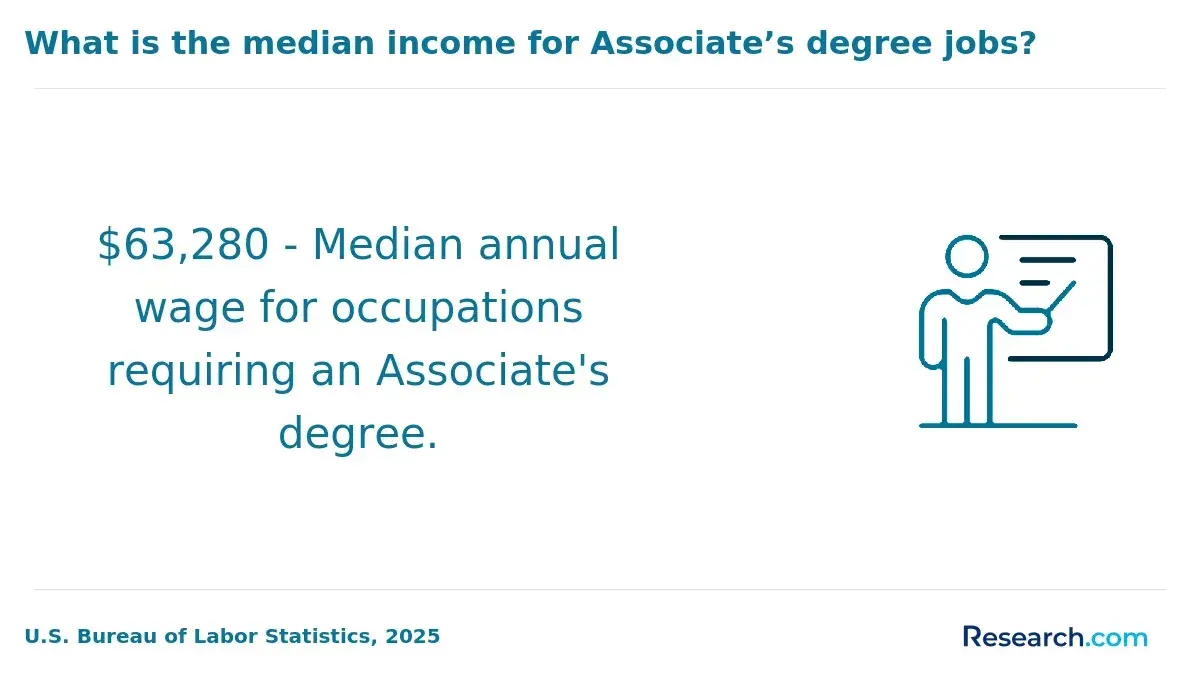
Returning adults who want a broader college pathway may also compare what is the easiest associate degree to get. An associate degree can provide general education and a fuller transfer route, but it generally requires more time and credits than a targeted certificate.
Before applying, distinguish admissions requirements from completion requirements. A program may admit applicants without a GPA threshold yet still require minimum grades in prerequisite or certificate courses. Standardized tests are uncommon for many short certificates, but schools may use placement processes to determine whether developmental coursework is needed.
Request a written answer to these questions: Are prior college credits accepted? Are credits guaranteed to apply toward a named degree? Is there a time limit on transferred coursework? Are classes offered every term? These details determine whether an "accelerated" plan is actually achievable.
How long do online certificate programs take and what do they cost?
Completion time ranges from a few weeks for a noncredit professional certificate to roughly one academic year for many college certificates. Time is driven by total credit hours, course sequencing, term length, clinical or lab requirements, and whether you attend part time. A stated "six-month" program may take longer if a required course is offered only once a year.
Cost is more than tuition. Compare the total amount you will pay under your intended schedule:
| Cost factor | Why it changes the total | What to confirm |
| Tuition or course fee | May be charged per credit, course, term, or program | Published total for your residency and delivery format |
| Required materials | Books, software, kits, tools, and exam preparation can be separate | Current itemized estimate |
| Assessments | Certification exams, proctoring, background checks, and licensure applications may cost extra | Which fees are mandatory and refundable |
| In-person requirements | Clinical travel, labs, and practicum time can create work and transport costs | Location, hours, and placement responsibility |
Credit-bearing programs at eligible institutions may permit federal aid for qualifying students, while most noncredit certificates do not. Employer tuition assistance, workforce grants, payment plans, and veterans' education benefits may help in some cases, but eligibility is program-specific. Adults balancing family obligations can also explore best degrees for single moms when a longer, more flexible degree route better matches their goals.
Do not compare advertised monthly payments alone. Ask for the full program price, all mandatory fees, the withdrawal refund schedule, and the cost of retaking a course or certification exam.
What coursework and learning formats do quality online certificate programs usually include?
Quality online certificates use coursework that maps clearly to a job skill, academic subject, or external competency standard. Depending on the field, students may complete readings, short lectures, simulations, discussion boards, projects, case studies, quizzes, portfolio work, and supervised practical experiences. Strong programs publish learning outcomes and explain how instructors assess them.
Working adults should compare learning formats because the schedule affects persistence as much as the content:
| Format | Scheduling impact | Best for |
| Asynchronous | Work is completed by weekly deadlines | Adults with variable work or caregiving schedules |
| Live online | Attendance occurs at set times | Learners who value real-time instruction and accountability |
| Hybrid | Online coursework plus scheduled local sessions | Programs needing labs, skills checks, or clinical instruction |
| Competency-based | Progress may depend on demonstrating mastery | Self-directed learners with prior knowledge and consistent study time |
AI tools are increasingly part of workplace and classroom workflows, especially in administrative, design, and technology-oriented fields. Look for programs that teach responsible use, verification, privacy, and field-relevant judgment rather than treating generated output as a substitute for learning. Confirm software costs, device requirements, accessibility services, and whether examinations require remote proctoring.
Which careers and job roles can online certificate programs help adults transition into?
Certificates can support a transition into roles where employers value targeted training, demonstrated skills, or preparation for a separate credential.
They are most useful when the curriculum matches local job postings and includes a work sample, practicum, or exam preparation where relevant. They are less suitable when the target occupation legally requires a degree, apprenticeship, license, or extensive supervised experience.
The examples below distinguish certificate-supported pathways from occupations with additional gates:
| Program focus | Potential entry-level or adjacent roles | Important limitation |
| Medical billing and coding | Medical records specialist, billing support, coding trainee | Employers may prefer an external coding certification |
| IT support | Help desk technician, user support trainee, technical support specialist | Hands-on troubleshooting and industry certifications may improve competitiveness |
| Bookkeeping | Bookkeeping clerk, accounts payable support, payroll assistant | Advanced accounting roles usually require more education or experience |
| Paralegal studies | Legal assistant or paralegal support roles | Hiring expectations vary; the credential does not authorize legal practice |
| Digital design | Production artist, junior graphic designer, content design support | A portfolio is commonly central to hiring decisions |
Start with three to five current local or remote job postings. Record the recurring required skills, education level, software, certifications, and experience. Then select a program only if it closes a clear gap. This approach is more reliable than choosing a broad certificate based solely on a popular field.
Adults already holding a bachelor's degree and aiming at advanced academic study may have different options, including online PhD no dissertation programs. Those programs are not substitutes for entry-level career certificates and should be evaluated against professional and research goals.
What salary ranges and job outlook are associated with common certificate-related careers?
Occupational wage and outlook data can help estimate labor-market context, but it cannot predict an individual's pay, hiring outcome, or the value of one certificate. BLS figures reflect workers in an occupation across education and experience levels, not certificate graduates alone. Use them alongside local postings and state requirements.
This table uses U.S. Bureau of Labor Statistics May 2024 median annual wages and 2024-2034 projected employment change for selected certificate-adjacent occupations:
| Occupation | Median annual wage | Projected change, 2024-2034 | Certificate relevance |
| Medical records specialists | $48,780 | 7% | A certificate may support entry; employers may seek coding knowledge or certification |
| Computer user support specialists | $60,340 | -4% | Certificates and certifications can help, but experience and troubleshooting skills matter |
| Paralegals and legal assistants | $61,010 | 0% | Certificate or associate preparation is common; employer requirements vary |
| Graphic designers | $61,300 | 2% | Portfolio and software proficiency are important alongside education |
| Bookkeeping, accounting, and auditing clerks | $49,210 | -6% | Certificates can build skills, while automation may reshape routine work |
Negative or slow projected growth does not mean no jobs will exist; replacement openings and local demand can differ. It does mean adults should favor programs that teach adaptable skills, such as analysis, client communication, quality control, and relevant software, rather than narrow repetitive tasks alone.
How can adults choose a reputable online certificate program that meets licensing needs?
Choose a reputable program by working backward from the role you want. First determine whether the role requires a license, an independent certification, an apprenticeship, a degree, or merely evidence of skills. Then compare programs on the requirements that directly affect eligibility - not on speed or marketing claims alone.
Follow this sequence before enrollment:
- Find your state licensing board's requirements if the role is regulated, and save the current written rules.
- Compare the program's curriculum, supervised hours, clinical placement process, and exam preparation against those requirements.
- Verify institutional and, when applicable, programmatic accreditation through an official accreditor database.
- Ask the school in writing whether graduates are eligible for the relevant exam or license in your state and what additional steps remain.
- Calculate total cost, including equipment, travel, testing, lost work time, and retake fees.
- Review recent local job postings and ask employers whether they recognize the program or expect a separate credential.
Do not rely on statements such as "meets national standards" or "prepares you for certification" without identifying the specific state, certifying body, and examination. Licensing boards - not schools - make final eligibility determinations. If a school will not provide clear answers, select a provider with transparent outcomes, policies, and program documentation.
Other Things You Should Know About
They can be worthwhile when they teach skills required in your target role, fit your schedule, and have recognized value with local employers. They are less useful when the occupation requires a degree, license, apprenticeship, or experience the program does not provide.
Possibly. Eligible credit-bearing certificates at qualifying institutions may be eligible for federal student aid for students who meet program and personal requirements. Many noncredit and third-party certificates are not eligible, so confirm funding before enrolling.
Employers generally care more about the issuing institution or provider, curriculum, demonstrated skills, and any required certification than whether coursework was online. For clinical, trade, and regulated fields, they may also require verified hands-on training.
Expect the workload to vary by course length, credit value, prior knowledge, and required projects. Ask for a sample syllabus and weekly time estimate, then plan additional time for technology issues, readings, and exam preparation.
References
- What Are the Benefits of Online Education for Adult Learners? https://www.straighterline.com/blog/self-paced-what-are-the-benefits-of-online-education-for-adult-learners
- LA Adult Education Programs-Students | Louisiana Adult Education https://www.lctcs.edu/workready-u/students
- Online Certificate Programs, Online Certificate Courses https://www.onlinedegrees.com/best-online-certificate-programs/
- Adult Education Support Network - MNABE https://mnabe.org/adult-education-system/abe-support-network/
- 2025's Best Online Graduate Certificate Programs in the U.S. https://www.onlinemastersdegrees.org/graduate-certificate-programs/
- Is Online Learning Here to Stay? Trends & Insights for 2026 https://www.calmu.edu/is-online-learning-here-to-stay-trends-insights-for-2026
- Your Guide to Digital Resources for Adult Learners https://kosciuskoconnect.com/blog/digital-resources-for-adult-learners/
- The Impact of the New Adult Learner - Trends in Higher Education in 2023 - UPCEA https://upcea.edu/the-impact-of-the-new-adult-learner-trends-in-higher-education-in-2023/
- Workforce Certification Programs https://ae.hcde-texas.org/what-we-offer/workforce-certification-programs
- What Training Does Adult Education Offer? | West Virginia Department of Education https://wvde.us/academics/adult-education/adult-education-student-information/what-training-does-adult-education-offer