2027 Best Online Career Training Programs for Single Parents

Co-Founder and Chief Data Scientist
Choosing training while managing childcare, work, and household costs requires more than finding a short online program. Single parents need a credential that fits unpredictable schedules and leads toward realistic work. The U.S. Bureau of Labor Statistics projects overall employment to grow 3% from 2024 to 2034, while several healthcare and skilled-trade roles are projected to grow faster. This guide compares career-training paths, explains certificates versus certifications, identifies red flags, and helps you evaluate cost, flexibility, support, and likely job outcomes before enrolling.
Key Things You Should Know
- Choose asynchronous or low-residency training when childcare is variable; avoid programs that hide required live sessions, clinical hours, labs, exams, or externships.
- A school-issued certificate documents completed coursework, while an industry certification is awarded by a certifying body and may require an exam, experience, or both.
- Use occupational data as context, not a promise: BLS projects medical records specialists to grow 7% from 2024 to 2034, but hiring still depends on local employers, experience, and credential requirements.
Top 10 Best Online Career Training Programs for Single Parents
Popular Trade School Programs
Online trade training can cover theory for HVAC, electrical, plumbing, welding, construction estimating, or industrial maintenance. Certificates are commonly nondegree programs lasting months; associate degrees usually add general education and may take about two years. Hands-on trades still require campus labs, apprenticeships, employer training, or supervised fieldwork.
Choose online theory training when it clearly leads to a recognized exam, apprenticeship, or local employer pathway. Avoid fully online programs that imply they alone qualify you for state-regulated electrical, plumbing, or HVAC work.
Healthcare Programs
Common online or hybrid options include medical billing and coding certificates, medical assisting certificates, pharmacy technician training, health information technology certificates, and associate degrees in health-related fields. Coursework can be online, but clinical training, skills checkoffs, background checks, immunizations, and externships may be required.
A program certificate is not the same as certification from an organization such as a coding or pharmacy credentialing body. Verify whether the curriculum prepares you for the relevant exam and whether employers in your area recognize it.
Criminal Justice / Law Programs
Online certificates and associate degrees may focus on criminal justice, legal studies, paralegal studies, corrections, homeland security, or court reporting fundamentals. These programs can build knowledge of legal research, procedure, documentation, ethics, and public safety systems.
They do not automatically qualify graduates to become attorneys, police officers, or licensed investigators. Paralegal candidates should confirm whether local employers prefer an American Bar Association-approved program, a degree, or prior office experience. Programs work best for administrative, support, or entry-level justice-system roles.
Arts & Design Programs
Flexible programs in graphic design, web design, digital marketing design, UX foundations, photography, and video editing often award certificates, professional certificates, or associate degrees. Portfolio quality generally matters as much as the credential for creative hiring.
A short noncredit program may teach software and projects quickly, while a credit-bearing certificate or associate degree can provide broader design, communication, and portfolio-development coursework. Ask whether students receive instructor critique, keep portfolio rights, and learn current tools rather than only watching prerecorded tutorials.
What types of online career training programs work best for single parents' schedules?
The best online career training format for a single parent is one that matches the hours you can reliably protect each week, not simply the shortest advertised program. Asynchronous coursework lets you complete lectures and assignments after bedtime or around work shifts, while scheduled programs can offer accountability but create childcare risks.
Compare these scheduling models before applying.
| Format | Best fit | Important trade-off |
| Fully asynchronous | Variable work or childcare schedules | Requires self-management and may have fewer real-time supports |
| Live online evening classes | Parents with dependable weekly childcare | Missed sessions can slow progress |
| Hybrid training | Programs needing labs, simulations, or clinical skills | Travel and in-person attendance must be planned in advance |
| Competency-based training | Experienced learners who can move quickly through familiar material | Not ideal when studying time is inconsistent |
Before enrolling, obtain a written calendar showing attendance rules, exam windows, lab dates, practicum hours, and the policy for emergencies. A program is flexible only if its required components are flexible enough for your actual life.
How do online career training programs compare with campus options for single parents?
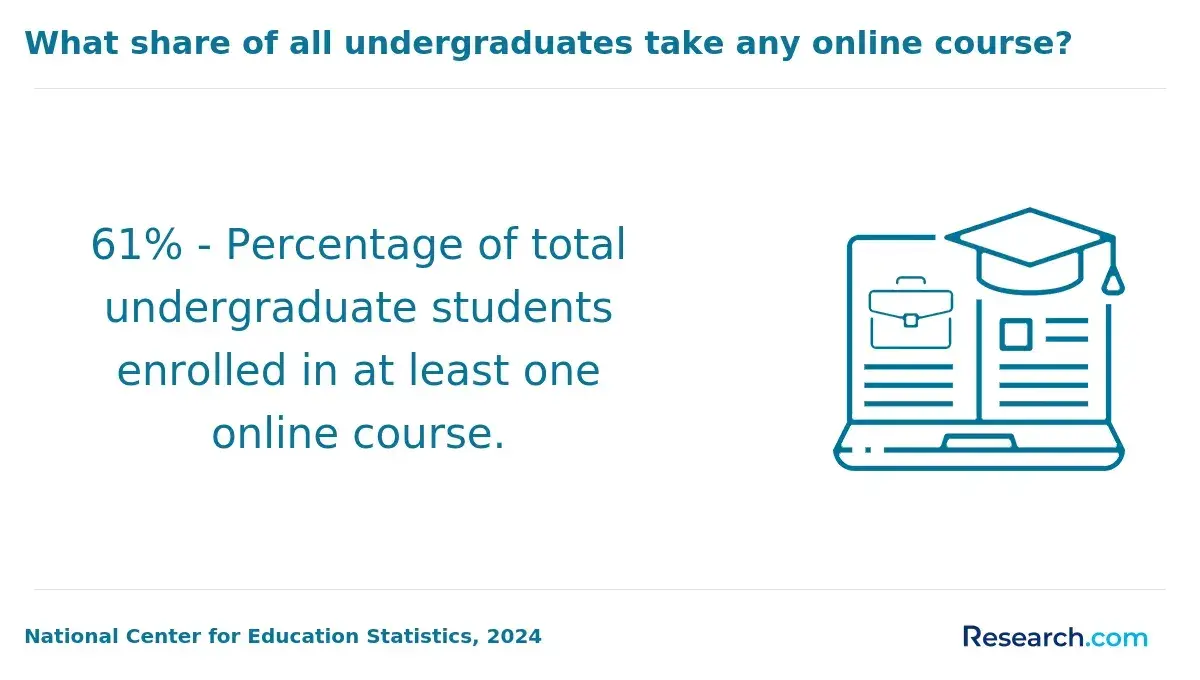
Online training can reduce commuting, make part-time enrollment easier, and allow single parents to study during nontraditional hours. Campus options may be stronger when a field depends heavily on equipment, supervised practice, immediate instructor feedback, or employer relationships. Neither format is automatically better; the right choice depends on the occupation and the school's delivery quality.
This comparison highlights the decision points that matter most.
| Factor | Online career training | Campus training |
| Schedule | Often more flexible, especially asynchronous courses | Usually fixed meeting times |
| Childcare pressure | Lower travel burden but still requires protected study time | May require childcare during commuting and class hours |
| Hands-on learning | May require local clinicals, labs, or externships | Often easier to access equipment and supervised practice |
| Networking | Depends on virtual career services and local placements | May offer more face-to-face employer contact |
| Cost beyond tuition | Can reduce transportation and parking costs | May add commuting, parking, and on-campus childcare costs |
For regulated healthcare and trade roles, prioritize verified clinical, lab, or apprenticeship arrangements over convenience. For billing, coding, legal support, design, and many administrative roles, a well-supported online format can be a practical fit.
How can single parents evaluate accredited online schools and avoid diploma mills?
Accreditation matters most when you need federal aid, transferable college credit, professional recognition, or eligibility for a licensure-related program. Institutional accreditation evaluates a college as a whole; programmatic accreditation evaluates certain professional programs.
Many short noncredit career courses are not accredited academic programs, so evaluate their employer recognition, curriculum, instructor qualifications, refund policy, and certification-exam alignment instead.
If past grades are a concern, compare admissions policies at low GPA colleges rather than enrolling with a provider that promises admission without explaining academic standards or outcomes.
Use these checks before paying an application fee.
- Confirm institutional accreditation through the U.S. Department of Education or Council for Higher Education Accreditation databases when the provider claims to be an accredited college.
- Check whether the exact program, not merely the school, meets any required professional or state-board standard.
- Request total charges in writing, including books, software, equipment, exam fees, background checks, uniforms, labs, and externships.
- Ask for completion, withdrawal, job-placement, and licensure-exam information, along with definitions and reporting periods.
- Read cancellation and refund terms before signing an enrollment agreement or financing contract.
Red flags include pressure to enroll immediately, vague faculty information, guaranteed jobs or salaries, unverifiable accreditation claims, and claims that online coursework alone creates a license in a hands-on profession.
What admission requirements and application steps do online career training programs typically have?
Application requirements vary sharply by provider. A community-college certificate or associate degree may request a high school diploma or equivalent, placement information, transcripts, and residency details. A noncredit workforce course may require only identification, payment, and basic computer access. Healthcare programs can add immunizations, drug screening, CPR, criminal-background checks, and eligibility documentation before a placement.
Parents seeking aid-eligible college programs can compare colleges online that accept FAFSA; eligibility depends on the institution, program, enrollment status, and each student's federal aid record.
A practical application sequence reduces last-minute barriers.
- Match the program to a specific target role and determine whether a certificate, certification, associate degree, or license is actually required.
- Request a written list of prerequisites, technology needs, clinical or lab obligations, and deadlines.
- Gather transcripts or equivalency records only if the provider requires them.
- Apply early enough to complete background checks, financial-aid steps, and childcare planning before classes begin.
- Keep copies of every cost estimate, policy, and advisor communication.
How long do online career training programs take, and what do they cost?
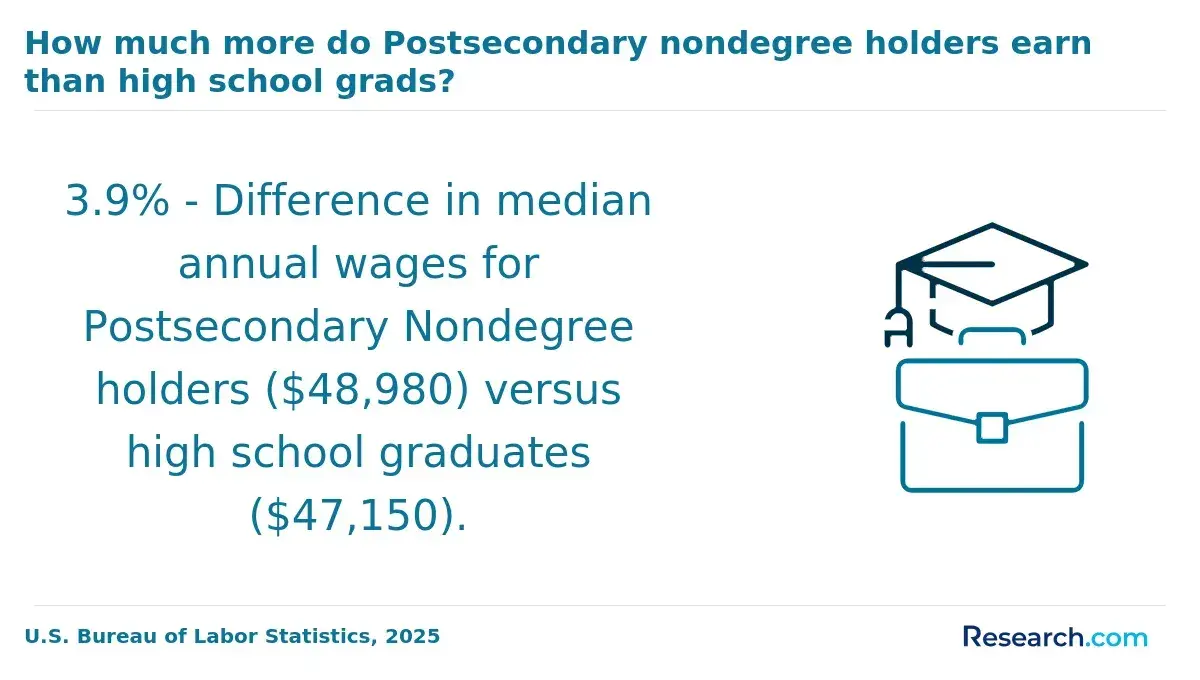
Completion time ranges from a few weeks for a narrowly focused noncredit course to roughly one year for many academic certificates and about two years for a traditional associate degree. Part-time enrollment, required clinicals, repeated courses, and limited course availability can extend that timeline. "Self-paced" does not always mean fast if assessments, instructor grading, or externships have set dates.
Students who want a degree rather than a short training credential can review options for a fastest associates degree online, while carefully confirming transfer credit, residency requirements, and whether an accelerated pace is sustainable.
Total cost should include more than posted tuition. The comparison below separates common cost drivers by program type.
| Program type | Typical time pattern | Cost factors to confirm |
| Noncredit career training | Weeks to months | Tuition, platform fees, materials, exam vouchers, payment-plan charges |
| College certificate | Months to about one year | Per-credit tuition, fees, books, required software, potential aid eligibility |
| Associate degree | Often about two years full time | Credit load, transfer credits, general education, fees, books, residency rules |
| Hybrid clinical or trade program | Varies with placements and labs | Travel, equipment, uniforms, background checks, clinical or lab fees |
Compare the full out-of-pocket amount and likely time away from paid work, not tuition alone. A cheaper program can cost more overall if it lacks required preparation for an exam, placement, or next credential.
What courses and skills do online career training programs for single parents usually cover?
Online career training usually combines occupation-specific knowledge with job-ready digital and communication skills. The exact curriculum should reflect the role you want, not a broad promise of "career readiness." Credit-bearing certificates may include assessed college courses; noncredit programs may focus more narrowly on practical tasks and software.
Across fields, parents should expect training in several skill areas.
- Administrative and digital skills, including spreadsheets, records systems, scheduling platforms, file management, and professional email.
- Industry workflows, such as coding rules in healthcare, legal research procedures, construction estimating, or design-production processes.
- Compliance and ethics, including privacy, documentation accuracy, confidentiality, safety, and workplace conduct.
- Employment preparation, such as resumes, interviews, portfolios, mock projects, and job-search strategy.
Ask to see the course sequence, sample assignments, software list, and grading standards. In AI-affected office and creative roles, prioritize programs that teach verification, privacy-aware use of technology, clear writing, and human review rather than presenting automation as a substitute for foundational skill.
Which careers and entry-level job roles do these programs prepare single parents for?
These programs can prepare single parents for entry-level or support roles, but the credential must match local hiring expectations. A short course may help demonstrate skills, while a college certificate, associate degree, certification exam, supervised hours, or employer training may still be necessary for certain jobs.
The following examples show realistic starting directions rather than guaranteed placement outcomes.
| Training focus | Possible entry-level roles | Common next step |
| Medical billing, coding, or health information | Medical records specialist, billing assistant, patient-access representative | Industry certification or additional health-information coursework |
| HVAC, electrical, or construction theory | Helper, installer trainee, maintenance trainee, estimating assistant | Apprenticeship, supervised field training, or state-required licensing path |
| Legal studies or paralegal training | Legal assistant, file clerk, intake specialist, administrative assistant | Paralegal certificate, degree, or legal-office experience |
| Graphic or web design | Production artist, junior design assistant, content-production assistant | Stronger portfolio, specialized software skills, or freelance experience |
Job titles differ by employer. Review local job postings before choosing a curriculum, then compare required software, credentials, shift expectations, background requirements, and experience levels with what the program actually provides.
What salary ranges and advancement opportunities can single parents expect after training?
Salary depends on occupation, location, employer, hours, experience, and credentials - not simply on completing online training. BLS May 2024 median annual wages provide useful occupational context: medical records specialists had a median of $50,250, paralegals and legal assistants $61,010, graphic designers $61,300, and electricians $62,350.
These figures include workers with varied education and experience levels, so they should not be treated as starting-pay promises. Advancement is usually strongest when training creates a clear next step: an industry certification, an apprenticeship, a stackable college credential, a specialization, or documented work experience.
For example, an entry-level medical records role may lead toward coding specialization; a trade helper role may progress through apprenticeship milestones; and a design assistant can build a portfolio for higher-level work.
Before enrolling, compare local entry-level postings with experienced-worker wage data. If a program's cost would require substantial borrowing, ask whether the target role has enough openings, predictable scheduling, and advancement potential to justify the investment.
How can single parents choose a reputable program that supports childcare and work balance?
A reputable program supports work-life balance through transparent scheduling, responsive advising, accessible instructors, predictable deadlines, and realistic clinical or lab planning. Childcare assistance is not available at every online school, so verify rather than assume.
Community colleges may offer campus-based resources, while online providers may instead offer virtual advising, emergency leave policies, tutoring, and career coaching.
If long-term advancement is part of your plan, map each credential to the next educational step. For example, a future leadership or academic goal may eventually involve a doctorate without dissertation, but that path is generally separate from entry-level career training and typically requires prior college degrees.
Use these questions in calls or emails with admissions staff.
- Which classes, exams, labs, clinicals, or externships require attendance at a specific time?
- What happens if a child is sick or a work shift changes during a required activity?
- Can I attend part time, pause enrollment, or return without restarting the program?
- What career services are available to online students, and are they included in tuition?
- Which costs and requirements occur after enrollment but before completion?
Do not choose solely on speed, advertising, or monthly payment size. The best option is the one that meets the actual requirements for your target role while leaving enough time and financial margin to finish.
Other Things You Should Know About
Yes, for fields centered on digital, administrative, business, or design skills. Programs involving patient care, equipment, trades, or regulated practice may require in-person labs, clinicals, externships, or testing.
Employers usually focus on whether the provider is credible, the curriculum matches the job, and you can demonstrate required skills. For regulated fields, they may also require a recognized certification, license, degree, or supervised experience.
It may pay for eligible programs at participating institutions, but many short noncredit courses do not qualify. Confirm the program's aid eligibility and your individual FAFSA status directly with the school before enrolling.
Choose a certificate when you need focused, lower-commitment training for a defined role. Choose an associate degree when target jobs commonly request a degree, you want broader coursework, or you may later transfer credits toward a bachelor's degree.
References
- 8 free online childcare training courses https://www.wealthysinglemommy.com/free-online-childcare-training/
- Launch your child care business - Options for Learning https://www.optionsforlearning.org/launch-child-care-business
- Blending Classroom and On-the-Job Training https://newmoms.org/job-training/
- Education & Training https://cca.childcaregroup.org/Home/EducationAndTraining
- School Grants for Single Moms: A-Z To Financial Aid Options https://angelink.com/blog/school-grants-for-single-moms/
- 11 Best Careers for Single Moms (and How to Get Started) https://climbhire.co/career-development/best-careers-for-single-moms-how-to-get-started/
- For-profit workforce training, funded by public dollars https://hechingerreport.org/wasted-money-how-career-training-companies-scoop-up-federal-funds-with-little-oversight/
- Pursuing Flexible Education as a Single Mom https://blackstone.edu/pursuing-flexible-education-as-a-single-mom/
- How America Pays for College 2025 https://www.salliemae.com/about/leading-research/how-america-pays-for-college/
- Online Courses https://www.childcareed.com/