2027 Best Career Training Programs With Evening Classes

Co-Founder and Chief Data Scientist
Choosing career training while holding a job means balancing class times, hands-on requirements, cost, and whether the credential actually meets employer or licensing rules. Evening programs can make that possible without leaving work. The U.S. Bureau of Labor Statistics projects healthcare support occupations to grow faster than average from 2024 to 2034, while many skilled trades also face ongoing replacement demand. This guide compares practical evening pathways, explains what to verify before enrolling, and helps you choose a program that fits your schedule and career target.
Key Things You Should Know
- Evening career training is best when its schedule includes the required labs, clinical rotations, shop time, or externships; a night lecture alone does not make a regulated program workable.
- Public two-year colleges charged an average of $4,050 in 2024-25 tuition and fees for in-district students, according to College Board; program supplies, testing, tools, and licensing costs can materially raise the total.
- Choose training backward from the job: verify employer expectations, state licensure rules, accreditation where required, and whether the program awards a certificate, degree, or preparation for a separate certification exam.
Top 10 Best Career Training Programs With Evening Classes
Popular Trade School Programs
Evening trade programs commonly include welding certificates, HVAC/R certificates, electrical technology certificates, plumbing courses, automotive service certificates, and construction management associate degrees. Hands-on programs suit adults who can attend scheduled labs; fully online trade training rarely replaces required shop practice. A short certificate can build entry-level skills, while an associate degree may add general education and supervisory preparation. Apprenticeship is often the stronger alternative for electrician and plumber paths because state licensing commonly requires documented paid work hours. Ask whether tools, safety gear, EPA exam preparation, and daytime clinical-style lab requirements are included.
Healthcare Programs
Common evening options include medical assisting, practical nursing, pharmacy technician, dental assisting, medical billing and coding, phlebotomy, and healthcare administration certificates or associate degrees. Medical billing may be mostly online, but nursing, assisting, and phlebotomy require skills labs and supervised clinical experiences that may occur during daytime hours. A school certificate is not the same as a professional certification such as Certified Medical Assistant or Certified Pharmacy Technician. Before enrolling, confirm eligibility for the relevant certification exam, state approval for licensed programs, background-check policies, and whether clinical placement is arranged.
Criminal Justice / Law Programs
Evening criminal justice associate degrees, paralegal certificates, legal studies certificates, corrections training, and security-related courses can fit adults seeking public safety or legal-support work. Paralegal education does not authorize a graduate to practice law, and police officer hiring usually requires separate academy, agency, medical, fitness, and background-screening processes. Programs are most useful when they teach legal research, writing, ethics, report preparation, and case-management software. Compare whether courses are credit-bearing and transferable if you may later pursue a bachelor's degree. Applicants with records should review employer and licensing restrictions before paying tuition.
Arts & Design Programs
Evening options include graphic design certificates, digital media certificates, web design programs, photography courses, CAD drafting certificates, and animation or UX-focused associate degrees. Portfolio quality usually matters more than the credential title in many creative roles, so select programs with current software, instructor feedback, and portfolio reviews. A certificate can be efficient for workers adding a focused technical skill; an associate degree may be better for career changers who need broader foundations. Confirm software costs, project expectations, and whether online critiques are live. Avoid programs that promise freelance income or placement without showing realistic outcomes.
What types of evening career training programs are best for working adults?
The best evening program for a working adult is one that matches the required learning environment to the target role, not simply the one with the fewest campus visits. Programs with predictable evening blocks work well for adults with fixed shifts, while asynchronous online coursework can help people with variable schedules.
These options generally fit different goals:
| Program type | Best for | Important trade-off |
| Short noncredit training | Basic job skills or exploration | May not transfer for credit or qualify for aid |
| Credit certificate | Entry-level technical preparation | Usually includes fixed lab or class times |
| Associate degree | Roles needing broader education or advancement | Longer completion time and more general education courses |
| Industry certification preparation | Workers meeting a specific employer standard | Program completion does not guarantee passing the exam |
| Registered apprenticeship | Many construction and industrial trades | Requires an employer sponsor and work-hour commitment |
Choose a certificate when the employer or licensing pathway recognizes it and you need focused training. Choose an associate degree when your field values college credit, advancement may require broader coursework, or you want a clearer transfer route. Workers seeking a longer academic pathway can also compare affordable online bachelor degree programs before committing to a nontransferable option.
How do online evening classes compare to campus-based programs for career training?
Online evening classes can reduce commuting and let students complete readings, quizzes, and discussion work after work. Campus-based programs provide scheduled access to equipment, instructors, classmates, and supervised practice. For regulated or hands-on careers, the strongest option is often hybrid: online theory plus required in-person labs, clinicals, or shop sessions.
This comparison shows where each format is usually strongest:
| Factor | Online evening format | Campus or hybrid evening format |
| Schedule flexibility | Highest when coursework is asynchronous | Fixed meeting times but clearer routine |
| Hands-on skill development | Limited unless paired with local placement | Better for labs, equipment, and demonstrations |
| Clinical or practicum needs | May still require daytime local hours | School may coordinate sites, but timing can vary |
| Networking | Requires intentional participation | More immediate contact with instructors and peers |
| Best fit | Administrative, technology, theory-heavy training | Trades, healthcare, and skills assessed in person |
Do not assume "online" means fully flexible. Ask for a term-by-term calendar showing live sessions, lab weekends, externships, proctored exams, and any daytime requirement before you enroll.
What accreditation and licensing should evening career training programs have?
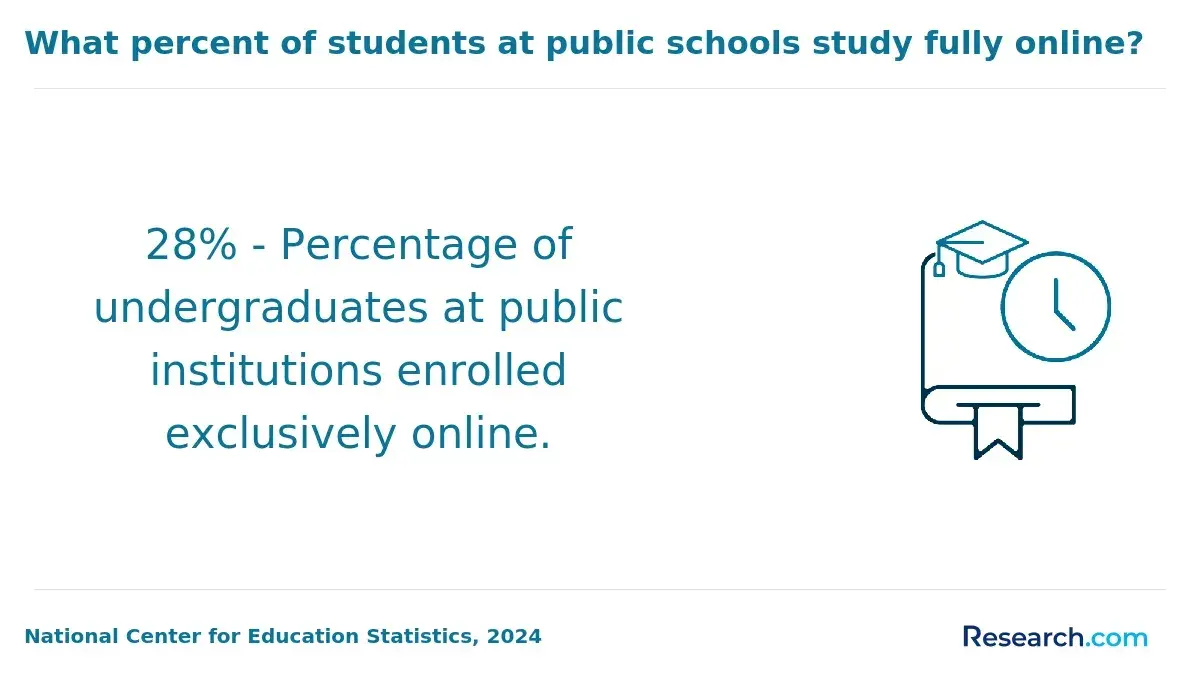
Accreditation and licensing requirements depend on the credential and occupation. Institutional accreditation matters most when you want federal aid, college credit, or transferability. Programmatic approval matters when a state board or profession requires it, especially in nursing and certain allied-health programs. Industry certifications are separate credentials issued by professional organizations after candidates meet eligibility rules and, commonly, pass an exam.
Use this verification sequence before making a deposit:
- Identify the exact job title and the state where you expect to work.
- Check the state licensing board or employer requirement for required education, supervised hours, and examinations.
- Ask the school whether its specific program is approved, accredited, or recognized for that requirement.
- Request written confirmation of exam eligibility, clinical placement responsibility, and any exclusions by state.
- Confirm whether credits transfer and whether the credential is credit-bearing or noncredit.
A major red flag is vague language such as "meets national standards" without naming the approving body or the occupation it supports. For quick, lower-cost skill-building options that may not require college accreditation, review easy licenses and certifications to get online and compare their employer recognition with formal program requirements.
How long do evening career training programs take and what schedules do they offer?
Evening career training can range from several weeks for a focused noncredit course to about two years for a part-time associate degree. The calendar length depends less on the label and more on required credits, prerequisites, lab capacity, clinical availability, and whether the school allows summer enrollment.
These are planning ranges rather than promises; schools may sequence required courses differently:
| Pathway | Typical evening schedule | Common completion pattern |
| Short workforce course | One or two evenings weekly | Weeks to several months |
| Certificate program | Two to four evenings weekly | Several months to about one year part-time |
| Associate degree | Two or three courses per term | About two to three years part-time |
| Hybrid clinical program | Evening classes plus assigned placements | Varies with clinical scheduling |
Build a realistic weekly plan that includes commuting, study time, child care, and occasional daytime obligations. Accelerated programs can shorten calendar time, but they increase weekly workload and leave less room to recover from a missed class.
What admission requirements and prerequisites do evening career training programs typically have?
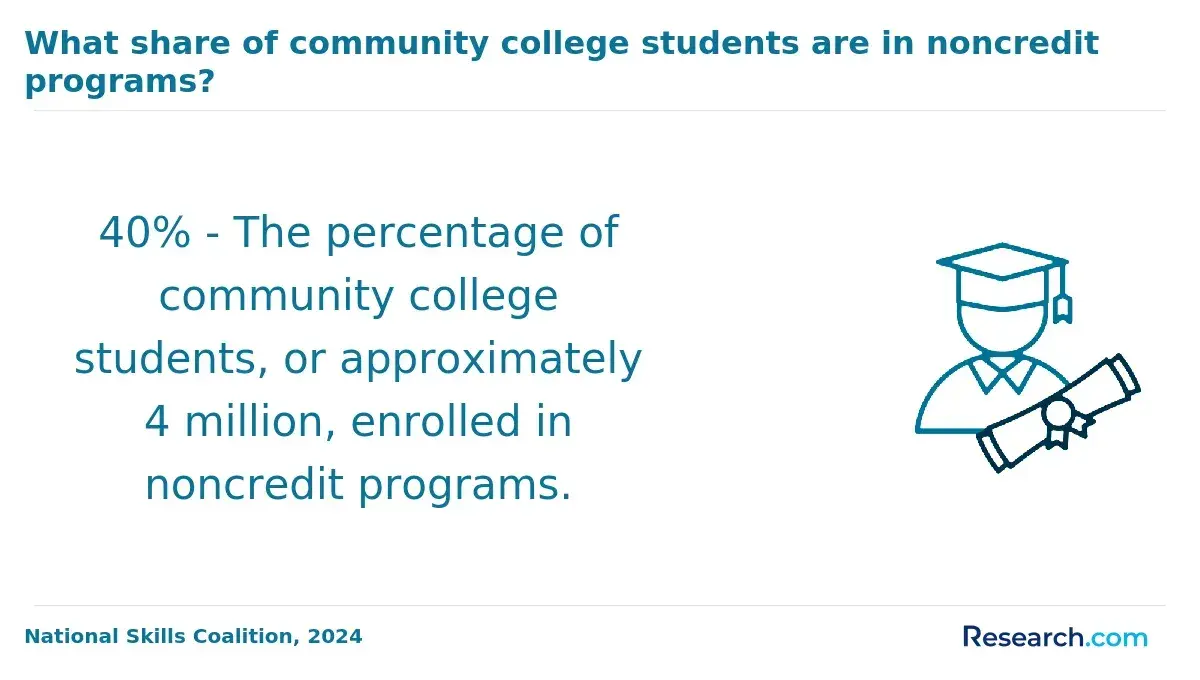
Requirements vary widely. A community-college credit certificate or associate degree may require a high school diploma or equivalent, placement testing, application materials, and prerequisites. A noncredit workforce course may require only age, identity, payment, and basic literacy or computer readiness. Selective healthcare programs can add immunizations, drug screening, background checks, CPR training, entrance testing, and prerequisite science courses.
Before applying, separate admission to the institution from admission to the program. Ask whether a criminal-history finding affects clinical placement, whether prior learning can reduce courses, and whether prerequisites must be completed before evening core classes begin. If you are evaluating education options after justice involvement, best degree for felons can help you compare pathways while accounting for field-specific hiring restrictions.
A common mistake is interpreting "open enrollment" as guaranteed entry into limited labs or clinical cohorts. Get the next available start date and waitlist policy in writing.
What do students learn in evening career training programs and how is coursework structured?
Evening programs usually combine occupational theory with applied practice. Coursework may include safety, ethics, documentation, customer service, digital tools, communication, and field-specific technical skills. Credit-bearing programs can also include general education requirements; noncredit training generally concentrates on job tasks and may move faster.
Look for a structure that demonstrates competence rather than only attendance. Strong programs commonly use:
- Instructor demonstrations followed by supervised practice in labs, clinics, studios, or shops.
- Case studies, simulations, or projects that mirror workplace decisions and documentation.
- Skills checkoffs, portfolio reviews, practical exams, or externship evaluations.
- Career preparation such as résumé feedback, interview practice, and employer-facing portfolio support.
Ask how missed lab work is made up and whether instructors are available outside class. Evening students need a recovery plan because hands-on sessions are often harder to reschedule than online assignments.
How much do evening career training programs cost and what financial aid is available?
Cost depends on provider type, program length, residency, and required equipment. College Board reported average published tuition and fees of $4,050 for in-district students at public two-year colleges in 2024-25. That benchmark is useful for comparison, but it does not represent the full cost of a career program or the price of private training schools.
Compare the written total, not just advertised tuition. Your estimate should include:
- Tuition, registration charges, technology fees, and required course materials.
- Tools, uniforms, textbooks, software, liability coverage, transportation, and parking.
- Background checks, immunizations, drug screening, certification examinations, and licensing applications when applicable.
- Lost work hours for clinicals, externships, weekend labs, or required daytime testing.
Federal student aid generally applies only to eligible students enrolled in qualifying programs at eligible institutions; many short noncredit courses do not qualify. Complete the FAFSA when the school participates, then ask about state workforce grants, Workforce Innovation and Opportunity Act funding, veterans' benefits, employer tuition assistance, scholarships, and payment plans. Avoid signing a private loan or income-share agreement until you understand total repayment, cancellation terms, and whether the program satisfies your career requirement.
What careers, certifications, and advancement pathways follow from evening training programs?
Career outcomes depend on the occupation, local hiring, prior experience, licensure, and the credential's recognition. A certificate documents completion of an educational program. A certification is awarded by a certifying organization after its standards are met. Some evening programs prepare students for a certification exam, but students must still meet the certifier's eligibility rules and pass the exam.
Plan the pathway from the first role to the next credential:
| Training area | Possible entry direction | Common advancement step |
| HVAC or electrical | Installer helper or technician trainee | Apprenticeship hours, license, or specialized certification |
| Medical assisting | Medical assistant | Professional certification or nursing/allied-health study |
| Paralegal studies | Legal assistant or paralegal support role | Experience, specialty training, or bachelor's completion |
| Digital design | Production artist or junior designer | Stronger portfolio, software specialization, or degree completion |
Ask employers in your area which credentials they recognize before choosing a school. For workers aiming eventually at academic leadership, research, or specialized practice, compare the time and cost implications of cheapest PhD programs rather than assuming a short career credential creates that pathway.
What are the salary expectations and job outlook for graduates of evening career programs?
Salary information should be used as occupation-level context, not as a promise of what a certificate graduate will earn. The U.S. Bureau of Labor Statistics reported a 2024 median annual wage of $62,350 for electricians and $44,200 for medical assistants. Those occupations have different entry rules: electricians typically develop through apprenticeship and licensing, while medical assistant requirements vary by employer and state.
For outlook, BLS projects medical assistants to grow 12% from 2024 to 2034, faster than the average for all occupations. That may support demand, but local openings, clinical experience, certification preferences, and schedule availability still affect individual job searches.
Evaluate return on investment by comparing your total out-of-pocket cost, expected time away from work, local entry-job postings, and the credential employers request. Be cautious of schools that cite a high wage for a broad occupation without explaining whether their program alone qualifies graduates for that role.
Other Things You Should Know About
Sometimes. Administrative, business, technology, and design coursework may be fully evening or asynchronous. Programs requiring labs, clinical rotations, internships, or licensing examinations may include daytime, weekend, or variable scheduling requirements.
They can be worthwhile when the credential is recognized by local employers or required for the target role and the total cost fits your budget. They are less useful when they do not provide required hands-on training, exam eligibility, or transferable credit you need.
Evening scheduling does not itself prevent aid eligibility. Eligibility depends on the institution, program, enrollment status, and student circumstances. Many short noncredit courses are not eligible for federal aid, though workforce grants or employer assistance may be available.
Verify the school, the specific program's approval or accreditation when relevant, instructor qualifications, total costs, refund policy, licensure or certification eligibility, and actual lab or clinical schedule. Request these details in writing before paying.
References
- Financial Aid for Adult Education https://www.vsac.org/plan/adult-learners/financial-aid
- 26 Top Vocational Training Institutes in California (+ A Free Tech Training Option) https://climbhire.co/career-development/top-vocational-training-institute-california/
- School of Career Education | Riverside County Office of Education https://www.rcoe.us/programs/school-of-career-education/
- Pathways to Work - United Way of Metropolitan Dallas https://unitedwaydallas.org/programs/pathways-to-work/
- Course Formats https://www.ni.com/en/shop/services/education-services/customer-education-courses/course-formats.html
- The Benefits of Workforce Exposure and Career Programming for Youth and Young Adults - The Annie E. Casey Foundation https://www.aecf.org/blog/the-benefits-of-workforce-exposure-and-career-programming-for-youth-and-you
- Training & Education Programs https://metroatlantaexchange.org/news/max-mondays/training-and-education-programs/
- Job Training in New York City - New York City Employment and Training Coalition https://nycetc.org/membership/full-member-list/job-training-programs-in-new-york-city/
- In-Person vs. Online Courses: Which Is Right for You? | StraighterLine https://www.straighterline.com/blog/in-person-vs-online-courses
- Study: Modest earnings gains from short-term training https://www.ccdaily.com/2025/11/study-modest-earnings-gains-from-short-term-training/