2027 Best Career Training Programs With Fast Transfer Credit Evaluation

Co-Founder and Chief Data Scientist
Choosing career training is harder when prior college credits, military learning, licenses, or workplace training may shorten the path - but schools evaluate them very differently. The U.S. Bureau of Labor Statistics projects employment for medical assistants to grow 12% from 2024 to 2034, illustrating why targeted training can be valuable when it matches a real hiring need.
This guide helps career changers, working adults, and returning students compare fast-credit programs, verify what will transfer, estimate total costs, and avoid credentials that do not meet employer or licensing requirements.
Key Things You Should Know
- Fast transfer evaluation can reduce time and tuition, but only credit-bearing courses accepted by the receiving school usually apply toward a certificate or associate degree; noncredit training may require a separate prior-learning review.
- For context, College Board reported average published in-district tuition and fees of $4,150 at public two-year colleges for 2024-25, program fees, tools, exams, uniforms, and clinical requirements can substantially increase total cost.
- Choose the credential based on the target job, an academic certificate can build skills or stack into a degree, while an industry certification or state license may be the actual requirement for employment.
Top 10 Best Career Training Programs With Fast Transfer Credit Evaluation
Popular Trade School Programs
Credit-bearing certificates and associate degrees in electrical technology, HVAC/R, welding, automotive service, plumbing, and industrial maintenance commonly suit hands-on careers. A certificate may focus on entry-level skills; an associate degree often adds general education and broader technical coursework. Transfer evaluation matters most for returning students seeking an associate degree or a stackable certificate sequence. Online theory can work for some subjects, but labs, equipment practice, and apprenticeships usually require campus or employer-based training. Confirm that the program prepares students for the local apprenticeship, contractor, or safety requirements connected to the trade.
Healthcare Programs
Common options include medical assisting certificates, practical nursing diplomas, pharmacy technician certificates, dental assisting certificates, health information technology certificates, and associate degrees in nursing or dental hygiene. Clinical careers require more than a fast transcript review: students may need background checks, immunizations, CPR training, drug screening, clinical placement, and state-specific approval. A certificate is educational training; certification is a separate credential that may require an exam. Prior science courses can transfer, but clinical competencies and required supervised hours are often not waived. Verify program approval before assuming an online format meets licensure rules.
Criminal Justice / Law Programs
Career-focused options include criminal justice certificates, associate degrees, paralegal studies certificates, legal administrative assistant programs, corrections training, and cybersecurity-related public safety programs. These credentials can support roles in legal offices, courts, investigations support, records, or security, but they do not independently qualify someone to practice law or become a sworn officer. Transfer credit may apply well to general education, writing, criminal justice, and legal research courses. Students targeting paralegal work should check employer expectations and whether a program meets standards preferred in their region. Police and corrections agencies may impose separate academy, fitness, background, and age requirements.
Arts & Design Programs
Graphic design, web design, digital media, UX-related design, photography, animation, and drafting certificates can build focused technical skills quickly. Associate degrees generally provide more portfolio development, critique, software practice, and general education credits. Fast credit evaluation is useful when prior coursework includes design foundations, software, communications, or art history, but portfolio-based courses may need syllabus and project review. Employers often assess demonstrated work more closely than the credential title, so ask whether students leave with a polished portfolio and current software experience. A certificate may be sufficient for junior creative work, while advanced roles can favor deeper experience or a degree.
What are career training programs with fast transfer credit evaluation and how do they work?
Career training programs prepare learners for a defined occupational area through short academic certificates, diplomas, associate degrees, apprenticeships, or noncredit workforce training. "Fast transfer credit evaluation" means the school reviews official transcripts - and sometimes military records, licenses, standardized exams, or documented prior learning - early in the admissions process rather than after enrollment.
The result should identify credits accepted, the requirement each credit satisfies, remaining courses, and any expiration limits. Fast does not mean automatic. Schools compare course content, grades, credits, learning outcomes, and residency rules. Many will accept transferable general education credit more readily than technical labs, clinical courses, or field-specific coursework.
| Option | Typical purpose | Transfer-credit value | Best fit |
| Academic certificate | Focused college coursework | May stack into a degree if credit-bearing | Students needing a targeted entry point |
| Associate degree | Technical preparation plus general education | Often has the clearest transfer framework | Students with prior college credit |
| Noncredit workforce program | Rapid job skills or exam preparation | Usually does not transfer as college credit | Adults seeking short, specific training |
| Industry certification preparation | Readiness for a vendor or professional exam | Depends on the school and certifier | Workers building recognized technical skills |
Ask for the evaluation in writing before paying a deposit. If the school cannot identify which requirements are waived and which remain, compare another provider rather than relying on a verbal estimate.
How can students compare accredited online vs campus career training programs effectively?
Compare delivery mode against the job's hands-on, clinical, portfolio, or licensing demands - not just convenience. Online programs can be practical for business, legal studies, health information, and theory-heavy technology courses. Campus or hybrid formats are usually stronger when training requires equipment, supervised practice, clinical placements, studio critique, or trade labs.
Use the following comparison points to evaluate whether the program format supports the credential's real purpose.
| Decision factor | Online program | Campus or hybrid program |
| Schedule | Often more flexible for working adults | Usually fixed lab, studio, or clinical times |
| Hands-on training | May require local placements or intensives | Direct access to labs and instructors |
| Transfer review | Can be fast, but obtain a written degree audit | May allow in-person advising and records help |
| Licensure preparation | Must be verified state by state | Often designed around local approval requirements |
Institutional accreditation matters most for credit-bearing college programs, federal aid eligibility, and later degree transfer. Programmatic approval may matter more in nursing, allied health, and certain technical fields. Applicants seeking a lower-friction application process can also compare online colleges with free applications, then verify that the specific career program offers the needed labs or placements.
What admission requirements and prior credits are typically needed for these programs?
Requirements depend on whether the offering is a college certificate, an associate degree, a noncredit course, or a state-approved clinical program. Many entry-level academic certificates and associate programs require a high school diploma or equivalent and official transcripts. Selective healthcare programs may also require prerequisite science courses, minimum grades, placement testing, background clearance, and health documentation.
Prior-credit review commonly considers the following evidence. Preparing it early makes a fast evaluation more likely.
- Request official transcripts from every college attended, even when credits seem unrelated.
- Collect course descriptions or syllabi for technical, older, or disputed courses.
- Provide military joint-service transcripts, active professional licenses, or recognized examination scores when applicable.
- Ask whether the school awards credit for prior learning through portfolio review, challenge exams, or articulated workforce credentials.
- Get a written list of accepted credits, remaining requirements, and completion limits before enrolling.
Transfer policies frequently require a minimum grade, often a C or better, but the exact threshold varies. Learners who need broad general education transfer rather than a short standalone credential may find that online associate degree programs offer a more structured route, provided the stated timeline is realistic for their incoming credits and course availability.
How long do career training programs usually take and what do they cost?
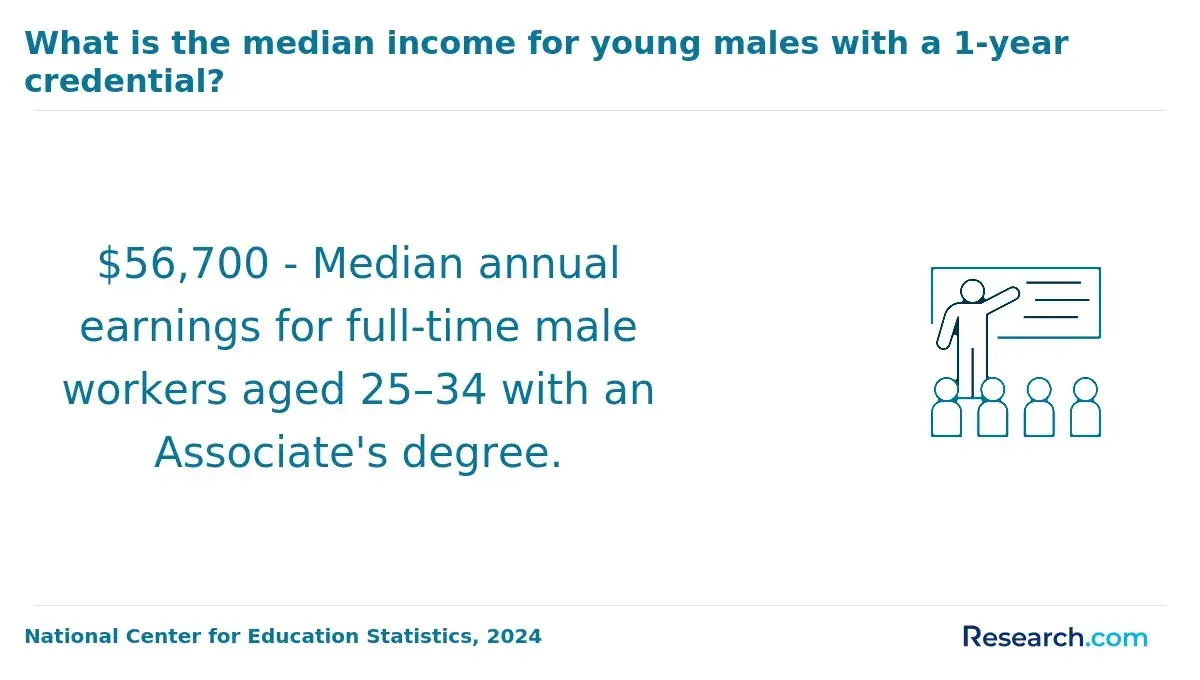
Completion time is determined by remaining requirements, course sequencing, required fieldwork, and whether accepted transfer credits replace actual degree requirements. A short noncredit course may take weeks, while a credit-bearing certificate often takes months and an associate degree commonly takes about two years of full-time study before transfer credit. Part-time enrollment extends the calendar timeline.
Published tuition is only one part of the decision. The following cost categories help applicants compare programs on a more realistic basis.
| Cost category | Why it matters |
| Tuition and mandatory fees | Varies by residency, credit load, and institution type |
| Books, software, and equipment | Can be substantial in trade, design, and technology programs |
| Uniforms, tools, and clinical requirements | Common in healthcare and hands-on training |
| Testing, certification, and licensing fees | Often paid separately from tuition |
| Transportation and lost work time | Especially relevant for labs, clinicals, and apprenticeships |
College Board reported $4,150 as average published in-district tuition and fees at public two-year colleges in 2024-25. That benchmark is not a total-program price and does not represent private schools or noncredit providers. If a bachelor's degree is ultimately necessary, compare the certificate route against an accelerated degree path; an online master is generally appropriate only after a completed bachelor's degree and is not a substitute for entry-level trade or clinical training.
What curriculum and coursework should quality career training programs include for specific fields?
A quality program teaches the competencies employers, licensing boards, or certifying organizations expect and gives students a way to demonstrate them. Avoid programs built primarily around broad promotional claims, outdated software, or unverified "job-ready" language. Review the catalog, course sequence, lab hours, instructor qualifications, and any required work-based learning.
Field-specific curriculum should include both technical capability and practical workplace preparation.
| Field | Core coursework to expect | Practical component |
| Skilled trades | Safety, codes, tools, diagnostics, technical math | Lab work, shop practice, or apprenticeship exposure |
| Healthcare | Anatomy, ethics, documentation, infection control | Skills lab and, where required, supervised clinical experience |
| Legal support | Legal research, writing, procedure, ethics, software | Document drafting and case-management practice |
| Design | Design principles, typography, software, accessibility | Portfolio projects, critique, and client-style briefs |
For technology-heavy fields, confirm how often curricula are reviewed and whether students use current tools. For regulated fields, ask whether course content aligns with the specific examination or state approval pathway you plan to pursue.
Which industries and job roles are best aligned with fast-credit career training programs?
Fast-credit pathways are most useful where prior coursework can remove general education or foundational requirements without compromising supervised training. They fit learners who already have college credits, related work experience, military education, or a partial degree and need a clearly defined next credential.
The occupations below show why matching the credential to the role matters. BLS projections describe the occupation overall, not a guarantee for certificate holders.
| Industry area | Examples of aligned roles | Credential reality |
| Construction and building systems | Electrician apprentice, HVAC technician, installer | Apprenticeship, supervised hours, and licensing may be required |
| Healthcare support | Medical assistant, pharmacy technician, medical records specialist | Employer preferences and state rules vary by role |
| Legal and public service support | Paralegal assistant, legal secretary, records specialist | Certificate or associate degree can help; it does not authorize legal practice |
| Creative and digital services | Graphic design assistant, production artist, web content specialist | Portfolio quality and software skills are often central |
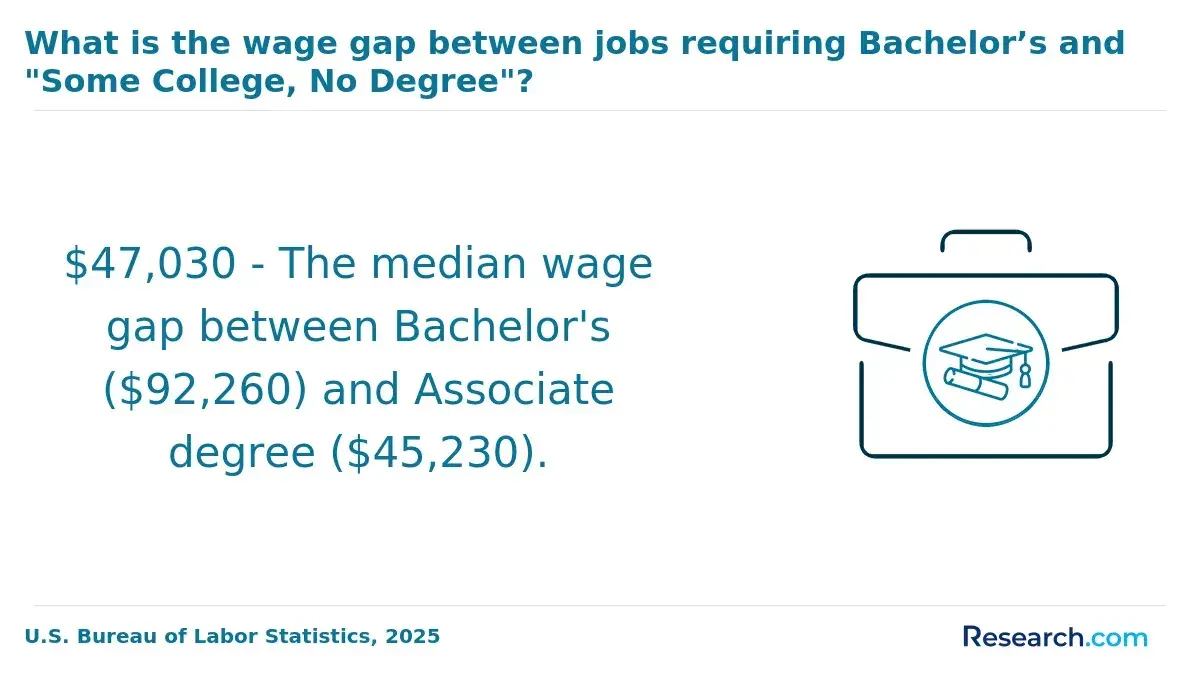
A short credential is less suitable when the target role requires a bachelor's degree, graduate degree, or a tightly regulated license. Learners who already hold a bachelor's and need an advanced academic credential should evaluate whether a master degree in 6 months is credible for their field, accreditation needs, and workload; it is not a shortcut around required professional preparation.
What salary ranges and earning potential can graduates of these programs expect?
Pay depends on occupation, location, employer, experience, shift differentials, union status, licensure, and education beyond the initial program. Use occupational wage data as a market reference, not as a promise that completing a certificate will produce that wage.
According to U.S. Bureau of Labor Statistics May 2024 national median annual wage data, electricians had a median wage of $62,350, HVAC mechanics and installers $59,810, medical assistants $44,200, paralegals and legal assistants $61,010, and graphic designers $61,300. These figures cover workers in each occupation with varied experience and education levels.
The practical ROI question is whether the specific program qualifies you for available entry-level roles and whether transfer credit meaningfully lowers your total cost and time away from work. Request program-level completion, placement, licensure-exam, and wage information where the school is required or willing to provide it. Treat outcomes cautiously when the cohort is small or the school does not explain how it defines employment.
What licensing or certification requirements apply to careers linked to these programs?
Licensing and certification are separate from completing a training program. A license is legal authorization issued by a government authority, while certification is a professional credential typically issued by an independent organization after meeting eligibility and examination standards. A school certificate may prepare a student for either one, but it does not automatically confer one.
Requirements are especially important in these areas:
- Electricians, plumbers, and HVAC professionals may need apprenticeships, supervised work hours, trade examinations, permits, or state and local licenses.
- Practical nurses, registered nurses, dental hygienists, and many allied health professionals need graduation from an approved program and must meet state board requirements before licensure.
- Medical assistants and pharmacy technicians may face employer preferences, national certification expectations, or state registration rules that differ by location.
- Paralegals are generally not licensed as attorneys, but employers may prefer formal education, experience, or voluntary certification.
- Graphic designers usually do not need a license, although software credentials and a strong portfolio may strengthen applications.
Before enrolling, contact the relevant state board or licensing agency and ask the school whether its program meets educational requirements in your intended state. This check is essential for online learners because authorization and clinical placement rules can differ across state lines.
How can students verify accreditation, credit transfer policies, and institutional reputation before enrolling?
Verification should happen before an application fee, deposit, or enrollment agreement. Institutional accreditation is particularly relevant for colleges awarding transferable academic credit and for federal student aid eligibility. Programmatic accreditation or state approval may be the critical standard for healthcare and other regulated training.
Use this process to reduce the risk of paying for credits that do not advance your goal.
- Confirm the institution's accreditation status through the accreditor and verify the school's legal name and location.
- For regulated programs, verify program approval with the applicable state board, not only with the school.
- Read the transfer policy for grade minimums, credit-age limits, residency requirements, maximum transfer credits, and appeal procedures.
- Submit official records and request a written evaluation showing exactly how each accepted credit applies.
- Compare total estimated cost, required in-person time, completion sequence, refund policy, and career outcomes across at least two programs.
- Ask whether the credential is credit-bearing, stackable, and accepted toward a later certificate or degree.
Red flags include guarantees of employment or licensure, vague claims that "all credits transfer," pressure to enroll before evaluation, missing state-authorization information, and refusal to provide a catalog or written cost estimate. A reputable program can explain its credential, limits, and next steps plainly.
Other Things You Should Know About
Some schools offer an unofficial preliminary review before application, while others require an application and official transcripts first. Ask whether the estimate is binding and when you will receive a final written evaluation.
Only some do. Credit-bearing academic certificates may stack into related degrees at the same institution, but transfer to another college depends on that college's policy, course equivalencies, grades, and residency rules.
Possibly, but it is not automatic. Schools may evaluate licenses, military training, industry certifications, portfolios, challenge exams, or prior-learning assessments. Ask about fees and whether awarded credit applies to your intended credential.
No. A fast program is valuable only if it includes required hands-on learning, meets licensing or employer expectations, and leaves you with a credential recognized in the location where you plan to work.
References
- 4 Tips to Find a Credential Evaluation Agency https://myiee.org/blog/choosing-the-best-credential-evaluation-agency/
- Findings (Beyond Transfer) - Public Agenda https://publicagenda.org/resource/beyond-transfer/findings/
- How Do Transfer Credits Work? A Guide for Adult Learners | Whitworth Online https://online.whitworth.edu/news-articles/how-do-transfer-credits-work-when-you-go-back-to-school/
- Transfer Credit Policy https://www.century.edu/admissions/next-steps/transfer-credit-policy/
- Supporting the Health and Well-Being of Transfer College Students - TimelyCare https://timelycare.com/blog/supporting-the-health-and-well-being-of-transfer-college-students/
- Transfer Credit Policy on the Evaluation of Previous Training and Education https://catalog.tmcc.edu/rules-regulations/transfer-credit-policy-evaluation-previous-training-education/
- Deliver faster, more consistent transfer credit decisions. https://decisions.com/solutions/initiative/improve-transfer-credit-evaluation
- How to Reduce Transfer Credit Evaluation Turnaround Time https://www.edvisorly.com/university-insights/how-to-reduce-transfer-credit-evaluation-turnaround-time
- Common Questions https://utahtransferguide.org/Common-Questions
- The Importance of Understanding Transfer Credit Policies https://www.sophia.org/blog/higher-education/understanding-transfer-credit-policies/