2027 Best Career Training Programs With 6-Week Courses

Co-Founder and Chief Data Scientist
A six-week course can be a practical way to build a focused, job-relevant skill, but it is rarely a substitute for the longer education required for licensed occupations. The U.S. Bureau of Labor Statistics projects healthcare support occupations to grow faster than average from 2023 to 2033, creating demand for some entry-level support roles.
This guide helps career changers, job seekers, and working adults compare short programs, understand what credentials they actually earn, estimate total costs, and avoid enrolling in training that will not meet an employer's or state board's requirements.
Key Things You Should Know
- A legitimate 6-week program usually delivers a school certificate of completion, exam preparation, or a short workforce credential - not an associate degree, professional license, or guaranteed job.
- Fast placement is most realistic in employer-facing roles such as customer service, IT support, phlebotomy preparation, security, and skilled-trade helper work; state rules may require additional training, exams, background checks, or supervised hours.
- Compare total cost, schedule, hands-on practice, employer recognition, and certification eligibility before enrolling; the lowest tuition can be poor value if required supplies, exam fees, clinical hours, or licensing steps are excluded.
Top 10 Best Career Training Programs With 6-Week Courses
Popular Trade School Programs
Six-week trade courses commonly introduce welding, HVAC maintenance, electrical basics, construction safety, forklift operation, or commercial-driver-license knowledge. They may award a school certificate or prepare students for an industry exam, but most do not replace a registered apprenticeship, extensive shop hours, or a state license.
Choose a short course when you need foundational skills, safety training, or a targeted credential for helper and trainee roles. Consider a longer certificate, apprenticeship, or associate degree when your target job requires supervised experience, advanced equipment practice, or journeyman licensure.
Healthcare Programs
Common six-week healthcare offerings include phlebotomy, medical billing basics, CPR, basic life support, patient-care foundations, and pharmacy technician exam preparation. A completion certificate is not the same as national certification or state authorization. For example, phlebotomy and pharmacy rules vary substantially by state and employer, and clinical practice may extend beyond six weeks. These programs fit learners seeking an entry point or a skills refresher.
They are not usually sufficient for registered nursing, radiologic technology, dental hygiene, or other licensed professions that require longer approved education.
Criminal Justice / Law Programs
Short programs in criminal justice or law may cover security guard preparation, report writing, legal terminology, conflict de-escalation, court procedures, or paralegal fundamentals. They can help applicants understand workplace expectations, but they generally do not qualify someone as a police officer, attorney, or certified paralegal.
Security work often requires a state-specific license, fingerprinting, background screening, and sometimes firearms training. A six-week legal studies course is best viewed as exploratory or supplementary training; pursue an approved academy, degree, or employer-required pathway for regulated roles.
Arts & Design Programs
Six-week arts and design courses often focus on graphic design software, digital illustration, UX fundamentals, photography, video editing, or portfolio development. They typically provide a completion certificate rather than an academic credential. These courses work best for learners who can leave with demonstrable projects, because employers and clients frequently evaluate portfolios alongside formal education.
A short program may help a beginner test the field or update software skills. For art direction, advanced UX roles, or competitive studio positions, a stronger portfolio, professional experience, and sometimes a longer degree path may be needed.
Which 6-week career programs lead to fast job placement?
The fastest-placement options are usually tied to a clear entry-level task, a local employer need, and a credential employers can verify. Programs with practical labs, clinical partners, employer interviews, or a recognized exam pathway are generally more useful than broad "career readiness" courses.
These pathways can be worth comparing because they vary in regulation, required practice, and realistic first-job options.
| Program focus | Typical six-week outcome | Possible entry-level direction | Important limitation |
| IT support | Help-desk skills or certification preparation | Technical support trainee | Employers may still expect troubleshooting experience |
| Phlebotomy | Classroom and lab preparation | Phlebotomy trainee where permitted | Clinical hours, certification, or state approval may be required |
| Commercial driving | Permit knowledge and driving preparation | CDL trainee | A CDL requires testing and may require more than six weeks |
| Security | Guard-card or de-escalation preparation | Unarmed security applicant | Licensing and background-check rules vary by state |
| Customer service software | CRM, scheduling, and communication training | Customer service representative | Credential recognition depends on the employer |
The Bureau of Labor Statistics reported that customer service representatives had a May 2024 median annual wage of $42,830. That occupation-level figure is not a salary promise for short-course completers, but it shows why transferable communication and software skills can be useful when paired with active job searching.
If speed is your priority, compare programs that include employer relationships with broader best online degrees options that may take longer but support more career mobility. Ask each provider for its definition of "job placement," the reporting period, the number of graduates counted, and whether temporary jobs are included.
What jobs can you get after a 6-week training program?
A six-week program can strengthen an application for entry-level work, especially when it teaches a specific tool, safety practice, or employer-required process. It does not by itself establish that every graduate meets hiring, certification, insurance, background-check, or licensing standards.
The roles below show realistic directions rather than guaranteed outcomes. Hiring requirements differ by employer and location.
| Training emphasis | Potential job titles | What usually improves competitiveness |
| Computer and office support | Help-desk trainee, data-entry clerk, customer service representative | Keyboarding, spreadsheet samples, customer-service experience |
| Healthcare support | Phlebotomy trainee, medical receptionist, patient access representative | Required certification, clinical experience, background clearance |
| Construction and maintenance | Trade helper, maintenance assistant, warehouse associate | Safety card, reliable transportation, hands-on practice |
| Security and public service support | Unarmed security guard, dispatcher trainee | State license where required, clean screening results |
| Creative technology | Production assistant, junior content assistant, freelance design support | Portfolio with relevant projects |
Some jobs require more education than a short course can provide. For instance, the BLS lists a postsecondary nondegree award as typical entry-level education for many medical assistant positions, but employer expectations and state scope-of-practice rules still matter. If your goal is a broader academic credential, compare associate's degrees online rather than assuming six weeks can produce an associate degree.
Are online 6-week career programs accredited and recognized?
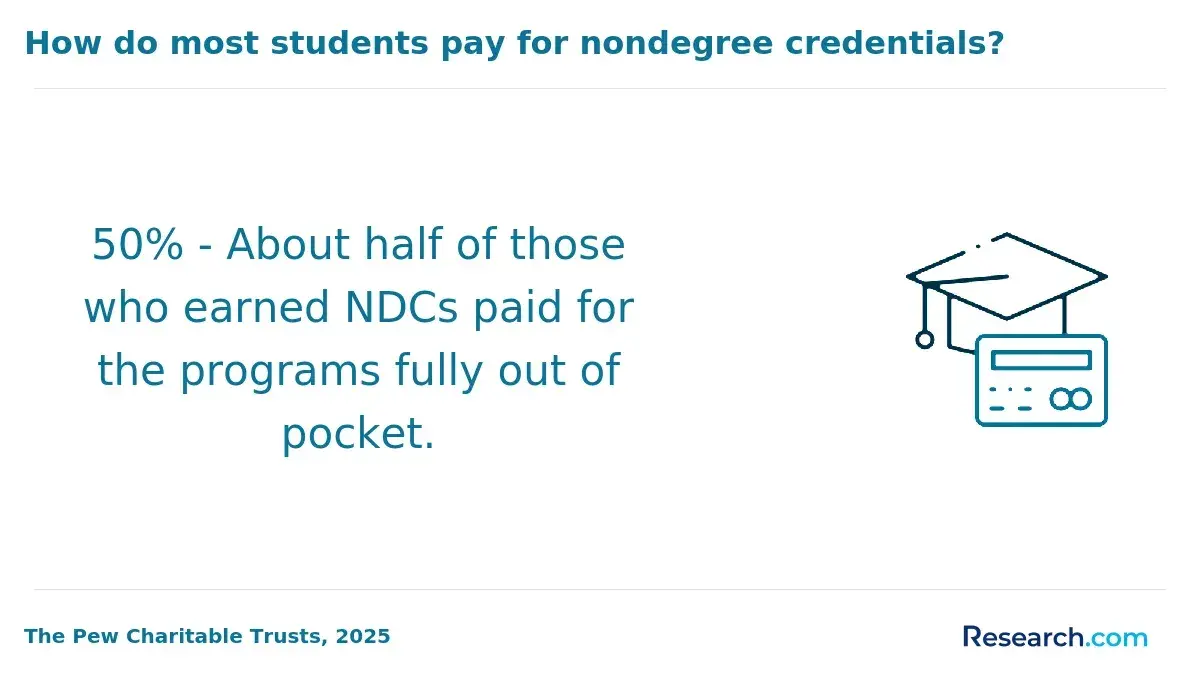
Some are, but many are not designed to be accredited academic programs. A community college may offer a credit-bearing certificate within institutional accreditation, while a private training company may issue a noncredit certificate of completion. Both can be legitimate; they serve different purposes.
Recognition should be checked at three levels: the provider, the curriculum, and the outcome required for the job. Institutional accreditation matters most when academic credit, federal student aid eligibility, or transferability is claimed. Programmatic approval matters for regulated fields such as nursing and certain allied-health occupations. Industry certification preparation matters when employers ask for a credential from an independent certifying body.
A common mistake is reading "accredited" as proof that a course qualifies graduates for licensure. Before paying, contact the relevant state licensing board or certifying organization and ask whether this exact program meets educational eligibility requirements. Also ask whether the credential is credit-bearing, whether credits can transfer, and whether completion merely prepares you for a separate exam.
How much do 6-week career training programs cost?
Costs range widely because a six-week course may be a low-cost online workshop, a community-college workforce class, or an intensive program with equipment, labs, clinical coordination, and exam preparation. Tuition alone is not a reliable comparison point.
Use this cost checklist to calculate the amount you may actually need to pay.
- Tuition and required registration fees
- Books, software subscriptions, uniforms, tools, safety equipment, or supplies
- Certification examination, application, fingerprinting, and background-check fees
- Clinical placement, laboratory, testing, or licensing charges where applicable
- Transportation, parking, childcare, and lost work hours for campus or clinical attendance
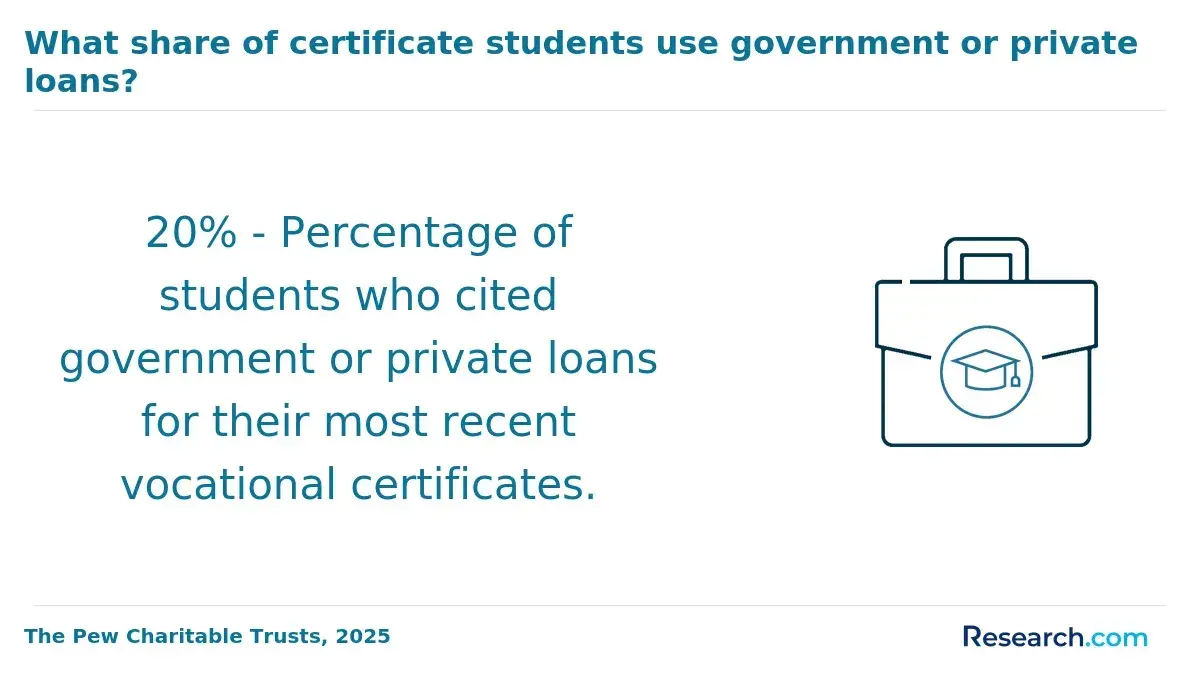
Short noncredit courses may not qualify for federal student aid, even when offered by a college. Ask about employer tuition assistance, workforce-agency funding, payment plans, veterans benefits where applicable, and whether the provider refunds tuition if a required clinical or exam component is unavailable. Do not borrow based on a claimed salary outcome; first verify the role's local job postings and required credentials.
How do online and campus 6-week programs compare?
Online delivery is often a strong fit for software, office, customer-service, and theory-based certification preparation. Campus or hybrid delivery is usually better when you need supervised equipment use, clinical skill checks, driving practice, or real-time feedback on physical techniques.
This comparison highlights the trade-off between schedule flexibility and hands-on verification.
| Factor | Online program | Campus or hybrid program |
| Best for | Digital skills, theory, self-directed learners | Labs, clinical skills, equipment-based training |
| Schedule | Often flexible; may be asynchronous | Usually fixed meeting times |
| Practice evidence | Projects, simulations, remote assessments | Instructor-observed practical work |
| Extra costs | Technology, proctoring, software | Travel, parking, tools, uniforms |
| Main risk | Insufficient accountability or hands-on practice | Less flexibility for work and caregiving |
Do not assume an online course is self-paced; many six-week cohorts have weekly deadlines and live sessions. Learners who need flexible pacing can compare self-paced online college options, while confirming whether a self-paced format still meets any supervised-practice requirement.
What admissions requirements do 6-week training programs have?
Requirements depend on whether the program is a college course, private workforce course, certification-prep class, or regulated clinical program. Many noncredit offerings use simple registration rather than selective college admission, so a GPA, entrance exam, and transfer-credit review may not apply.
More regulated or hands-on programs may require a high school diploma or equivalent, minimum age, government identification, immunizations, drug screening, criminal background checks, physical-capacity documentation, placement testing, or prerequisite coursework. CDL, healthcare, and security pathways can also involve separate state or federal eligibility rules.
Before enrolling, request requirements in writing and identify deadlines that happen after acceptance. A frequent surprise is discovering that an old conviction, missing immunization record, failed drug screen, or unavailable clinical site prevents participation after tuition has been paid. Ask whether the provider offers a refund, alternative placement, or advance eligibility screening.
What certifications do 6-week training programs prepare you for?
A six-week course may prepare you to pursue an independent professional certification, but completion of the course itself normally does not award that certification. A certificate of completion comes from the training provider; a certification is granted by a certifying organization after its eligibility rules are met, often including an exam.
Common preparation areas include CompTIA-style IT exams, CPR and basic life support, OSHA safety training, Microsoft Office skills, pharmacy technician exams, phlebotomy certification exams, and commercial driver licensing tests. Eligibility can require work experience, a criminal-background review, clinical hours, identity verification, or a state-approved education program.
Use quick certifications as a starting point for comparing recognized credentials, then verify the official exam sponsor's current requirements. Ask the school whether exam fees are included, what version of the exam is covered, whether proctoring is available, and whether its pass-rate claim covers all enrolled students or only test takers.
What skills and coursework are in 6-week career programs?
Because six weeks is brief, effective programs should prioritize a narrow set of demonstrable skills instead of attempting to cover an entire profession. Expect intensive weekly work; a six-week course can be demanding if it includes several meetings, assignments, labs, or exam preparation sessions each week.
Core coursework often combines occupational knowledge with employability skills. The best curriculum makes the expected output clear: a completed project, lab competency, practice exam, safety assessment, role-play, or portfolio piece.
- Technical or occupational foundations, such as medical terminology, troubleshooting, design software, or trade measurement
- Safety, privacy, ethics, documentation, and workplace communication relevant to the field
- Hands-on exercises, simulations, case studies, or supervised skills checks when the occupation requires them
- Resume, interview, portfolio, or job-search preparation when the provider advertises career services
AI tools are increasingly part of office, design, and support workflows, but training should teach responsible use rather than substitute automated output for foundational skills. For example, a design learner still needs to explain visual choices, and an IT learner still needs to diagnose a problem rather than merely generate a response.
How do you choose a reputable 6-week training program?
The best program is the shortest one that genuinely meets your next requirement: an employer's preferred skill, a recognized certification exam, a state-approved training rule, or a portfolio need. It is not necessarily the program with the strongest advertising or the lowest sticker price.
Follow these steps before submitting an application or deposit.
- Start with local job postings and write down the exact skills, licenses, software, and certifications employers request.
- Confirm whether your target role is regulated and verify requirements with the appropriate state board, licensing agency, or exam sponsor.
- Request the full syllabus, instructor qualifications, meeting schedule, practical-hours total, and a list of every extra fee.
- Ask whether the credential is credit-bearing, noncredit, stackable into a longer certificate, or transferable to another school.
- Evaluate career-service claims by asking for the placement definition, reporting period, employer partners, and outcomes for comparable students.
- Read cancellation and refund terms before paying, especially if clinical placement, testing, or background clearance is required.
Red flags include guaranteed employment claims, vague statements about accreditation, pressure to pay immediately, no written refund policy, outdated software or exam content, and refusal to explain whether a course meets licensing requirements. A reputable provider should answer direct questions clearly and document what its program does - and does not - qualify you to do.
Other Things You Should Know About
No. An associate degree normally requires substantially more coursework and credits than a six-week course. Some accelerated classes can be six weeks long, but completing an entire degree generally takes much longer.
They can be worthwhile when they meet a specific, verified need, such as learning required software, preparing for a recognized exam, or gaining an employer-requested skill. They are less worthwhile when they make vague job promises or do not meet licensing requirements.
It depends on the provider and program. Many short noncredit workforce courses are not eligible for federal student aid. Ask the school about employer assistance, state workforce funding, payment plans, and any available institutional aid.
Employers may accept them when the provider, curriculum, and resulting skills are credible. For hands-on or regulated work, employers may also require in-person practice, a separate certification, a license, or documented supervised experience.
References
- Career Training Programs https://careertraining.ccac.edu/training-programs/
- Career and Technical Education Policy: A Multistate Case Study on Employment Outcomes https://www.americanprogress.org/article/career-and-technical-education-policy-a-multistate-case-study-on-employment-outcomes/
- Adult Career & Professional Development Programs - Stride https://www.stridelearning.com/our-brands/career-development/
- Beyond the Classroom: 6 Fast-Growing Education Careers That Don't Require Teaching | Gulf Coast Workforce Solutions https://www.wrksolutions.com/news/beyond-the-classroom-6-fast-growing-education-careers-that-don%E2%80%99t-require-teaching
- Why Employment Outcome Rates Matter | ACI Learning https://www.acitechacademy.com/blog/why-employment-outcome-rates-matter-a-guide-for-students-and-employers/
- Sector-specific job training https://catalog.results4america.org/strategies/sector-specific-job-training
- Career Outcomes https://career.mercer.edu/outcomes/
- Paying for Career Training: Cost of Career Training and Trade Schools | Climb Credit https://climbcredit.com/resources/data/pay-for-trade-school-career-training/
- Training & Education Programs https://metroatlantaexchange.org/news/max-mondays/training-and-education-programs/
- Unemployment Job Training in California: 11 Options for Career Support https://climbhire.co/career-development/california-unemployment-job-training/