2027 Best Online Non-Degree Programs With Full-Time Online Options

Co-Founder and Chief Data Scientist
Choosing a fast online program is difficult when "certificate," "certification," and "career training" are used interchangeably. Full-time online non-degree options can build targeted skills without committing to a degree, but they vary sharply in credit value, licensing eligibility, cost, and employer recognition.
The U.S. Bureau of Labor Statistics projects healthcare occupations to grow much faster than average through 2033, underscoring why career-focused training matters. This guide helps prospective students compare formats, verify quality, estimate workload, and choose a path aligned with a realistic job goal.
Key Things You Should Know
- Full-time online non-degree programs usually require roughly 12-18 or more hours of coursework weekly, plus independent study; asynchronous delivery does not mean a lighter workload.
- A certificate is education completed through a school or provider, while a certification is a professional credential typically awarded by an industry body after an exam or other standards are met.
- For regulated careers, confirm state approval and clinical, practicum, examination, or supervised-experience rules before enrolling; a fully online program may not meet licensure requirements.
Top 10 Best Online Non-Degree Programs With Full-Time Online Options
Popular Trade School Programs
Online trade programs work best for theory-heavy preparation, not hands-on skill replacement. Common options include construction management certificates, HVAC fundamentals, electrical theory, welding safety, automotive service coursework, CAD drafting, and logistics certificates. Many lead to a school-issued certificate rather than a state license or journey-level credential.
Choose them if an employer, apprenticeship, or local training site supplies practical experience. Consider a hybrid trade school, registered apprenticeship, or community-college certificate instead when labs, tools, supervised work, or state-approved hours are essential.
Healthcare Programs
Online healthcare non-degree programs commonly cover medical billing and coding, medical terminology, healthcare administration, pharmacy technician preparation, and patient navigation. They may be academic certificates, noncredit career training, or exam-preparation courses.
Billing and coding can be suitable for remote study because coursework centers on documentation and coding systems. Programs for clinical roles, such as medical assisting, practical nursing, sonography, and dental hygiene, generally require in-person labs and clinical placements. Verify that a program meets employer expectations and any state or national certification-exam eligibility rules before paying tuition.
Criminal Justice / Law Programs
Online options in this area include legal studies certificates, paralegal studies, criminal justice certificates, crime analysis foundations, homeland security, and court administration. A paralegal certificate can strengthen legal research, writing, and document-management skills, but it does not authorize someone to practice law or represent clients independently.
Entry standards differ: some post-baccalaureate paralegal certificates require a prior degree, while introductory legal-studies programs may not. Students targeting paralegal work should check local employer preferences and whether the curriculum aligns with American Bar Association guidance, even when formal ABA approval is not required.
Arts & Design Programs
Full-time online arts and design programs may offer certificates in graphic design, UX design, digital marketing design, photography, animation, web design, or digital media. Portfolio quality usually matters more to hiring managers than the credential title alone. Look for structured critiques, current software access, portfolio milestones, and instructors with relevant industry experience.
A noncredit bootcamp can be efficient for career changers with clear goals, while a credit-bearing certificate may be better for students who may later pursue an associate or bachelor's degree. Confirm ownership and access rights for portfolio projects before enrolling.
What types of online non-degree programs offer full-time study options?
Full-time online non-degree study is available in academic certificates, workforce certificates, professional certificates, microcredentials, bootcamps, and exam-preparation programs. The best fit depends on whether the goal is college credit, a job-ready portfolio, preparation for a third-party exam, or advancement in a current role.
Academic certificates from community colleges and universities are often credit-bearing and may be stackable into a degree. Noncredit career programs are usually shorter and more skills-specific, but their credits may not transfer. Learners who need maximum scheduling control should compare best self-paced online college options with cohort-based programs, because self-paced courses demand strong time management and may offer fewer live supports.
Full-time enrollment makes the most sense for students with predictable weekly availability, a near-term career transition, and enough financial capacity to reduce work hours. Part-time study is often safer for working adults, caregivers, and anyone entering a field that requires clinical or hands-on training alongside online classes.
How do online non-degree programs differ from traditional degree and campus programs?
Traditional degree programs provide broader general education and major coursework, commonly take two to four years, and culminate in an associate, bachelor's, or graduate degree. Non-degree programs concentrate on a narrower skill set and may take weeks or months. Neither model is automatically better: the right choice follows the entry requirement of the intended occupation.
Online delivery can reduce commuting and allow students to complete lectures remotely, but it does not eliminate deadlines, group work, proctored exams, equipment needs, or required field experiences. Campus programs may offer easier access to labs, career services, and faculty, while online programs can be more practical for learners far from campus.
A certificate is generally the stronger first choice when a role values a specific skill and does not require a degree. If long-term advancement or graduate admission is the goal, compare it with 1-year master's programs online; a master's is a degree-level investment with substantially different admission and career expectations.
How can students verify accreditation and institutional quality for online non-degree programs?
Institutional quality and credential recognition should be verified before a student applies, especially when a provider promises rapid job placement or uses vague claims about accreditation. In the United States, institutional accreditation is generally relevant for colleges that award academic credit; programmatic approval and state authorization can matter more for regulated training.
Use the following checks to distinguish a credible option from a weak one:
- Confirm the institution's accreditation through the U.S. Department of Education or Council for Higher Education Accreditation databases when the program awards college credit.
- Ask whether the exact online program is authorized for residents of your state and whether any required practicum can be completed locally.
- For licensure-oriented fields, verify approval directly with the relevant state board rather than relying on a school representative's statement.
- Request the curriculum, total charges, refund policy, completion requirements, and written explanation of whether credits transfer or stack into a degree.
- Check that claimed certification-exam preparation matches the current eligibility rules of the independent certifying organization.
Red flags include guaranteed employment, unclear tuition, pressure to enroll immediately, no explanation of practical requirements, and claims that a school certificate itself is a professional certification. Quality review should happen before submitting a deposit, not after classes begin.
What admission requirements and prior education are needed for full-time online certificates?
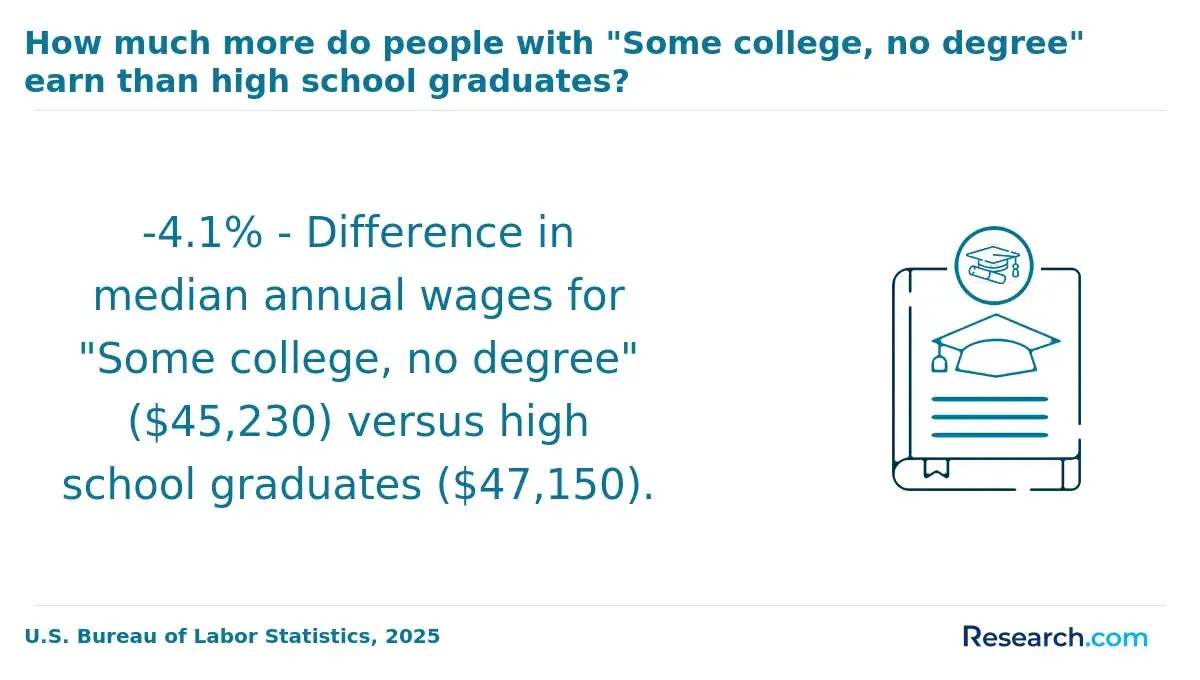
Admission rules depend on the provider and credential level. Introductory noncredit programs may require only an application, payment, internet access, and basic computer skills. Credit-bearing undergraduate certificates commonly require a high school diploma or equivalent, while advanced or post-baccalaureate certificates may require prior college coursework or a bachelor's degree.
Full-time students should ask whether admission also requires placement testing, background checks, immunizations, drug screening, software, or a criminal-history review. These items are particularly relevant in healthcare, education, and some public-safety placements. A GPA requirement, standardized test, or transfer-credit evaluation should never be assumed: confirm the exact policy for the specific certificate rather than the institution broadly.
Applicants with prior credits should get transfer and stackability decisions in writing. A course may be useful professionally even if it does not transfer, but students planning a future degree should prioritize credit-bearing programs with documented pathways.
How long do full-time online non-degree programs take, and what do they cost?
Many full-time online non-degree programs take several weeks to about one year, depending on required credits, pacing, prerequisites, and whether clinical or fieldwork hours are included. Accelerated programs compress deadlines rather than reducing content, so they can be a poor fit for learners balancing full-time employment.
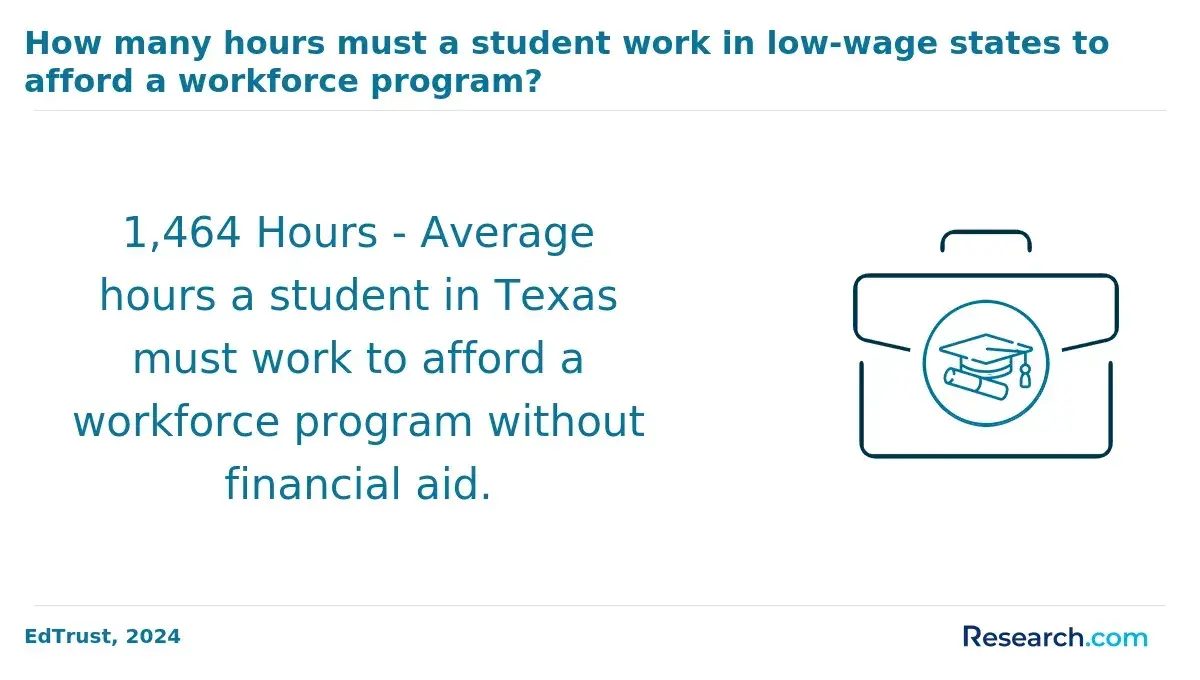
Total cost is more than advertised tuition. Compare tuition, technology fees, textbooks, exam vouchers, background checks, software, equipment, travel, and any required in-person training. Students seeking a lower-cost academic route can also compare a certificate's total price and transfer value with a cheapest online university option, particularly if they expect to need a bachelor's degree later.
Federal student aid may be available for eligible students in qualifying credit-bearing programs at approved institutions, but many noncredit certificates and third-party training programs do not qualify. Employer tuition assistance, workforce grants, payment plans, and Workforce Innovation and Opportunity Act support may be relevant, but eligibility varies by employer and location.
What curriculum and coursework can students expect in common online certificate fields?
Curriculum should match the tasks required in the target role, not simply a popular program name. Strong online certificates combine foundational knowledge with assessed practice, feedback, and evidence of competence. A course completion badge alone is less persuasive when employers expect a portfolio, supervised hours, or a recognized exam.
Common fields typically emphasize the following areas:
- Information technology: hardware, networking, cloud tools, cybersecurity fundamentals, troubleshooting, scripting, and certification-exam preparation.
- Business and project support: spreadsheets, accounting basics, project documentation, customer relationship systems, communication, and data reporting.
- Healthcare administration: medical terminology, insurance processes, privacy rules, electronic records, coding concepts, and revenue-cycle workflows.
- Design and digital media: design principles, industry software, accessibility, user research, production workflows, and portfolio development.
- Legal support: legal research, citation, drafting, civil procedure concepts, ethics, document review, and litigation technology.
Before enrolling, compare syllabi and assignments with actual job postings in your area. This is more useful than choosing solely by program length or a provider's marketing language.
What careers and entry-level roles can online non-degree programs prepare students for?
Online non-degree programs can prepare learners for entry-level or support roles when the curriculum matches employer needs and the learner can demonstrate skills. They are most useful for occupations where a degree is not legally required, or where the program supplements prior education and experience.
Potential pathways include help desk support, junior bookkeeping, medical billing support, pharmacy technician preparation, customer service operations, logistics coordination, legal assistant support, digital content production, and junior design work. A program alone may not qualify a learner for roles that require licensure, an associate or bachelor's degree, clinical experience, or employer-sponsored training.
For a broader comparison of short credentials associated with career advancement, review available certificate programs while distinguishing school-issued certificates from independent professional certifications. Employers may value both, but they signal different things.
Build evidence while studying: save nonconfidential projects, complete simulations, seek internships or volunteer work where appropriate, and tailor a résumé to the skills named in job postings. That approach is generally more credible than claiming that completion alone establishes job readiness.
What salary ranges and job outlook are associated with common online certificate pathways?
Salary and job outlook depend on occupation, geography, experience, employer, education level, and licensure - not simply on completing an online certificate. Use federal occupational data as a benchmark for the role, then compare its stated entry requirements with what the program actually provides.
For example, the U.S. Bureau of Labor Statistics projects employment for medical records specialists to grow 9% through 2033, faster than the average for all occupations. That outlook can support interest in health information training, but employers may still prefer coding credentials, experience with particular systems, or formal education beyond a short course.
Technology-related certificates can open interviews for support work, but AI and automation are increasing the value of troubleshooting, communication, security awareness, and role-specific experience. Creative programs similarly require portfolios; legal and healthcare programs may require additional compliance training. Ask each provider for transparent, role-specific outcomes and the methodology behind any published placement claims.
How do online non-degree programs support licensing or professional certification requirements?
Some programs prepare students for a separate certification exam; others meet part of a state licensing education requirement; many do neither. The distinction is critical. Completing a medical coding course, for example, is not the same as earning an independent coding certification, and completing online electrical theory is not the same as obtaining a state trade license.
Before choosing a licensure- or certification-oriented program, take these steps:
- Identify the exact job title and the state where you intend to work.
- Read the licensing board or certifying organization's current eligibility requirements directly.
- Match each requirement - education, clinical hours, supervised experience, examination, background review, or prior degree - to the program's written documentation.
- Ask whether the school arranges placements, whether they are available in your location, and what happens if a placement cannot be secured.
- Budget separately for examination, application, renewal, continuing education, and travel costs where applicable.
If the provider cannot clearly document alignment, treat the program as general education rather than a reliable path to licensure. This protects students from spending on training that cannot be used for the intended credential.
Other Things You Should Know About
Yes. Many certificates and career-training programs offer full-time schedules, accelerated terms, or cohort formats. Confirm the expected weekly workload, live-session times, exam deadlines, and any in-person requirements before reducing work hours.
They can be, particularly when issued by a recognized college, university, industry provider, or professional organization and paired with demonstrable skills. Employer recognition varies by field, so review local job postings and ask whether the credential prepares for a recognized certification or portfolio.
Sometimes, but many licensed occupations require in-person labs, clinical practice, supervised fieldwork, or state-approved education. Verify requirements directly with the licensing board in the state where you plan to work.
Usually, but not always. A short program may have lower tuition yet limited transfer value, while a credit-bearing certificate may cost more but apply toward a future degree. Compare total expenses, career requirements, and the cost of any later education you may need.
References
- Five Ways to Support Todayâs Online Learners â InsideTrack https://www.insidetrack.org/blog/5-ways-to-support-todays-online-learner
- Financial Aid Guide for Students at Online Colleges - OnlineColleges.net https://www.onlinecolleges.net/for-students/financial-aid-online-students/
- Best Online Colleges for Working Adults [2026] https://www.straighterline.com/blog/degree-completion-best-online-colleges-for-working-adults
- How 24/7 Technical Support Drives Student Success and Retention https://www.ruffalonl.com/blog/graduate-online-enrollment/always-on-how-24-7-technical-support-drives-student-success-and-retention/
- Non-Traditional Student Management: Essential Strategies for Supporting Today's Diverse Learners https://moderncampus.com/blog/traditional-vs-non-traditional-students.html
- Beyond Financial Aid - Finaid https://finaid.org/beyond/
- Online Learning https://www.ccp.edu/degrees-programs/all-academic-offerings/online-learning
- Getting a job without a 4-year degree. Prospects increase with a certificate. https://www.luminafoundation.org/resource/non-degree-credentials-provide-value-for-adults-in-the-labor-market/
- Student Services for Online Learners: Choosing the Right School for You https://www.onlineu.com/resources/college-planning/student-services-for-online-learners
- The Non-Degree Market: Oasis or Mirage? https://www.encoura.org/resources/wake-up-call/the-non-degree-market-oasis-or-mirage/