2027 Best Certificate Programs With Student Success Coaching

Co-Founder and Chief Data Scientist
Choosing a short career program is risky when the credential, support services, and job target do not align. Certificate programs with student success coaching pair focused training with help such as academic planning, accountability, career preparation, and referrals to campus resources. This matters in fields where training requirements differ sharply by employer and state.
The U.S. Bureau of Labor Statistics projects healthcare support occupations to grow faster than average from 2024 to 2034, making careful program selection especially important. This guide helps career changers, recent graduates, and working adults compare options, verify quality, and assess whether coaching adds practical value.
Key Things You Should Know
- Choose a certificate only after confirming that its curriculum meets the employer, certification-exam, or state licensure requirements for your intended role; a school certificate is not automatically a professional certification or license.
- Coaching is most useful when it includes scheduled check-ins, early academic alerts, career advising, and clear escalation to tutoring or financial-aid staff - not just an orientation email.
- As context for earnings, BLS reports a $62,350 median annual wage for electricians in 2024 and a $44,200 median for medical assistants; occupation-level figures do not mean every certificate graduate earns that amount.
Top 10 Best Certificate Programs With Student Success Coaching
Popular Trade School Programs
Trade certificates commonly cover electrical, HVAC/R, welding, plumbing, automotive service, diesel technology, and industrial maintenance. They usually combine safety instruction with hands-on labs and may prepare students for an employer test, apprenticeship entry, or an external credential such as EPA Section 608 for refrigerant work. Choose a credit-bearing community-college certificate if you may later pursue an associate degree; choose an approved apprenticeship when paid work experience is the priority. Ask whether required tools, uniforms, exam fees, and lab access are included. Avoid programs that imply training alone replaces state licensing or supervised experience.
Healthcare Programs
Healthcare certificates can lead toward medical assisting, pharmacy technician, dental assisting, sterile processing, practical nursing prerequisites, medical billing and coding, or nursing assistant training. Clinical programs may require immunizations, background checks, drug screening, CPR certification, and in-person rotations. A coach can help learners sequence these deadlines, but the school must arrange or clearly define clinical-placement expectations. Verify whether the program qualifies graduates for a recognized certification exam and whether your state requires a license, registry listing, or approved training provider. Fully online clinical training is a warning sign unless required practical hours are separately documented.
Criminal Justice / Law Programs
Certificates in paralegal studies, legal assisting, court reporting support, corrections, emergency management, cybersecurity law, and criminal justice are often best for people seeking foundational knowledge or advancement in related workplaces. Paralegal certificates may be most valuable when offered by a recognized institution and paired with legal research, writing, ethics, and software training. They do not authorize independent legal practice. Police officer, attorney, and many forensic roles have separate agency, degree, academy, examination, or licensing requirements. Coaching should include resume review, internship guidance, and realistic discussion of background-check standards.
Arts & Design Programs
Arts and design certificates may focus on graphic design, UX/UI foundations, digital photography, animation, interior design basics, web production, or video editing. Portfolio quality usually matters more than the certificate title alone, so prioritize programs with critique, project briefs, current software access, and a final portfolio review. A coach can keep students on production deadlines and connect them with career services, but cannot substitute for a strong body of work. Check ownership of portfolio files, software costs, instructor experience, and whether the curriculum reflects the tools employers in your target market use.
What is a certificate program with student success coaching and how does it work?
A certificate program is a structured course of study awarded by a college, trade school, employer training provider, or other education organization after learners complete specified requirements. It can be academic and credit-bearing, workforce-focused and noncredit, or a short professional certificate. A certification is different: it is typically awarded by an independent certifying body after an exam and, sometimes, work-experience requirements.
Student success coaching is a proactive support model, not a credential. A coach generally helps students establish an education plan, manage deadlines, identify barriers, use tutoring and accessibility services, and prepare for career steps. The strongest models include recurring appointments and documented follow-up rather than relying on students to request help after falling behind.
Before enrolling, ask the provider to describe exactly what coaching includes. Useful questions include:
- How often will I meet with a named coach, and is support available evenings or weekends?
- What happens if I miss coursework, a lab, a clinical deadline, or an exam?
- Can the coach connect me with tutoring, disability services, childcare resources, career advising, and financial-aid staff?
- Does the program track completion, certification-exam eligibility, placement, and wage outcomes for this specific credential?
How do online and campus-based certificate programs with coaching compare?
Online and campus programs can award the same type of certificate, but their value depends on the field and how support is delivered. Online study often fits theory-heavy subjects such as billing, coding foundations, legal studies, IT support, and digital design. Campus or hybrid delivery is usually more practical for welding, electrical labs, clinical skills, and equipment-based training.
This comparison highlights the trade-off between schedule flexibility and access to required hands-on learning.
| Decision factor | Online certificate | Campus or hybrid certificate |
| Best fit | Self-directed learners and theory-based curriculum | Programs requiring labs, clinical practice, or shop equipment |
| Coaching delivery | Video, phone, text, learning-platform alerts | In-person meetings plus digital follow-up |
| Main advantage | Greater location and scheduling flexibility | Direct access to equipment, faculty, and peers |
| Main risk | Isolation or unclear local practical requirements | Commuting, fixed meeting times, and limited section availability |
| Verify before enrolling | Proctoring, externships, licensure eligibility, time zone, technology | Lab hours, transportation, clinical sites, and make-up policies |
If work obligations are the central constraint, compare the schedule design of degree programs for working adults with shorter certificates. An accelerated format is only a good fit when its weekly workload and required live sessions are realistic.
How can students verify accreditation and quality of certificate programs with coaching?
Accreditation and quality checks should match the kind of provider and career goal. Institution-level accreditation matters most for academic, credit-bearing certificates, transfer credit, and federal student aid eligibility. Programmatic approval can be more important in regulated fields, where a state board, accreditor, or certifying organization may require specific curriculum and clinical hours.
Use this verification sequence before paying an application fee:
- Identify the exact job, certification exam, or license you want, then review the relevant employer, state board, or certification body's eligibility rules.
- Confirm the school's institutional accreditation directly through the accreditor or the U.S. Department of Education database when the certificate is college-based.
- Ask whether the specific program has field approval, required clinical or lab hours, and exam eligibility in your state.
- Request the current catalog, total-cost worksheet, completion policy, refund policy, and published outcome definitions.
- Speak with admissions and coaching staff separately to confirm who provides support after enrollment.
Red flags include vague claims that a program is "accredited" without naming an accreditor, pressure to enroll before receiving written costs, promises of guaranteed employment, and refusal to explain local licensure limits. For noncredit provider certificates, evaluate employer recognition, instructor qualifications, curriculum currency, and transparent outcomes rather than assuming academic accreditation applies.
What admission requirements and prerequisites do these certificate programs typically have?
Admission requirements vary by credential type. Many entry-level noncredit certificates require a high school diploma or equivalent and an application; some have open enrollment. College credit certificates may require placement testing, transcripts, English or math prerequisites, and minimum grades in prerequisite courses. Graduate certificates normally require a completed bachelor's degree and may expect relevant professional preparation.
Regulated and hands-on programs can add requirements that are more important than GPA. Healthcare learners, for example, may need health records, background clearance, liability coverage, and clinical-site approval. Trade programs may require safety training or physical-capacity disclosures. Programs preparing for advanced industry certifications may expect prior job experience.
Do not assume credits transfer. Ask whether courses are credit-bearing, whether they apply to a named associate or bachelor's pathway, the minimum grade needed to stack them, and the deadline for doing so. Learners who ultimately need advanced practice or leadership credentials may be better served by a degree pathway, including affordable online master's programs, rather than repeatedly purchasing unrelated short courses.
How long do certificate programs with student success coaching take and what do they cost?
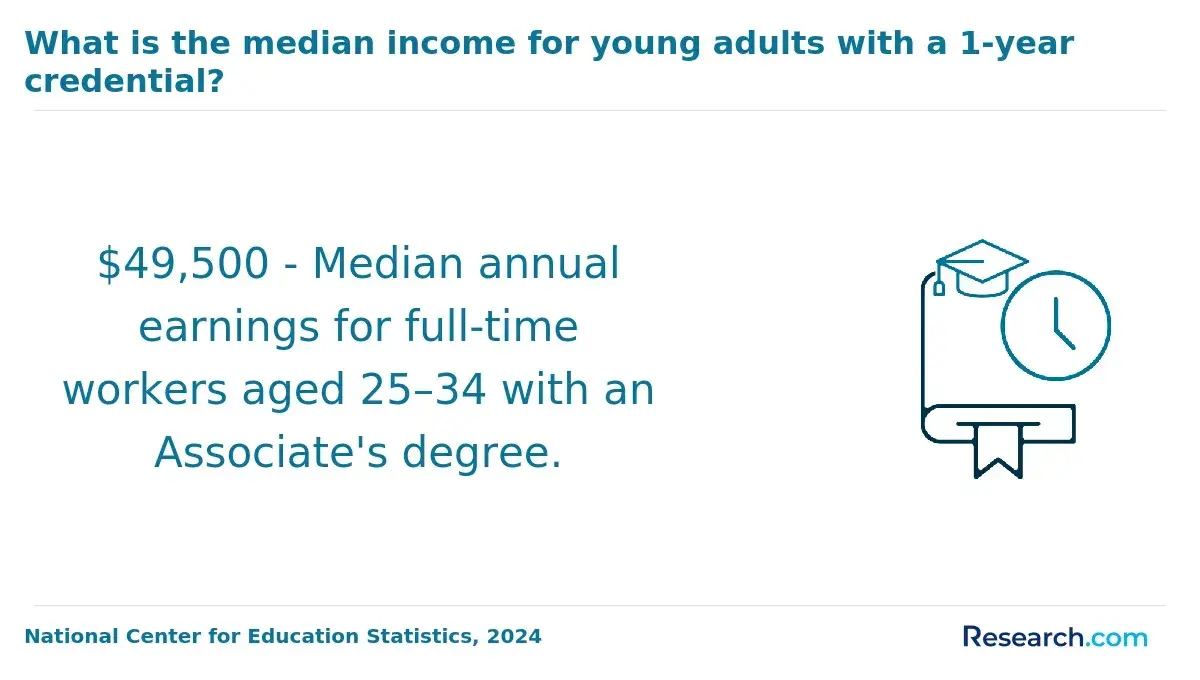
Program length ranges from a few weeks for a focused noncredit professional certificate to roughly one year for many college or trade certificates. Clinical, apprenticeship-linked, and lab-intensive pathways can take longer because required practical hours cannot always be accelerated. Coaching may improve organization and persistence, but it does not remove attendance, competency, or licensure requirements.
Total cost is broader than posted tuition. The following cost categories help applicants compare programs on an equal basis.
| Cost category | Why it matters | What to request |
| Tuition and mandatory fees | May differ by residency, credit load, and delivery format | Itemized total for the full program |
| Tools, equipment, and software | Often significant in trades and design programs | Required-item list and replacement policy |
| Exams, background checks, and licenses | May be necessary for clinical or certification pathways | Current third-party fee estimate |
| Travel, parking, and clinical costs | Can affect hybrid and placement-based programs | Location and scheduling expectations |
| Lost work time | Evening labs and unpaid practicums can reduce earnings | Weekly attendance and practicum-hour schedule |
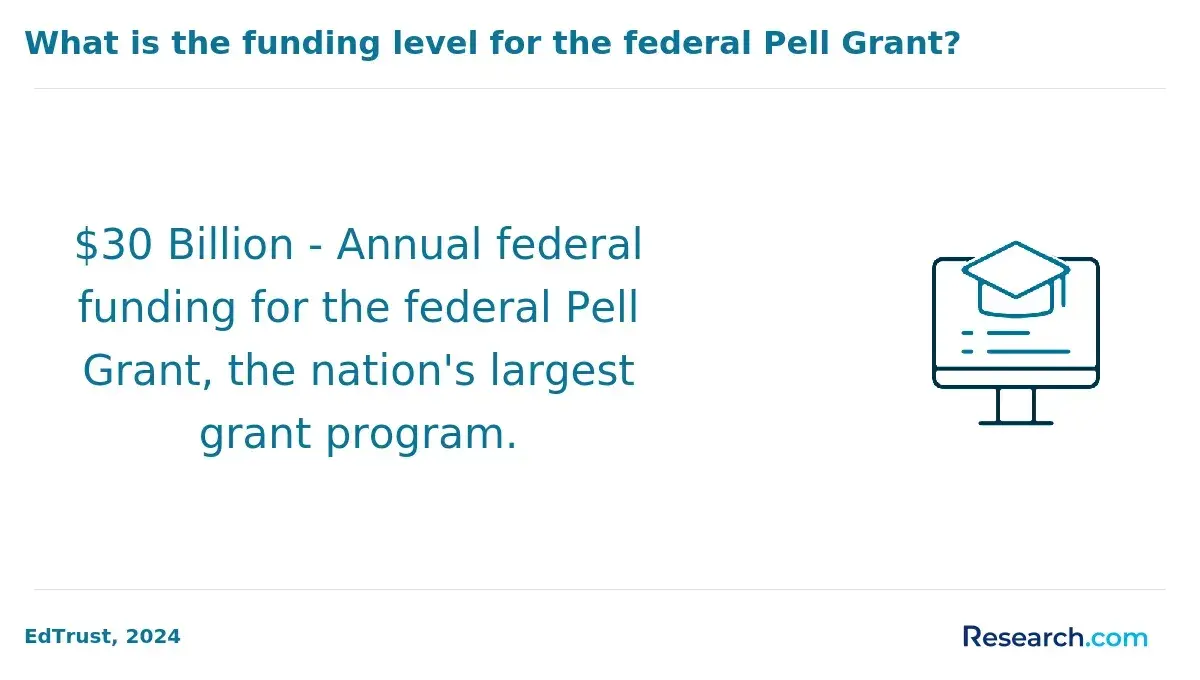
Credit-bearing certificates at eligible institutions may permit federal aid for qualifying students, while short noncredit offerings often do not. Ask about payment plans, employer tuition assistance, workforce-agency funding, scholarships, and refund deadlines. Do not borrow based solely on advertised placement claims. If a longer academic route is necessary for your target role, compare total cost and time with the cheapest doctoral programs only when a doctorate is genuinely required for the intended profession.
What coursework and coaching services are included in these certificate program curricula?
Curricula should build job-relevant knowledge, applied practice, and evidence of competency. A strong technical certificate identifies the equipment, software, procedures, assessments, safety standards, and supervised hours students must complete. A strong academic certificate identifies credit hours, learning outcomes, and how courses apply to a larger credential, if applicable.
Coaching services vary widely, so compare them as carefully as courses. The most meaningful package commonly includes:
- An intake meeting that connects the learner's goal, schedule, finances, and prerequisite status to a realistic completion plan.
- Regular progress reviews using attendance, assignment, or learning-platform data to identify trouble early.
- Referrals to tutoring, writing help, technology support, accessibility services, and financial-aid or benefits counseling.
- Career support such as resume feedback, interview practice, portfolio review, internship guidance, and employer-event referrals.
- A completion and transition plan covering certification exams, licensure applications, job search steps, or the next stackable credential.
Ask whether coaching is included in tuition, optional, limited to business hours, or delivered by personnel with large caseloads. Coaching is a support service, not individualized therapy, legal advice, or a promise that the school will secure employment.
What careers can certificate programs with student success coaching prepare students for?
Career outcomes depend on the program's scope, your prior experience, local hiring, required credentials, and any state rules. Certificates can be a direct route into some technician and support roles, while other fields use them to build skills alongside an associate or bachelor's degree. For example, an HVAC certificate may support entry into installation or maintenance work, whereas a legal studies certificate does not make someone an attorney.
This snapshot distinguishes roles where focused training can be useful from roles that usually require further preparation.
| Program area | Possible entry or support roles | Common additional requirement |
| Electrical and HVAC | Helper, installer trainee, maintenance technician | Apprenticeship, supervised hours, or state licensing may apply |
| Healthcare support | Medical assistant, pharmacy technician, billing specialist | Exam, registry, employer preference, or state rule may apply |
| Legal studies | Legal assistant or paralegal support | Employer experience expectations; no independent legal practice |
| Design and digital media | Production artist, junior designer, content assistant | Portfolio, software proficiency, and competitive hiring market |
| IT and business | Help desk, project support, data operations support | Industry certification or prior experience may strengthen candidacy |
People aiming for management, advanced analytics, counseling, or specialized technical leadership should compare certificate outcomes with the occupations supported by most lucrative masters degrees. More education is not automatically better; it should match an actual job requirement and a defensible return on investment.
What salary ranges and earning potential are associated with careers from these certificates?
Salary data should be used as labor-market context, not as a promise from a certificate. The U.S. Bureau of Labor Statistics reports that electricians had a 2024 median annual wage of $62,350, HVAC mechanics and installers had a median of $59,810, medical assistants had a median of $44,200, paralegals and legal assistants had a median of $61,010, and graphic designers had a median of $61,300. These figures cover workers across experience levels, education backgrounds, locations, and employers.
The table shows why job requirements matter more than a program's marketing label.
| Occupation | 2024 median annual wage | 2024-2034 projected outlook | Certificate decision note |
| Electricians | $62,350 | 9% growth | Training may support entry, but apprenticeship and licensing are commonly central. |
| HVAC mechanics and installers | $59,810 | 8% growth | Verify practical training and refrigerant-handling requirements. |
| Medical assistants | $44,200 | 12% growth | Employers may prefer certification; state scope rules vary. |
| Paralegals and legal assistants | $61,010 | 1% decline | Experience, legal research ability, and local demand remain important. |
| Graphic designers | $61,300 | 2% growth | A portfolio and current digital skills can be decisive in hiring. |
Compare local job postings, entry-level pay, required experience, and the full training cost before estimating ROI. Automation and AI tools are changing task mix in design, administrative work, and some legal-support functions, so choose programs that teach judgment, quality control, client communication, and current tools rather than a narrow software workflow alone.
How does student success coaching impact completion rates and job outcomes for learners?
Student success coaching can improve a learner's ability to navigate barriers that commonly cause withdrawal: missed deadlines, unclear requirements, work conflicts, financial stress, and uncertainty about next steps. Its impact is strongest when the coach contacts students early, has access to progress information, and can connect them quickly with appropriate services. A friendly check-in without follow-through is not the same as a structured retention system.
Schools should be able to explain how they assess coaching quality. Ask for outcomes separated by program and student population, along with definitions for completion, job placement, and employment retention. A reported placement rate is less useful if the provider cannot state the time period, whether jobs were related to training, or how many graduates were included.
Use these signs to judge whether coaching is likely to be substantive:
- Coaches have scheduled outreach milestones before and during high-risk points such as the first assessment, clinical clearance, or final project.
- Students can receive help with both academic barriers and career-transition tasks.
- The provider gives written response-time expectations and a clear process for urgent problems.
- Completion and employment claims are documented, current, and specific to the certificate - not combined with unrelated programs.
Coaching can make a good program more manageable, but it cannot fix weak instruction, insufficient hands-on practice, unaffordable costs, or a credential that does not meet local hiring requirements.
Other Things You Should Know About
They can be worthwhile when the credential directly supports your target job and coaching is structured, accessible, and included at a reasonable total cost. Verify practical training, exam or license eligibility, and local employer demand before treating coaching as a deciding factor.
Possibly. Some credit-bearing certificates at eligible institutions can qualify students for federal or state aid, while many noncredit and third-party professional certificates do not. Ask the provider's financial-aid office about eligibility for the exact program, not the school generally.
Not necessarily. Completing a certificate program awards an education credential. Professional certification may require a separate application, examination, fees, continuing education, and sometimes documented work experience.
For regulated fields, confirm directly with the relevant state licensing board or certifying organization that the curriculum, supervised hours, and delivery format meet current eligibility rules. Get the school's answer in writing, but do not rely on it as the only verification.
References
- Student Success Coaching Certificate | DC Education Group https://www.dceducationgroup.com/success-coach-certificate
- Coaching as an Effective Student Support in Last-Dollar Scholarship Programs - Research for Action https://www.researchforaction.org/news-events/college-access-success/coaching-as-an-effective-student-support-in-last-dollar-scholarship-programs/
- InsideTrack Coaching Certifications and Micro-credentials https://www.insidetrack.org/programs-certifications
- Which College Students Could Benefit Most from Success Coaching? - TimelyCare https://timelycare.com/blog/which-college-students-could-benefit-most-from-success-coaching/
- Academic Life Coach Training | Life Coach Schools Online https://www.coachtrainingedu.com/academic-life-coach-training/
- Advancing Student Outcomes at Michigan's Public Universities through Student Success Coaching Programs https://www.masu.org/news/student-success/02-23-2018/advancing-student-outcomes-michigans-public-universities-through
- Coaching Certificate - Beacon College https://www.beaconcollege.edu/college-readiness-programs/certificate-program/
- Evidence-Based Strategies for Success in Community Colleges https://www.jff.org/blog/evidence-based-strategies-for-success-in-community-colleges/
- Learn More: Student Success Coaching https://www.partnershipstudentsuccess.org/success-coaching/
- The 5 Best Coaching Certification Programs in 2026 https://coaching.success.com/blog/best-coaching-certification-programs-2026