2027 Best Non-Degree Programs for Parents

Co-Founder and Chief Data Scientist
Parents choosing career training need a program that fits childcare, work shifts, and a realistic job goal - not simply the shortest option. Non-degree programs can range from a few-week industry course to a credit-bearing college certificate or associate degree. U.S. Bureau of Labor Statistics data show that medical assistants had a $44,200 median annual wage in 2024, while electricians had a $62,350 median. This guide helps parents compare flexible programs, verify quality and licensure fit, estimate total costs, and choose training with practical value.
Key Things You Should Know
- For parents seeking a faster career change, short certificates, apprenticeships, and associate degrees can be more practical than a bachelor's degree, but they lead to very different jobs, licensing pathways, and schedules.
- Program length ranges from weeks for some noncredit workforce courses to about two years for an associate degree; tuition is only one cost, since exams, tools, uniforms, childcare, transportation, and unpaid clinical hours can matter.
- Choose programs by required credential first: BLS reported 2024 median annual wages of $62,350 for electricians, $61,010 for paralegals and legal assistants, and $44,200 for medical assistants, but a program alone does not guarantee employment or that wage.
Top 10 Best Non-Degree Programs for Parents
Popular Trade School Programs
Healthcare Programs
Healthcare non-degree options include medical assisting, dental assisting, pharmacy technician, practical nursing, medical billing and coding, phlebotomy, and nursing assistant training. Programs may award a school certificate, prepare learners for an external certification exam, or meet state training rules; these are not the same outcome. Clinical placements can require daytime attendance even in otherwise online programs. Medical assisting certificates commonly take about nine to 12 months, while practical nursing programs often take roughly one year and lead toward a state licensing exam. Verify background-check, immunization, drug-screen, CPR, and clinical-hour requirements before enrolling.
Criminal Justice / Law Programs
Parents interested in legal support or public-service work can consider paralegal studies, legal assistant, court reporting, legal transcription, cybersecurity, emergency management, or criminal justice certificates and associate degrees. A paralegal certificate may be appropriate for someone who already holds a degree, while an associate degree can suit a first-time college student. Programs do not authorize graduates to practice law or promise government employment. For law-enforcement roles, agencies often impose separate age, fitness, background, academy, and residency requirements. Choose a curriculum aligned with local employers and ask whether internships, legal software training, and career services are included.
Arts & Design Programs
Graphic design, UX/UI foundations, digital marketing design, web design, photography, video editing, interior design support, and drafting programs can build portfolio-ready skills. Short noncredit courses work best for parents adding a focused software skill; college certificates or associate degrees offer more structured feedback and may include credit. Employers usually assess portfolios, technical ability, and project experience more closely than the program title. Software subscriptions, equipment, and portfolio production can raise total costs. Parents should review student portfolios, instructor experience, project briefs, and whether the schedule supports enough time for creative practice.
What types of non-degree programs work best for busy parents?
The best non-degree program for a busy parent has predictable scheduling, a clear employer or licensing connection, and a workload that can survive family disruptions. Asynchronous coursework can help with reading-heavy fields such as billing, coding, bookkeeping, design theory, and IT foundations. Programs requiring labs, clinicals, driving practice, or apprenticeships need more calendar planning but can provide essential supervised experience.
These formats fit different family situations:
| Program format | Best fit | Parent consideration |
| Fully asynchronous online certificate | Parents needing flexible study hours | Requires self-direction and may not meet hands-on licensing requirements |
| Evening or weekend hybrid program | Parents who need instructor access and labs | Confirm every required campus date before enrolling |
| Apprenticeship | Parents able to work a fixed daytime schedule | Can provide wages, but attendance expectations are usually strict |
| Accelerated cohort | Parents with dependable support at home | Fast pacing leaves little room for missed assignments or clinical shifts |
Parents considering a longer credential after career training can compare online master's programs only if they already meet the degree prerequisites and need graduate-level preparation rather than entry-level workforce training.
How do online non-degree programs compare to campus options for parents?
Online non-degree programs can reduce commuting and let parents complete lectures after children are asleep, but they are not automatically easier. Campus or hybrid programs usually provide scheduled access to equipment, instructors, peers, and supervised practice. For regulated healthcare and skilled-trade fields, fully online delivery often cannot replace clinical, lab, shop, or field requirements.
The comparison below highlights the decision points that affect family logistics and career usefulness.
| Factor | Online option | Campus or hybrid option |
| Schedule control | Often strongest for lectures and assignments | Set meeting times can simplify routine but reduce flexibility |
| Hands-on learning | Limited unless local placements are arranged | Usually stronger access to labs, simulations, and equipment |
| Networking | May require deliberate outreach | More immediate contact with classmates and local employers |
| Licensure preparation | Must be verified by state and program | May be easier to coordinate, but still requires verification |
For a fully online path, ask who arranges placements, what happens if a site is unavailable, and whether assessments have fixed proctored times. Parents who later need a lower-cost degree route may also compare cheapest online colleges, while checking transfer rules before assuming a noncredit credential will count.
What accreditation and quality standards should parent-focused programs meet?
Use these checks before paying a deposit:
- Confirm that the credential matches the job requirement, not merely a similar job title.
- Ask the relevant state board whether the program meets education rules for licensing or examination eligibility.
- Review total charges, refund terms, completion requirements, and whether externships or clinical placements are guaranteed or merely offered.
- Request recent outcome information and ask how the school defines completion, placement, and salary outcomes.
A school certificate confirms completion of its curriculum; an industry certification is awarded by a certifying body after its own eligibility and examination requirements. Parents pursuing graduate study later should distinguish short training from formal degrees, including cheapest masters online options that have separate admissions and academic-credit standards.
What admission requirements and prerequisites do non-degree programs for parents have?
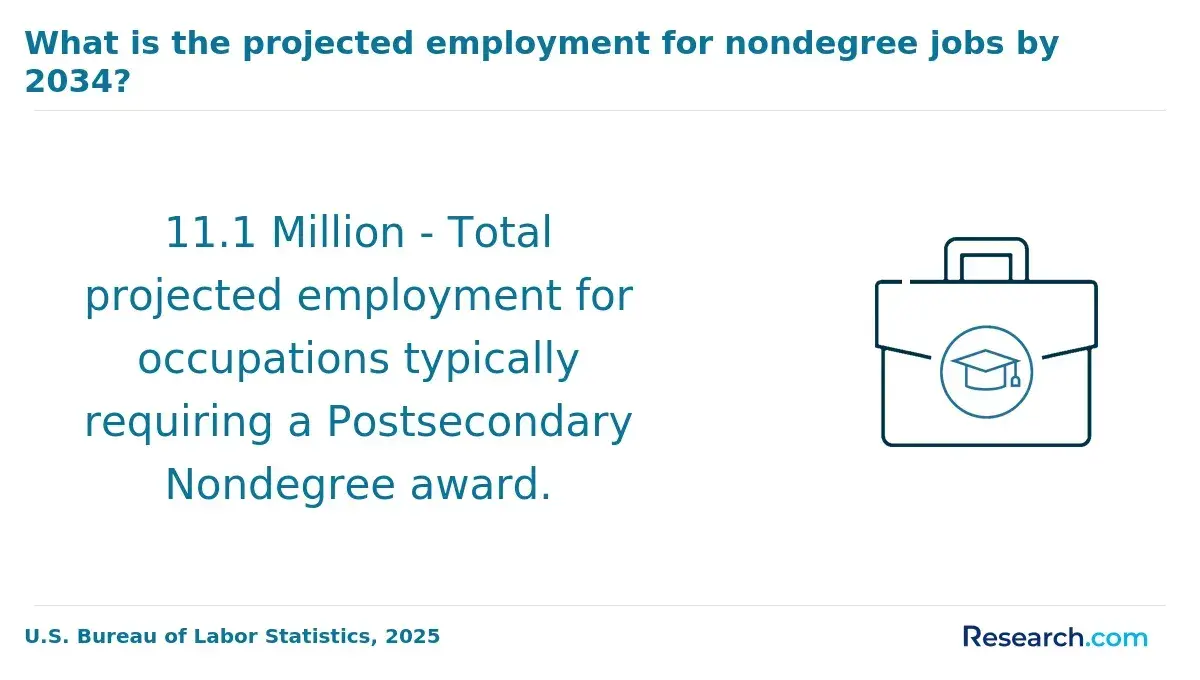
Admissions requirements vary more than many parents expect. Noncredit courses may require only registration and payment. College credit certificates and associate degrees commonly require an application, identity and residency documentation, and placement or prior-course review; selective healthcare programs can add prerequisite courses and competitive admission. Trade apprenticeships may require a diploma or GED, aptitude testing, a driver's license, and the ability to meet jobsite conditions.
Before applying, make a written list of requirements that could affect your start date:
- High school diploma, GED, or prior college coursework
- Minimum age, legal work authorization, or driver's license requirements where relevant
- Background checks, immunizations, physical examinations, or drug screens for clinical and field placements
- Technology, internet, software, equipment, and transportation needs
- Prerequisite math, science, keyboarding, or computer-skills courses
Do not assume prior credits transfer into a certificate or that a certificate transfers into a degree. Get the policy in writing. Parents whose long-term goal is advanced research training should recognize that a PhD without dissertation is a separate doctoral option, not a continuation of most non-degree programs.
How long do these programs take, and what do they typically cost?
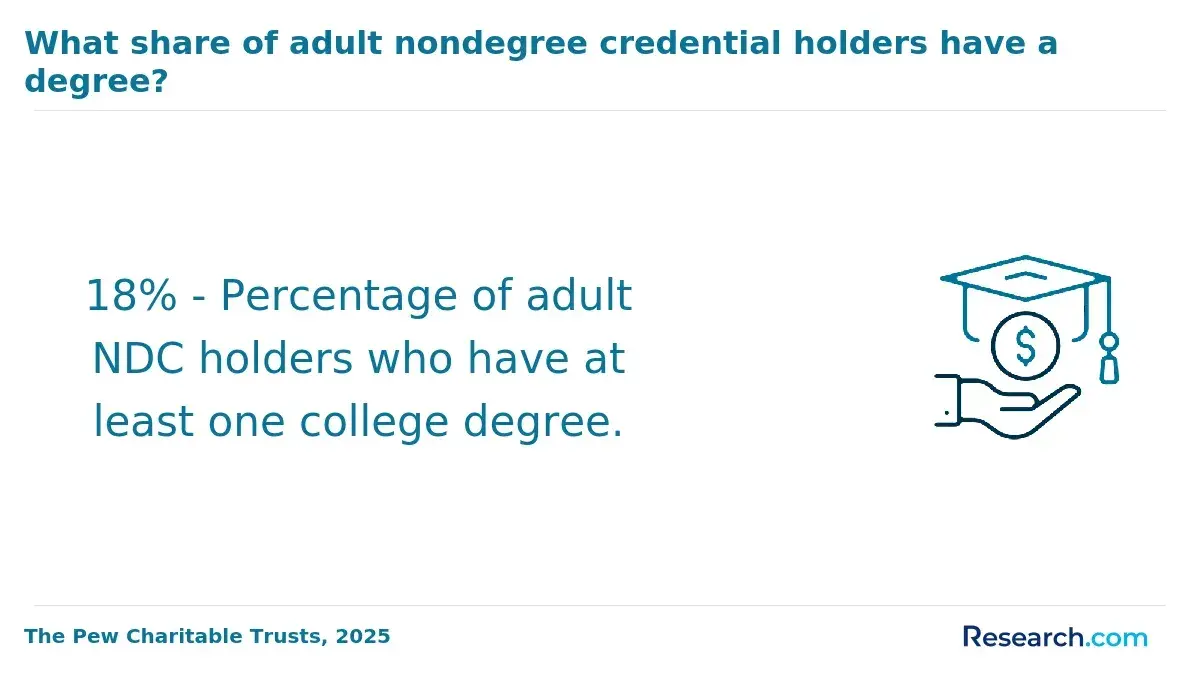
Completion time and cost depend on format, location, required equipment, and whether the program carries college credit. A short online course may take weeks, whereas a workforce certificate often takes several months to one year. Associate degrees generally take about two years of full-time study, though part-time enrollment extends that timeline. Licensing-track programs can also include examination fees and post-completion supervised practice.
Parents should compare total educational cost rather than advertised tuition alone.
| Cost category | Why it matters | What to verify |
| Tuition and fees | May differ by residency, credit load, and delivery mode | Required fees per term and payment schedule |
| Materials and equipment | Tools, software, scrubs, books, and safety gear can be required | Itemized mandatory purchases and ownership rules |
| Testing and licensure | Often paid separately from program tuition | Exam, fingerprinting, application, and renewal costs |
| Family logistics | Childcare, commuting, and lost work time affect affordability | Clinical, lab, and externship hours by day and week |
Credit-bearing programs at eligible schools may allow federal financial aid for qualifying students, while noncredit training frequently does not. Ask about employer tuition assistance, workforce-agency funding, scholarships, payment plans, and refund policies before borrowing.
What skills, courses, and certificates can parents gain from these programs?
A useful non-degree program produces evidence of skill, not only a completion record. Depending on the field, that evidence may be a portfolio, lab competency check, supervised clinical evaluation, industry exam preparation, project file, or apprenticeship hours. The best curriculum matches the actual tasks in entry-level job postings in the parent's local market.
Common outcomes by program category include:
- Trade programs: safety procedures, blueprint reading, diagnostic methods, equipment use, and documented hands-on practice
- Healthcare programs: patient communication, privacy practices, clinical procedures, medical terminology, and electronic-record workflows
- Legal programs: legal research, document preparation, case management, writing, and legal-software familiarity
- Design programs: visual communication, software workflow, accessibility basics, client briefs, and a curated portfolio
Ask whether the credential is credit-bearing, whether it stacks into a later certificate or associate degree, and whether it prepares you for a named external certification exam. Those answers affect both immediate employability and future education options.
What careers and job roles can parents pursue after completing non-degree programs?
Non-degree training can support entry-level roles, but the credential needed depends on the occupation and employer. A short program may help a parent qualify for interviews in administrative, support, technician, or trainee roles. Regulated jobs can require a license, external examination, background review, or supervised hours beyond program completion.
This overview distinguishes likely entry points from roles that normally require additional steps.
| Training area | Potential entry-level roles | Important limitation |
| Electrical or HVAC | Apprentice, helper, installer trainee, maintenance technician trainee | Independent licensed work generally requires additional experience and state or local approval |
| Medical assisting | Medical assistant, clinical support staff, administrative medical assistant | Employer expectations and certification preferences vary |
| Paralegal studies | Legal assistant, paralegal support, records or case-management assistant | Paralegals cannot provide legal advice or represent clients |
| Digital design | Production artist, junior designer, content-production assistant | Portfolio quality and experience strongly influence hiring |
Before enrolling, search local job postings for required licenses, software, shift expectations, and experience. If postings consistently require a bachelor's degree, an advanced credential, or years of experience, a short program may be a skill-building step rather than a complete career switch.
What salary ranges and advancement opportunities can these programs help parents achieve?
Salary information should be used as occupational context, not as a promise about what any program graduate will earn. Pay varies by state, employer, experience, schedule, union coverage, and licensing status. The U.S. Bureau of Labor Statistics reported 2024 median annual wages of $62,350 for electricians, $61,010 for paralegals and legal assistants, $61,300 for graphic designers, and $44,200 for medical assistants.
These figures help compare occupational ceilings and trade-offs, but they do not show starting pay in a specific city or prove that a certificate caused the outcome. Advancement commonly comes through logged experience, stronger portfolios, additional certifications, supervisory responsibility, specialization, or completing a stackable associate or bachelor's degree. Parents should compare local entry-level wages against total training cost, likely childcare costs, and the schedule required to advance.
How can parents choose a reputable program that fits their family and work needs?
A reputable program fits the parent's actual calendar and has a verifiable connection to the intended job. Start with the occupation, then work backward to the required credential, license, exam, or experience. This approach prevents paying for a broad program that does not meet local hiring or regulatory expectations.
Use this decision process before committing:
- Choose one target role and review several local job postings for minimum requirements.
- Contact the relevant licensing board or certifying organization when the occupation is regulated.
- Compare at least two programs using total cost, required attendance, completion timeline, and placement support.
- Map labs, clinicals, exams, commuting, and study hours against childcare and work coverage.
- Read the enrollment agreement, refund policy, and any claims about job placement before signing.
Common red flags include vague accreditation claims, pressure to enroll immediately, unclear clinical-placement responsibilities, unusually broad salary promises, and refusal to provide itemized costs. A lower-tuition program is not necessarily cheaper if it creates major transportation, equipment, or missed-work expenses. Choose the option that your household can complete reliably.
Other Things You Should Know About
Yes, especially in asynchronous or part-time formats, but success depends on required live sessions, labs, clinicals, and study time. Request a week-by-week schedule before enrolling and plan backup childcare for mandatory attendance.
Employers usually care most about whether the program taught relevant skills and, where needed, leads to recognized certification or licensure eligibility. For hands-on and regulated fields, verify required clinical, lab, or supervised components.
A certificate is often better for a focused, faster entry path. An associate degree can be better when employers prefer broader education, when licensure coursework requires it, or when you want credits that may support a later bachelor's degree.
Some credit-bearing programs at eligible institutions may qualify students for federal aid if they meet program and student requirements. Many noncredit courses do not. Ask the provider about aid eligibility, workforce grants, employer assistance, payment plans, and all out-of-pocket charges.
References
- Flexible online colleges https://www.gatewayunj.org/student-stories/flexible-college-programs-making-it-possible-to-earn-your-degree-on-your-schedule
- Child Care Services | Alabama Family Central https://alabamafamilycentral.org/services/child-care-services/
- Paying for College: 4 College Financing Options to Explore | NC Assist Loans https://www.ncassist.org/paying-for-college-101/blog/paying-for-college/
- Best 30 jobs for single moms this year https://www.wealthysinglemommy.com/jobs-for-single-moms/
- How to Pay for College Without Parents: A Comprehensive Guide | First Bank & Trust Company https://www.firstbank.com/resources/learning-center/how-to-pay-for-college-without-parents-a-comprehensive-guide/
- Aid for Non-Traditional Students - Finaid https://finaid.org/otheraid/nontraditional/
- Non-Traditional Student Management: Essential Strategies for Supporting Today's Diverse Learners https://moderncampus.com/blog/traditional-vs-non-traditional-students.html
- No Degree? Top Job Options for Moms Reentering the Workforce https://www.alliedschools.com/blog/job-options-stay-at-home-moms-returning-to-work-with-no-degree/
- Flexible jobs for working parents: ultimate guide to 9-3 jobs | Indeed Flex US https://indeedflex.com/blog/for-flexers/guide-to-flexible-9-3-jobs-for-working-parents/
- Getting a job without a 4-year degree. Prospects increase with a certificate. https://www.luminafoundation.org/resource/non-degree-credentials-provide-value-for-adults-in-the-labor-market/