2027 Best Career Training Programs With Prior Learning Credit

Co-Founder and Chief Data Scientist
Choosing career training can be difficult when you already have work experience, military training, licenses, or college credits and do not want to repeat material. Prior learning credit may shorten a credit-bearing certificate or associate program, but it does not replace required clinical hours, labs, apprenticeships, or licensure rules.
This guide compares practical program paths, delivery formats, costs, and quality signals. Demand also matters: the U.S. Bureau of Labor Statistics projects medical assistant employment to grow 12% from 2024 to 2034, faster than average for all occupations.
Key Things You Should Know
- Prior learning assessment can reduce the courses you must take, but schools set their own limits and usually require you to complete a minimum number of credits in residence.
- Hands-on careers still require supervised training: an online course or transferred credit may not satisfy state clinical, lab, apprenticeship, background-check, or licensing requirements.
- For occupational context, BLS projects 2024-2034 employment growth of 9% for electricians and 12% for medical assistants; match training to the entry requirements of the role, not to salary claims alone.
Top 10 Best Career Training Programs With Prior Learning Credit
Popular Trade School Programs
Credit-bearing certificates and associate degrees in HVAC, electrical technology, welding, automotive service, construction management, and industrial maintenance are common trade-school options. They suit learners seeking technician roles and structured lab practice. Prior learning may recognize military occupations, apprenticeship coursework, manufacturer training, or related college credits, but it rarely replaces safety labs or employer-required hours.
Choose a certificate for focused entry-level skills; choose an associate degree when you want broader general education, management preparation, or a transferable academic pathway. Confirm whether the program prepares you for an industry exam, because completing a school certificate is not itself professional certification.
Healthcare Programs
Healthcare career programs include medical assisting, practical nursing, pharmacy technician, dental assisting, health information technology, and medical billing and coding. These may lead to a college certificate, diploma, or associate degree; eligibility for a certification examination or state license is separate.
Prior learning can sometimes apply to anatomy, terminology, computer, or general education courses. It generally cannot replace required clinical placements, skills validation, immunization records, background checks, or nursing education required by a state board. Verify that online coursework is paired with approved local clinical training before enrolling.
Criminal Justice / Law Programs
Criminal justice certificates and associate degrees can cover policing foundations, corrections, emergency management, homeland security, legal studies, or paralegal support. Prior college coursework, military experience, and documented public-safety training may be evaluated for academic credit.
A legal studies certificate can build research and document-preparation skills, but it does not authorize someone to practice law. Police and corrections hiring standards vary by agency and state, often involving physical requirements, background investigations, and academy training. Learners targeting paralegal work should check employer expectations and whether a program has appropriate institutional and programmatic recognition.
Arts & Design Programs
Graphic design, digital media, web design, photography, interior design, and animation programs may award certificates or associate degrees. Portfolio quality often matters as much as the credential for creative entry-level roles. Prior learning can apply when a school accepts evaluated coursework, portfolio-based assessment, or industry training, though design studios may require new work completed within the program.
A short certificate fits learners updating software or building a focused portfolio; an associate degree may better support foundational design, communication, and business skills. Check software access, portfolio review policies, and any state-specific interior design requirements.
How does prior learning credit work in career training programs?
Prior learning credit, also called prior learning assessment or PLA, is academic credit a college may award after evaluating learning gained outside its regular courses. It is most relevant to credit-bearing certificates and associate degrees, not to every noncredit bootcamp or private training provider.
Schools commonly use the following methods. Ask whether each method creates transcripted credit, how long the review takes, and whether the credit can apply to your exact program:
| PLA method | What may be reviewed | Important limitation |
| Transfer evaluation | Courses completed at another college | Equivalencies, grades, age limits, and transfer caps vary |
| Standardized examination | Demonstrated knowledge in a subject area | Only accepted exams and minimum scores count |
| Portfolio assessment | Work samples, training records, licenses, and reflective documentation | Preparation fees may apply and credit is not automatic |
| Military or workforce training review | Service schools, registered apprenticeships, and employer training | The school decides whether recommendations fit its curriculum |
Prior learning can save time only when it applies to required courses. It normally does not waive attendance-based learning such as clinical rotations, supervised labs, field placements, or mandated occupational training hours. It also may not transfer onward to another institution, so obtain a written evaluation before choosing a program primarily for speed.
Which accredited schools offer online and campus career training with transfer-friendly credit?
There is no single accredited school that is best for every career field. The strongest choices are usually regionally or institutionally accredited community colleges, public technical colleges, and career-focused colleges that publish transfer and PLA policies for the specific credential you need.
For healthcare, also look for program approval by the relevant state board and any field-specific accreditation expected for certification or licensure.
Use this comparison framework when screening schools. It separates institutional quality from whether a program actually accepts your previous learning:
| School type | Best fit | Prior-learning question to ask |
| Community college | Affordable certificates, associate degrees, and local labs | Which transfer, exam, military, or portfolio credits apply to this program? |
| Public technical college | Trades and workforce programs with equipment-based training | Can apprenticeship or industry coursework reduce technical requirements? |
| Online university | Business, legal studies, IT, management, and general education coursework | What is the residency requirement and are credits accepted by the next school? |
| Private career school | Accelerated, occupation-specific schedules | Is the credential credit-bearing, and what approvals apply to the occupation? |
Request an official written transfer or PLA evaluation before paying an enrollment deposit. A school's institutional accreditation does not automatically mean every program meets licensing, certification-exam, or employer requirements.
What admission requirements apply to career training programs that accept prior learning and experience?
Admission requirements depend on whether the program is a college credential, a state-regulated program, or a noncredit workforce course. Many entry-level certificates request a high school diploma, GED, or equivalent, while associate programs may also require placement testing or evidence of college readiness. A prior learning review is usually a separate process from admission.
Applicants should prepare these materials early because missing documentation can delay both enrollment and credit evaluation:
- Official transcripts from prior colleges, sent directly to the new institution when required.
- Detailed military records, apprenticeship documentation, licenses, employer training records, or exam score reports.
- A current résumé and work samples when the school uses portfolio assessment.
- Health records, background checks, drug screening, CPR documentation, or entrance testing for applicable clinical programs.
Do not assume professional experience automatically equals academic credit. Ask for the school's catalog policy, applicable fees, maximum PLA credit, minimum grade requirements, and deadline for submitting materials. Regulated programs may impose additional rules that cannot be waived even for experienced applicants.
How do online, hybrid, and campus career training formats compare for working adults?
Online, hybrid, and campus programs can all work for adults, but the right format depends on how much supervised practice the occupation requires.
Online learning is strongest for theory-heavy coursework, general education, business, legal studies, coding, and health administration. Hybrid delivery can combine online lectures with scheduled labs. Campus formats are usually essential when equipment, clinical instruction, or repeated skills checks are central to training.
The comparison below focuses on practical trade-offs rather than assuming one format is universally faster:
| Format | Best for | Main trade-off |
| Online | Flexible schedules and primarily academic coursework | Requires self-management and may not cover hands-on requirements |
| Hybrid | Working adults who can attend planned labs or intensives | Lab dates can limit flexibility and add travel costs |
| Campus | Equipment-heavy, clinical, and cohort-based training | Fixed attendance times can conflict with work schedules |
Adults who need maximum scheduling control may compare a self-paced bachelor's degree online option for longer-term academic advancement, but self-paced study is usually not a substitute for required in-person clinical or trade competencies.
What curriculum and hands-on training should you expect in leading career programs?
Leading career programs should teach both job tasks and the habits employers expect: safety, documentation, communication, problem solving, digital tools, and ethical practice. A strong curriculum connects each course to a measurable skill, a credentialing requirement, or a realistic workplace task.
Before enrolling, compare the published curriculum against the work environment you want. The following items are especially important in hands-on fields:
- Supervised lab, shop, simulation, clinical, internship, practicum, or work-based learning hours.
- Current equipment, software, tools, and safety procedures used in the field.
- Faculty qualifications and access to tutoring, career services, and technical support.
- Preparation for relevant licensing or certification examinations, when applicable.
- A capstone, portfolio, skills demonstration, or employer-reviewed project.
A common mistake is choosing a short online program because it lists the right job title while omitting the required field experience. Ask exactly where practical training occurs, who arranges it, whether extra fees apply, and what happens if a clinical or practicum placement is delayed.
How long do career training programs take, and what tuition, fees, and funding options apply?
Completion time ranges from a few months for a focused noncredit course to roughly one to two years for many associate degrees. Prior learning can shorten the academic portion, but the calendar may still be controlled by cohort start dates, sequential technical courses, clinical placements, and licensing requirements. A fast option is useful only if it includes every requirement for your intended next step.
For cost context, the National Center for Education Statistics reported average published tuition and fees of about $4,050 for public two-year institutions in 2023-24. That national figure is not a program price and excludes major differences in residency, tools, books, transportation, clinical expenses, and local tuition policies.
Compare total cost rather than tuition alone. These categories often determine whether a lower advertised price is truly less expensive:
| Cost category | Why it matters | Questions to ask |
| Tuition and mandatory fees | May change by residency, credit load, and course | What is the full program estimate at my pace? |
| Tools, uniforms, software, and books | Can be substantial in technical and clinical programs | Which items are required and reusable? |
| Testing, licensing, and background checks | May be required before employment or placement | Are examination and application fees included? |
| Lost work time and travel | Often affects working adults more than tuition | When are labs, clinicals, and externships scheduled? |
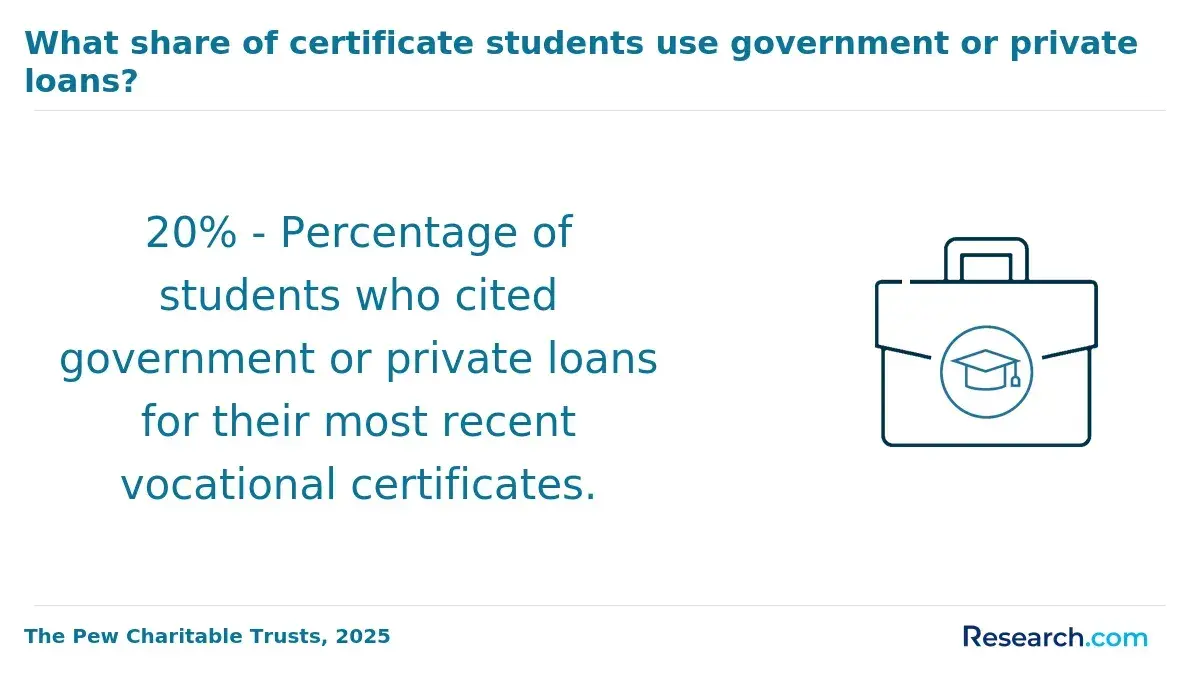
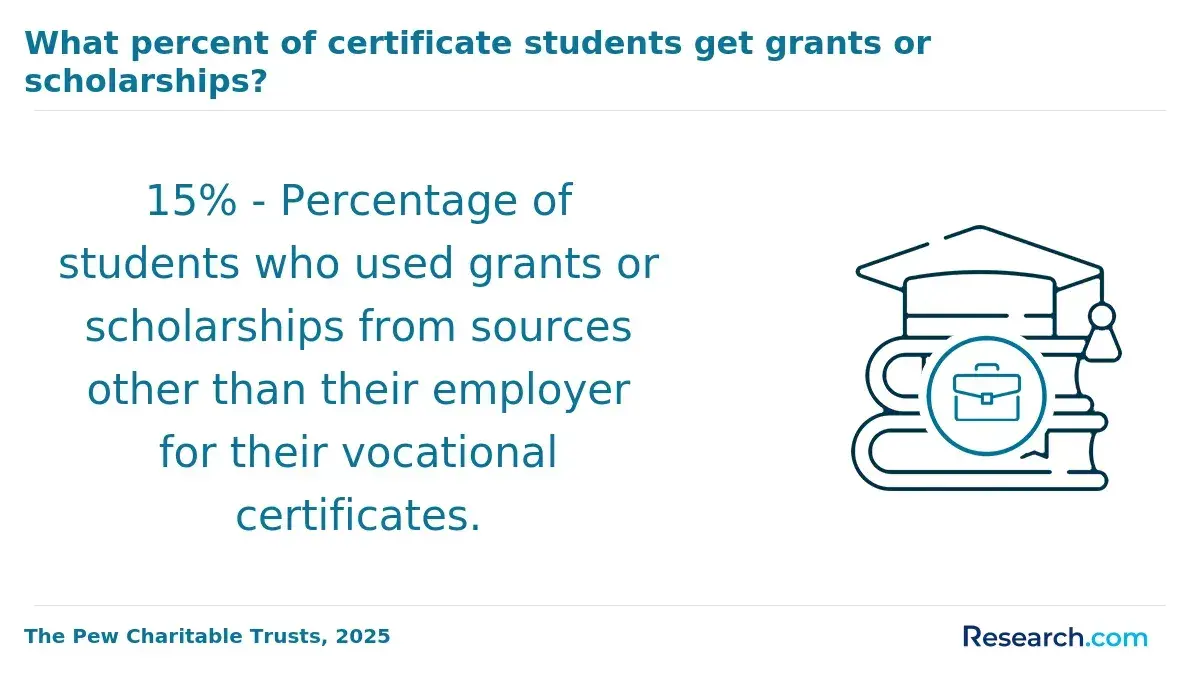
Credit-bearing programs at eligible institutions may support federal aid for qualifying students, while noncredit programs often do not. Investigate employer tuition assistance, workforce grants, veterans' benefits when eligible, payment plans, and scholarships before borrowing. If an associate degree is your target, compare the curriculum and transfer terms with a fast track associates degree online path, while recognizing that many hands-on programs cannot be compressed into six months.
What careers, job roles, and advancement paths do these training programs prepare you for?
Career training programs prepare learners for different entry points, not one guaranteed outcome. A trade certificate may support work as an HVAC helper, maintenance technician, welder, or electrical apprentice; advancement can require logged work hours, employer training, or a license.
Medical assisting programs may prepare graduates to seek clinical support roles, while practical nursing requires a state license before practice. Legal studies programs can support paralegal or legal assistant pathways but do not authorize legal practice.
Think of training as one part of a career ladder. The table shows how credential choices can align with common advancement plans:
| Career direction | Useful initial training | Typical next step |
| Skilled trades | Technical certificate plus lab training | Apprenticeship, field experience, license, or supervisory study |
| Clinical support | Approved certificate or diploma with clinical practice | Certification where valued, experience, or nursing/allied-health study |
| Legal support | Legal studies or paralegal certificate/associate degree | Specialization, experience, or bachelor's degree |
| Creative work | Design certificate and portfolio | Portfolio development, freelance work, or degree completion |
For leadership, teaching, research, or specialized professional roles, a short career credential may be only the first stage. Compare advancement options such as shortest master's degree programs online.
What salary ranges and job outlook can graduates of career training programs expect?
Occupational wage data describes workers in an occupation, not the earnings of every certificate or associate graduate. Pay varies by state, experience, union coverage, shift, specialty, employer, licensure status, and local demand. Use wage figures to compare possible fields, then research actual entry-level openings in your area.
BLS May 2024 national median annual wages provide useful occupation-level context for several career-training pathways.
| Occupation | Median annual wage, May 2024 | Projected employment change, 2024-2034 |
| Electricians | $62,350 | 9% |
| Heating, air conditioning, and refrigeration mechanics and installers | $59,810 | 8% |
| Medical assistants | $44,200 | 12% |
| Paralegals and legal assistants | $61,010 | 0% |
| Graphic designers | $61,300 | 2% |
These figures do not establish that a particular program leads to a particular wage. They do show why readers should weigh entry requirements and growth prospects together: a field with a higher median wage may require apprenticeship hours, a license, a stronger portfolio, or a longer degree path.
AI tools and automation are also reshaping administrative and creative workflows, increasing the value of technical judgment, client communication, quality control, and documented hands-on competence.
You may also check out our list of online doctorate programs only after confirming that your prior credential meets the admission prerequisites.
How can students evaluate program quality, accreditation, and certification outcomes before enrolling?
Program quality is more than a school's marketing claims or a short completion timeline. Check whether the institution is appropriately accredited, whether the specific program has any required state approval or specialized accreditation, and whether it is eligible for the certification or licensure route you need. Requirements differ sharply across healthcare, trades, legal support, and design.
Use these steps before making an enrollment commitment:
- Identify the exact job title, state, and employer type you are targeting.
- Read job postings to identify required licenses, certifications, equipment skills, schedules, and minimum education.
- Confirm the school's accreditation and any program approval directly with the relevant accreditor, board, or state agency.
- Obtain a written prior-learning and transfer-credit evaluation showing which requirements remain.
- Request the full cost estimate, completion sequence, practical-training location, and refund policy.
- Ask for outcomes information that defines the reporting period, who is counted, and whether results apply to your program.
Red flags include pressure to enroll before receiving a credit evaluation, vague claims about licensing eligibility, unusually broad salary promises, unclear clinical placement responsibility, and refusal to provide a complete fee list.
A program can be legitimate yet still be a poor fit if its credits do not transfer, its schedule prevents you from completing required practice, or its credential does not meet your state's rules.
Other Things You Should Know About
Possibly. Colleges may evaluate portfolios, industry training, military learning, examinations, licenses, or apprenticeships. Credit is awarded only when documented learning matches a course requirement, and each institution controls its own policy.
Usually not. Required clinical, lab, practicum, apprenticeship, and licensure hours are often governed by program standards, employers, or state rules. Ask the program specifically which requirements cannot be waived.
No. A certificate is typically issued by a school after completing instruction. A professional certification is usually issued by a certifying organization after meeting its eligibility standards, which may include an examination, work experience, or continuing education.
Gather transcripts and training records, identify your target occupation, and ask for a written evaluation of transferable and prior-learning credit. Compare the remaining coursework, hands-on requirements, total cost, and licensing eligibility before enrolling.
References
- CAEL | Why Credit for Prior Learning (CPL) or Prior Learning Assessment (PLA) Matters https://www.cael.org/lp/cpl-pla
- Recognition of Prior Learning: Helping People Move Forward | Credential Engine https://credentialengine.org/resources/recognition-of-prior-learning-helping-people-move-forward/
- Credit for Prior Learning: Future Students: Dawson Community College https://www.dawson.edu/future-students/credit-for-prior-learning.html
- How CA gives college credit for work experience - CalMatters https://calmatters.org/education/higher-education/2026/02/college-credit-california/
- College Credit for Your Work and Life Experience | University of Phoenix https://www.phoenix.edu/tuition-financial-aid/prior-learning-assessment.html
- Starting College on the Right Foot: Credit for Prior Learning https://mcacs.talentfirst.net/starting-college-on-the-right-foot-credit-for-prior-learning/
- Prior Learning Assessments - Center for American Progress https://www.americanprogress.org/article/prior-learning-assessments/
- Credit for Prior Learning - Definition & Benefits - Planning Your Education https://planningyoureducation.pressbooks.sunycreate.cloud/chapter/what-is-credit-for-prior-learning/