2027 Fastest Career Training Programs

Co-Founder and Chief Data Scientist
Choosing training that gets you employable quickly can be difficult: the shortest program is not always the fastest route to a legal, well-paid job. U.S. Bureau of Labor Statistics projections for 2024-2034 show healthcare support occupations are projected to grow faster than the average for all occupations.
This guide helps career changers, recent graduates, and adult learners compare short trade, healthcare, legal, and creative programs by timeline, required credentials, cost, delivery format, and job fit, so you can avoid paying for training that does not meet employer or state requirements.
Key Things You Should Know
- Fast career training commonly takes weeks to about two years. Short certificates can lead to entry-level work, while associate degrees generally take longer but may expand advancement options.
- Healthcare, electrical, plumbing, and cosmetology paths often require a state-approved program plus an exam, supervised hours, or both before independent practice.
- According to BLS 2024-2034 projections, occupations such as wind turbine service technician, nurse practitioner, and several healthcare support roles are among fields with strong projected growth, but training length and entry requirements vary substantially.
Top 10 fastest career training programs
Popular Trade School Programs
Trade schools offer hands-on certificate, diploma, and associate programs for work that cannot be fully learned through lectures alone. HVAC certificates may take roughly 6-12 months and prepare learners for entry-level installation or maintenance work; EPA Section 608 certification is required for technicians handling refrigerants. Welding programs can take months to two years, while electrician and plumbing training often combines classroom instruction with multi-year paid apprenticeships.
Choose an associate degree when you want broader technical coursework; choose a short program when an employer, union, or apprenticeship sponsor recognizes it. Verify tool, exam, and protective-equipment costs before enrolling.
Healthcare Programs
Fast healthcare programs include medical assisting, dental assisting, pharmacy technician, phlebotomy, practical nursing, and nursing assistant training. A nursing assistant course may take weeks, while practical nursing commonly takes about one year; both are regulated differently by state. Medical assistant certificates are educational credentials, whereas credentials such as CMA certification are separate professional certifications that may require an approved program and examination.
Clinical placements are essential, so fully online programs are usually unsuitable for direct-patient roles. Before enrolling, confirm that the school's curriculum meets your state board's eligibility rules and that required externships are arranged rather than merely suggested.
Criminal Justice / Law Programs
Paralegal studies certificates and associate degrees can prepare students for legal research, document drafting, case management, and litigation support. Certificate programs are often best for people who already hold a degree or have office experience; associate degrees provide a broader entry route. Completion does not authorize someone to practice law or provide legal advice independently.
Police academy eligibility, corrections training, and private-security licensing are set by agencies and states, not simply by a school certificate. Programs with internships, legal-technology training, and instruction in ethics can be more useful than short programs that promise a legal career without supervised experience.
Arts & Design Programs
Graphic design, web design, digital media, UX design, photography, and cosmetology are common accelerated creative options. Short design certificates can build software and portfolio skills in months, but employers often evaluate work samples more closely than the credential title. An associate degree may suit learners who need foundational design, communication, and general education courses.
Cosmetology is different: state-approved training hours and a licensing exam are commonly required before paid practice. Ask whether you retain portfolio rights, receive instructor feedback, and learn current tools. A program without portfolio development may not be a fast route to competitive creative work.
Which career training programs lead to jobs fastest?
The fastest route to a job is usually a program tied to a specific entry-level role, a recognized credential, and a local employer need, not simply the shortest advertised course.
Nursing assistant, phlebotomy, commercial driving, help desk support, and some skilled-trade helper roles can have relatively short training timelines, but hiring requirements differ by state and employer.
This comparison separates quick entry from long-term advancement. It is useful because a role with a short classroom program may still require a background check, clinical clearance, licensing exam, or apprenticeship before work begins.
| Path | Typical training timeline | Common employment gate | Best fit |
| Nursing assistant | Weeks to a few months | State training and competency requirements | People seeking direct-care entry work |
| Phlebotomy technician | Several weeks to months | Clinical practice; certification may be employer-preferred | Healthcare entrants comfortable with patient contact |
| CDL truck driver | Several weeks to months | Commercial driver licensing test | Drivers meeting medical and driving-record standards |
| IT support certificate | Months | Demonstrable skills; industry certification may help | Career changers with strong computer skills |
| Electrician apprentice | Entry can be quick; full qualification takes years | Employer or union apprenticeship selection | Learners prioritizing paid training and a trade pathway |
Remote-friendly work is more common in some technology and business paths than in clinical and trade roles. Readers comparing longer education options can explore what degrees allow you to work from home before choosing a training route solely for speed.
What are the highest-paying fast training programs?
The highest-paying occupations with relatively short formal training are not necessarily the fastest to enter. Many require extensive apprenticeships, state licenses, shift work, physical demands, or prior education. Salary figures below are occupational medians, not outcomes promised by any certificate program.
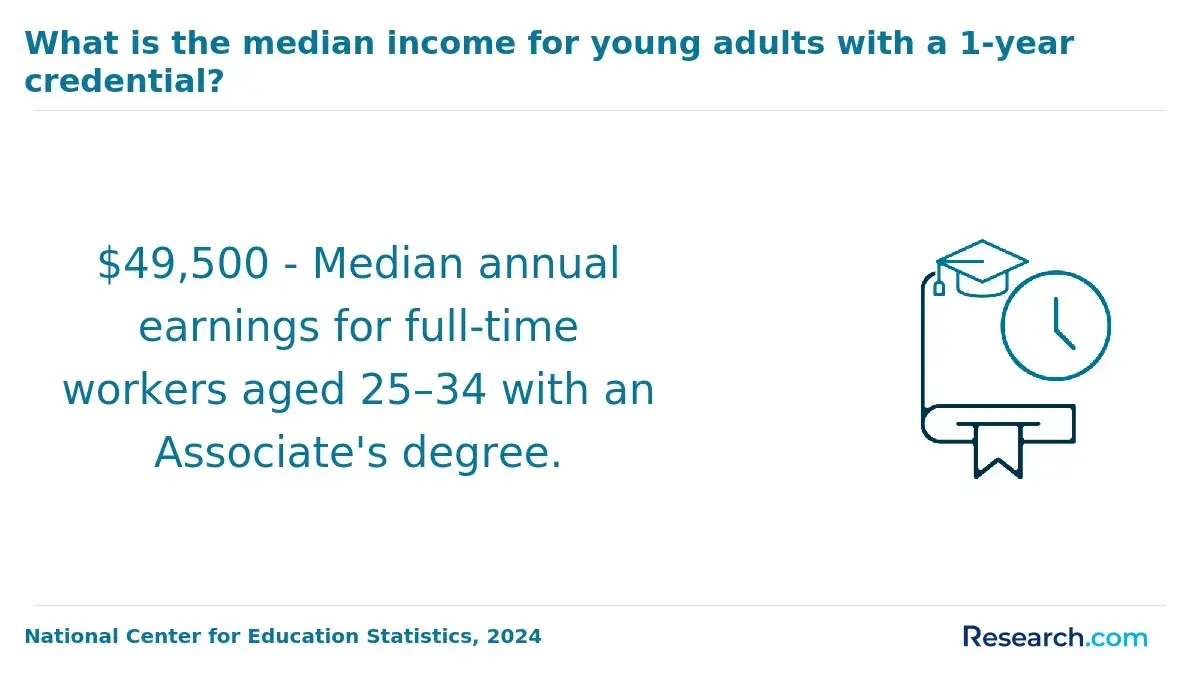
BLS occupational data published in 2025 for 2024 wages reported a median annual wage of $61,590 for diagnostic medical sonographers. That figure illustrates why an accredited associate degree with clinical training can be worth considering, even though it takes longer than a short noncredit course.
| Career path | Common education route | Why pay can be stronger | Important limitation |
| Diagnostic medical sonographer | Associate degree or postsecondary certificate | Specialized imaging skills and clinical responsibility | Employers may prefer accredited education and certification |
| Dental hygienist | Associate degree | Licensed clinical role | Not a short certificate path |
| Electrician | Apprenticeship | Skilled work and progressive licensing | Full journey-level status takes years |
| Licensed practical nurse | Approved practical nursing program | Licensed patient-care responsibilities | Requires passing the NCLEX-PN |
| Web developer or digital designer | Certificate, degree, or portfolio-based route | Technical and creative specialization | Pay varies greatly by experience and portfolio |
Prioritize a path with a clear licensing or hiring route, not a salary headline. If your target role requires advanced study later, compare options such as a low cost masters degree online only after confirming that a graduate degree is genuinely valued in that field.
Which fast training programs need licensing or certification?
Licensing is government permission to practice a regulated occupation; certification is a credential awarded by a professional organization or other certifier. A school certificate may prepare you for either one, but it is not automatically the license or certification itself.
State rules are decisive for clinical and personal-service careers. Review the applicable board's requirements before paying a deposit, especially if you expect to move after graduation. Consider the following:
- Usually license-based: practical nursing, registered nursing, dental hygiene, cosmetology, barbering, electrician work at many levels, and commercial driving.
- Often certification-based or employer-preferred: medical assisting, pharmacy technician, phlebotomy, welding, IT support, and paralegal work.
- Program approval matters: nursing, cosmetology, and many allied-health programs may need state approval for graduates to be eligible for an exam or license.
A major red flag is a school that says its certificate "makes you licensed" without naming the state agency, required examination, clinical hours, or other eligibility conditions. Get those requirements in writing and compare them with the regulator's published rules.
Are online career training programs as reputable as campus programs?
Online career training can be reputable when the curriculum, instructor access, assessment, employer recognition, and required hands-on components match the occupation.
It is often a strong fit for IT support, bookkeeping, coding fundamentals, project coordination, and some legal-support coursework. It is a weaker fit when a program substitutes simulations for legally required clinical, lab, shop, or field experience.
Compare the format by what must be demonstrated, not by convenience alone.
| Question | Online may work well when | Campus or hybrid is usually safer when |
| Skills assessment | Work can be reviewed digitally | Competence requires live equipment or patient interaction |
| Licensure eligibility | The board accepts the program format | State rules require approved in-person hours |
| Scheduling | You can meet deadlines independently | You need structured lab time and immediate coaching |
| Employer recognition | The provider and credential are known locally or in the industry | Local employers recruit from campus programs |
Ask whether clinicals or externships are guaranteed, who finds them, and whether extra travel is required. For a brief online academic option rather than occupational training, compare 6 week college courses online; accelerated course length alone does not establish career or licensing readiness.
How long do career training programs take to finish?
Career training may take from a few weeks to roughly two years, but the time to first paid job can be longer. Enrollment processing, background checks, immunizations, clinical rotations, licensing exams, and apprenticeship placement can add time after coursework ends.
A realistic timeline includes the full sequence, not only advertised class hours.
- Choose the exact job title and check whether the state, employer, or union requires a license, certification, or apprenticeship.
- Confirm prerequisites such as a high school diploma, placement testing, CPR training, immunizations, driving record, or background screening.
- Calculate instruction, required clinicals or labs, exam scheduling, and job-search time.
- Choose full-time study for speed only if you can manage the workload and unpaid placement requirements.
Short programs make sense for a defined entry role. If your goal is academic advancement, research, or specialized leadership, a longer route may be necessary. For example, cheap online PhD programs serve a very different purpose than rapid workforce training.
How much do fast career training programs cost?
Cost varies more by provider, program length, equipment, and required licensing steps than by the word "certificate." Community colleges may offer credit-bearing certificates that can stack into an associate degree, while private career schools often offer noncredit diplomas designed for immediate occupational preparation. Neither format is automatically better.
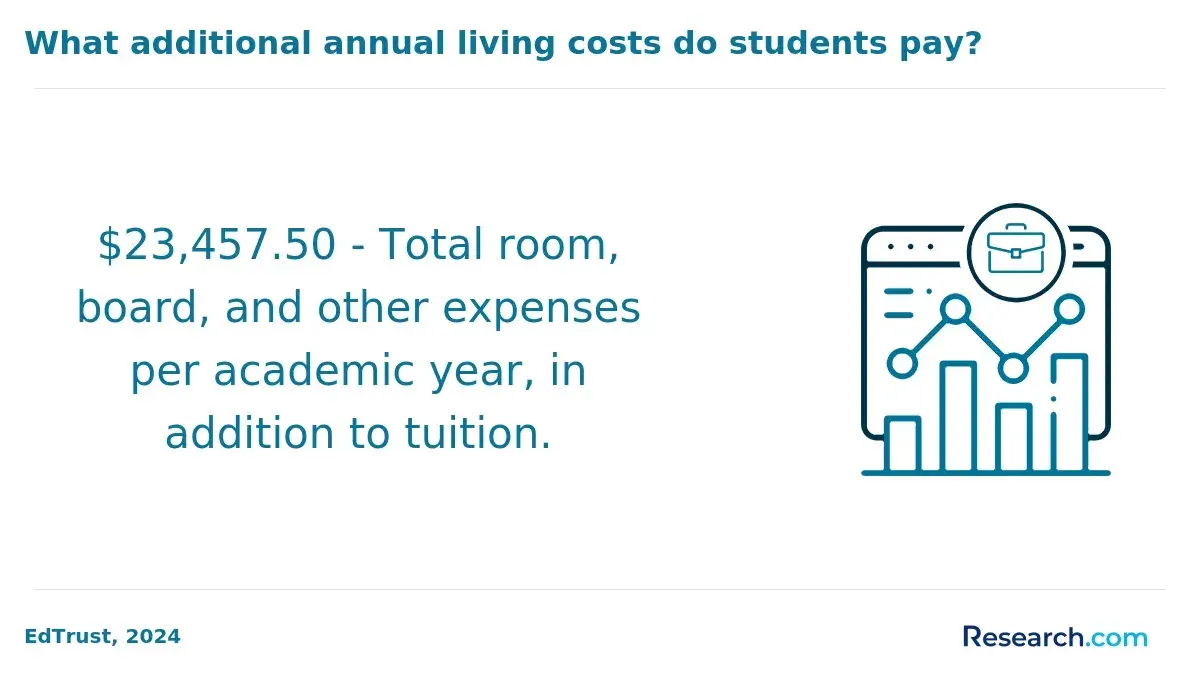
Use total cost rather than tuition alone. The following categories help reveal whether a low advertised price is actually affordable.
| Cost category | Why it matters | What to ask |
| Tuition and mandatory fees | May differ from headline price | What is the total amount due to complete? |
| Books, tools, uniforms, software | Can be substantial in trades and healthcare | Which items are required and included? |
| Testing, licensing, and certification | Often paid separately | Which exams are required for employment? |
| Transportation and placement costs | Clinicals, labs, and externships may be off-site | Where are required placements located? |
| Lost work time | Full-time programs can reduce earnings temporarily | Can the schedule work with employment? |
Ask about federal aid eligibility only for programs offered by eligible institutions; many short noncredit programs do not qualify. Also investigate Workforce Innovation and Opportunity Act funding, state workforce grants, employer tuition assistance, veterans' benefits where applicable, and payment plans. Do not borrow based on projected earnings alone.
What classes are included in career training programs?
Classes should reflect the work you expect to do on day one and the requirements for any external exam. A credible program combines job-specific instruction with safety, ethics, communication, documentation, and supervised practice when the occupation requires it.
Coursework commonly includes the following components, although the exact mix depends on the field.
- Technical foundations, such as electrical theory, anatomy, legal terminology, design software, or network basics.
- Hands-on labs, simulations, shop practice, or clinical skill demonstrations.
- Safety, privacy, ethics, infection control, or regulatory compliance relevant to the occupation.
- Workplace skills, including customer communication, documentation, scheduling, teamwork, and problem solving.
- Externship, practicum, portfolio, or capstone requirements that provide evidence of competence.
Before enrolling, request the course sequence and compare it with local job postings and, where relevant, the licensing board's curriculum requirements. Avoid programs that focus heavily on test preparation but provide little practice using current tools or workflows.
How do you choose an accredited career training school?
"Accredited" can mean institutional accreditation for a college, programmatic accreditation for a specific field, or state approval for a licensed occupation.
These are related but not interchangeable. For many short private training providers, state authorization and eligibility for the relevant licensing exam may matter more than college-style institutional accreditation.
Use this review process before signing an enrollment agreement.
- Identify the regulator, employer, or certifying body governing your target job.
- Confirm directly that graduates of the exact program and location are eligible for required exams, licenses, or registrations.
- Check whether the provider is institutionally accredited, programmatically accredited, state-approved, or some combination, based on what your goal requires.
- Request written completion, placement, and licensure-exam information, including how each measure is defined.
- Read the refund policy, withdrawal terms, equipment charges, and whether credits transfer or stack into a degree.
Be cautious when a school will not identify its approval status, offers high-pressure same-day enrollment incentives, or makes guaranteed-job claims. Accreditation and approval do not guarantee employment, but missing approval can block a required next step.
What jobs can you get after career training?
Jobs after career training depend on the credential, local demand, legal requirements, prior experience, and how well you can demonstrate skills. Short programs most often support entry-level roles; advancement may require work experience, an industry certification, an apprenticeship milestone, or additional education.
This overview connects common training areas to realistic starting points without implying that a program alone guarantees hiring.
| Training area | Possible entry-level roles | Typical next step |
| HVAC, welding, electrical, plumbing | Installer helper, technician trainee, welder, apprentice | Experience, apprenticeship progression, trade licensing |
| Healthcare support | Nursing assistant, medical assistant, phlebotomy technician, dental assistant | Certification, additional clinical training, or nursing pathway |
| Legal support | Legal assistant, paralegal assistant, records specialist | Experience and specialty legal-software skills |
| IT and digital work | Help desk technician, junior web support, content production assistant | Portfolio, industry certifications, and specialized skills |
| Creative services | Production assistant, junior designer, freelance creative support | Stronger portfolio and client or agency experience |
For the best chance of a quick transition, build proof of work before graduation: complete an externship, document projects, practice interviews, and apply to employers that explicitly list your target credential or license.
Other Things You Should Know About the Fastest Career Training Programs
Yes. Programs such as nursing assistant, phlebotomy, CDL, some medical assisting tracks, and certain IT certificates may be completed within months. Check the full time to employment, including exams, licensing, clinicals, and job search.
No. A certificate is usually awarded by a school after coursework. Professional certification is generally awarded by a certifying organization after meeting its standards, which may include an exam, experience, or continuing education.
Possibly, but eligibility depends on the school, program length, and aid rules. Ask the financial aid office whether the specific program qualifies, then compare workforce grants, employer assistance, veterans' benefits, and payment plans.
Choose a certificate when you need targeted, recognized entry training quickly. Choose an associate degree when your target role requires it, you want more advancement options, or you may later transfer academic credit. Confirm transfer policies in writing.
References
- How Career Training Programs Help You Land a Job Faster | Year Up United https://www.yearup.org/about/resources/how-career-training-programs-help-you-land-a-job-faster
- Workforce Pell: Expanding Access to Short-Term Job Training | American Institutes for Research https://www.air.org/resource/workforce-pell-expanding-access-short-term-job-training
- How does a college degree improve graduates' employment and earnings potential? - APLU https://www.aplu.org/our-work/publicuvalues/employment-earnings/
- Workforce Development Funding Options https://ctstate.edu/workforce-development/funding-options
- Tuition Assistance for Job Training Programs https://www.fastweb.com/financial-aid/articles/tuition-assistance-for-job-training-programs
- Training Program ROI: How Fast Can You Recoup Your Investment? - Associated Training Services https://www.operator-school.com/blog/training-program-roi-how-fast-can-you-recoup-your-investment/
- Why Employment Outcome Rates Matter | ACI Learning https://www.acitechacademy.com/blog/why-employment-outcome-rates-matter-a-guide-for-students-and-employers/
- Job Seekers | Gulf Coast Workforce Solutions https://www.wrksolutions.com/job-seekers