2027 Best Certifications for Veterans

Co-Founder and Chief Data Scientist
Choosing a civilian credential can be difficult when your military training does not translate neatly on a résumé. Veterans can use certificates, industry certifications, apprenticeships, and associate degrees to document job-ready skills, but these credentials serve different purposes. The U.S. Bureau of Labor Statistics projects healthcare occupations to grow much faster than average from 2023 to 2033, making credential choice especially important for career changers. This guide compares practical veteran-friendly paths, funding options, requirements, and realistic career outcomes so you can invest benefits and time with confidence.
Key Things You Should Know
- A school certificate documents completed training, while an industry certification usually validates knowledge through an exam; regulated jobs may require both training and a state license.
- BLS projects healthcare occupations to add more jobs than any other occupational group from 2023 to 2033, while skilled trades, IT, logistics, and public safety can also align well with military experience.
- GI Bill funding generally requires an approved program, and veterans should confirm VA approval, total fees, licensing-exam costs, and whether online or hybrid attendance changes housing payments.
Top 10 Best Certifications for Veterans
Popular Trade School Programs
Trade programs are often the most direct choice for veterans with mechanical, electrical, construction, aviation, transportation, or maintenance experience. HVAC, welding, electrical, diesel technology, commercial driving, aviation maintenance, and industrial maintenance certificates can take months; associate degrees typically take about two years. Apprenticeships may combine paid work with classroom instruction and can be stronger than a short program when a state license or journey-level status matters. Confirm whether training prepares you for an exam, includes required hands-on hours, and is approved by the relevant state board or industry authority.
Healthcare Programs
Healthcare pathways range from short certificates in medical assisting, phlebotomy, pharmacy technology, EMT training, and practical nursing to associate degrees in nursing, radiologic technology, dental hygiene, and respiratory care. A certificate is not automatically a professional certification or license: many roles require an approved program, clinical hours, background screening, and a separate exam. Veterans with medic, corpsman, laboratory, or patient-care experience should ask schools how military learning may meet prerequisites. Campus or hybrid formats are common because clinical placements cannot usually be completed fully online.
Criminal Justice / Law Programs
Criminal justice certificates and associate degrees can support entry-level work in corrections, emergency management, security, dispatch, loss prevention, or legal support. Veterans with military police, intelligence, investigations, or command experience may find their background relevant, but hiring agencies still set separate physical, background, age, residency, and academy requirements. Paralegal certificates are best evaluated for curriculum quality and employer recognition; they do not authorize independent legal practice. A degree can offer broader advancement potential, while a focused certificate may be useful for a targeted career transition.
Arts & Design Programs
Creative programs can turn experience in visual information, photography, communications, multimedia, geographic information, or public affairs into civilian portfolios. Common options include graphic design, web design, digital media, photography, video production, CAD drafting, UX design, and animation certificates or associate degrees. For these fields, a portfolio and current software skills can matter as much as the credential. Choose a program with project-based work, instructor feedback, accessible software, and clear ownership of student work. A short certificate suits skill updating; an associate degree may provide broader design foundations and general education coursework.
What are the most in-demand civilian career paths for veterans with certifications?
The most in-demand civilian path is not necessarily the fastest credential. Veterans often have an advantage where employers value safety discipline, technical troubleshooting, team leadership, logistics, cybersecurity awareness, or work in structured environments. Choose a path after checking the actual entry requirement in job postings within the state where you plan to work.
The comparison below distinguishes training that can help you enter a field from credentials that employers or regulators may require.
| Career path | Useful veteran background | Common credential route | Important limitation |
| Cybersecurity and IT support | Signals, communications, intelligence, systems support | CompTIA or vendor certification; certificate or associate degree | Advanced roles usually require documented hands-on experience. |
| Healthcare support and nursing | Medic, corpsman, laboratory, patient-care experience | Approved certificate or associate program plus required exam | State licensure and clinical requirements vary by role. |
| Skilled trades and maintenance | Mechanical, construction, power-generation, vehicle maintenance | Trade certificate, apprenticeship, or associate degree | Electrical and plumbing work may require state-specific licensing. |
| Logistics and supply chain | Transportation, inventory, movement control, operations | Commercial driving training or industry certification | A CDL requires state testing and medical eligibility. |
| Project and operations management | Leadership, planning, readiness, budgeting | Industry certification or degree-based business program | Some advanced certifications require verified work experience. |
For veterans comparing shorter credentials across industries, this guide to certificate jobs that pay well can help frame earnings potential without assuming that any one credential guarantees a job.
How can veterans choose the right certification based on military skills and experience?
Start with the target civilian occupation, not the name of a credential. Translate your military occupational specialty, evaluations, training records, deployments, equipment experience, and leadership duties into the language used in civilian job descriptions. Then identify the gap: it may be a license, an employer-recognized certification, a degree, a portfolio, or simply civilian experience.
Use this sequence to avoid paying for training you do not need.
- Collect your Joint Services Transcript, DD Form 214, training certificates, performance records, and any existing civilian licenses.
- Review at least 10 local job postings for your target role and note recurring credentials, software, security-clearance preferences, and experience requirements.
- Ask the school whether it evaluates military learning for credit, advanced standing, prerequisites, or course waivers; get the answer in writing.
- Compare a short certificate, an industry certification, an apprenticeship, and an associate degree against the same target job.
- Confirm the credential's value with employers, unions, licensing boards, or professional associations before using GI Bill entitlement.
A certificate may be the better fit when you need a defined technical skill quickly. An associate degree is usually stronger when you need general education credits, a broader career foundation, or a pathway to a bachelor's degree. Veterans seeking a manageable degree route can also compare easiest associate degrees, while still checking whether "easiest" matches employer and licensing expectations.
What GI Bill and veteran education benefits can be used for certification programs?
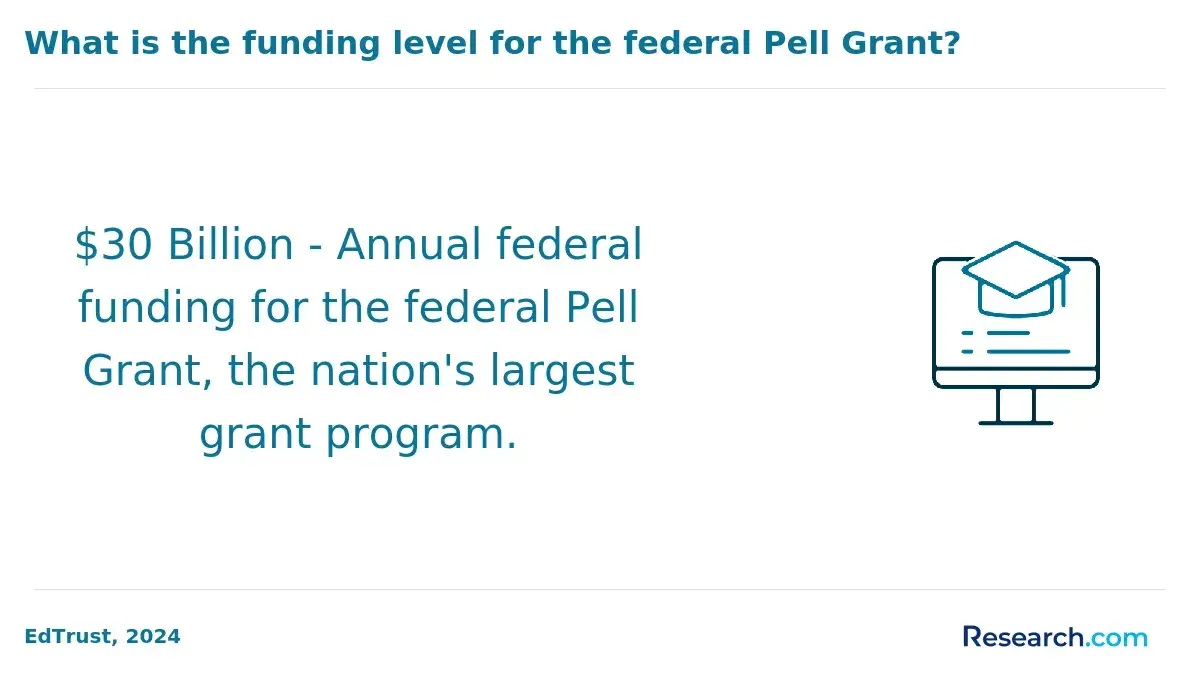
GI Bill benefits can support many approved non-college degree programs, college certificates, associate degrees, apprenticeships, on-the-job training, and reimbursement for qualifying licensing and certification tests. Eligibility, remaining entitlement, payment amounts, and covered charges depend on your specific VA education benefit and the program's approval status. Do not assume that a popular online course, bootcamp, or vendor exam is automatically covered.
Before enrollment, ask the school's certifying official and the program office to confirm these points.
- Whether the exact campus, program, modality, and start date are VA-approved.
- Which charges are tuition and fees, books, tools, uniforms, clinical supplies, testing, or optional software.
- Whether a licensing or certification exam can be reimbursed separately and whether retakes are covered.
- How changes in enrollment, withdrawals, clock hours, and online attendance could affect your benefit payments.
- Whether federal aid, state veteran programs, employer tuition assistance, or scholarships can cover expenses GI Bill benefits do not pay.
Use VA approval as a funding check, not as proof that a program has the right professional recognition. For a longer academic path after service, a one year masters degree may be relevant only after you confirm bachelor's-level prerequisites and the degree's fit with your intended field.
What accreditation and licensing requirements should veterans look for in certification programs?
Accreditation, approval, certification, and licensure are separate checks. Institutional accreditation concerns the school as a whole; programmatic accreditation evaluates certain professional programs; state approval may be required to operate; and licensure authorizes practice in regulated occupations. A third-party industry certification may have no college accreditation relationship at all.
These red flags can indicate that a program will not support your intended goal.
- The school will not identify the accreditor, state approval status, or VA approval for the exact program.
- It implies that completing coursework automatically grants a license, despite a separate state examination or supervised-hours requirement.
- It advertises "certification" but does not name the certifying organization, exam, eligibility rules, or renewal requirements.
- It cannot explain clinical placement arrangements, equipment access, instructor qualifications, or programmatic accreditation where a regulated field expects them.
- It makes salary or job-placement promises without defining the role, geographic area, time frame, or methodology.
For nursing, allied health, electrical work, teaching, legal practice, and similar regulated fields, check the licensing board in the state where you expect to work. Moving later can require additional coursework, examinations, or documentation even after completing an approved program elsewhere.
How do online certification programs compare to campus-based options for veterans?
Online certification training can reduce commuting and make it easier to study around reserve obligations, family responsibilities, or employment. It is especially practical for exam preparation, IT, project management, business software, and some academic coursework. It is less suitable when employers or regulators require labs, clinical rotations, shop hours, driving practice, or supervised assessments.
The format comparison below focuses on what changes your ability to complete training and meet workforce requirements.
| Factor | Online | Campus or hybrid | Best fit |
| Scheduling | Often asynchronous for lecture-based content | Fixed meetings and travel time | Online for working learners who can self-manage. |
| Hands-on learning | May use simulations or home kits | Provides labs, equipment, and supervised practice | Campus or hybrid for trades and clinical fields. |
| Networking | Requires deliberate virtual engagement | Direct access to peers, faculty, and local employers | Campus for learners building a local network. |
| Licensure readiness | Varies widely by state and program | Often easier to coordinate required placements | Verify with the relevant state board before choosing. |
Ask whether live attendance is required, how proctored exams work, who provides equipment, and where required fieldwork occurs. Veterans who value flexible remote study beyond certification training may also find online degrees for seniors useful for comparing support features that can benefit adult learners at any age.
What admission requirements and eligibility criteria apply to veterans seeking certification training?
Admission standards depend on the credential type. A noncredit vendor course may only require payment and basic computer access. A college certificate or associate degree may require an application, high school completion or equivalent, placement steps, and prerequisite courses. Competitive healthcare programs may add science prerequisites, immunizations, drug screening, background checks, physical requirements, or entrance testing. Industry certifications often set separate experience, education, training, or examination requirements.
Prepare an application file early, especially if you are transitioning on a fixed separation timeline.
- Request official military and prior-college transcripts well before registration deadlines.
- Ask whether military training can satisfy prerequisites or award academic credit, and whether that credit transfers to a later degree.
- Review technical standards for physically demanding, clinical, driving, and public-safety programs.
- Budget time for background checks, medical records, fingerprinting, drug screening, and exam scheduling when applicable.
- Confirm that a prior discharge status, residency rule, security requirement, or driving record does not create a role-specific barrier.
Do not interpret a school's open admission policy as guaranteed admission to a selective clinical cohort or eligibility for a professional examination. Read the program handbook and the external credentialing body's rules separately.
How long do popular veteran-friendly certification programs take, and what do they cost?
Completion time and cost vary more by field, location, delivery format, equipment, and clinical or lab requirements than by the word "certificate." The ranges below are planning estimates, not price quotes; request the school's current total cost of attendance and separate required tools, exams, supplies, and travel.
| Program type | Typical duration | Common cost drivers | Credential outcome |
| Industry exam preparation | Weeks to several months | Training subscription, exam voucher, retake fees | Preparation for a separate certification exam |
| Noncredit trade certificate | Several months to about one year | Shop fees, tools, protective equipment, testing | School certificate; may support apprenticeship or licensing steps |
| Credit-bearing college certificate | About one year | Per-credit tuition, books, labs, student fees | Academic certificate; credits may be stackable |
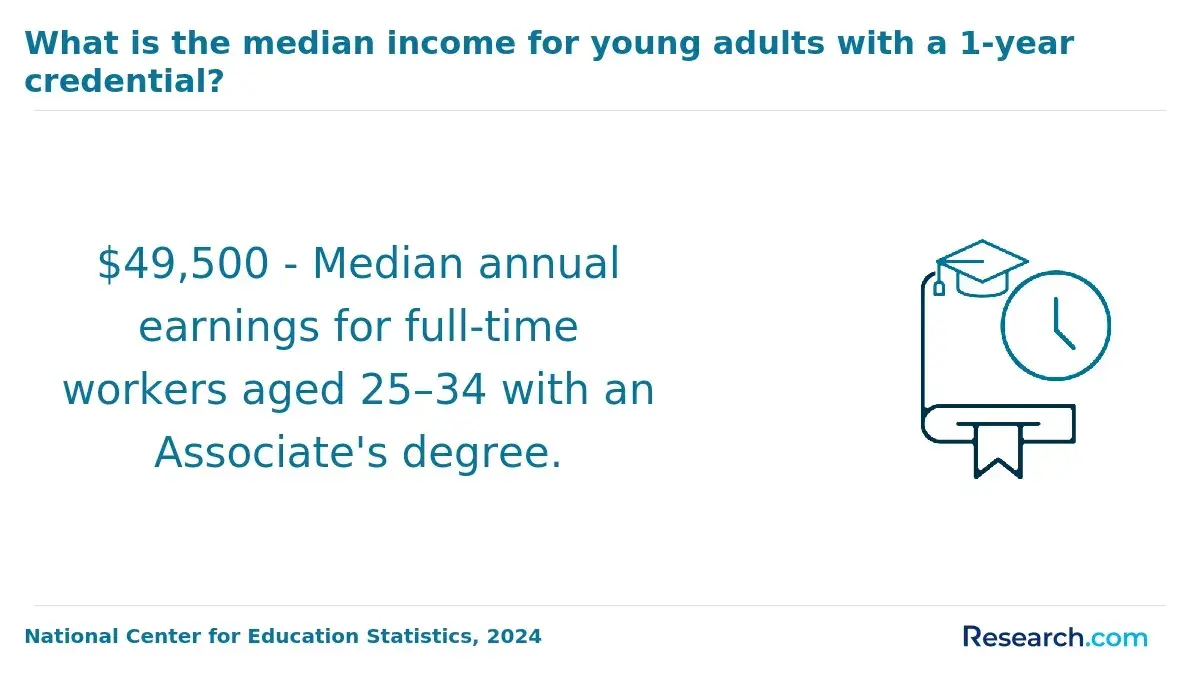
| Associate degree | About two years full time | Tuition, general education courses, labs, clinical costs | Associate degree; may transfer toward a bachelor's degree |
Compare total cost against the credential's actual role in hiring. The lowest tuition can be a poor value if it excludes required labs, clinical placements, exam preparation, tools, or licensing eligibility. Conversely, a higher-cost approved program may be worthwhile when it includes mandatory supervised training that a short online course cannot provide.
What salary ranges and promotion opportunities are common after earning key veteran certifications?
Salary data describes occupations, not what every certificate holder earns. Pay varies by region, shift, union coverage, clearance requirements, experience, employer, and whether the role requires a license or degree. Use occupational wage data to set expectations, then compare it with local postings and the total time needed to become eligible.
The following BLS median annual wage figures use May 2024 national occupational employment data and illustrate why credential level and licensing matter.
| Occupation | Median annual wage | Typical entry pathway | Advancement consideration |
| Electricians | $62,350 | Apprenticeship and licensing pathway | Journey-level status, specialty work, or contractor licensing can expand options. |
| Licensed practical and licensed vocational nurses | $62,340 | Approved practical-nursing program and licensure | Bridge programs can lead toward registered nursing. |
| Radiologic technologists and technicians | $77,660 | Approved education and credentialing requirements | Advanced imaging modalities may require additional credentials. |
| Information security analysts | $124,910 | Usually degree and/or substantial IT experience; certifications can help | Entry-level certification alone commonly is insufficient for this occupation. |
Promotion usually follows demonstrated civilian performance, not military rank alone. Present your leadership, safety, documentation, and operational experience in employer language, and pursue entry roles that create the supervised hours or technical experience needed for higher credentials.
What job outlook and industry demand exist for fields targeted by veteran certifications?
Labor demand should influence, but not dictate, your choice. BLS employment projections for 2023 to 2033 show healthcare occupations growing much faster than the average for all occupations, reflecting aging-related service demand. That makes healthcare attractive for veterans willing to meet clinical and licensing requirements, but it does not make every short healthcare certificate equally portable.
Technology is also changing credential value. AI tools are automating routine documentation, design tasks, scheduling, and basic support work, so employers increasingly look for workers who can verify outputs, troubleshoot systems, communicate with clients, protect data, and perform hands-on work. Certifications are most durable when paired with practice, a portfolio, supervised experience, or a license.
Before committing, compare local demand using employer postings rather than national projections alone. Look for repeated requests for the same license, software platform, shift availability, physical capability, clearance, or professional certification. If postings consistently ask for experience you do not yet have, choose a program with internships, clinical placements, apprenticeships, or employer partnerships rather than one that offers only classroom instruction.
Other Things You Should Know About
Possibly. Many colleges evaluate military transcripts and may award credit for documented training, but policies vary by institution and program. Credit is more likely to help with general electives or aligned technical coursework than to replace regulated clinical or licensing requirements.
The fastest useful option depends on your existing skills and target role. Exam-based IT, project management, logistics, or safety credentials can take less time than a college certificate, but some require documented work experience or do not qualify you for entry-level employment by themselves.
VA education benefits may reimburse approved licensing and certification test fees, subject to benefit rules and remaining entitlement. Confirm that the specific exam is approved and ask how a failed attempt or retake affects reimbursement before registering.
Choose a certificate when a targeted skill, employer-recognized exam, or licensing prerequisite is the immediate need. Choose an associate degree when you need broader education, want credits that may transfer, or are pursuing a field where an associate degree is the customary entry credential.
References
- Financial Assistance for Veterans in 2025: Top Programs You Need - Homefront Group https://homefrontgroup.com/financial-assistance-for-veterans/
- Job Training Programs for Veterans - Hire Heroes USA https://www.hireheroesusa.org/training-partners/
- Financial Aid for Military & Veterans - Accounting.com https://www.accounting.com/resources/financial-aid-for-veterans/
- CVMHP - Certified Veteran and Military Mental Health Professional (US) https://www.evergreencertifications.com/certification/certified-veteran-and-military-mental-health-professional/
- PMP Certification Training for Veterans | PMTI https://www.4pmti.com/learn/pmp-certification-training-for-veterans/
- Certifications for Military Veterans in Space Coast Defense Roles https://spacecoastdefensejobs.com/blog/certifications-boosting-career-advancement-for-military-veterans
- Best Trade Careers for Military Veterans in the United States | Skillit https://skillit.com/the-best-trade-careers-for-military-veterans-in-the-united-states-1
- Military Veterans using certifications to find jobs https://www.msicertified.com/blog/military-veterans-using-certifications-to-find-jobs/
- Highest Paying Certifications 2025-2026: IT, Cybersecurity, Medical & Career Growth Guide https://www.frontlinesourcegroup.com/blog-certifications-that-pay-the-most.html
- VET TEC 2.0 for Veterans and Transitioning Service Members https://centriq.com/career/veteran-training/vet-tec-2-cybersecurity-training/