2027 Best Online Career Training Programs With No SAT or ACT Requirement

Co-Founder and Chief Data Scientist
Choosing career training without SAT or ACT barriers can speed up a job change, but "no test required" does not mean every program leads to the same credential or career access. The U.S. Bureau of Labor Statistics (BLS) projects medical assistant employment to grow 15% from 2023 to 2033, illustrating why short, job-focused training remains attractive.
This guide helps prospective students compare online certificate and associate-degree paths, verify quality, understand hands-on and licensure limits, estimate costs, and choose training that fits a specific career target.
Key Things You Should Know
- Many online career-training certificates and open-admission associate programs do not require SAT or ACT scores, but they may still require a high school diploma, GED, placement assessment, background check, immunization records, or prerequisite coursework.
- A certificate is education completed through a school or provider; a professional certification is usually earned from a certifying body through an exam or eligibility process. One does not automatically replace the other.
- Career outlook varies sharply by field: BLS projects 15% growth for medical assistants from 2023 to 2033, while occupations with licensing or clinical requirements often require in-person supervised training beyond online coursework.
Top 10 Best Online Career Training Programs With No SAT or ACT Requirement
Popular Trade School Programs
Online trade training commonly covers electrical fundamentals, HVAC/R theory, construction estimating, welding concepts, plumbing basics, industrial maintenance, and automotive service preparation. Noncredit certificates can be useful for beginners or incumbent workers, while credit-bearing certificates and associate degrees may be more transferable. Choose fully online theory only when local employers or licensing rules accept it; electricians, HVAC technicians, welders, and similar trades usually need shop practice, an apprenticeship, or supervised field hours. Ask whether tuition includes tools, exam preparation, simulations, and required in-person labs.
Healthcare Programs
Common online or hybrid healthcare options include medical billing and coding, medical assisting, pharmacy technician preparation, health information technology, medical office administration, and practical nursing prerequisites. Billing and coding coursework may be fully online, but programs leading to direct patient care commonly require clinical placements. A school certificate may prepare a learner for an industry certification exam, but it is not itself a certification. Before enrolling, confirm clinical-site support, background-check requirements, state approval, certification-exam eligibility, and whether employers in your area recognize the credential.
Criminal Justice / Law Programs
Online programs in criminal justice, legal studies, paralegal studies, court reporting support, homeland security, and cybersecurity fundamentals can suit learners seeking administrative, compliance, investigative-support, or public-safety-related roles. An associate degree can provide broader general education and a path toward a bachelor's degree; a short certificate is usually narrower and faster. Paralegal programs deserve extra scrutiny because employers may prefer programs approved by the American Bar Association, although approval is not universally required. A criminal justice credential does not independently qualify someone as a police officer, attorney, or licensed investigator.
Arts & Design Programs
Online arts and design training may include graphic design, digital illustration, UX/UI foundations, web design, video editing, animation, photography, and digital marketing creative production. Portfolio quality often matters as much as the credential, so favor programs that include instructor feedback, project briefs, current software practice, and a portfolio review. A short noncredit program can build targeted skills quickly; an associate degree may offer broader design foundations and college credit. Confirm software costs, hardware requirements, intellectual-property policies, and whether coursework produces work you can legally show employers.
What are online career training programs that waive SAT and ACT scores?
Online career training programs that waive SAT and ACT scores are job-focused learning options that admit students without using those college entrance exams. They include noncredit workforce certificates, academic certificates, diploma programs, professional training courses, and many open-admission community-college associate degrees. The best option depends less on test policy than on whether the program teaches the skills, provides required practice, and is recognized for the job you want.
Test-optional or no-test admission is especially common when a provider uses direct enrollment, reviews high school completion, or gives its own placement assessment. These pathways can work well for adult learners, career changers, military-connected students, and recent graduates whose test scores are unavailable or unrepresentative. A fast track program may also reduce time to completion, but accelerated pacing can make it harder to balance work and clinical, lab, or portfolio demands.
Do not equate no SAT/ACT with automatic admission. Some programs use placement tests for English or math, while selective clinical cohorts may assess grades, prerequisites, interviews, or entrance exams. For noncredit training, admissions may be minimal, but employer recognition and certification eligibility become more important decision points.
How can students verify accreditation and quality for online career training?
Verify quality by identifying both the provider and the credential. For a credit-bearing college certificate or associate degree, check that the institution holds recognized institutional accreditation and confirm whether the program has specialized approval when the field requires it. For noncredit training, look instead for transparent curriculum details, qualified instructors, recognized certification alignment, employer partnerships, and documented learner-support policies.
Use the following checks before paying a deposit. They help distinguish a legitimate learning option from a program that makes vague employment claims.
- Confirm the school's legal name, physical contact information, refund policy, and whether the credential is credit-bearing or noncredit.
- Ask whether the program meets requirements for a specific certification exam, license, apprenticeship, clinical placement, or employer standard in your state.
- Request total-cost information, including registration, technology, books, supplies, labs, proctoring, exam, background-check, and travel expenses.
- Review completion, certification-exam, placement, and withdrawal information when the provider publishes it, and ask how each measure is defined.
- Speak with local employers, a licensing board, or a professional association before assuming the credential will be accepted.
Red flags include pressure to enroll immediately, guaranteed-job or guaranteed-salary language, unclear faculty qualifications, missing refund terms, and claims that an entirely online course qualifies students for hands-on licensure without supervised practice. A reputable provider should explain limitations directly.
What admission requirements replace SAT or ACT scores for these programs?
Requirements that replace SAT or ACT scores depend on the program type. Open-admission academic programs often request proof of high school completion or equivalent and may use placement measures to determine whether developmental coursework is needed. Short noncredit programs may require only identity verification, payment, and basic technology access.
Programs tied to regulated work can have additional screening because students may enter clinical sites, work with sensitive data, or handle tools and equipment. Common requirements include the following.
- High school diploma, GED, or equivalent documentation.
- Minimum age, identity verification, and residency requirements where applicable.
- Placement assessment, prerequisite course, or demonstrated reading, writing, math, or computer proficiency.
- Background check, drug screening, immunizations, CPR training, or health clearance for some healthcare placements.
- Portfolio, software skills, interview, or writing sample for selected creative and advanced programs.
Ask whether requirements are needed to enroll, to begin a practicum, or to sit for a certification examination. Missing that distinction can lead to paying for coursework that cannot yet be used for the intended next step.
How do online career training programs compare to campus-based options?
Online delivery is strongest for theory-heavy fields such as billing and coding, legal research, design software, project coordination, and business applications. Campus or hybrid delivery is often better for learners who need equipment access, structured practice, clinical supervision, shop time, or immediate instructor correction. Neither format is automatically more rigorous; the question is whether the delivery model matches the occupation's real work.
This comparison shows where each model tends to fit. Confirm the exact format because "online program" may still include required weekend labs, proctored exams, or local placements.
| Decision factor | Online or hybrid career training | Campus-based training |
| Schedule | Usually offers more asynchronous coursework and less commuting | Uses scheduled classes and may provide a more fixed routine |
| Hands-on practice | May require local labs, simulations, externships, or clinical placements | Often provides on-site labs, equipment, and instructor observation |
| Best fit | Theory-based roles, working adults, and self-directed learners | Skilled trades, direct patient care, and learners needing structured support |
| Hidden consideration | Technology, proctoring, travel, and placement availability can add costs | Transportation, parking, housing, and daytime scheduling can add costs |
Before choosing online study, test your home internet, computer, and available study time. Also ask who arranges practicum sites; students should not assume a school can place them near home.
What career fields and job roles do these programs typically prepare you for?
These programs typically prepare learners for entry-level or support roles rather than every role within a field. A certificate can build job-ready skills, but roles with statutory licensing, extensive apprenticeships, or degree requirements need additional steps. BLS occupational data is useful for comparing the labor market, not for predicting an individual graduate's pay.
The following examples connect common training areas to realistic role targets and the credential limitations a prospective student should check.
| Training area | Possible entry-level target | Important limitation |
| HVAC/R or electrical fundamentals | Helper, installer trainee, maintenance trainee | Independent work may require apprenticeship hours, licensing, or employer training |
| Medical assisting | Medical assistant | Clinical training and employer or state requirements can apply |
| Billing and coding | Billing specialist, coding support, patient-access representative | Employers may prefer experience or an industry certification |
| Paralegal studies | Legal assistant or paralegal support role | Hiring preferences vary; this is not attorney training |
| Digital design | Production artist, junior designer, content-production assistant | A portfolio and software proficiency are often decisive |
People seeking focused, lower-social-interaction work may also explore introvert jobs, but should evaluate actual daily tasks rather than choose based on job title alone. Design, coding, records, and technical roles can still involve client communication and team deadlines.
What curriculum and hands-on training do online career programs usually include?
Online career programs usually combine instructional modules with job-specific assignments. The curriculum may include industry vocabulary, safety, ethics, software workflows, customer communication, documentation, and basic employability skills alongside technical content. Credit-bearing programs may also include general education courses, while noncredit programs generally concentrate on occupational skills.
Hands-on training should be visible in the published program design, not simply promised in marketing. Depending on the field, evidence of practical learning may include simulated cases, virtual labs, remotely assessed projects, portfolios, skills checklists, externships, clinical rotations, local labs, or supervised shop sessions.
Ask for the number of required practical hours, the location and scheduling of any in-person components, and the party responsible for obtaining a placement. For design and technology pathways, ask to see representative student projects. For healthcare and trade pathways, ask how competency is observed and documented. These details matter more than a generic claim that a program is "100% career ready."
How long do online career training programs take and what do they cost?
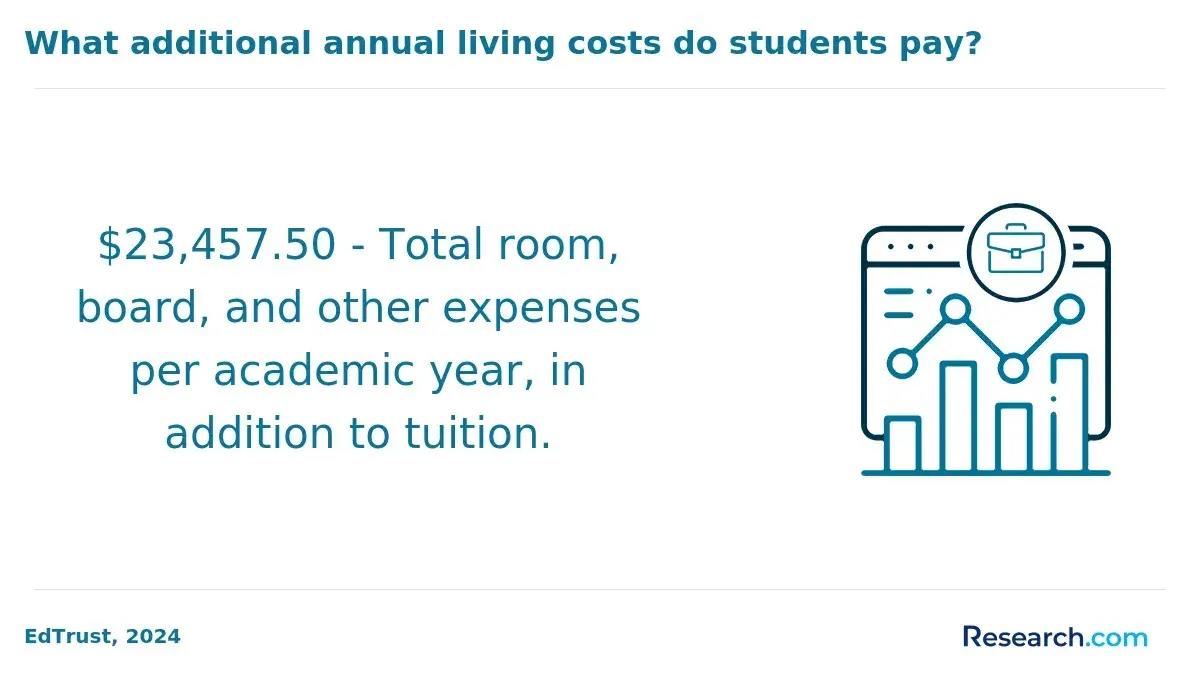
Completion time ranges from a few weeks for a narrow noncredit course to about two years for a full-time associate degree. A short program can be cost-effective when it meets a clearly defined employer or certification need, but it may not provide the breadth, academic credit, or transfer options of a college credential. Compare total cost and required outcomes, not calendar length alone.
This framework helps separate common program models before you request school-specific pricing. Actual tuition, fees, aid eligibility, and pacing vary by provider and state.
| Program model | Typical timeline | Cost factors | Best use case |
| Short noncredit career course | Weeks to several months | Tuition, software, exam fees, supplies | Targeted skill-building or certification preparation |
| Academic certificate | Several months to about one year | Per-credit tuition, fees, books, labs | Entry-level preparation with possible college credit |
| Diploma or workforce certificate | Several months to roughly one year | Tuition, equipment, uniforms, external exams | Occupation-specific training with limited general education |
| Associate degree | About two years full time | Per-credit tuition, general education, labs, transportation | Broader preparation and possible transfer pathway |
Ask whether federal aid is available only after confirming that the specific institution and program are eligible; many short noncredit offerings do not qualify. Employer tuition assistance, workforce grants, payment plans, and apprenticeship wages can reduce out-of-pocket cost in some cases. Learners who ultimately need a bachelor's degree should compare transfer pathways with broader options such as fun majors in college that pay well before choosing a nontransferable training course.
What salaries and earning potential can graduates of these programs expect?
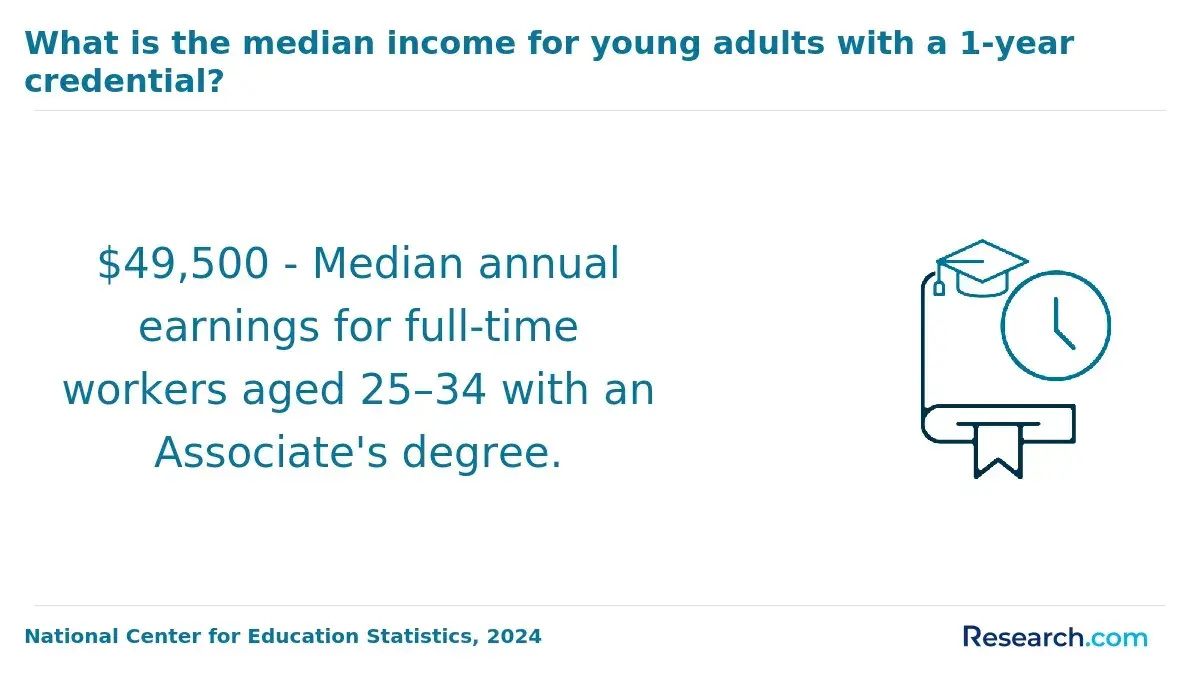
Earning potential depends on occupation, location, experience, schedule, employer, and licensure status - not simply on whether someone completed online training. BLS reported a 2024 median annual wage of $44,200 for medical assistants, $59,810 for heating, air conditioning, and refrigeration mechanics and installers, $61,010 for paralegals and legal assistants, and $61,300 for graphic designers. These are occupation-wide medians and include workers with different education and experience levels.
The labor-market comparison below can help readers weigh pathways, but it should not replace reviewing local job postings and required qualifications.
| Occupation | BLS 2024 median annual wage | BLS projected employment change, 2023-2033 |
| Medical assistants | $44,200 | 15% |
| Heating, air conditioning, and refrigeration mechanics and installers | $59,810 | 9% |
| Paralegals and legal assistants | $61,010 | 0% |
| Graphic designers | $61,300 | 2% |
Use wage data as a starting point for ROI: compare local entry-level postings, program cost, time away from work, credential requirements, and advancement routes. If your long-term goal is research, university teaching, or advanced professional practice, short career training is usually not a substitute for online PhD programs or the degrees required in those fields.
What licenses or certifications might be required after completing online career training?
Licenses and certifications are separate from completing a school program. Licensing is a legal authorization issued by a government body and is common in regulated occupations. Certification is generally a voluntary or employer-preferred credential issued by a professional organization, though some employers or states may require it. A program can prepare students for an exam without awarding the certification itself.
Requirements vary by state, occupation, and employer. Before enrolling, verify the pathway that applies to your target role.
- Healthcare roles may require a state-approved program, clinical hours, background clearance, and a licensing or certification examination.
- HVAC work may involve Environmental Protection Agency refrigerant-handling certification, while electrical and plumbing pathways often require documented supervised experience before licensing.
- Medical coders, pharmacy technicians, and paralegals may benefit from professional certification, but eligibility rules can include education, examination, or work-experience conditions.
- Design and many entry-level digital roles generally do not require a government license, but a portfolio, software competence, and project experience are important evidence of skill.
Contact the relevant state licensing board or certifying organization directly and save written confirmation of eligibility rules. Schools can explain their curriculum, but they cannot waive a regulator's requirements.
Other Things You Should Know About
Many do not use SAT or ACT scores, especially noncredit certificates, workforce training, and open-admission programs. However, they may require high school completion, placement testing, prerequisites, or field-specific screening.
Possibly, depending on the occupation, local employer expectations, your prior experience, and the program's practical training. Certificates are often most useful for targeted entry-level skills, while licensed and hands-on occupations may require clinical hours, apprenticeship experience, or an additional exam.
Only some are. Credit-bearing certificates from accredited colleges may have courses that apply toward an associate or bachelor's degree, subject to the receiving school's rules. Noncredit certificates usually do not transfer as college credit.
Ask about total cost, credential type, practical-training requirements, certification or licensing eligibility, job-placement definitions, refund policy, technology needs, and whether credits transfer. Get answers in writing before committing funds.
References
- Financial Aid For Online Colleges https://www.affordablecollegesonline.org/financial-aid/financial-aid-for-online-colleges/
- Colleges that Allow Self-Reporting of SAT and ACT Scores https://www.compassprep.com/self-reporting-test-scores/
- Career and College Prep - North Carolina Virtual Academy https://ncva.k12.com/academics/career-college-prep/
- Beyond Financial Aid - Finaid https://finaid.org/beyond/
- Career Training Could Beat Traditional College https://www.trainingdirectusa.com/blog/why-career-training-beats-traditional-college/
- SAT and ACT participation and performance https://educationtoworkforce.org/indicators/sat-and-act-participation-and-performance
- High-Paying, Fast-Growing Jobs Without a Degree https://www.rockwellinstitute.com/blog/jobs-dont-require-degree/
- CourseCareers https://coursecareers.com/blog-posts/how-to-choose-the-right-online-career-training-program
- Explore Possibilities | Job Corps http://www.jobcorps.gov/explore
- Best Online Colleges for Working Adults [2026] https://www.straighterline.com/blog/degree-completion-best-online-colleges-for-working-adults