2027 Best Online Non-Degree Programs With Fast Admissions Decisions

Co-Founder and Chief Data Scientist
Need training quickly but do not want to wait through a traditional college admission cycle? Online non-degree programs can offer rolling, expedited, or sometimes same-day eligibility decisions, but speed should not outweigh career value. The U.S. Bureau of Labor Statistics projects medical assistants employment to grow 12% from 2024 to 2034, illustrating why short, job-focused training remains appealing.
This guide helps career changers, working adults, and recent graduates compare fast-admission programs, verify their quality, estimate costs, and choose a credential that fits a real employment goal.
Key Things You Should Know
- Fast admissions usually mean a quick eligibility or enrollment decision, not automatic acceptance into every course, clinical placement, licensing pathway, or financial-aid process.
- The strongest options match the target job: industry training may take weeks, while credit-bearing college certificates often take 6-18 months and may be stackable toward an associate degree.
- For cost context, College Board reported average published tuition and fees of $4,050 for public two-year colleges in 2024-25; compare total charges, tools, exams, and required in-person training before enrolling.
Top 10 Best Online Non-Degree Programs With Fast Admissions Decisions
Popular Trade School Programs
Online trade certificates commonly cover HVAC fundamentals, electrical theory, construction estimating, welding safety, and industrial maintenance. They work best for learners who need theory online and can complete required labs, apprenticeships, or employer training locally.
An online certificate alone rarely qualifies someone for a skilled-trade license; state rules, supervised hours, and examinations may still apply. Choose a program that clearly identifies its hands-on component, tool costs, and whether its coursework supports an apprenticeship or an industry exam.
Healthcare Programs
Fast-admission healthcare options include medical billing and coding, medical assisting theory, pharmacy technician preparation, health information, and patient-care certificates. Administrative programs can often be completed largely online, while clinical roles require supervised externships and may have immunization, background-check, and drug-screen requirements.
Confirm that the curriculum prepares students for the specific certification examination sought, if any. A certificate of completion is not the same as a professional certification, and completing either does not automatically grant state licensure.
Criminal Justice / Law Programs
Online non-degree choices include paralegal studies, legal research, court reporting preparation, cybersecurity basics, and criminal justice certificates. These programs suit people exploring legal support, compliance, records, or public-safety administration rather than seeking attorney licensure.
Paralegal employers may prefer education from a school with recognized institutional quality standards, and some roles favor candidates with prior legal-office experience. Review local employer expectations because a short certificate may build useful skills without meeting every preferred hiring qualification.
Arts & Design Programs
Graphic design, UX design foundations, digital marketing content, photography, video editing, and web production certificates can be delivered fully online and often admit learners quickly. These programs are most useful when they produce portfolio-ready work, software fluency, and feedback from experienced instructors.
A certificate may help demonstrate focused training, but employers commonly evaluate the portfolio, practical assignments, and communication skills. Before paying, verify software subscriptions, project requirements, instructor access, and whether the credential is academic credit, continuing education, or provider-issued training.
What types of online non-degree programs offer the fastest admissions decisions?
The fastest decisions are generally available from open-enrollment continuing education providers, workforce-training programs, and colleges with rolling admissions for noncredit courses. These options may review identity, age, prerequisite, and payment information rather than conduct a selective academic review. Credit-bearing certificates can also move quickly when colleges accept applications year-round, though transcript review and placement requirements can extend the timeline.
The comparison below distinguishes a quick enrollment process from a program that can actually start quickly. Readers should ask for the decision date, next start date, and any requirements that must be cleared before classes or externships begin.
| Program type | Typical decision speed | Common gate before starting | Best fit |
| Noncredit career training | Same day to several days | Identity, payment, basic eligibility | Short skills training or career exploration |
| Continuing education certificate | Several days to a few weeks | Prerequisite course or placement review | Working adults seeking targeted skills |
| Credit-bearing college certificate | Several days to several weeks | Transcript evaluation, placement, registration | Students who want academic credit or stackability |
| Clinical or regulated training | Often longer than initial admission | Background check, health records, site placement | Students pursuing eligible healthcare pathways |
Programs advertising "instant acceptance" deserve extra scrutiny. The offer may only mean access to enrollment, not confirmation that you meet clinical, licensing, certification-exam, or employer requirements.
How do online non-degree certificates differ from traditional degree programs?
An online non-degree certificate is a focused educational award rather than an associate, bachelor's, or graduate degree. It may be credit-bearing through a college, noncredit through continuing education, or issued by a private training provider. A professional certification is different: it is typically awarded by an independent certifying body after a candidate meets stated standards, often including an examination.
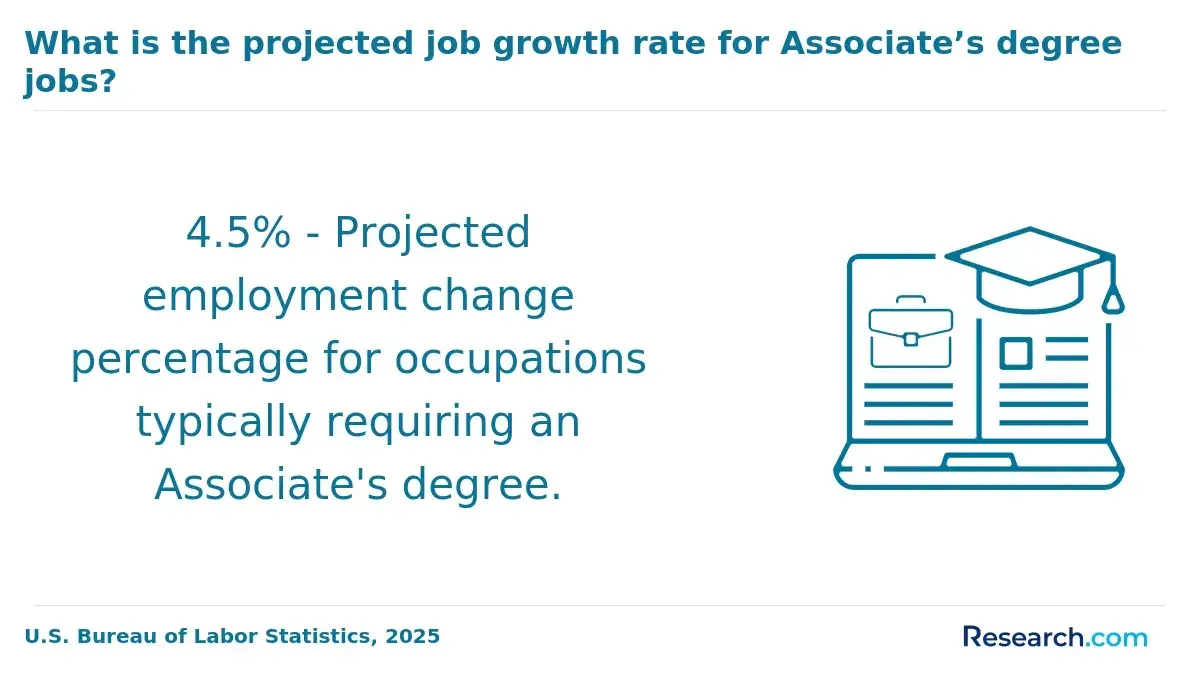
A non-degree route makes sense when a learner needs a narrow skill set, a faster start, or a lower-commitment way to test a field. A degree usually makes more sense when the occupation requires it, when broad general education is valuable, or when advancement depends on it. Learners seeking a longer academic pathway can compare fast-track degrees before assuming a short certificate is the best investment.
This comparison highlights the practical trade-off between speed and breadth.
| Feature | Online non-degree program | Traditional degree program |
| Primary purpose | Specific skills, career exploration, or exam preparation | Broad academic and professional education |
| Length | Days to about 18 months, depending on type | Usually two years or more |
| Admissions | Often rolling or streamlined | May follow term deadlines and fuller review |
| Credit transfer | Varies; noncredit training may not transfer | May support transfer under institutional policies |
| Career scope | Useful for targeted entry-level or support roles | Often needed for occupations requiring a degree |
Never assume a certificate will transfer into a degree. Obtain the receiving institution's policy in writing before enrolling if stackability is central to your plan.
What accreditation and quality standards should online non-degree programs meet?
Quality checks should reflect the credential type. For a credit-bearing college certificate, verify that the institution is accredited by an agency recognized by the U.S. Department of Education or the Council for Higher Education Accreditation. For noncredit or private training, examine curriculum ownership, instructor qualifications, refund rules, employer recognition, assessment methods, and whether claims about certification preparation are precise.
Regulated fields require another layer of verification. Nursing, allied health, cosmetology, electrical work, and similar fields can have state-specific education, supervised-practice, examination, or program-approval rules. Contact the relevant state licensing board before paying a deposit; a school's marketing statement is not a licensing determination.
Use the following screening questions before accepting a rapid admission offer.
- Is the credential academic credit, continuing education, provider training, or preparation for a separate certification exam?
- What accreditor, approval body, industry partner, or certifying organization recognizes the program, if any?
- Are online labs, externships, proctored exams, tools, software, travel, or background checks required?
- Can the school document completion, certification-exam eligibility, placement support, and refund policies without promising employment?
A red flag is a provider that uses vague phrases such as "nationally recognized" without naming the organization or that implies a license is included with tuition.
How do online non-degree programs compare with campus options for flexibility and support?
Online delivery can reduce commuting and make rolling starts practical, but flexibility is not the same as low workload. Asynchronous programs suit students who need evening or weekend access; live online sessions provide more structure; hybrid programs are often necessary when labs, clinical skills, equipment, or performance assessments matter.
The best online choice has support that matches the risk of the career pathway. For self-paced software or design training, responsive technical help and portfolio feedback may matter most. For healthcare or skilled trades, students should prioritize coordinated externships, local lab access, safety instruction, and clear accountability for required placements.
Campus learning may be preferable when you need equipment, direct observation, local employer connections, or a predictable routine. Students who ultimately need a bachelor's degree should also compare an easiest bachelor degree option with a standalone certificate, particularly when long-term advancement matters more than the quickest possible start.
What are typical admission requirements and timelines for fast-decision online programs?
Fast-decision online programs commonly require a short application, proof of identity, age or education confirmation, and payment arrangements. Credit-bearing programs may additionally request official transcripts, placement information, residency details, and prerequisite verification. Programs involving minors, patient contact, or regulated work can require more screening after the admission decision.
A quick decision is useful only if the remaining timeline is transparent. Follow these steps to avoid enrolling in a program that cannot begin when you need it to.
- Ask whether the stated decision is admission, enrollment eligibility, or final clearance for all program activities.
- Request the next cohort date and identify any orientation, textbook, software, lab, or externship deadlines.
- Read eligibility requirements for certification examinations, clinical sites, and state licensing before submitting nonrefundable fees.
- Get a written total-cost estimate and refund policy, including charges that arise after initial enrollment.
Do not interpret no-GPA or no-test advertising as "no requirements." It often means the provider uses a different screening method, and prerequisites may still apply.
How long do online non-degree programs take to complete, and what do they cost?
Completion time ranges from a few weeks for self-paced professional training to roughly one academic year or longer for many college certificates. Pace depends on course sequencing, transfer credit, weekly study time, externship availability, and whether students attend part time. A fast admission decision does not shorten required instructional hours or supervised practice.
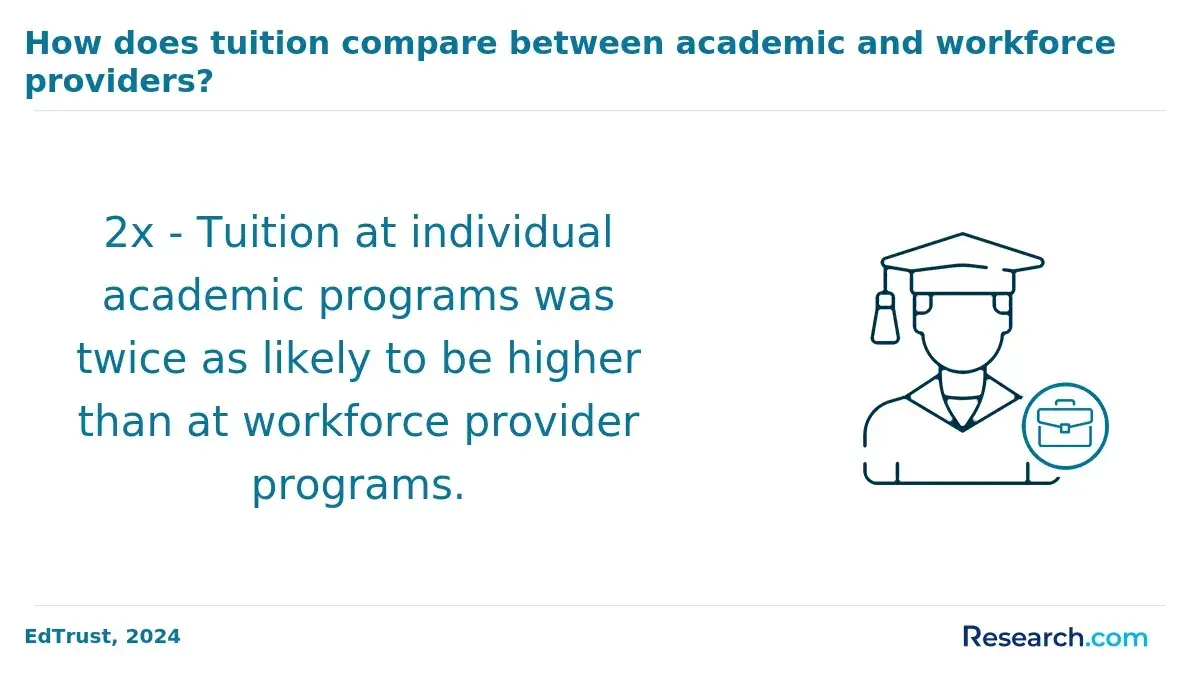
Cost varies more by provider and format than by program name. College Board reported average published tuition and fees of $4,050 at public two-year colleges for 2024-25, but that figure is not a certificate price and excludes books, supplies, transportation, and living costs. Private training can cost less or more, while certification exams, software, tools, uniforms, and background checks may add meaningful expenses.
Compare a short credential's total cost with the educational path needed for your end goal. If a role eventually requires graduate study, reviewing the easiest master degree options can help place a certificate in a longer education plan rather than treating it as a substitute for required qualifications.
Ask whether federal aid applies to the specific program rather than assuming it does. Eligibility depends on the institution and program, while employers, workforce agencies, and payment plans may offer separate support.
What careers and job roles can online non-degree certificates prepare you for?
Online non-degree programs can prepare learners for task-focused entry-level, support, or career-transition work, particularly when paired with a portfolio, supervised experience, or an industry-recognized certification. They are less suitable when an employer, licensing board, or occupation requires a degree, a registered apprenticeship, or substantial clinical training.
This table connects common program areas to realistic role targets. Job titles vary by employer, and a certificate alone may not satisfy every listed role's hiring requirements.
| Program area | Possible entry-level or support roles | Important limitation |
| Medical billing or health information | Medical records specialist, billing support, patient-access support | Employers may prefer coding certification or experience |
| HVAC or electrical fundamentals | Helper, installer trainee, maintenance trainee | Licensure and apprenticeship rules vary by state |
| Paralegal studies | Legal assistant, legal intake, document support | Attorney supervision and employer preferences apply |
| Graphic or digital design | Junior production designer, content assistant, freelance project support | A portfolio often outweighs the certificate title |
| IT support fundamentals | Help-desk trainee, technical support assistant | Employers may request separate vendor certifications |
For learners whose priority is earnings rather than fastest entry, compare the occupation's education requirements with the pathways covered in highest-paying degrees. A degree can be the more efficient long-term choice when it is a standard hiring requirement.
What salary ranges and job outlook can graduates of online non-degree programs expect?
Salary and outlook data describe occupations, not guaranteed outcomes for certificate completers. Local demand, prior experience, licensure, portfolio quality, employer size, and shift schedules can all affect pay. Use occupational figures to judge whether a field is worth investigating, then confirm what credentials employers in your area actually request.
The U.S. Bureau of Labor Statistics' 2024 wage and 2024-34 projection data provide useful directional context for several certificate-related pathways.
| Occupation | 2024 median annual wage | Projected employment change, 2024-34 | Certificate relevance |
| Medical assistants | $44,200 | 12% | Postsecondary training is commonly expected; requirements vary |
| Medical records specialists | $50,250 | 7% | Certificate coursework may support entry, with employer preferences varying |
| Heating, air conditioning, and refrigeration mechanics and installers | $59,810 | 8% | Training is commonly paired with hands-on experience and possible licensing |
| Paralegals and legal assistants | $61,010 | 0% | Certificate value depends on prior education and employer expectations |
| Graphic designers | $61,300 | 2% | Portfolio and skills are central; a certificate can support both |
These national medians are not starting salaries and do not establish that completing a particular program leads to employment. They are most useful for comparing the field's overall pay range against your tuition, time commitment, and local job postings.
How can students choose reputable online non-degree programs aligned with their career goals?
A reputable fast-admission program is one that can explain exactly what learners receive, what they must do next, and what the credential does not do. Start with job postings in your intended location: note required education, named certifications, software, licenses, and experience. Then choose training that closes the clearest gap rather than selecting the shortest advertised program.
Before enrolling, compare at least two providers on curriculum, total price, start date, instructional format, instructor access, refund terms, and career support. If a program claims to prepare learners for certification, verify the certifying organization's eligibility rules independently. If it claims academic credit or transferability, confirm this with the receiving college.
Common mistakes include paying based on a low monthly payment instead of total cost, overlooking mandatory in-person requirements, assuming a certificate equals a certification, and treating rapid admission as evidence of quality. The better approach is to document your target role, verify all external requirements, and keep copies of written answers from admissions staff before making a nonrefundable commitment.
Other Things You Should Know About
Some open-enrollment and noncredit programs can confirm eligibility the same day. Credit-bearing, clinical, and regulated programs often need more time for transcript review, prerequisites, background checks, or placement clearance.
They can be, especially when the provider is credible and the coursework matches job skills. Employer recognition depends on the field; portfolios, hands-on experience, licensing, and independent certifications may matter as much as the certificate.
Sometimes a program can meet part of a licensing pathway, but the certificate itself does not grant a license. Check the relevant state board for required education, supervised hours, examinations, and approved-program rules.
Choose a certificate for focused, shorter training when the target role does not require a degree. Choose an associate degree when job postings commonly require it, when you want broader coursework, or when you may transfer to a bachelor's program later.
References
- What Non-Completers Want From Higher Ed https://www.wgulabs.org/posts/bridging-the-gap-what-non-completers-need-from-higher-ed
- Best Online Colleges for Working Adults [2026] https://www.straighterline.com/blog/degree-completion-best-online-colleges-for-working-adults
- Are Nondegree Pathway Programs Preparing Participants for Career Success? - Britebound https://www.britebound.org/insights/are-nondegree-pathway-programs-preparing-participants-for-career-success
- The Non-Degree Market: Oasis or Mirage? https://www.encoura.org/resources/wake-up-call/the-non-degree-market-oasis-or-mirage/
- Online Associate Degree Benefits Students Ready to Advance https://www.tuw.edu/school-news/online-associate-degree-benefits/
- Measuring - and Proving - the Effectiveness Of Non-Degree Programs https://www.calbright.edu/newsroom/blog/measuring-and-proving-the-effectiveness-of-non-degree-programs/
- Non-Degree Applicants https://www.towson.edu/admissions/undergrad/nondegree/applicants.html
- The Philippines' Most In-Demand Courses in College | OEd https://oed.com.ph/in-demand-courses-in-the-philippines/
- Do Graduate Schools Accept Online Degrees? Admissions Experts Speak https://www.onlineeducation.com/features/is-an-online-degree-respected
- Online Degree vs. Traditional: Choosing the Right Path https://beal.edu/online-degree-vs-traditional/