2027 Best Online Career Training Programs With Flexible Deadlines

Co-Founder and Chief Data Scientist
Choosing online career training is difficult when "self-paced" programs vary widely in deadlines, hands-on requirements, employer recognition, and licensing eligibility. Flexible formats can help working adults change careers without pausing employment, but they are not equally suitable for every occupation. The U.S. Bureau of Labor Statistics reported a May 2024 median annual wage of $46,480 for medical assistants, illustrating why short, career-focused healthcare pathways attract attention.
This guide compares program types, flexibility models, costs, credentials, support, and practical checks so you can choose training that fits both your schedule and target job.
Key Things You Should Know
- Flexible deadlines usually mean asynchronous coursework, extended assignment windows, or competency-based pacing—not unlimited time; clinical, lab, externship, and exam dates can still be fixed.
- Choose the credential backward from the job: a school certificate may build skills, while an industry certification or state license may be required before an employer can hire you.
- Compare total cost, required equipment, exam fees, placement support, and state eligibility before enrolling; the lowest advertised tuition can exclude essential clinical or certification expenses.
Top 10 Best Online Career Training Programs With Flexible Deadlines
Popular Trade School Programs
Online trade training commonly covers HVAC fundamentals, electrical theory, welding safety, construction estimating, plumbing concepts, automotive service, and industrial maintenance. These are usually nondegree career-training certificates, although some community colleges offer credit-bearing certificates or associate degrees. Online coursework can suit learners studying codes, diagnostics, safety, and estimating, but physical trades require in-person labs, supervised practice, apprenticeships, or employer training. Choose a hybrid option if your goal involves installing, repairing, welding, or operating equipment. Confirm whether the program prepares you for an industry exam, such as EPA Section 608 for refrigerant handling, rather than assuming completion itself confers certification.
Healthcare Programs
Common flexible online healthcare pathways include medical billing and coding, pharmacy technician, medical assisting theory, health information technology, sterile processing, and patient care support. Programs may award a school certificate, diploma, or academic certificate; these differ from credentials issued by certifying bodies. Coding and billing can often be learned mostly online, while medical assisting, phlebotomy, nursing aide, and allied-health programs typically require clinical practice at approved sites. State rules, employer preferences, background checks, immunizations, and certification exams can affect eligibility. Students seeking direct patient-care roles should prioritize programs that arrange or clearly support clinical placements.
Criminal Justice / Law Programs
Flexible programs in this area include paralegal studies, legal research, court reporting foundations, criminal justice, corrections, cybersecurity investigations, and emergency management. An online certificate can strengthen administrative, research, documentation, and policy skills, but it does not authorize someone to practice law or guarantee paralegal employment. Paralegal employers may prefer a degree, prior legal-office experience, or a program meeting local expectations. Criminal justice certificates can be useful for public-safety support roles and career exploration, while sworn law-enforcement positions usually have separate agency hiring standards, background investigations, physical requirements, and academy training.
Arts & Design Programs
Online arts and design training often includes graphic design, digital illustration, web design, user experience foundations, photography, video editing, animation, and interior design fundamentals. These programs are especially compatible with flexible deadlines because students can build projects asynchronously. The credential matters less than a polished portfolio for many creative roles, although software proficiency and client-ready work samples are essential. A short certificate is a sensible entry point for learners testing a specialty; an associate or bachelor's degree may better fit students seeking broader studio training, internships, and structured portfolio reviews. Check software, hardware, and subscription costs before enrolling.
What are online career training programs with flexible deadlines and who are they best for?
Online career training programs with flexible deadlines are short, job-focused learning options that let students complete much of their coursework outside traditional class meeting times. They may be offered by community colleges, universities, private career schools, employers, professional associations, or online training companies. Flexibility can mean fully self-paced study, weekly modules with several days to submit work, rolling starts, or competency-based progression.
They are best for adults balancing work, caregiving, military obligations, or irregular shifts; self-directed learners who can plan study time; and career changers who need targeted skills rather than a full degree. Learners who need frequent live instruction, immediate feedback, or extensive hands-on supervision may do better in a cohort-based or hybrid program. People seeking a degree pathway should also compare an online associate degree, which may carry academic credit and provide a broader foundation.
Before calling a program "self-paced," ask whether there is a maximum completion period, instructor response schedule, proctored exam requirement, externship deadline, or withdrawal policy. A flexible online format is a delivery model, not a promise that every part of training can occur whenever you choose.
How do online career training programs compare to campus-based options for flexibility and support?
Online programs usually offer greater scheduling control and lower commuting demands than campus-based options. Campus programs generally offer easier access to equipment, labs, peer interaction, and immediate instructor help. The better choice depends on whether the occupation can be learned primarily through knowledge work or requires supervised performance.
The comparison below helps distinguish flexibility in coursework from flexibility in required practical training:
| Decision factor | Flexible online format | Campus or hybrid format |
| Lecture and reading | Often asynchronous and available around work schedules | Usually scheduled at set times |
| Hands-on practice | May require local labs, kits, simulations, or externships | Usually integrated with school facilities and instructors |
| Instructor access | Email, office hours, discussion boards, video meetings | In-person questions and scheduled office access |
| Peer network | Requires intentional online participation | Develops more naturally through classes and labs |
| Best fit | Independent learners in desk-based or theory-heavy fields | Learners needing equipment, structure, or clinical supervision |
Programs at competency based universities can be especially appealing to experienced learners because they may allow progress after demonstrating mastery. However, confirm whether pacing applies to every course and whether the credential aligns with employer, certification, or licensing requirements.
How can students verify accreditation and program quality for online career training schools?
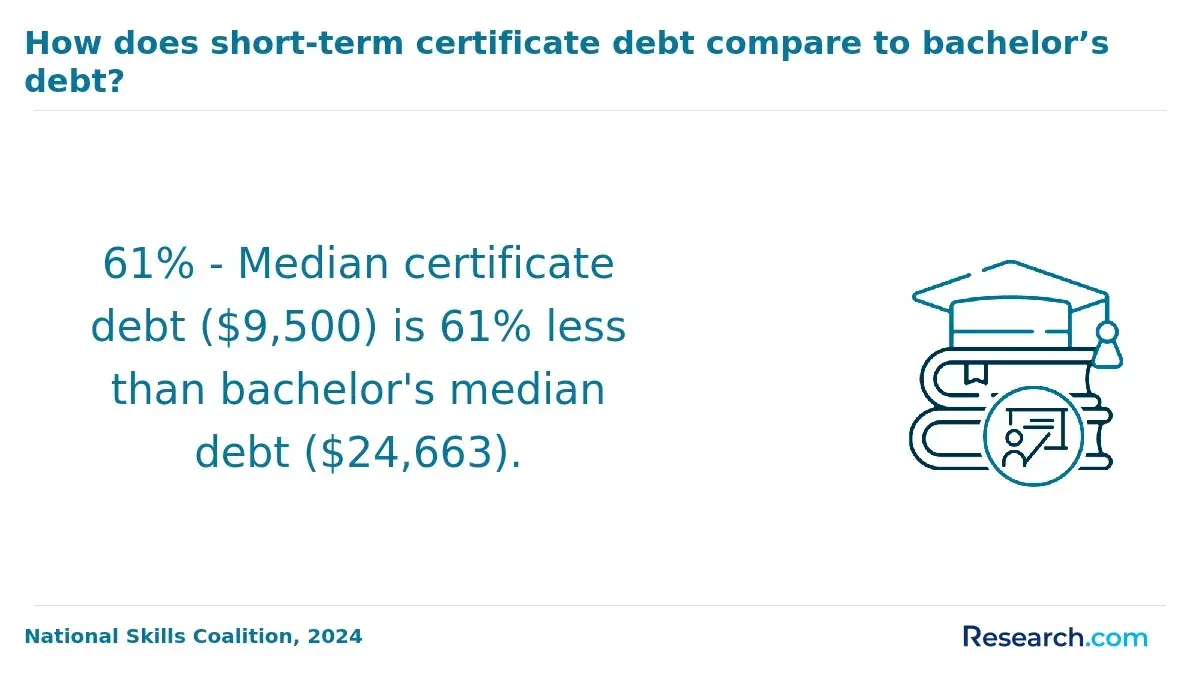
Program quality should be verified through the credential's purpose, the provider's oversight, and the requirements of the occupation you want—not through advertising language alone. Institutional accreditation is most relevant for colleges awarding academic credit or degrees. Programmatic accreditation may matter more in regulated healthcare and technical fields. Private training providers may not be accredited institutions but can still offer useful preparation when employers recognize their curriculum or their training leads to a respected certification exam.
Use these checks before paying a deposit or signing an enrollment agreement:
- Identify the exact job title and check whether your state, a licensing board, or employers require an approved program, degree, clinical hours, or certification.
- Verify the school's institutional accreditation through the accreditor and determine whether the specific program has required specialized approval.
- Ask for the full curriculum, instructor qualifications, practical-training details, completion deadline, refund policy, and all mandatory fees in writing.
- Request outcome information with definitions for completion, certification-exam eligibility, job placement, and the time period measured.
- Confirm whether credits transfer or stack into a certificate or degree if future education is important to you.
Red flags include vague claims about "national accreditation," guaranteed employment or income, no explanation of clinical placement, pressure to enroll immediately, and a refusal to state whether graduates qualify for a required exam. For regulated occupations, the state board's requirements take priority over a school's marketing claims.
What admission requirements and prior experience are needed for flexible online certificate programs?
Admission requirements depend on the provider and credential type. Noncredit career-training programs may require only an application, identity verification, payment arrangement, and basic computer access. Credit-bearing college certificates may require a high school diploma or equivalent, placement testing, transcripts, or prerequisites. Advanced programs can require prior coursework, a current license, or documented work experience.
Healthcare programs with patient contact often add compliance requirements because students enter clinical settings. Applicants may need immunization records, a drug screen, a criminal background check, CPR training, health insurance, or a physical examination. These requirements can affect a student's ability to complete clinical hours even after academic admission.
Short courses can help you test an interest before committing to a longer program. Reviewing 6 week courses may be useful for foundational software, business, or technical topics, but a brief course is not automatically sufficient preparation for a license, certification exam, or entry-level role.
Ask admissions staff whether prior learning, military training, industry certifications, or transfer credits are accepted. Get the answer in writing, especially if you expect the credential to count toward a later degree.
How long do flexible online career training programs take and what do they cost?
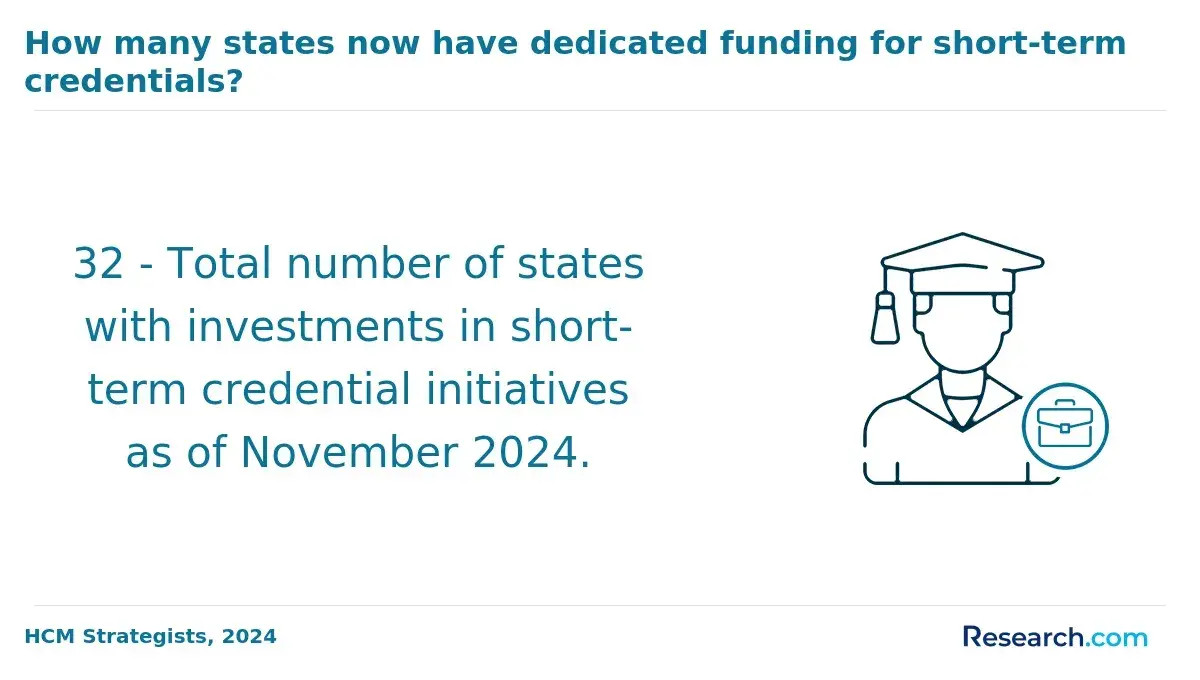
Flexible online career programs can run from several weeks to roughly a year or more, depending on the subject, required practice, and whether students study part time. Self-paced programs may let a prepared learner finish faster, but most impose a completion window. Clinical rotations, externships, licensing processes, and certification test appointments can extend the time between enrollment and job readiness.
Cost comparisons should include more than tuition. The table separates common expense categories so readers can compare an advertised price with the realistic total investment.
| Cost category | Why it matters | Questions to ask |
| Tuition or subscription | May be charged per course, term, month, or program | Is the quoted price the full program cost, and does it change if you need more time? |
| Books, software, and supplies | Design, technology, and trade programs may require specialized tools | Which items are mandatory, and can they be purchased elsewhere? |
| Labs and clinical training | Practical components may have separate fees or travel costs | Who finds the site, and are placement or supervision fees included? |
| Exams and credentialing | Costs for certification, licensing, background checks, and proctoring may be separate | Which external fees are required before employment? |
| Opportunity cost | Reduced work hours can exceed tuition in some paths | Can the schedule realistically fit your work and family obligations? |
For degree-level advancement, a one year online masters programs option may be appropriate for professionals who already hold a bachelor's degree and need graduate-level specialization. It is a different investment from entry-level career training and usually has more formal admissions expectations.
Federal financial aid generally applies to eligible programs at participating institutions, not automatically to noncredit training subscriptions or private bootcamps. Ask whether the program is eligible for aid, employer tuition assistance, workforce funding, installment plans, or veterans' education benefits before relying on a payment estimate.
What coursework, hands-on training, and support services do top online career programs include?
Top online career programs combine flexible academic content with clear pathways for practice and help. Strong programs do not simply provide recorded videos; they specify the skills students will demonstrate, the feedback process, and the support available when learners fall behind. For technical and healthcare fields, simulations are useful but may not replace required supervised hours.
Look for the following elements because they influence whether an online credential translates into demonstrable skills:
- Structured curriculum mapped to job tasks, current tools, safety standards, or relevant certification exam domains.
- Instructor feedback on assignments, projects, troubleshooting, and professional communication.
- Hands-on components such as lab kits, virtual labs, portfolio projects, externships, clinical rotations, or local partner sites.
- Career support that may include résumé review, interview practice, portfolio feedback, employer introductions, or job-search coaching.
- Student services, including accessibility support, tutoring, technical support, academic advising, and clear escalation procedures.
A common mistake is equating "24/7 access" with meaningful support. Ask how quickly instructors respond, whether live help is available outside standard work hours, and whether the school will assist if a clinical or externship placement falls through.
What careers, job roles, and industries do flexible online training programs prepare you for?
Flexible career training can prepare learners for entry-level or support roles in growing and established industries, but the appropriate target role depends on the credential and any legal requirements. A billing-and-coding certificate may support medical-office work, for example, while a medical assistant role can require clinical training and employer-preferred certification. A short design program can create portfolio material but does not replace experience for senior creative roles.
This overview distinguishes common training paths from the kind of work they can reasonably support.
| Training focus | Potential job roles | Important limitation |
| Medical billing and coding | Billing specialist, coding assistant, revenue-cycle support | Employer preferences for coding certification and experience vary |
| IT support or cybersecurity foundations | Help desk technician, technical support specialist, junior security support | Employers may require hands-on troubleshooting and industry certifications |
| HVAC or electrical theory | Apprentice, installer helper, maintenance trainee | Fieldwork, apprenticeship, and local licensing rules may still apply |
| Paralegal studies | Legal assistant, document specialist, litigation support | Program completion does not permit legal practice |
| Digital design | Production artist, junior designer, content creator | Portfolio quality and software skills heavily influence hiring |
AI is changing many office, technology, and creative workflows, increasing the value of learners who can verify outputs, use role-specific software, protect confidential information, communicate with clients, and show finished work. Select programs that teach these applied skills rather than promising that a single tool will secure employment.
What salaries and advancement opportunities can graduates of online career training programs expect?
Salary and advancement depend primarily on occupation, location, experience, industry, schedule, and employer - not on completing an online certificate alone. Use occupational wage data as a labor-market benchmark, then compare it with local job postings and the credential requirements employers actually request. The U.S. Bureau of Labor Statistics reported a May 2024 median annual wage of $46,480 for medical assistants; that figure describes the occupation nationally and should not be read as a guaranteed outcome for certificate completers.
Advancement is strongest when a short program fits into a deliberate sequence. An entry-level IT learner may add a vendor-neutral certification and work experience; a medical-office worker may advance through specialty coding knowledge; and a trade trainee may move through an apprenticeship toward licensure. In contrast, a standalone noncredit certificate may have limited advancement value if it does not produce a portfolio, recognized exam eligibility, academic credit, or verified practical experience.
To estimate return on investment, compare the full cost and time away from work with realistic local entry-level openings. Look for wage ranges rather than a single salary claim, and ask whether the role is full time, part time, contract-based, or shift-based.
What licensing exams or professional certifications are required after online career training?
Some occupations require a license issued by a state board or government agency; others use voluntary industry certifications that employers may prefer. Completing career training can prepare you for an exam, but it does not automatically grant the resulting credential. Requirements can include education, supervised experience, a background review, an examination, continuing education, and renewal fees.
Examples of requirements learners should investigate include EPA Section 608 certification for technicians handling regulated refrigerants, state-approved training for many direct-care healthcare roles, and state or local licensing rules for electrical and plumbing work. Medical coding certifications are generally voluntary professional credentials, while nursing and many allied-health licenses are regulated and state-specific.
Before enrolling, identify the exact credential required for your target job and verify four points: whether online instruction is accepted, whether clinical or field hours are required, whether the school meets approval standards, and whether you are personally eligible to sit for the exam. Do not rely on a program's "certification-ready" label without confirming the certifying organization's eligibility rules.
Other Things You Should Know About
They can be legitimate, but legitimacy depends on the provider, curriculum, employer recognition, and any required approval for the target occupation. Verify the school, credential, practical-training plan, and certification or licensing eligibility before enrolling.
Possibly, if you have time, prior knowledge, and strong study habits. However, most programs have a maximum completion period, and clinicals, labs, externships, and certification exams may follow fixed schedules.
Some credit-bearing certificates may transfer or stack into a degree, subject to the receiving school's policies. Noncredit certificates and private training programs often do not transfer as academic credit, so obtain written confirmation if transferability matters.
Enrolling based only on speed or tuition. First confirm that the program teaches the required skills, includes necessary hands-on experience, meets any licensing rules, and leads to a credential employers recognize.
References
- Unlock Your Potential With SJVC: Discover the Benefits of Flexible Online Learning https://www.sjvc.edu/blog/unlock-your-potential-with-sjvc-discover-the-benefits-of-flexible-online-learning/
- 10 Ways To Unlock Flexibility with Online Education Options https://www.asuprepglobalacademy.org/news/flexibility-of-online-education/
- CourseCareers https://coursecareers.com/blog-posts/how-to-choose-the-right-online-career-training-program
- Grants vs. Loans vs. Scholarships: A Guide to Financial Aid https://www.straighterline.com/blog/grants-vs-loans-vs-scholarships-understanding-college-financial-aid
- Course Completion Rate Benchmarks: Improve Yours (2026) | Ruzuku https://www.ruzuku.com/learn/articles/course-completion-rates
- The Surprising Truth About Employee Training Completion Rates and 7 Strategies for Increasing Them https://www.levelup.plus/blog/increase-completion-rates-employee-training/
- Tech Training Programs for Career Transition - Merit America https://meritamerica.org/career-track/
- Best Online Courses for Job Seekers in 2026 | RKY Careers https://rkycareers.com/blog/best-online-courses-for-job-seekers-in-2026/
- Delivering on Student Expectations with Career Pathways https://moderncampus.com/blog/delivering-on-student-expectations-with-career-pathways
- Best Online Degree Programs for Working Adults https://www.scholaro.com/db/News/best-online-degree-programs-256