2027 Best Certifications With Flat-Rate Tuition

Co-Founder and Chief Data Scientist
A low advertised tuition price can become expensive when a program charges separately for materials, exams, clinical requirements, or extra terms. Flat-rate tuition can make a short credential easier to budget for, but it does not automatically make it the best value.
The U.S. Bureau of Labor Statistics projects healthcare support occupations to grow 15% from 2024 to 2034, illustrating why career-focused training remains a practical option. This guide helps career changers, working adults, and recent graduates compare flat-rate programs, verify their recognition, and calculate a realistic total cost.
Key Things You Should Know
- Flat-rate tuition means one published price for a defined program or term; confirm whether repeating a course, extending enrollment, examination fees, tools, and licensing costs are excluded.
- Career value depends on the credential: a school-issued certificate documents completed training, while a professional certification usually requires meeting an outside organization's eligibility rules and passing an exam.
- Strong options align with a regulated license, an employer-recognized certification, or a stackable academic path; for context, BLS projects electrician employment to grow 9% from 2024 to 2034.
Top 10 Best Certifications With Flat-Rate Tuition
Popular Trade School Programs
Flat-price trade certificates commonly cover HVAC/R, electrical, welding, plumbing, automotive service, CDL preparation, and industrial maintenance. These are usually hands-on career-training or academic certificate programs, not professional certifications themselves. HVAC and electrical paths often require supervised work experience and a separate state or local license before independent practice. Choose campus or hybrid training when labs are essential; online theory alone is rarely enough. An associate's degree may suit learners who want broader general education credits or a longer-term route into supervision.
Healthcare Programs
Common flat-rate healthcare options include medical assisting, phlebotomy, pharmacy technician, dental assisting, medical billing and coding, and practical nursing certificates. Clinical training, background checks, immunizations, drug screening, uniforms, and certification examinations may sit outside tuition. Medical assistants had a 2024 median annual wage of $44,200, according to BLS, but pay varies by setting and certification alone does not create eligibility for every clinical role. Before enrolling, verify required clinical hours, state rules, and whether the program prepares students for a recognized certification examination.
Criminal Justice / Law Programs
Certificates in paralegal studies, legal support, court reporting, corrections, cybersecurity investigations, and criminal justice can build job-relevant knowledge. They are not law licenses, and a criminal justice certificate does not qualify someone to practice law or become a police officer. Paralegal employers may prefer graduates of programs approved by the American Bar Association, although approval is not legally required everywhere. Campus-based programs can offer internships and local court connections; online programs may fit working adults when they include practical legal research and writing instruction.
Arts & Design Programs
Graphic design, UX/UI design, digital media, photography, animation, and web design certificates may use flat tuition for a fixed sequence or subscription term. Portfolio quality, software fluency, and project experience often matter more to employers than the certificate title alone. BLS reported a 2024 median annual wage of $61,300 for graphic designers; that figure represents the occupation, not a guaranteed outcome for certificate completers. Compare software access, portfolio reviews, instructor feedback, and whether work can be completed before the flat-rate enrollment period ends.
What are flat-rate tuition certification programs and how do they work?
Flat-rate tuition certification programs charge a single stated amount rather than billing separately for every course or credit. The phrase can describe two very different models: a fixed total price for a defined certificate, or a fixed price per session in which students complete as many courses as they can during that session. Neither model is automatically cheaper.
A certificate is an educational award issued by a college, trade school, or training provider after required coursework or competencies are completed. A certification is a professional credential awarded by an independent certifying body after candidates meet its requirements, which may include an examination, work experience, or continuing education. A flat-rate school program may prepare a learner for certification without including the examination or guaranteeing eligibility.
The comparison below identifies the pricing model before a reader treats a published figure as a final price.
| Pricing model | How it works | Best fit | Main risk |
| Fixed program price | One amount covers a stated course sequence | Learners who want predictable budgeting | Supplies, exams, and extensions may be separate |
| Flat rate per term | One amount covers enrollment for a set period | Self-directed students able to move quickly | An additional term can raise total cost |
| Subscription training | Recurring fee provides platform access | Short, noncredit upskilling | Credential recognition and end date may be unclear |
Ask whether the price is refundable, whether there is a completion deadline, and what happens if an instructor requires a retake. A flat fee is most valuable when the program has transparent completion rules and the credential matches a specific job target.
Which careers benefit most from certifications with flat-rate tuition pricing?
Flat-rate training is most useful when a short, clearly defined skill set can lead to a recognized next step: entry-level employment, an industry examination, an apprenticeship, or additional college study. It is less useful when the target occupation legally requires a degree, lengthy supervised experience, or a state license that the program does not support.
These career paths illustrate where readers should compare training structure rather than relying on the word "certification."
| Career area | Typical training value | Important limitation |
| Skilled trades | Technical instruction can support entry into apprenticeships or helper roles | Licensing and paid experience requirements vary by jurisdiction |
| Healthcare support | Can prepare learners for clinical support work or a credential exam | Clinical placements and state approval may be required |
| IT support and cybersecurity | Can build skills for vendor-neutral or vendor certification preparation | Employers may also expect hands-on projects and experience |
| Business operations | Useful for bookkeeping, project support, payroll, or office software skills | Recognition differs widely among providers |
| Creative technology | Can create portfolio-ready work in a defined toolset | Portfolio and practical ability often outweigh course completion |
For a career pivot, start with job postings in the location where you intend to work. Record the recurring requirements, then choose the least expensive recognized pathway that meets them. Readers considering a longer academic route can also compare the best degrees for the future before committing to a narrow certificate.
How do online and campus-based flat-rate tuition certification programs compare?
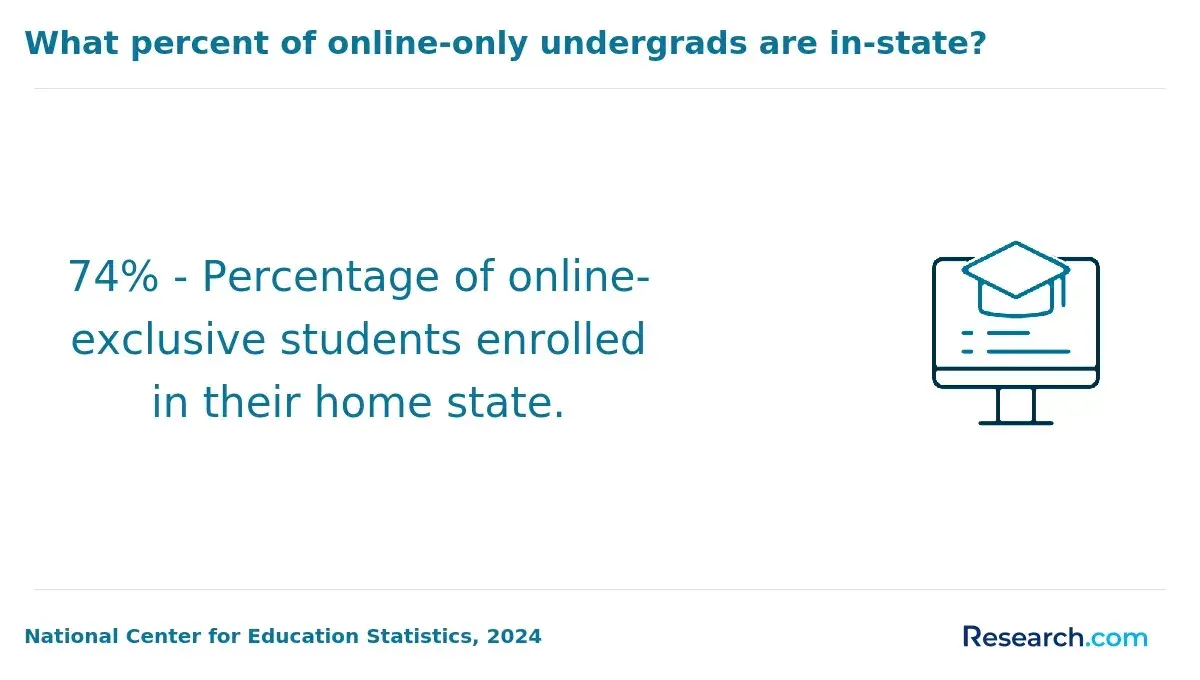
Online flat-rate programs can lower commuting costs and offer asynchronous coursework, while campus programs usually provide scheduled labs, equipment, clinical partnerships, and immediate supervision. The right format is determined by the occupation's practical and regulatory demands, not by convenience alone.
This comparison helps learners assess whether the delivery method supports the outcome they want.
| Factor | Online | Campus or hybrid |
| Schedule | Often flexible for lectures and assignments | Usually follows fixed class and lab times |
| Hands-on training | May require local arrangements or simulations | Typically includes school-provided labs and equipment |
| Networking | Can be broader but less local | Often includes local employers, instructors, and placements |
| Best use | IT, business, design theory, and academic coursework | Trades, clinical roles, and equipment-intensive training |
| Key verification | Confirm proctoring, placement, and state eligibility | Confirm lab access, commute, and cohort schedule |
Do not assume an online program is portable across states. For regulated occupations, get written confirmation from the school and check the appropriate state licensing board before paying a deposit. Working adults needing a degree rather than a short credential may also consider accelerated online bachelor degree programs accredited.
What accreditation and licensing standards should flat-rate tuition certifications meet?
Quality checks depend on the type of program. A credit-bearing college certificate should come from an institution with appropriate institutional accreditation. A career school may instead need state authorization or approval from a specialized regulator. For programs leading to clinical practice, driving, cosmetology, electrical work, or other regulated activities, approval by the relevant state board may matter more than broad institutional accreditation.
Use the following checks to match the credential to its intended outcome.
- For a college certificate, confirm institutional accreditation, whether credits are transcripted, and whether they apply to a related degree.
- For certification preparation, verify the certifying organization's current eligibility rules, examination costs, and whether the school is an authorized training provider when that status matters.
- For licensure-oriented training, confirm required curriculum, practical hours, clinical placement, examination eligibility, and approval in the state where you plan to work.
- For noncredit training, ask employers whether they recognize the provider and request examples of the skills or assessments used to verify learning.
A common mistake is treating a school's marketing statement as licensing approval. Ask for the exact approving agency and program approval status, then independently verify it. If the school will not provide a clear answer, choose another option.
How much do flat-rate tuition certification programs cost and what is included?
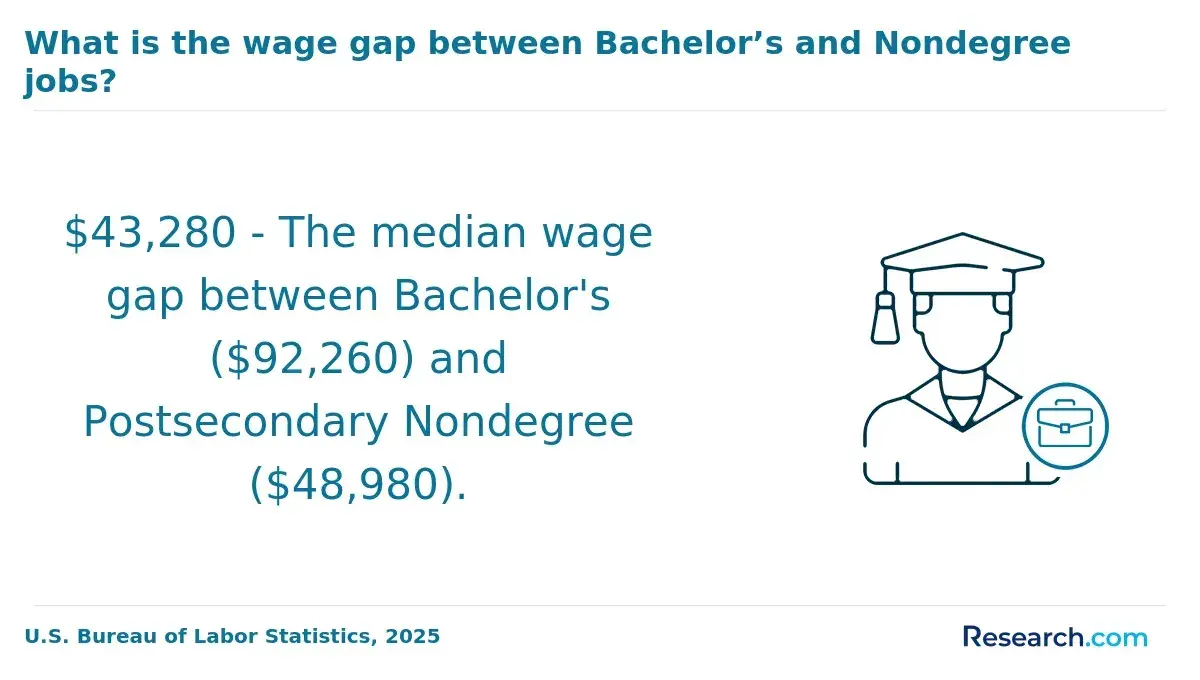
There is no single national price for flat-rate certification training because tuition depends on the field, provider, instructional equipment, clinical requirements, and whether the fee covers one term or the full program. The useful number is the total cost to completion, not the first amount shown on an enrollment page.
Review these cost categories before comparing programs with apparently similar flat tuition.
| Cost category | May be included in flat tuition? | Why it matters |
| Instruction and course access | Usually, but confirm the time limit | Extensions can create another charge |
| Books, software, and digital materials | Varies | Design and IT programs may require subscriptions or devices |
| Tools, kits, uniforms, and safety gear | Often excluded | Trade and clinical supplies can be required before training starts |
| Examination and certification fees | Often excluded | Passing a school course is distinct from earning certification |
| Clinical, background, and compliance costs | Varies | Healthcare placements may require several separate clearances |
| Retakes and additional terms | Often excluded | These determine whether flat-rate pricing remains economical |
Request an itemized written estimate and compare it with employer tuition assistance, workforce grants, veterans' education benefits where eligible, and payment plans. Federal student aid generally applies only to eligible programs at participating institutions; many short noncredit programs do not qualify. For broader comparisons of earnings-oriented credentials, see certificate jobs that pay well.
What admission requirements and prerequisites do flat-rate tuition certifications typically have?
Requirements range from open enrollment to selective admission. Short noncredit certificates may require only age verification, payment, and basic computer access. College certificates can require a high school diploma or equivalent, placement testing, prerequisite courses, and an application. Advanced professional certification preparation may require prior experience or an existing credential.
Healthcare and safety-sensitive programs commonly add requirements because students may enter clinical sites or use specialized equipment. These can include background checks, immunizations, CPR training, drug screening, physical ability documentation, and proof of insurance. None should be assumed: requirements vary by school, placement site, state, and program.
Before applying, ask whether admissions criteria apply only to enrollment or also to clinical placement and graduation. The latter distinction prevents a costly surprise: a student may be admitted to coursework yet be unable to complete a required practicum because of an unresolved compliance issue.
How long do flat-rate tuition certification programs take to complete and what is the schedule like?
Completion time is determined by the curriculum, required practical hours, and the pace rules behind the flat-rate price. Some noncredit technology programs can be completed in weeks, while trade, healthcare, and credit-bearing certificates may take several months or longer. A program advertising self-paced study may still impose deadlines for labs, clinical rotations, proctored examinations, or instructor feedback.
Flat-rate-per-term programs reward realistic pacing, not rushed learning. Calculate weekly available study time, commute or lab hours, and any required fieldwork before selecting an accelerated option. Ask the school for the median time to completion for students with a schedule like yours, the extension policy, and the maximum number of attempts for required assessments.
Part-time scheduling generally makes sense for employed learners and caregivers. Full-time enrollment may be more economical only when it allows completion within a single paid term without sacrificing mastery or required attendance.
What jobs, salaries, and advancement opportunities follow flat-rate tuition certifications?
Jobs after a flat-rate program depend on the underlying occupation, local hiring standards, licensure, experience, and the employer's recognition of the credential. A certificate can show preparation; it does not promise placement, a particular title, or a particular wage.
BLS occupational data offers useful labor-market context. For example, electricians had a 2024 median annual wage of $62,350, HVAC mechanics and installers had a median of $59,810, and both occupations typically require substantial on-the-job training or apprenticeship in addition to classroom learning. These are occupation-wide medians, not earnings outcomes attributable to a short certificate.
The strongest advancement strategy is to identify the next credential before enrolling. A trade certificate may lead into apprenticeship hours; a healthcare certificate may support a recognized examination; a credit-bearing certificate may stack into an associate or bachelor's degree. Ask whether employers recruit from the program, what entry-level roles past students pursue, and which additional credentials successful workers commonly hold.
How can students evaluate and choose a reputable flat-rate tuition certification program?
A reputable flat-rate program makes its price, credential type, curriculum, completion rules, and approval status easy to verify. Avoid choosing solely on speed, a promotional discount, or an unqualified claim that training is "nationally recognized." Recognition must be relevant to your intended employer, certifying body, or licensing jurisdiction.
Use this process before you enroll.
- Define the job, license, examination, or academic progression you want within the next one to three years.
- Review local job postings and the applicable licensing or certifying requirements to identify the minimum accepted training.
- Request the complete tuition agreement, itemized out-of-pocket costs, refund policy, extension cost, and expected schedule in writing.
- Confirm institutional accreditation, program approval, clinical eligibility, or certification-exam alignment according to the field.
- Compare curriculum, hands-on hours, student support, completion rules, and career services across at least two providers.
- Calculate the cost of finishing on your likely timeline, including a possible extra term, rather than assuming the fastest advertised pace.
Red flags include unclear add-on fees, pressure to sign immediately, vague claims about licensing, no stated instructor qualifications, and refusal to explain how practical training is delivered. A lower flat price is a good deal only when it buys the recognized training and support needed for your actual goal.
Other Things You Should Know About
No. They can be cheaper when you finish within the included period and few essential costs are excluded. Compare the total cost of tuition, materials, examinations, required clearances, travel, and any extension fees.
Usually not. A certificate shows that you completed an educational program. Certification is normally a separate professional credential that may require an examination, experience, or continuing education.
It depends on the program and institution. Eligible credit-bearing programs at participating schools may qualify for federal aid, while many short noncredit and third-party training programs do not. Ask the financial-aid office before enrolling.
Confirm the credential issuer, total cost, required hands-on work, exam eligibility, state licensing compatibility, instructor support, and whether the provider's training is recognized by employers in your target field.
References
- Tuition & Payments Options | CG Spectrum https://www.cgspectrum.com/tuition-payment-options
- 8 Best tuition support platforms for employee education benefits (2026) | Blog posts | Forma https://www.joinforma.com/resources/best-tuition-support-platforms
- Tuition Reimbursement Programs [A Guide for HR and Employers] https://compt.io/blog/employee-tuition-reimbursement/
- EdAssist | Understanding college pricing models https://www.brighthorizons.com/resources/blog/edassist/understanding-college-pricing-models
- Top 5 Reasons to Use a Flat Fee eLearning Platform https://www.academyofmine.com/top-reasons-to-use-a-flat-fee-elarning-platform/
- Tuition Basics | University of Phoenix https://www.phoenix.edu/tuition-financial-aid.html
- How do Competency-Based Education Programs Structure their Tuition Models? - C-BEN https://www.c-ben.org/how-do-competency-based-education-programs-structure-tuition-models/
- Average Cost per Credit Hour & College Class: 2026 Data https://educationdata.org/cost-of-a-college-class-or-credit-hour
- The Top 5 Certificate Programs for Jobs With Growth Potential | CourseStorm https://www.coursestorm.com/blog/top-certificate-programs-for-jobs
- Short-term programs bring lasting benefits - when student centered https://www.luminafoundation.org/focus-magazine/spring-2023/short-term-programs-bring-long-lasting-benefits-when-designed-with-students-in-mind/