2027 Best Career Training Programs With High Acceptance Rates

Co-Founder and Chief Data Scientist
Choosing a fast, accessible career program is harder than simply finding one that accepts most applicants: the training must also meet employer, certification, or licensing expectations. This guide compares practical career-training paths for adults, career changers, and recent high school graduates. U.S. Bureau of Labor Statistics projections for 2024-2034 show faster-than-average growth for several certificate-accessible fields, including medical assisting and HVAC work. Learn how to identify open-admission programs, compare formats and costs, verify approval, and select training that matches a real entry-level job target.
Key Things You Should Know
- High acceptance usually means open enrollment, rolling admission, or modest entry requirements - not weaker training. Clinical, skilled-trade, and licensure programs may still limit seats because of labs, equipment, or supervised placements.
- For 2024-2034, the U.S. Bureau of Labor Statistics projects 12% employment growth for medical assistants and 8% growth for heating, air conditioning, and refrigeration mechanics and installers, making program-to-job alignment more important than a school's acceptance rate.
- Compare total cost, state approval, accreditation where required, exam eligibility, clinical or apprenticeship access, and completion schedule before enrolling; tuition alone does not show whether a program can lead to the role you want.
Top 10 Best Career Training Programs With High Acceptance Rates
Popular Trade School Programs
Trade programs commonly use open or rolling admission but may require a high school diploma, age minimum, placement testing, and physical-capability disclosure. Electrician, HVAC, welding, plumbing, automotive technology, and industrial maintenance certificates emphasize hands-on practice.
A certificate can support entry-level work, but electrician and plumbing careers commonly require state-regulated apprenticeship hours and licensing beyond school. An associate degree may add general education and broader technical coursework. Choose campus or hybrid training when lab access matters; fully online study is usually best for theory, safety, codes, or exam preparation rather than skill mastery.
Healthcare Programs
High-acceptance healthcare options include medical assisting, pharmacy technician, dental assisting, nursing assistant, phlebotomy, medical billing and coding, and practical nursing programs. Admission can be accessible, yet health screening, immunizations, background checks, drug testing, CPR training, and clinical-placement availability may apply.
A school certificate is not the same as professional certification: for example, national certification may require an eligible program and separate examination. Practical nursing programs generally lead toward state licensure eligibility, while billing programs usually do not require licensure. Verify state approval and clinical arrangements before paying a deposit.
Criminal Justice / Law Programs
Criminal justice certificates and associate degrees can introduce policing, corrections, court systems, investigations, and report writing. Paralegal studies certificates teach legal research, drafting, civil procedure, ethics, and office technology; they do not authorize graduates to practice law. Entry requirements are often a diploma or GED, though law-enforcement employers may impose separate age, fitness, background, residency, academy, or degree standards.
Campus-based options can offer mock courtroom practice and local networking, while online programs can suit legal-office fundamentals. Ask whether the curriculum follows employer expectations in the state where you intend to work.
Arts & Design Programs
Graphic design, digital media, web design, UX fundamentals, photography, animation, and interior design certificates can have flexible admission because portfolios are often developed during training. Programs vary sharply in depth: a short noncredit course may teach software basics, while a credit-bearing certificate may include typography, design theory, portfolio review, and client projects.
Employers often evaluate work samples more than the credential title. Interior design can involve state-specific title or licensing rules, so confirm requirements locally. Select a program that provides current software access, instructor feedback, portfolio ownership, and clear intellectual-property policies.
What makes a career training program "high acceptance" yet still reputable and selective enough?
A "high acceptance" career training program generally admits most qualified applicants or uses open enrollment. It is not automatically an open door to every class. Reputable providers may accept applicants broadly while screening for minimum academic readiness, health and safety requirements, legal eligibility, equipment access, or limited clinical and lab capacity.
The strongest accessible programs are selective about readiness and outcomes, not prestige. They clearly state what applicants need, where training occurs, whether required supervised experience is guaranteed or competitive, and what credential students earn at completion.
A community college may have open admission to the institution but selective admission to nursing or allied-health cohorts. Use this comparison to distinguish reasonable access from weak quality controls.
| Program signal | What it can mean | What to verify |
| Open or rolling admission | Applicants can start in multiple terms or after basic eligibility review. | Whether required classes, labs, and placements are available when needed. |
| No GPA threshold advertised | The provider may use a diploma/GED requirement, placement assessment, or self-attestation instead. | Academic support, completion standards, and any prerequisites for advanced courses. |
| Program approval or accreditation | An outside body reviews the school or a regulated program. | That the approval applies to the exact location, delivery mode, and credential. |
| Published outcomes and costs | The provider is willing to disclose decision-relevant information. | How outcomes are defined, the reporting period, and all charges beyond tuition. |
Red flags include pressure to enroll immediately, vague statements that a course "qualifies" students without naming the relevant licensing board or certifier, missing refund terms, and unexplained fees. High acceptance is a useful access feature only when the program is transparent about what happens after acceptance.
How can students compare online vs. campus-based career training programs effectively?
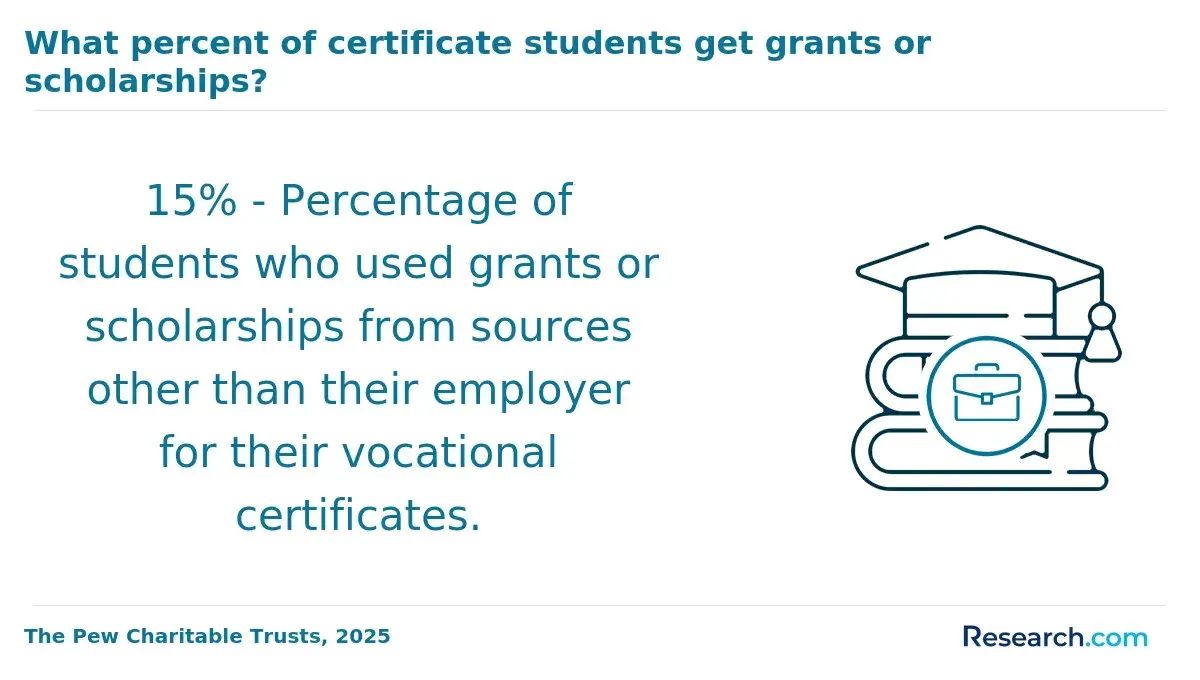
Online and campus-based programs should be compared by the learning activities required for the target occupation, not by convenience alone. Online delivery works well for theory-heavy subjects such as medical terminology, legal research, coding concepts, business software, and some design instruction.
It is less suitable as a complete substitute for welding, electrical lab work, patient care, dental assisting, or any role requiring documented hands-on competencies.
Students seeking a short academic route can compare a fastest degree to get online option with a nondegree program, but should confirm whether the faster credential actually meets employer or licensing expectations.
The following factors show where format differences matter most.
| Comparison factor | Online or hybrid may fit when | Campus-based training may fit when |
| Hands-on learning | Required practice can be completed through approved local sites or brief in-person intensives. | Labs, tools, simulation equipment, or instructor observation are central to competency. |
| Schedule | You need asynchronous coursework around work or caregiving. | You benefit from fixed meeting times and direct accountability. |
| Clinical or field experience | The school confirms a placement arrangement in your area in writing. | The program has established local partners and coordinates placements directly. |
| Technology | You have reliable internet, a suitable computer, and time-management skills. | You need access to specialized equipment, studios, or technical support. |
| Licensure relevance | The state board confirms the distance format is acceptable. | The occupation has substantial in-person training or state-mandated contact hours. |
Do not assume "online" means self-paced. Some online cohorts have live attendance, proctored exams, group projects, and mandatory clinical shifts. Conversely, a hybrid program can reduce commuting while preserving essential practice. Request a week-by-week schedule and identify every required in-person day before committing.
What accreditation should career training programs have to qualify for licensing and employment?
Accreditation is a quality-review process, while approval is often a legal or regulatory requirement. The right credential depends on the program and the goal. Institutional accreditation can matter for academic credit transfer and federal student-aid eligibility at eligible schools.
Programmatic accreditation or state-board approval can be more important for regulated healthcare education. Industry certifications, meanwhile, are awarded by certifying organizations and may require an examination after training.
For a credit-bearing academic credential, compare institutional standing and transfer policies. Readers considering online associate degree programs should also check whether the program is recognized by employers and whether the credits apply to a later bachelor's degree.
Check the applicable recognition type before enrolling.
| Career goal | Recognition to check | Why it matters |
| Licensed practical nursing or another regulated health role | State-board approval and any profession-specific accreditation required for examination eligibility. | A school credential alone may not permit licensure testing. |
| Medical assisting or pharmacy technology | Employer expectations and eligibility rules of the desired national certifier. | Some employers prefer or require certification, and eligibility rules differ. |
| Electrician, plumbing, HVAC, or welding | State or local licensing rules, apprenticeship requirements, and recognized safety or trade credentials. | Training often represents one step toward supervised work or a license. |
| Academic certificate or associate degree | Institutional accreditation and written transfer-credit policy. | Recognition can affect aid, transfer, and future education options. |
| Design, digital media, or office skills | Employer relevance, current curriculum, portfolio opportunities, and provider reputation. | Programmatic accreditation is less often a hiring requirement than demonstrable skills. |
Verify claims through the appropriate state licensing board, accreditor directory, or certifying organization - not only the school's marketing page. If staff cannot identify the approving body, exam pathway, or effective approval period, pause enrollment.
What admission requirements do high acceptance career training programs typically have?
Many high-acceptance career programs require a high school diploma or GED, an application, identity documentation, and payment arrangements. Some use placement testing or prerequisite courses instead of a GPA cutoff. Short noncredit workforce courses may require little more than registration, while college certificates and associate degrees may use formal admissions processes.
Requirements become more involved when student safety, public safety, clinical practice, or licensing is involved. Healthcare programs may require immunization records, physical examinations, background checks, drug screening, CPR certification, and proof of health insurance.
Trade programs may require safety orientation, basic math placement, protective equipment, or an age threshold. Law-enforcement academies and employer hiring processes can have separate standards that a criminal justice certificate does not replace.
Before applying, collect the information that determines whether access is truly practical.
- Ask whether admission to the school differs from admission to the specific program, cohort, lab, or clinical placement.
- Request the complete prerequisite list, including courses, entrance assessments, health documents, background-review rules, and equipment requirements.
- Confirm whether prior coursework, military training, work experience, or industry certifications can satisfy prerequisites or earn credit.
- Get deadlines for financial aid, background checks, immunizations, and clinical clearance because delays can postpone a start date.
A common mistake is reading "no GPA requirement" as "no standards." Programs may allow broad entry but require students to meet competency benchmarks to progress. That structure can be appropriate when tutoring, advising, and transparent progression rules are available.
How long do common career training programs take, and what do they cost to complete?
Completion time ranges from a few weeks for introductory noncredit training to about two years for many full-time associate degrees. The relevant question is not simply how fast a program can be completed; it is whether the schedule includes every prerequisite, lab, clinical, exam-preparation, and work-experience component needed for the next career step.
College Board reported average published in-district tuition and fees of $4,050 at public two-year colleges for the 2024-2025 academic year. That figure is a national benchmark rather than a total program price: books, tools, uniforms, exams, transportation, and lost work time can materially change the cost of a career-training path.
This comparison separates typical instructional length from cost factors students should request in writing.
| Program type | Typical time range | Common cost factors beyond tuition | Best fit |
| Short noncredit workforce course | Several weeks to a few months | Registration, supplies, certification exam, software, optional retake. | Targeted foundational skill-building or employer-required training. |
| Career certificate or diploma | About 4 months to 1 year | Books, tools, uniforms, lab fees, clinical screening, exams. | Focused preparation for an entry-level support or technical role. |
| Credit-bearing certificate | About 6 months to 1 year | College fees, textbooks, transportation, graduation and testing fees. | Students who may want academic credit that could transfer or stack. |
| Associate degree | About 18 months to 2 years full time | General education courses, campus fees, materials, and opportunity cost. | Roles needing broader coursework or students planning to continue education. |
| Apprenticeship-linked training | Often multiple years while working | Tools, licensing, dues, travel, and variable wage progression. | Trades where paid supervised experience is central to advancement. |
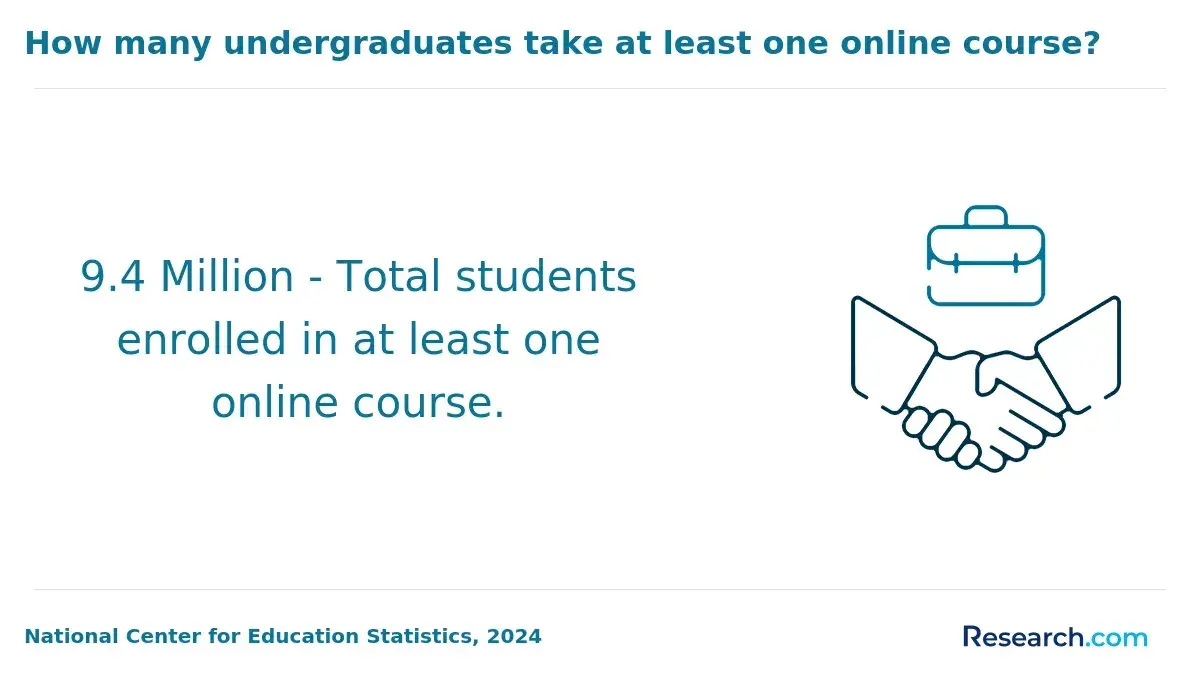
Compare the net price after grants, scholarships, employer tuition assistance, veterans' education benefits where applicable, and payment plans. Federal aid generally applies only to eligible students and eligible programs at participating institutions; do not assume a private short course qualifies.
What coursework and skills are usually covered in high-demand career training certificates?
High-demand certificates focus on job tasks that can be observed, practiced, and assessed. The best curriculum connects each course to a workplace function rather than promising broad career transformation. It should also show which skills are foundational, which require supervised practice, and which are tested by an external certification or licensing process.
For learners who need a tightly focused option before committing to a longer credential, 6 week courses with certificates can be useful for introductory software, business, or professional-development skills. They are rarely sufficient by themselves for occupations requiring clinical hours, trade apprenticeships, or licensure.
Common skill patterns are summarized below.
| Training area | Typical coursework | Transferable workplace skills |
| Skilled trades | Safety, measurements, blueprint reading, tools, codes, troubleshooting, and equipment maintenance. | Hazard awareness, documentation, problem-solving, customer communication. |
| Healthcare support | Medical terminology, patient privacy, infection control, clinical procedures, records, and ethics. | Accuracy, confidentiality, teamwork, scheduling, patient communication. |
| Legal and criminal justice | Legal terminology, procedure, report writing, research, records, ethics, and evidence concepts. | Clear writing, information handling, critical reading, professional judgment. |
| Digital design | Typography, layout, image editing, prototyping, accessibility, portfolio development, and client briefs. | Visual communication, feedback use, project management, file organization. |
| Business and IT support | Spreadsheets, office platforms, customer relationship tools, basic data handling, and security awareness. | Digital fluency, organization, customer service, process improvement. |
AI tools are changing routine drafting, design iteration, scheduling, and documentation, but they do not remove the need for judgment, verification, privacy awareness, and technical fundamentals. Favor programs that teach responsible tool use and require students to explain, check, and improve their work.
What entry-level job roles and career paths do these training programs lead to?
Career training is most useful when it leads to a clearly defined first job, not an undefined promise of "career opportunities." A certificate may help a candidate qualify for support, trainee, assistant, technician, or apprentice roles. Advancement can then depend on experience, a license, an employer-sponsored apprenticeship, a professional certification, or a higher-level credential.
The paths below illustrate realistic starting points and typical next steps.
| Training path | Possible entry-level role | Typical progression requirement |
| HVAC or electrical training | Installer helper, maintenance technician trainee, or apprentice. | Supervised hours, employer training, and state or local licensing where required. |
| Medical assisting | Medical assistant in a clinic or physician office. | Experience, specialty skills, and employer-preferred national certification. |
| Pharmacy technician training | Pharmacy technician or trainee where permitted. | State registration or licensure rules and potential national certification. |
| Paralegal studies | Legal assistant, intake specialist, or entry-level paralegal support role. | Legal-office experience, advanced coursework, and employer-specific expectations. |
| Graphic or digital design | Production artist, junior designer, marketing assistant, or freelance project support. | A stronger portfolio, practical experience, specialized software skills, and networking. |
Students who want broad advancement options should consider whether a credit-bearing certificate can stack into an associate degree. Those needing immediate income may prefer an apprenticeship-linked trade path or employer-sponsored training. Neither route is inherently better; the right choice depends on the occupation's hiring and licensing structure.
What salary ranges and earning growth can graduates expect from career training programs?
Salary research should be used as labor-market context, not as a promise that completing a short program produces a particular wage. Pay varies by state, metro area, employer, shift, union status, experience, licensure, and job duties. Some occupations shown in wage data require more than a certificate, while others employ workers with varied education backgrounds.
The U.S. Bureau of Labor Statistics reported these national median annual wages for selected occupations in May 2024. They describe the occupations, not the earnings of all program graduates or new entrants.
| Occupation | Median annual wage, May 2024 | Important qualification context |
| Electricians | $62,350 | Most learn through apprenticeship; licensing requirements vary by location. |
| Heating, air conditioning, and refrigeration mechanics and installers | $59,810 | Certificate training can be relevant, but employers may value refrigerant and safety credentials. |
| Licensed practical and licensed vocational nurses | $62,340 | Requires completion of an approved program and state licensure. |
| Paralegals and legal assistants | $61,010 | Employers may seek a degree, certificate, legal experience, or a combination. |
| Graphic designers | $61,300 | A portfolio is commonly important; employers may prefer a bachelor's degree for some roles. |
Earning growth is often tied to documented competence and responsibility: completing an apprenticeship stage, obtaining a required license, managing more complex cases or systems, developing a strong portfolio, or moving into specialized work. Ask local employers what credentials affect starting pay and advancement in the jobs you actually plan to pursue.
How can prospective students evaluate job demand and choose a trustworthy career training program?
Choose a trustworthy career program by starting with local job requirements, then working backward to the training. Search job postings from several employers in your target area and note repeated requirements: license, certification, software, shift availability, degree level, portfolio, driving record, or prior experience. This prevents paying for a credential that employers do not recognize.
If schedule flexibility is your primary need, explore online self paced college courses while confirming that self-paced delivery does not conflict with required labs, clinical hours, proctored exams, or cohort deadlines.
Use these steps before signing an enrollment agreement.
- Name the exact entry-level job you want and review at least several current local job descriptions for it.
- Confirm the state, employer, or certifying-body requirements for that role before comparing schools.
- Request a written itemized estimate covering tuition, fees, books, tools, uniforms, exams, travel, background checks, and retake costs.
- Verify the exact program's approval, accreditation, and delivery eligibility through the relevant outside authority when applicable.
- Ask how labs, clinical placements, internships, apprenticeships, tutoring, career services, and schedule changes are handled.
- Read withdrawal, refund, transfer-credit, and complaint procedures before making a nonrefundable payment.
Be cautious when a provider emphasizes acceptance speed but will not explain completion standards, instructor qualifications, placement support, or total cost. Also avoid treating a national wage figure as a local offer. A defensible decision connects a recognized credential to a documented job requirement and a budget you can manage.
Other Things You Should Know About
They can be. Open admission or rolling enrollment often improves access, especially at community colleges and workforce providers. Legitimacy depends on transparent costs, qualified instruction, required approvals, clear completion standards, and whether the credential is recognized for the intended job.
Not necessarily. A certificate shows completion of an educational program. Professional certification is awarded by a certifying organization and may require an approved education pathway, an exam, work experience, or continuing education. Check the certifier's eligibility rules directly.
You may be able to complete theory-based instruction online, but regulated healthcare, skilled-trade, and lab-intensive programs often require in-person practice, clinical experience, or proctored assessment. Confirm all in-person requirements before enrolling.
First compare total costs, available grants, employer assistance, veterans' benefits where eligible, and payment plans. Borrow only after confirming the program supports the exact job pathway you want and understanding repayment terms. Avoid high-cost financing offered before you receive a complete written cost breakdown.
References
- College vs. Trade School: Compare Costs and Funding Options https://www.fastweb.com/college-search/articles/college-vs-trade-school-compare-costs-and-funding-options
- The case for career and technical education https://fordhaminstitute.org/national/commentary/case-career-and-technical-education
- Trade School vs. College: Weighing cost, timelines & More https://www.midwesttech.edu/resources/careers/trade-school-vs-college-a-guide-to-weighing-your-options/
- Tech Companies That Will Train You in 2026: 11 Best Options https://climbhire.co/career-development/tech-companies-that-train-you/
- Grants vs. Loans vs. Scholarships: A Guide to Financial Aid https://www.straighterline.com/blog/grants-vs-loans-vs-scholarships-understanding-college-financial-aid
- For-profit workforce training, funded by public dollars https://hechingerreport.org/wasted-money-how-career-training-companies-scoop-up-federal-funds-with-little-oversight/
- Training Accreditation: How Programs Earn Official Recognition https://nationaltrainingauthority.com/training-accreditation/
- 6 Things To Know About Vocational Education https://www.americanprogress.org/article/6-things-to-know-about-vocational-education/
- Comparing College Offers | FAFSA: The How-To Guide for High School Students https://understandingfafsa.org/comparing-college-offers/
- Factors in the Admission Decision - National Association for College Admission Counseling (NACAC) https://www.nacacnet.org/factors-in-the-admission-decision/