2027 Best Certificate Programs for Career Advancement

Co-Founder and Chief Data Scientist
Choosing a certificate program is difficult when providers promise quick career results but credentials vary widely in recognition and job value. Certificates can build targeted, job-ready skills in months rather than years, but the right choice depends on licensing rules, employer demand, and whether the program leads to a recognized exam or credential.
The U.S. Bureau of Labor Statistics projects healthcare support occupations to grow faster than average through 2033. This guide compares practical certificate paths, costs, formats, and career trade-offs so you can invest with a clearer goal.
Key Things You Should Know
- A certificate is an educational credential awarded for completing training; a certification is a professional credential usually earned through an exam, experience requirements, or both.
- Strong career-focused options include allied health, skilled trades, IT, legal support, and certain design specialties; requirements range from a few weeks to about two years when clinical training or licensure preparation is involved.
- Compare total cost, required equipment and exams, institutional accreditation, state approval, job-placement evidence, and whether the credential is credit-bearing or stackable before enrolling.
Top 10 Best Certificate Programs for Career Advancement
Popular Trade School Programs
Trade certificates prepare learners for hands-on work in construction, repair, transportation, and manufacturing. Common options include electrician helper, HVAC/R technician, welding, plumbing, automotive technology, commercial driver training, and industrial maintenance.
Programs often combine classroom safety instruction with lab practice; apprenticeships may be the better route for electricians and plumbers because they provide paid supervised experience. BLS reported a $62,350 median annual wage for electricians in May 2024, though a short certificate alone does not qualify someone as a licensed electrician. Verify state licensing and employer apprenticeship requirements first.
Healthcare Programs
Healthcare certificates can lead to entry-level support roles or prepare students for a separate credentialing examination. Options include medical assisting, nursing assisting, phlebotomy, pharmacy technician, dental assisting, medical billing and coding, and sterile processing.
Clinical programs usually require immunizations, background checks, CPR training, and supervised placements. Medical assistants had a May 2024 median annual wage of $44,200, according to BLS; pay varies by setting, location, experience, and certification. Choose state-approved training when licensure or registry eligibility is required, especially for nursing assistant and pharmacy-related roles.
Criminal Justice / Law Programs
Criminal justice and law-related certificates suit learners interested in legal support, public safety administration, corrections, or investigative support. Paralegal studies certificates commonly cover legal research, writing, litigation procedures, and ethics; many employers prefer programs approved by the American Bar Association, although approval is not universally required.
Court reporting, legal transcription, victim advocacy, and security training are other focused paths. BLS listed a $61,010 median annual wage for paralegals and legal assistants in May 2024. A certificate does not authorize independent legal practice or guarantee paralegal employment.
Arts & Design Programs
Arts and design certificates can develop portfolio-based skills in graphic design, UX/UI design, digital illustration, photography, animation, web production, or interior design support. They are best for learners who need structured software training and polished work samples rather than a broad liberal-arts degree.
Employers often weigh portfolios, technical ability, and real project experience more heavily than the certificate name alone. BLS reported a May 2024 median annual wage of $61,300 for graphic designers. Review faculty portfolios, software access, project feedback, and ownership rights for student work before paying.
What Are the Best Certificate Programs for Career Growth?
The best certificate program for career growth is one that matches a specific target job, meets any regulatory requirement, and delivers skills employers can verify. For career changers, short applied certificates can be more efficient than a broad degree when the occupation has a clear entry pathway. For roles requiring extensive theory, management advancement, or professional licensure, a degree may be the stronger long-term investment.
This comparison separates common certificate types by the decision that matters most: whether the credential can move you toward a real next step.
| Program type | Best for | Typical format | Important limitation |
| Credit-bearing college certificate | Students who may later pursue a degree | Community college, online, hybrid, or campus | Credits transfer only if the receiving institution accepts them |
| Career-training certificate | Entry-level technical or support roles | School, workforce provider, or employer training | Recognition can vary significantly by employer |
| Professional certificate | Skill building in business, IT, analytics, or design | Usually online and flexible | May not satisfy academic, licensing, or experience requirements |
| Industry certification preparation | People seeking a certification exam | Self-paced, instructor-led, or bootcamp | Training completion is different from earning the certification |
Use a certificate when it closes a defined skills gap, supports a promotion, or qualifies you to pursue a recognized exam. Consider an accelerated bachelor's degree instead if your goal requires a bachelor's credential, broader advancement options, or eligibility for graduate study.
Which Certificate Programs Have the Highest Salary Potential?
Certificates with the highest salary potential usually support occupations that require technical expertise, experience, a degree, a license, or an industry certification in addition to the training program. A certificate can be a useful entry point, but it should not be treated as the sole cause of an occupation's pay level.
The following BLS May 2024 wage figures provide occupational context, not expected earnings for every certificate holder.
| Field | Example certificate pathway | Related occupation | May 2024 median annual wage |
| Information security | Cybersecurity or network support certificate | Information security analyst | $124,910 |
| Dental hygiene | Prerequisite or dental assisting certificate | Dental hygienist | $94,260 |
| Radiologic technology | Limited-scope or imaging prerequisite certificate | Radiologic technologist | $77,660 |
| Electrical work | Electrical technology certificate | Electrician | $62,350 |
High-paying roles in this table frequently require more than a certificate: information security analysts commonly need a bachelor's degree and relevant experience, dental hygienists generally need an accredited associate degree and state licensure, and electricians typically complete an apprenticeship and licensing process. Choose the shortest program only when it is truly sufficient for the first job you want.
Are Online Certificate Programs as Valuable as Campus Programs?
Online certificate programs can be valuable when the provider is reputable, the curriculum maps to employer-recognized skills, and the field does not require in-person clinical, lab, or supervised practice. Online delivery is especially practical for business software, IT support, project coordination, coding, bookkeeping, and some design fields.
Campus or hybrid programs are often the safer choice for healthcare, welding, HVAC, automotive repair, and any program tied to state licensing. Those fields require equipment access, observed competencies, clinical placements, or hands-on safety assessments that a fully online format cannot replace.
Before choosing an online option, compare the learning model rather than assuming all flexibility is equal. Online self-paced degrees and courses can work well for disciplined learners, but fixed deadlines, live support, and scheduled labs may produce better accountability for beginners.
Ask whether remote students receive the same instructor access, career services, exam preparation, lab alternatives, and eligibility for certification or licensure as campus students. If the school cannot answer in writing, treat that as a warning sign.
What Accreditation Should a Certificate Program Have?
The accreditation or approval you need depends on the credential and career field. For a credit-bearing college certificate, institutional accreditation recognized by the U.S. Department of Education can matter for credit transfer and federal student aid eligibility. For a noncredit professional certificate, employer recognition and curriculum quality may matter more than institutional accreditation.
Healthcare and licensed occupations require extra scrutiny. Look for programmatic accreditation, state board approval, or eligibility to sit for the required examination when applicable. For example, a program may teach medical assisting skills without qualifying graduates for a preferred national certification exam.
Verify claims directly with the relevant accreditor, licensing board, or certifying organization. Do not rely solely on a school's marketing language, logos, or a statement that a program is "recognized." Accreditation does not guarantee employment, and lack of accreditation is not automatically disqualifying for every noncredit skills course.
Which Certificate Fields Lead to the Fastest Hiring?
The fastest-hiring certificate fields tend to be those with persistent service needs, replacement demand, or shortages of workers with verified practical skills. Healthcare support, skilled trades, transportation, IT support, and administrative operations can offer accessible entry points, although local hiring conditions matter more than national headlines.
BLS projects medical assistants to grow 15% through 2033, much faster than the average for all occupations. That outlook makes medical assisting worth considering for candidates comfortable with direct patient contact and clinical schedules, but it does not remove employer preferences for externships, certification, or prior experience.
For a faster search, target roles with clear entry requirements and apply while training when permitted. The most useful steps are:
- Search local job postings for the exact credential, software, license, and schedule employers request.
- Choose a program that teaches those requirements and includes practical work, when the field values it.
- Build evidence of competence through an externship, portfolio, lab assessment, apprenticeship, or supervised project.
- Apply to entry-level titles rather than waiting only for roles labeled as "career advancement."
How Long Do Certificate Programs Take to Finish?
Completion time ranges from a few weeks for a focused noncredit course to 12-24 months for an academic or clinical certificate. The timeline depends on prerequisites, credit load, required clinical hours, lab availability, licensing rules, and whether you study part time.
This overview helps distinguish a quick skill course from a program that prepares you for regulated work.
| Credential format | Common timeframe | Typical use |
| Short professional certificate | Weeks to several months | Software, business, IT, or focused career skills |
| College credit certificate | About 6-12 months full time | Entry-level academic or technical preparation |
| Clinical or technical certificate | About 9-24 months | Programs requiring labs, externships, or clinical practice |
| Apprenticeship-related training | Several years | Licensed trades requiring paid supervised work experience |
Accelerated schedules reduce calendar time, not necessarily workload. If you need maximum scheduling control, compare program pacing, proctoring, attendance, and practicum rules with online self paced degrees alternatives only if the field does not require fixed clinical or lab hours.
What Do Certificate Programs Cost, and How Can You Pay?
Certificate costs range widely because provider type, instructional format, equipment, clinical requirements, and location all affect price. A short online professional certificate may charge a subscription or flat fee, while a college technical certificate may bill by credit and add lab, testing, tools, uniforms, insurance, and licensing expenses.
Do not compare tuition alone. Calculate the full amount you would pay before your first paycheck, including these common cost categories:
- Tuition, registration charges, technology fees, and mandatory online platform fees
- Books, software subscriptions, tools, protective equipment, uniforms, and transportation
- Background checks, immunizations, drug screening, clinical insurance, and exam fees when required
- Lost work hours, childcare, and travel costs for required campus sessions or practicums
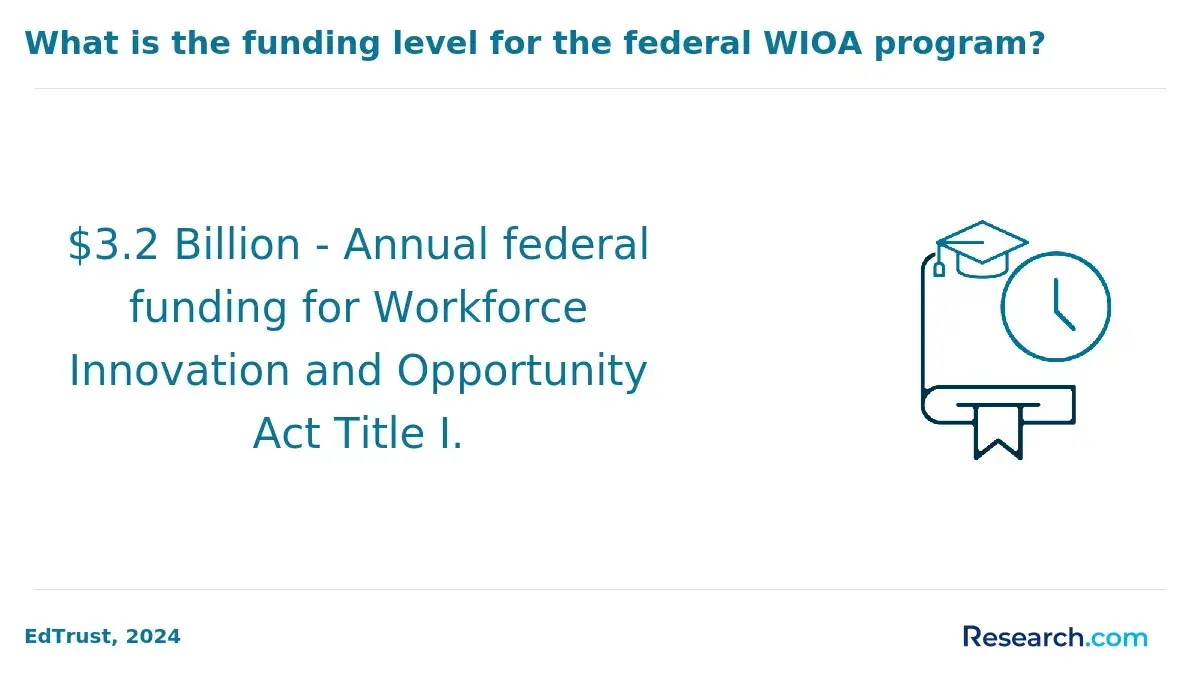
Credit-bearing certificates at eligible institutions may qualify for federal aid if students meet program and enrollment requirements; many short noncredit programs do not. Ask about employer tuition assistance, Workforce Innovation and Opportunity Act funding, state workforce grants, payment plans, and scholarships before borrowing. Learners comparing longer online routes can also review options for the cheapest online college pathway when a degree would produce better value.
What Jobs Can Certificate Holders Get After Graduation?
Certificate holders can pursue jobs when the program aligns with an employer's entry-level requirements, but outcomes depend on location, experience, licensing, and hiring competition. The credential is strongest when paired with concrete proof of ability: supervised practice, a portfolio, an apprenticeship, or an industry exam.
This table connects common program areas to realistic entry points while showing where additional requirements may apply.
| Certificate area | Possible entry-level jobs | Often needed beyond completion |
| Medical assisting | Medical assistant, clinical support worker | Externship, employer preference for certification, state-specific rules |
| HVAC/R | HVAC helper, maintenance technician trainee | EPA Section 608 certification for refrigerant work |
| IT support | Help desk technician, desktop support specialist | Portfolio, troubleshooting experience, employer-recognized certification |
| Paralegal studies | Legal assistant, paralegal assistant | Legal office experience and employer-specific education preferences |
| Digital design | Production artist, junior designer, content assistant | Portfolio and proficiency with required software |
Applicants seeking research, university teaching, advanced clinical practice, or specialized leadership roles generally need a degree beyond a certificate. In those cases, reviewing PhD programs can clarify the much longer academic route rather than treating a short credential as a substitute.
How Do You Choose a Reputable Certificate Program?
A reputable certificate program makes precise claims about what learners study, what credential they earn, and what additional steps are necessary for employment, certification, or licensure. It will provide written information about schedule, total cost, instructors, student support, refund terms, and the credential's recognition.
Use the following checks before signing an enrollment agreement. They help prevent the common mistake of paying for a program that does not lead to the job, exam, or transfer option you expected.
- Start with local job postings and identify the minimum education, license, certification, and experience required for your target role.
- Confirm whether the program awards academic credit, a school certificate, preparation for an exam, or an actual industry certification.
- Verify institutional accreditation, program approval, or state eligibility directly when your field is regulated.
- Request the complete cost sheet, including supplies, exams, clinical requirements, and retake charges.
- Ask whether required internships, clinical placements, labs, or apprenticeships are guaranteed, competitive, or the student's responsibility to find.
- Review completion, licensure-exam, and job-placement data carefully, including how the school defines "placed."
- Read transfer policies in writing before assuming certificate credits will count toward an associate or bachelor's degree.
Red flags include vague job-placement promises, pressure to enroll immediately, missing faculty information, unclear refund policies, and statements that a program is "accredited" without naming the accreditor. A legitimate provider should welcome questions and explain where its credential may not be enough.
Other Things You Should Know About
A certificate is awarded after completing an educational program. A certification is awarded by a professional organization after meeting its standards, which may include an examination, work experience, continuing education, or renewal requirements.
Yes, particularly when it teaches a specific, marketable skill for an entry-level role. Career changers should first verify that local employers accept the credential and identify whether experience, a portfolio, licensing, or a separate certification exam is also needed.
Some are, especially credit-bearing certificates from accredited colleges, but transfer is never automatic. The receiving school decides which credits apply to a degree, so obtain its policy before enrolling.
It can be worthwhile when it teaches a skill requested in your target job postings and provides credible assessment or portfolio evidence. It is less worthwhile when its recognition is unclear, its costs are opaque, or it makes unsupported salary and placement promises.
References
- How Much Does It Cost to Create an Online Course? A Complete Breakdown for Businesses That Want to Sell Courses https://oasis-lms.com/post/how-much-does-it-cost-to-create-an-online-course
- 9 Best Online Certificate Programs that Lead to Higher Pay https://blackstone.edu/9-best-online-programs-for-higher-pay/
- Industry Insights - Legacy Education https://legacyed.com/industry-insights/
- How Certificate Programs Can Strengthen an Institution's Corporate Relationships https://moderncampus.com/blog/how-certificate-and-certification-programs-can-strengthen-an-institutions-corporate-relationships.html
- Comparing Outcomes Across Credentials | HESA https://higheredstrategy.com/comparing-outcomes-across-credentials/
- The Top 5 Certificate Programs for Jobs With Growth Potential | CourseStorm https://www.coursestorm.com/blog/top-certificate-programs-for-jobs
- Employer-Paid Certifications Give Employers a Learning Advantage https://blog.allegisglobalsolutions.com/employer-paid-certifications-give-employers-a-learning-advantage
- 7 in-demand certifications in 2025 | edX https://www.edx.org/resources/in-demand-professional-certifications
- Why Choosing the Right Certifications Can Help Your Career https://www.managementconcepts.com/resource/why-choosing-the-right-certifications-can-define-and-accelerate-your-career/
- A Complete Guide to Certificate Programs in NYC | NYIM https://training-nyc.com/blog/certificates-nyc