2027 Best Stackable Credentials With Multiple Start Dates

Co-Founder and Chief Data Scientist
Choosing training is harder when you need to start soon but do not want a dead-end credential. Stackable credentials let learners earn a short certificate, use it for entry-level skills, and apply qualifying coursework toward a larger certificate or degree later. This matters as employers increasingly assess skills alongside degrees: the U.S. Bureau of Labor Statistics projects healthcare occupations to grow faster than average from 2023 to 2033.
This guide helps career changers, working adults, and recent graduates compare flexible-start pathways, verify what actually transfers, and avoid paying for training that does not support their target job.
Key Things You Should Know
- Choose a stack only when the school documents, in writing, which certificate courses apply to the next credential; a short certificate is not automatically transferable or credit-bearing.
- Multiple start dates can reduce waiting time, but accelerated terms may require the same weekly workload as a traditional semester; compare course sequencing, clinical availability, and withdrawal deadlines.
- For career context, BLS projects employment in healthcare occupations to grow much faster than average from 2023 to 2033, while skilled-trade and technology stacks can be strong options when they include employer-recognized training, supervised practice, or licensure preparation.
Top 10 Best Stackable Credentials With Multiple Start Starts
Popular Trade School Programs
Trade stacks commonly begin with a certificate in welding, HVAC/R, electrical technology, industrial maintenance, automotive service, or construction safety. Learners can then add advanced coursework, an apprenticeship, or an associate degree. These programs suit people who prefer hands-on work and can attend labs; fully online study is usually limited to theory. Ask whether equipment fees, tools, safety gear, and required field hours are included. A certificate may build job-ready skills, but electrician, HVAC, and similar work can also require state-specific licensing, documented experience, or apprenticeship hours.
Healthcare Programs
Healthcare stacks may progress from nursing assistant or medical billing coursework to practical nursing, allied-health certificates, or an associate degree in nursing. Medical assisting, phlebotomy, sterile processing, health information, and pharmacy technician programs may have several entry points, but clinical placements can restrict start dates. Choose this route only after confirming background-check rules, immunizations, clinical-hour requirements, and whether the program prepares graduates for a relevant certification examination. A school certificate is educational training; a professional certification is a separate credential issued by a certifying body.
Criminal Justice / Law Programs
Criminal justice stacks can pair an introductory certificate in corrections, homeland security, or public safety with an associate degree. Legal studies and paralegal certificate pathways can add legal research, litigation support, and office-technology courses. They can fit administrative, support, and public-service goals, but they do not automatically qualify a graduate to practice law, become a police officer, or meet a state agency's hiring standards. Applicants with records should review employer and licensing restrictions early; educational eligibility and job eligibility are not always the same.
Arts & Design Programs
Arts and design stacks often begin with certificates in graphic design, digital media, web design, UX foundations, photography, or animation, then build toward an associate degree or portfolio-focused specialization. Multiple starts can work well for software-based courses, although studio critiques and production classes may follow a fixed sequence. This path is best for learners willing to develop a demonstrable portfolio alongside the credential. Before enrolling, check software costs, access to current tools, instructor feedback, and whether completed projects remain usable in your professional portfolio.
What are stackable credentials and how do they work?
A stackable credential is a deliberately connected set of smaller credentials that can build toward a larger academic award, professional pathway, or both. For example, a student might complete a credit-bearing certificate, use those courses toward an associate degree, and later transfer eligible credits into a bachelor's program. The key word is deliberately: stackability must be confirmed by the provider's published curriculum and transfer policy.
Stacking can be vertical, moving from entry-level to advanced study, or horizontal, adding complementary skills such as project management to IT support. It is most useful for learners who need an early milestone, employer reimbursement in stages, or the option to pause without losing all educational value. It is less useful when the first credential has no recognized labor-market value and no guaranteed pathway into the next one.
Before choosing a sequence, distinguish the credential types in the pathway:
| Credential type | What it usually represents | Best use |
| Academic certificate | A school-awarded program of study; it may carry college credit | Building toward a degree or focused career preparation |
| Industry certification | A credential from a certifying organization, often earned through an exam | Demonstrating a defined professional competency |
| Noncredit workforce credential | Short provider-based training with no academic credit | Fast skill development when employers recognize it |
| Associate degree | A broader college credential that includes general education and major coursework | Roles requiring a degree or a foundation for bachelor's transfer |
For learners whose end goal is a degree, compare the certificate's course map based on the offering of associates degrees online before paying for a standalone program.
Which stackable credentials lead to the best jobs and salaries?
The best stackable credential is the one that matches a specific job target, local hiring requirements, and a realistic next step. Strong pathways tend to combine a recognized entry credential with practical experience, such as clinical training, labs, apprenticeships, internships, or a portfolio.
Salary figures below are occupational medians, not predicted earnings for certificate completers; employers may require additional education, experience, certification, or licensure.
The following U.S. Bureau of Labor Statistics May 2024 median pay figures provide context for occupations commonly connected to stackable education paths:
| Career direction | Common stackable starting point | Occupation-level median pay | Important limitation |
| Computer support and IT | IT support certificate, networking coursework, industry certification preparation | $61,550 for computer user support specialists | Requirements vary widely; some employers prefer a degree or demonstrated experience |
| Licensed practical nursing | Nursing assistant coursework or prerequisites followed by an approved practical nursing program | $62,340 for licensed practical and licensed vocational nurses | Requires graduation from an approved program and state licensure |
| Medical records and health information | Medical coding or health information certificate | $50,250 for medical records specialists | Certification may be preferred, and job duties differ by employer |
| Skilled construction trades | Trade certificate plus registered apprenticeship or supervised experience | $62,350 for electricians | Electricians generally need apprenticeship training, and licensing requirements vary by state |
Technology stacks are attractive when they pair foundational coursework with an employer-recognized certification, but they are not the same thing. If your immediate goal is an exam-based credential rather than academic credit, compare easy certifications to get online and confirm whether employers in your target field recognize the issuing organization.
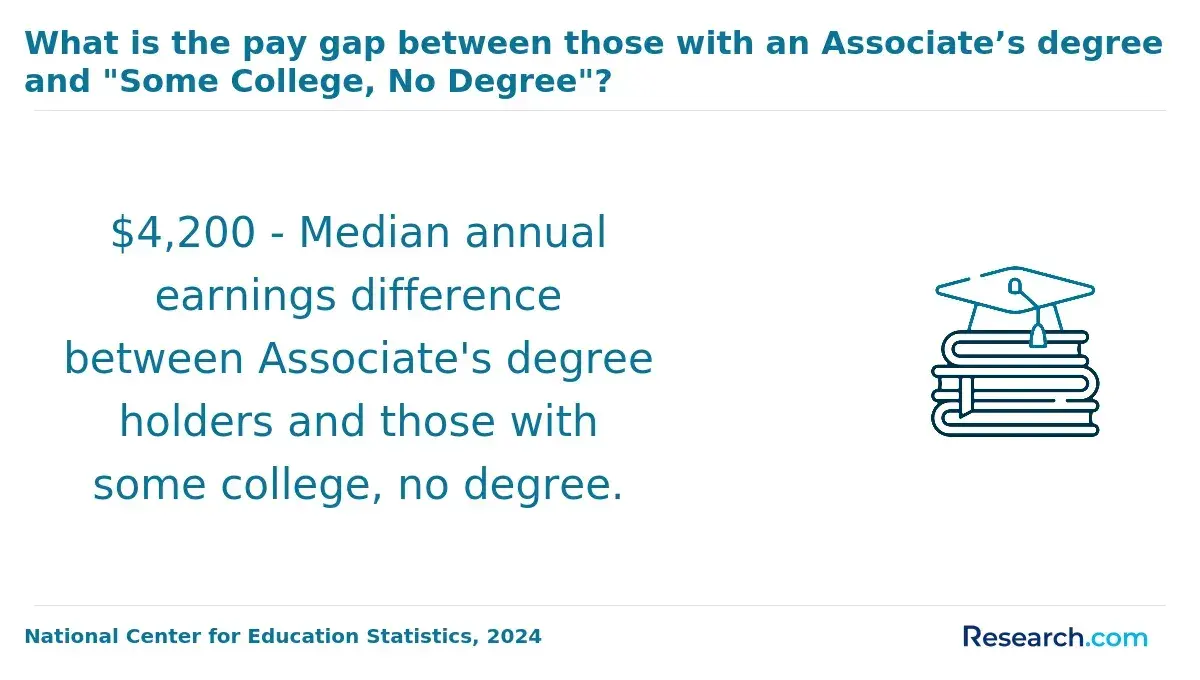
Use this decision rule: choose an entry certificate when it unlocks a credible first job or prepares you for a required next stage; choose an associate degree first when your target occupation, licensing board, or employer typically requires it. For senior or specialized roles, a short stack may be a bridge, not a substitute for a bachelor's or graduate degree.
How do online and campus stackable programs compare?
Online stackable programs can make frequent starts and part-time study easier, especially for general education, business, IT, legal research, billing, and design theory. Campus or hybrid formats are usually stronger when a program depends on equipment, supervised skills checks, clinical practice, or direct studio critique. The format should follow the learning requirement, not just convenience.
This comparison highlights what to verify before selecting an online, hybrid, or campus pathway:"
| Format | Usually works best for | Main advantage | Key question to ask |
| Fully online | IT, business, coding theory, health administration, general education | More scheduling flexibility and often more start dates | Are exams, proctoring, group work, or required residencies scheduled at fixed times? |
| Hybrid | Healthcare support, design, technical programs with some hands-on work | Balances remote coursework with supervised practice | How often must I attend campus, and can required sessions fit my work schedule? |
| Campus-based | Welding, electrical, HVAC, clinical education, lab-intensive training | Direct access to labs, equipment, and instructors | Is there a waitlist for labs, clinical placements, or high-demand courses? |
Do not assume an online program is available in every state or meets state licensure rules. Programs leading to regulated work should disclose authorization, clinical placement arrangements, and whether distance learners are eligible in their state. People rebuilding their education after justice involvement may also find that flexible delivery broadens access; review online degrees for felons while separately checking occupational restrictions and employer policies.
What accreditation should a stackable credential program have?
Accreditation matters most when you want federal student aid, college-credit transfer, a regulated healthcare pathway, or recognition from employers and licensing boards. Institutional accreditation evaluates the college as a whole; programmatic accreditation evaluates a specific program. Neither is automatically necessary for every noncredit or vendor-issued credential, but lack of appropriate recognition can limit your options.
Verify the type of quality assurance that fits your goal. A credit-bearing college certificate should generally come from an institution recognized by the U.S. Department of Education or the Council for Higher Education Accreditation. For programs leading to nursing, allied health, or other regulated practice, check the relevant state board and programmatic accreditor. For industry certifications, evaluate the certifying organization's standing with target employers rather than looking for college accreditation.
Red flags include vague claims of "international accreditation," a provider that will not identify its accreditor, and assurances that credits will transfer everywhere. Transfer is decided by the receiving institution, so obtain a written articulation agreement or an official transfer evaluation whenever possible.
What admission requirements do stackable credential programs use?
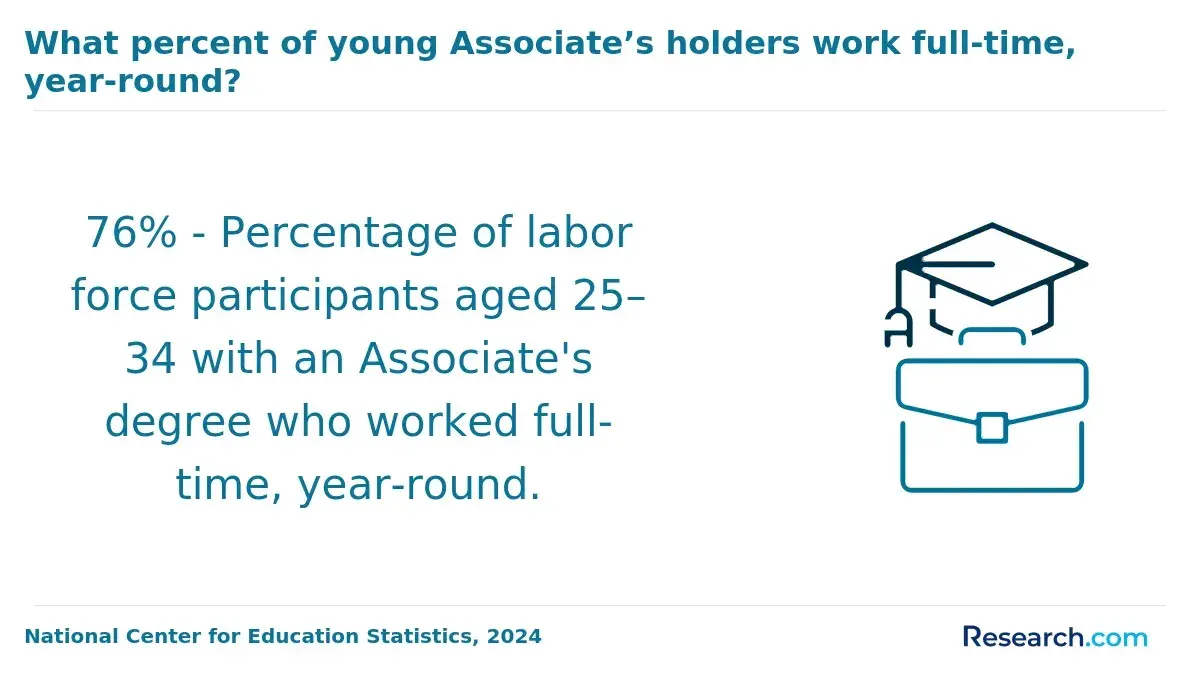
Admission requirements depend on whether the first step is college credit, noncredit training, or a professional certification. An open-access community college certificate may require a high school diploma or equivalent and placement steps, while a selective healthcare sequence can require prerequisites, a minimum GPA, background checks, drug screening, immunizations, and health documentation. Vendor training may require only payment and basic technical readiness.
Multiple starts do not mean every course is available every term. Ask admissions staff or the program director for the actual course rotation, not merely the next general enrollment date. In clinical, lab, and cohort programs, a learner may start introductory courses quickly but wait longer for the required hands-on sequence.
Applicants should also confirm whether prior learning, military training, examinations, or transfer coursework can shorten the stack. Obtain decisions in writing and ask whether accepted credits have an expiration date, particularly in fast-changing fields such as technology and healthcare.
How long do stackable credentials take and what do they cost?
Completion time ranges from a few weeks for a noncredit microcredential to roughly one year for many academic certificates, with associate degrees commonly requiring about two years of full-time study. A stack can take longer than its advertised first credential because later courses may be offered only once per term, have prerequisites, or require clinical and internship placements. Multiple start dates improve entry flexibility, not necessarily total completion speed.
Costs also vary sharply by provider, residency status, delivery format, and required materials. The College Board reported average published tuition and fees of $4,050 for in-district students at public two-year colleges in 2024-25; this is a national benchmark, not the total price of a specific certificate or associate degree. Books, software, tools, examination fees, uniforms, transportation, and lost work time can materially change the investment.
Use the following cost check before comparing advertised tuition:
- Request the total program price, including registration, technology, lab, clinical, equipment, examination, and graduation fees.
- Ask whether the first credential's tuition is fully applied to the next credential or whether repeated courses create additional cost.
- Compare employer tuition assistance, workforce grants, scholarships, payment plans, and federal aid eligibility where the program is credit-bearing and eligible.
- Calculate the cost of time: identify required daytime labs, unpaid clinical hours, commuting, and course-load limits that could affect work income.
Accelerated graduate options can make sense only after you meet their degree prerequisites; a stackable certificate is rarely a replacement for graduate admission requirements. Professionals seeking an advanced credential can compare the fastest masters degree with the work experience and bachelor's preparation their field expects.
What courses are included in stackable credential programs?
Courses should show a logical progression from foundational knowledge to applied competency. A well-designed stack identifies which courses are shared across credentials, which are prerequisites, and which add a genuinely new skill. General education may be included in academic certificate-to-degree pathways but is less common in noncredit workforce programs.
Typical course patterns vary by field. Trade programs may include safety, technical math, blueprint reading, electrical or mechanical systems, and lab work. Healthcare programs may include anatomy, medical terminology, ethics, documentation, pharmacology, and supervised clinical education. IT stacks often combine operating systems, networking, cybersecurity foundations, cloud tools, scripting, and troubleshooting. Design stacks may include visual principles, typography, software workflows, usability, and portfolio production.
Review syllabi rather than relying only on program titles. A course called "cybersecurity" may be introductory awareness training, while another may include networking prerequisites, hands-on labs, and certification-aligned objectives. The depth must match the job you want next.
Which licenses or certifications may follow stackable credentials?
Some stackable education prepares learners for a separate license or certification, while other stacks simply document completed coursework. The difference matters because a school cannot award a state license merely by issuing a certificate. Licensing boards and certifying organizations set their own eligibility rules, examination requirements, fees, background standards, and renewal obligations.
Common examples include nursing graduates seeking NCLEX licensure after an approved program, HVAC technicians pursuing EPA Section 608 certification for regulated refrigerants, IT learners preparing for vendor or association examinations, and medical coding learners pursuing voluntary professional certification. Eligibility requirements can change, so verify them directly with the state board or certifying body before enrolling.
Ask the provider whether exam preparation is included, whether required clinical or supervised hours are built into the curriculum, and whether graduates are eligible to sit for the examination in your state. Treat claims such as "certification included" carefully: they may mean exam preparation, an exam voucher, a school completion certificate, or an actual credential earned after passing an exam.
How do you choose a reputable stackable credential program?
A reputable program makes its pathway, total cost, learning format, and outcomes understandable before enrollment. Start with the job, not the credential name: identify two or three local job postings, note required education, certifications, software, and schedule expectations, then compare those requirements with the curriculum. For regulated fields, prioritize state approval and required clinical or apprenticeship access over marketing claims about speed.
Use these steps to compare programs with multiple start dates without sacrificing long-term value:
- Define the first job you want and the larger credential or career move you may want within the next three to five years.
- Request a written course map showing every credential in the stack, shared courses, prerequisites, and the normal schedule for required classes.
- Confirm whether each course is credit-bearing, the minimum grade needed to progress, and whether credits apply automatically or require a separate application.
- Verify institutional accreditation, program approval, state authorization, and licensure or certification eligibility when relevant.
- Compare total costs, required materials, refund rules, aid options, and the financial effect of attending part time versus full time.
- Ask about faculty qualifications, lab access, clinical placement support, career services, completion data, and employer relationships.
Common mistakes include enrolling because a program starts next week, confusing a certificate with a certification, assuming all credits transfer, and comparing tuition without required fees. Another red flag is a provider promising employment, licensure, or a specific salary. A credible school explains what its credential can prepare you to do and what additional requirements remain.
Other Things You Should Know About
Not always. Some online noncredit programs have rolling enrollment, but credit-bearing courses, labs, clinical placements, and cohort programs often begin on set dates. Confirm the start date for the specific required course sequence, not just general admission.
They can be worthwhile when the first credential has clear labor-market value and documented coursework applies to the next credential. They are less compelling when transfer is uncertain, the provider lacks recognition, or the target job requires a degree, license, or apprenticeship the stack does not provide.
Possibly, but never automatically. Transfer depends on the receiving institution, course equivalency, grades, accreditation, and program rules. An articulation agreement offers stronger evidence than a verbal assurance, but you should still request an official evaluation.
Some eligible credit-bearing certificate programs at approved schools may qualify for federal aid, while noncredit training often does not. Eligibility depends on the institution, program length, student status, and current federal rules. Ask the financial aid office about the exact credential rather than assuming aid applies to every course.
References
- What are Stackable Credentials? https://assess.com/stackable-credentials/
- What Are Stackable Credentials, and How Can You Build Programs Around Them? https://www.jenzabar.com/blog/what-are-stackable-credentials-and-how-can-you-build-programs-around-them
- 6 Things to Know About Stackable Credentials https://www.devry.edu/blog/6-things-about-stackable-credentials.html
- Stackable Credentials in Career Education at California Community Colleges https://www.ppic.org/publication/stackable-credentials-in-career-education-at-california-community-colleges/
- Stackable Certificates & Credentials - Complete College America https://completecollege.org/our-approach/structure/stackable-certificates-credentials/
- The Power of Industry-Recognized Stackable Credentials - The EvoLLLution https://evolllution.com/programming/credentials/the-power-of-industry-recognized-stackable-credentials
- Making sure you're not a bot! https://www.iastatedigitalpress.com/jtmae/article/id/14484/
- Rethinking Credentialing in Higher Education for the 21st Century https://moderncampus.com/blog/rethinking-credentialing-for-the-21st-century.html
- Stackable Credentials | Learn & Work Ecosystem Library https://learnworkecosystemlibrary.com/topics/stackable-credentials/
- USHE initiative helps students earn meaningful credentials on their way to a degree - Utah System of Higher Education https://ushe.edu/stackable-credentials-help-students-earn-credentials-on-their-way-to-a-degree/