2027 Best Online Non-Degree Programs With Resume Help

Co-Founder and Chief Data Scientist
Choosing a short online program is risky when "career support" means little more than a resume template. The best online non-degree programs pair job-relevant training with individualized resume feedback, portfolio guidance, interview practice, and realistic employer connections. This guide is for career changers, working adults, and entry-level job seekers comparing certificates, professional training, and associate-level options.
The U.S. Bureau of Labor Statistics projects healthcare support occupations to grow faster than average from 2023 to 2033, making targeted, employer-aligned training especially important. Learn how to compare programs, costs, credibility, and career fit before enrolling.
Key Things You Should Know
- Resume help is most valuable when it includes personalized feedback, role-specific keyword optimization, interview practice, and a portfolio or work-sample review - not merely downloadable templates.
- Non-degree programs vary widely: a college certificate may carry academic credit, while a professional certificate or career-training course is often noncredit and may not transfer or meet licensure requirements.
- For context, the U.S. Bureau of Labor Statistics reported a 2024 median annual wage of $48,780 for all occupations; compare a program's target roles, local requirements, and total cost rather than treating any credential as a guaranteed route to that wage.
Top 10 Best Online Non-Degree Programs With Resume Help
Popular Trade School Programs
Online trade-focused programs commonly include HVAC fundamentals, electrical technician theory, welding technology, construction management, automotive service, and industrial maintenance. Hands-on trades usually require lab intensives, local apprenticeships, or supervised clinical-style practical training; fully online coursework alone rarely qualifies someone for a license. A short certificate suits learners seeking foundational knowledge or exam preparation, while an associate degree may make more sense for broader technical coursework. Ask whether the program includes tools, simulations, employer partnerships, and resume assistance tailored to apprenticeships or entry-level technician roles.
Healthcare Programs
Common online healthcare options include medical billing and coding, pharmacy technician preparation, medical office administration, health information technology, and medical assisting theory. Programs may award a school certificate, but national certification exams and state rules can be separate requirements. Clinical roles, including nursing and many allied-health occupations, generally require in-person clinical practice and state-approved education. Choose programs that clearly distinguish training completion from eligibility for certification or licensure. Resume support should help learners describe software skills, privacy training, clinical hours where applicable, and credentials accurately.
Criminal Justice / Law Programs
Online non-degree options in this area include paralegal studies certificates, legal research and writing certificates, court reporting preparation, criminal justice certificates, and compliance training. A paralegal certificate can build practical legal skills, but it does not authorize independent legal practice. Employer expectations vary, and some roles favor programs approved by recognized legal-education bodies or offered by accredited colleges. Resume support should focus on legal research platforms, document preparation, confidentiality, case-management tools, and relevant internships. Verify whether any required fieldwork, proctoring, or state-specific training must occur in person.
Arts & Design Programs
Popular online options include graphic design certificates, UX/UI training, digital marketing design, animation, photography, web design, and interior design foundations. In these fields, a portfolio often matters as much as the credential. Programs with meaningful resume help review project descriptions, portfolio presentation, freelance experience, and job-specific software skills. A short program is useful for building targeted capabilities, but learners seeking art-direction or advanced design roles may need deeper experience or a degree. Confirm that students retain portfolio work and receive feedback from instructors with current industry experience.
What are online non-degree programs with resume help and who are they best for?
Online non-degree programs with resume help are short, career-focused learning options that provide training without awarding a traditional associate, bachelor's, or graduate degree. They can be offered by community colleges, universities, workforce providers, professional associations, or private learning platforms. The credential may be a credit-bearing academic certificate, a noncredit career certificate, a professional certificate, or simply a completion record.
They are best for people who need a focused skill upgrade, a career-transition bridge, or structured job-search support without committing to a full degree. Learners pursuing regulated careers should be more cautious: training completion is not the same as a state license or industry certification. If your goal is an exam-based credential, compare the program with relevant online certification courses and confirm that its curriculum actually prepares you for the required exam.
Resume help is worth paying for when it is individualized and connected to a defined target role. Generic career modules may be sufficient for an experienced professional, but a new entrant typically benefits more from a coach who can translate coursework, projects, and transferable experience into employer language.
How do online non-degree resume support programs compare to campus-based options?
Online programs can offer scheduling flexibility, lower commuting costs, and access to specialized instruction. Campus-based programs can be stronger when employers value local relationships, equipment access, clinical practice, studio critique, or face-to-face recruiting. The right format depends less on the delivery label and more on whether the program can document practical learning and credible career support.
This comparison highlights the trade-offs to weigh before paying for an online option.
| Decision factor | Online non-degree program | Campus-based option |
| Schedule | Often asynchronous or evening-friendly | Usually fixed meeting times |
| Hands-on learning | May require local placements or intensives | Usually easier access to labs and equipment |
| Resume support | Can include virtual coaching and document review | May include on-campus career centers and recruiting |
| Networking | Broader geographic peer network, often less direct | Stronger local employer and faculty connections |
| Best fit | Working adults in digital or administrative fields | Licensure, technical labs, and highly hands-on careers |
Do not assume online means easier. Accelerated courses can demand substantial weekly study time, and remote learners must actively use office hours, career appointments, and peer networks.
How can you verify accreditation and quality of online non-degree programs?
Quality review should match the program type. Institutional accreditation matters most for credit-bearing college certificates and transfer plans; programmatic approval may matter for regulated healthcare or technical pathways; industry recognition matters most for professional training and exam preparation. A private provider may be legitimate without college accreditation, but it should be transparent about what learners receive and what the credential does not confer.
Before enrolling, verify the following details directly with the provider and, where relevant, the licensing board or certifying organization.
- Confirm the legal name of the provider, instructor qualifications, curriculum scope, and the exact credential awarded.
- For college programs, verify institutional accreditation through official accreditation directories and ask whether the certificate is credit-bearing.
- For regulated roles, confirm that the program meets state approval, clinical, practicum, or examination eligibility requirements.
- Ask for written information on completion requirements, refund rules, career-service access, and any reported outcomes methodology.
- Request a sample resume review process, including whether feedback is individualized and how long support remains available.
Red flags include vague claims of "accreditation," guaranteed placement language, pressure to enroll immediately, unverified salary promises, and no explanation of required external exams, tools, or in-person components.
What admission requirements and application materials do these programs typically expect?
Requirements depend on the provider and level of training. Many noncredit professional certificates use open enrollment and require only basic computer access, payment, and identity verification. College-based certificates may request an application, high school completion evidence, placement information, or prerequisite coursework. Competitive programs can require a resume, statement of purpose, transcripts, or a portfolio.
Applicants should prepare materials that show readiness without overstating experience. Common items include:
- A current resume that emphasizes transferable work, volunteer, military, or academic experience
- Official or unofficial transcripts when the provider requires prerequisite verification
- A portfolio for design, writing, technology, or creative programs
- Proof of immunizations, background checks, drug screening, or CPR training when healthcare placements require them
- A reliable computer, required software, and enough weekly time for assignments and career coaching
Do not assume GPA, standardized tests, or transfer credit apply. Ask the admissions office whether requirements are for entry, program completion, certification-exam eligibility, or placement at an external site.
What does the curriculum usually include, and how is resume help integrated?
A credible curriculum teaches both occupation-specific skills and evidence of those skills. For example, an administrative program may cover spreadsheets, scheduling, customer communication, and workplace software; a UX program may include research, wireframes, prototypes, and portfolio case studies. The best format produces artifacts that can be described on a resume and shown to employers where appropriate.
Resume support should be integrated near the point learners have completed meaningful projects, not added as a single optional webinar. Look for career activities such as:
- A target-role analysis that identifies required skills and common job-description language
- One-to-one resume and cover-letter feedback from a trained career advisor or relevant instructor
- Portfolio, LinkedIn profile, or work-sample review when the field uses visible evidence of skill
- Mock interviews that connect course projects to behavioral and technical questions
- Job-search planning that clarifies realistic entry-level titles and local requirements
People seeking a broader academic credential may compare this focused path with an associate degree in 6 months online option, while recognizing that accelerated associate programs may have transfer-credit or prior-learning conditions.
How long do these programs take, and what tuition, fees, and financial aid apply?
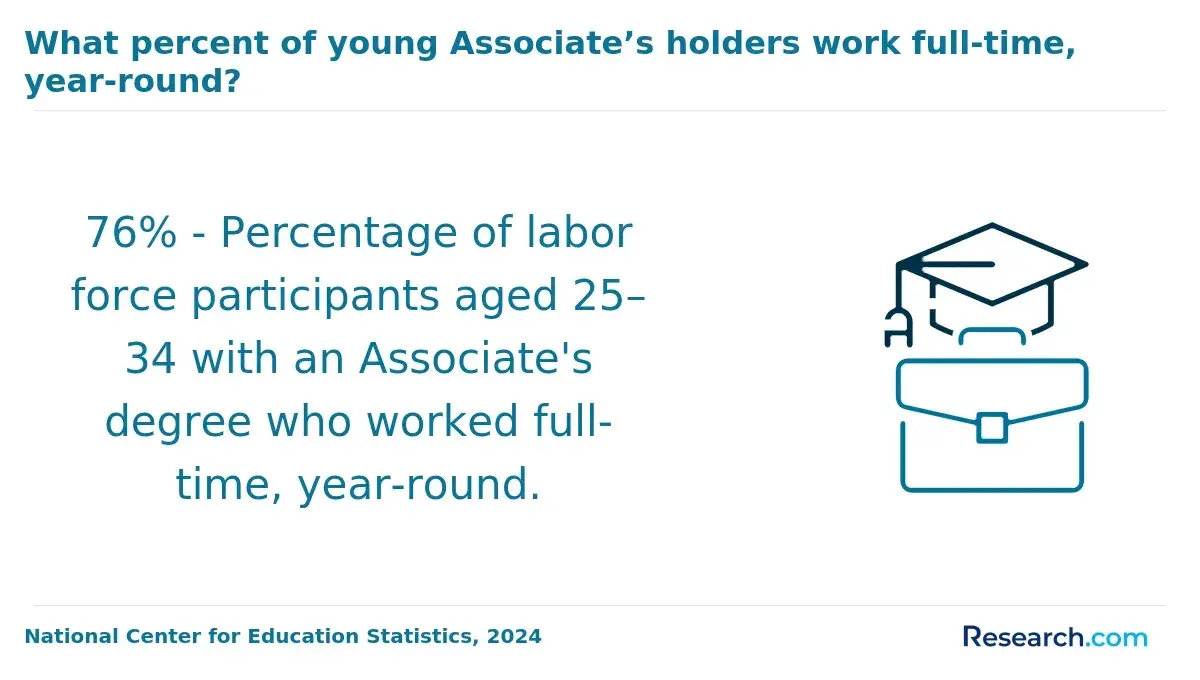
Completion time ranges from a few weeks for a software or professional-skills course to roughly one year for many college certificates. Associate-level career programs generally take longer unless a student enters with transferable credits. Cost also varies sharply by provider, credit status, required equipment, exams, and practicum needs, so published tuition alone is not a complete comparison.
Use the total cost - not the advertised monthly payment - to compare options. Include tuition, registration, textbooks, software, exam fees, proctoring, background checks, tools, travel for required labs, and any retake charges.
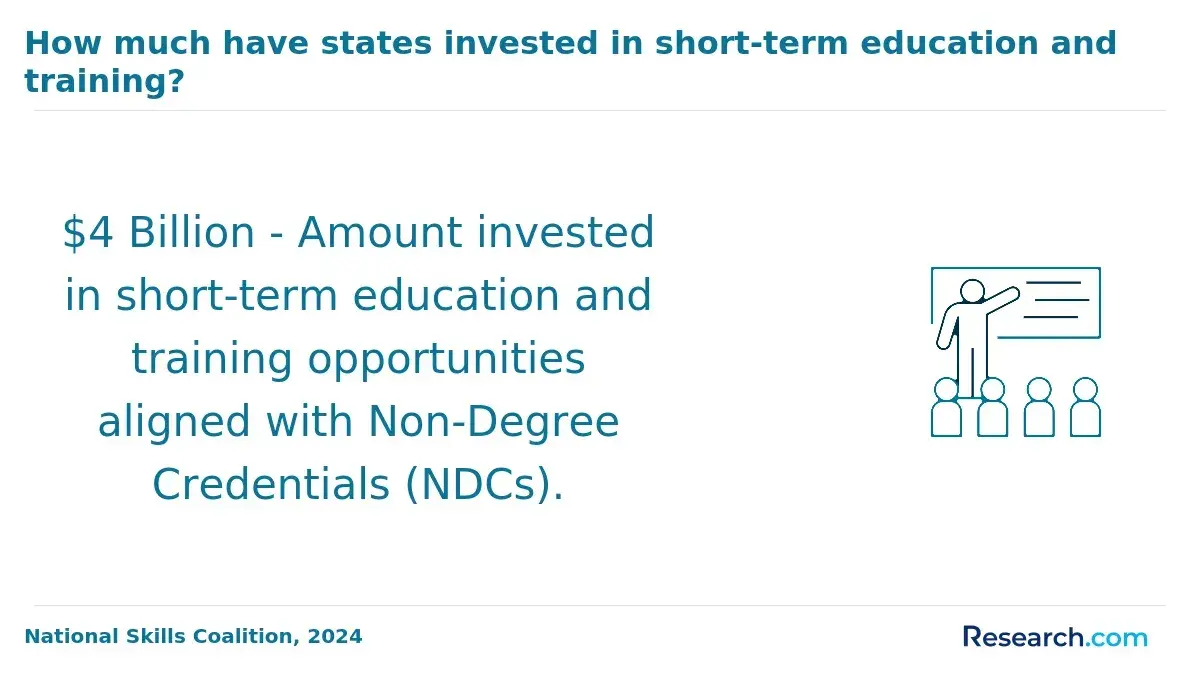
Federal student aid is generally tied to eligible programs at participating institutions and may not cover short noncredit training. Some workforce agencies, employers, and state initiatives offer support, but eligibility differs. If a longer academic route supports your goal, compare it with a master degree in 6 months only when you already meet graduate admission requirements and the occupation genuinely benefits from graduate study.
What career outcomes, job roles, and industries do these programs prepare you for?
Career outcomes depend on the field, prior experience, local hiring conditions, and whether a job requires a separate license, certification, degree, or apprenticeship. Non-degree training can strengthen candidacy for roles such as medical billing specialist, customer service representative, junior designer, legal assistant, IT support trainee, bookkeeping assistant, or skilled-trade apprentice. It is usually less sufficient for independently licensed, management, or advanced clinical positions.
Use a program when it closes a specific skills gap that appears repeatedly in target job postings. Consider a degree, apprenticeship, or employer-sponsored route instead when employers consistently require supervised experience, clinical hours, extensive equipment practice, or a higher credential. Learners who ultimately need research-intensive leadership or academic careers may need a different pathway, such as a PhD without dissertation program, rather than a short workforce credential.
Ask schools for job titles their training targets, but independently review several current postings in your location. This prevents the common mistake of selecting a program based on a broad field name rather than actual entry requirements.
What salary ranges and job outlook can graduates realistically expect in related fields?
Salary data describes occupations, not a guaranteed return from a particular online program. The U.S. Bureau of Labor Statistics reported a 2024 median annual wage of $48,780 across all occupations. Pay in fields connected to non-degree training can fall above or below that benchmark based on region, hours, licensing, experience, union coverage, and employer type.
The table shows why matching a credential to the occupational pathway matters more than relying on a general salary claim.
| Career pathway | Typical training consideration | Important limitation |
| Medical billing and coding | Certificate plus possible national certification preparation | Employer requirements differ; certification may be preferred rather than required |
| Paralegal support | Certificate or degree coursework in legal procedures | Does not permit independent practice of law |
| Digital design | Portfolio-focused training and software proficiency | Portfolio quality and experience can outweigh a completion credential |
| Skilled trades | Technical training plus apprenticeship or supervised practice | Licensing and field hours may be required by state or employer |
For job outlook, use the BLS Occupational Outlook Handbook for the exact role - not the broad program label - and treat projections as market context rather than a personal employment forecast.
How should you choose a reputable online non-degree program offering strong resume support?
Choose a program by starting with the job you want, then working backward to the minimum credible training path. The strongest option is not necessarily the fastest or cheapest; it is the one that teaches the skills employers request, meets any regulatory requirements, and provides support you will actually use.
Use this practical screening process before applying:
- Collect several current job postings for your target entry-level role and identify repeated skills, software, credentials, and education requirements.
- Match each program's syllabus, projects, and required practical experiences to those requirements.
- Confirm whether the credential is academic credit, noncredit completion, a professional certificate, or preparation for a separate certification exam.
- Calculate full cost and weekly workload, including mandatory tools, exams, travel, and lost work time.
- Ask exactly how resume help works: number of reviews, coach qualifications, turnaround time, interview practice, and post-completion access.
- Read refund, cancellation, privacy, and outcome-reporting policies before making a deposit.
A program is a stronger investment when its claims are specific, its requirements are transparent, and its career services produce job-search materials tailored to your intended role. Avoid providers that blur certificates with certifications, imply licensure without evidence, or rely on unsupported income promises.
Other Things You Should Know About
Some do, but quality varies. Look for individualized reviews, role-specific revisions, interview practice, and portfolio guidance. A downloadable template alone is not substantial career support.
No. A certificate usually shows completion of an educational program. A professional certification is typically awarded by a certifying body after meeting eligibility standards, often including an examination.
Sometimes, but only if the program meets the requirements of the relevant state licensing board. Many licensed healthcare and trade occupations also require clinical hours, supervised practice, examinations, or apprenticeships.
Choose a non-degree program for a narrow, immediate skills goal. Choose an associate degree when employers require college credit, you want broader coursework, or you may later transfer into a bachelor's program.
References
- CourseCareers https://coursecareers.com/compare/online-degree-programs
- Career Coaching for Education & Non-Profit Job Seekers | WorkTogether https://worktogethertalent.com/career-coaching-for-job-seekers/
- Best Online Colleges with Job Placement Programs for Career Success https://lakewood.edu/best-online-colleges-with-job-placement-programs-for-career-success/
- Credential Fluency: The Hiring Advantage in the Race for Skills - The Burning Glass Institute https://www.burningglassinstitute.org/research/credentialfluency
- Career Services | COACH by CareerVillage.org https://www.aicareercoach.org/careerservices
- Top 13 Resume Writing Certifications - MentorCruise https://mentorcruise.com/certifications/resumewriting/
- Advanced Career Training Programs Overview - /info/landing/online-career-training-program https://commed.smc.edu/info/landing/online-career-training-program
- Explore Your Bright Horizons Benefits https://www.brighthorizons.com/article/education/navigating-non-degree-landscape
- Certification Options for Resume Writers https://thenrwa.org/certification
- Breaking into IT: How to Gain Experience Without a Formal Degree https://gdhinc.com/breaking-into-it/