2027 Best Career Training Programs With Weekend Classes

Co-Founder and Chief Data Scientist
Choosing career training around a full-time job or family schedule means weighing more than speed: weekend availability, required clinical or lab hours, licensing rules, and total cost all matter. Federal labor projections released by the U.S. Bureau of Labor Statistics (BLS) show healthcare support occupations are projected to grow 15% from 2023 to 2033.
This guide helps working adults compare practical weekend programs, identify credible credentials, estimate the time commitment, and avoid enrolling in training that does not meet their career goal.
Key Things You Should Know
- Weekend programs are strongest for hands-on fields when they include required labs, clinical rotations, externships, or supervised practice; purely weekend classroom instruction may not satisfy state licensing rules.
- Trade and healthcare paths can lead to relatively fast entry-level training, but licensed roles such as practical nursing, dental hygiene, and electrical work usually require separate exams, documented hours, or both.
- BLS projects 15% growth for healthcare support occupations from 2023 to 2033, while electrician employment is projected to grow 11%; demand does not remove the need to verify local employer and licensing requirements.
Top 10 Best Career Training Programs With Weekend Classes
Popular Trade School Programs
Weekend trade programs commonly include HVAC technician certificates, welding certificates, electrical technology certificates, plumbing foundations, automotive service training, and construction technology associate degrees. Certificates generally teach job-specific skills and may prepare students for an industry exam; they are not the same as a professional license. Choose a credit-bearing community-college program if you may later pursue an associate degree. Choose an employer-recognized noncredit course for a narrow skill upgrade. Confirm how many in-person lab hours occur on weekends and whether the program helps arrange an apprenticeship or supervised field experience.
Healthcare Programs
Weekend healthcare options may include medical assisting certificates, phlebotomy certificates, pharmacy technician training, practical nursing programs, medical billing and coding certificates, and associate degrees in nursing. Clinical placements often occur on weekdays even when lectures meet Saturday or Sunday. A school certificate may prepare learners for a national certification examination, but eligibility depends on the certifying body. Programs leading to licensure, including practical nursing and registered nursing, must meet the requirements of the state nursing board. Verify clinical schedules before paying a deposit, especially if weekday availability is limited.
Criminal Justice / Law Programs
Weekend options include criminal justice certificates, associate degrees in criminal justice, paralegal studies certificates, legal assistant certificates, and homeland security programs. A certificate can build knowledge of courts, legal research, report writing, and public safety systems, but it does not automatically qualify a graduate to practice law or become a sworn police officer. Police hiring commonly adds agency testing, background screening, physical standards, and academy training. For paralegal work, compare programs carefully because employers may prefer education that follows American Bar Association guidance or includes substantive legal research and writing.
Arts & Design Programs
Weekend arts and design programs may offer certificates or associate degrees in graphic design, digital media, photography, interior design, UX design, web design, and animation. Portfolio quality often matters as much as the credential, so prioritize programs with studio time, instructor critique, current software, and finished work you can show employers. Noncredit bootcamps can be useful for targeted software skills, while credit-bearing certificates may be more transferable toward an associate or bachelor's degree. Interior design has state-specific title and licensure considerations, so check local rules before selecting a short program.
What types of careers can weekend training programs prepare you for?
Weekend training can prepare learners for entry-level work, advancement within a current field, or the academic foundation needed for a longer credential. The best match depends on whether the target occupation is skills-based, certification-based, or licensed.
This comparison separates roles a short program may support from roles that usually require additional supervised experience, examination, or degree study.
| Career area | Typical weekend training route | Potential entry-level direction | Important limitation |
| Skilled trades | HVAC, welding, electrical, or automotive certificate | Helper, technician trainee, apprentice | Journeyman status usually requires paid supervised hours and, in many places, licensing. |
| Healthcare support | Medical assisting, phlebotomy, billing, or pharmacy technician certificate | Clinical support or administrative support role | Employers and certifying bodies may require an exam, externship, or both. |
| Legal support | Paralegal or legal assistant certificate | Legal assistant, records, or compliance support | A certificate does not authorize legal practice or guarantee paralegal employment. |
| Digital design | Graphic, web, UX, or digital media certificate | Junior creative, production, or web support role | A portfolio and technical assignments are often central to hiring. |
Weekend training is usually a sound investment for people seeking a defined entry point and willing to complete the additional requirements attached to regulated work. It is less suitable for someone whose target role explicitly requires a bachelor's degree, graduate degree, or years of specialized experience.
How do weekend career training programs compare to full-time or online formats?
Weekend, full-time, and online formats can teach similar theory, but they create different constraints. A weekend format protects weekday work hours but can lengthen completion time and leave less room for missed labs. Fully online study can work well for coding, billing, legal research, or design theory, yet it cannot replace required clinical, shop, or supervised practical training.
The format comparison below highlights the trade-off that most affects working adults: flexibility versus access to hands-on instruction and support.
| Format | Best for | Main advantage | Main caution |
| Weekend campus or hybrid | Working adults needing lab-based training | Scheduled practical instruction without weekday classes | Long sessions and limited make-up options can be demanding. |
| Full-time daytime | Students able to reduce work hours | Fastest route through sequenced coursework | May conflict with employment and family responsibilities. |
| Online or mostly online | Theory-heavy, computer-based subjects | More control over reading and assignment time | Confirm how labs, testing, externships, and licensing requirements are completed. |
If your long-term goal requires a graduate credential, compare weekend training with online master degree programs only when the occupations and admission requirements genuinely overlap. A short career program is usually an entry or upskilling route, not a substitute for graduate preparation.
What accreditation and licensing requirements should weekend training programs meet?
Accreditation matters most when a program leads to licensure, federal student aid eligibility, credit transfer, or employer-required professional certification. Institutional accreditation applies to a college or school; programmatic accreditation evaluates a specific professional program. Neither term should be assumed from a school's marketing language.
Before enrolling in a regulated program, use this verification sequence to avoid a credential that cannot support your intended next step.
- Identify the state board, licensing agency, or certifying organization governing your target job.
- Confirm that the specific program, campus, and delivery format meet its education requirements.
- Ask whether weekend students receive the same labs, clinical hours, instructor supervision, and completion documentation as daytime students.
- Get written confirmation of total required hours, examination eligibility, and any post-graduation supervised-experience requirement.
For example, nursing education must meet state board standards for licensure eligibility, while an HVAC program may be evaluated more heavily on equipment access, safety training, and local apprenticeship connections. A noncredit course can still be valuable, but it usually does not carry transferable academic credit and may not qualify learners for federal aid.
How long do weekend career training programs take, and what schedules do they offer?
Completion time depends on the number of contact hours, whether courses run every weekend, and whether clinical or fieldwork must occur separately. A focused noncredit course may take weeks, while a credit-bearing certificate commonly takes several months to about a year of part-time study. Associate degrees generally take longer because they include general education and prerequisite coursework.
The schedule patterns below help applicants spot an important distinction: a weekend class schedule does not necessarily mean every program requirement happens on weekends.
| Schedule pattern | Common use | What to confirm |
| One full day each weekend | Trades, software, and continuing education | Lab access, attendance policy, and missed-session options |
| Evenings plus Saturday | Credit-bearing certificates and associate programs | Course sequence and the earliest realistic completion term |
| Online coursework plus weekend labs | Hybrid technical and healthcare programs | Technology requirements and required on-campus dates |
| Weekend class plus weekday clinical or externship | Healthcare and some legal-support programs | Exact placement hours, location, and whether work leave is needed |
Adults who need maximum pacing flexibility may also compare best competency-based colleges when their goal is an academic degree rather than a hands-on licensed occupation. Competency-based formats can accelerate familiar coursework, but scheduled clinical and lab requirements still control the timeline in many fields.
What admission requirements and prerequisites do weekend career programs typically have?
Admissions requirements range from simple registration for a noncredit workshop to formal college admission for a certificate or associate degree. Many entry-level programs request a high school diploma or equivalent, government-issued identification, and placement testing or prerequisite coursework. Healthcare programs may also require immunizations, background checks, drug screening, CPR training, and health records before clinical participation.
Ask admissions staff which requirements must be completed before enrollment and which are required before the first lab or clinical assignment. This distinction can prevent a delayed start after tuition has already been paid.
Applicants should be cautious about programs promising immediate entry into a licensed field without discussing prerequisites, background eligibility, clinical placement, or examination rules. A prior conviction does not automatically bar every career, but it can affect clinical access, licensure, or employer screening; request a realistic explanation from the relevant regulator before enrolling.
What do students learn in weekend career training programs, and how is coursework structured?
Weekend programs typically condense lectures, demonstrations, simulations, projects, and assessments into longer sessions. Strong programs connect each assignment to a workplace task: reading a blueprint, documenting a patient encounter, drafting a legal memo, troubleshooting equipment, or producing a portfolio piece. Expect independent reading and practice between meetings; weekend attendance alone rarely provides enough repetition for technical mastery.
When comparing curriculum quality, look for evidence that learning is structured around both knowledge and observable performance.
- Published course outcomes tied to specific tools, procedures, software, or workplace standards
- Enough supervised practice to receive useful instructor feedback before final assessment
- Current equipment, safety procedures, and accessible tutoring or career support
- A clear explanation of whether the credential is credit-bearing, stackable, or transferable
For design and technology fields, retain projects and feedback in a portfolio. For healthcare and trades, retain completion records, skills checklists, and any eligibility documentation needed for a later certification examination or employer onboarding.
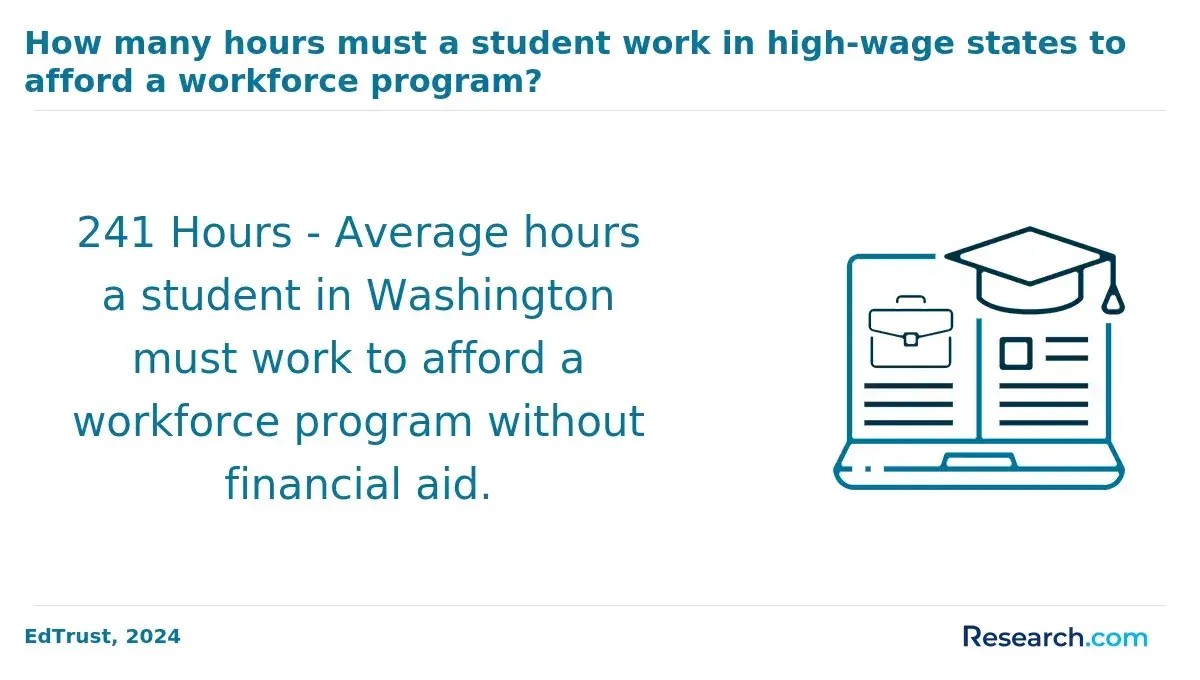
How much do weekend career training programs cost, and what financial aid is available?
Total cost is more than advertised tuition. Budget for registration fees, books, tools, uniforms, safety equipment, software, examination fees, background checks, vaccinations, transportation, and lost work time during clinicals or externships. Community colleges may offer lower tuition for credit-bearing programs, while private career schools may bundle equipment or offer faster starts; compare the full written estimate rather than the headline price.
Financial aid depends on the provider and program. Eligible students in qualifying credit-bearing programs at approved institutions may use federal aid, while short noncredit training may rely on employer tuition assistance, workforce-agency funding, payment plans, veterans' education benefits where applicable, or private financing.
To control borrowing, first compare program length, required supplies, completion rate, and job-placement definitions. Working adults who need a degree pathway rather than a short credential can also review most affordable online colleges for working adults; compare their required workload and residency expectations with your weekend availability.
What certifications or credentials can you earn through weekend career training programs?
Weekend training can result in several different credentials. Understanding the label helps you avoid paying for training that is not recognized for your purpose.
| Credential | Who awards it | What it generally shows | Key question |
| School certificate | College, trade school, or training provider | Completion of a defined course of study | Is it credit-bearing, transferable, or aligned with employer expectations? |
| Associate degree | Accredited college | Completion of a broader academic and technical curriculum | Does it meet the education requirement for your target role or license? |
| Professional certification | Independent certifying organization | Meeting an external standard, often through an examination | Does the program make you eligible, or are experience requirements also needed? |
| Occupational license | State or local government authority | Legal authorization to practice a regulated occupation | What education, exam, background, and supervised-hour rules apply in your state? |
A program certificate and a professional certification are not interchangeable. For advanced academic goals, even 1 year PhD programs online free should be evaluated separately from career training because doctoral admissions, research expectations, and accreditation considerations are fundamentally different.
What salary outcomes and job growth can graduates of weekend training programs expect?
Salary and job-growth data describe occupations, not a guaranteed outcome for weekend-program graduates. They are still useful for checking whether a training path points toward a viable labor market. In BLS data released with 2023 employment projections, electricians had a median annual wage of $61,590 in 2023 and projected 11% employment growth from 2023 to 2033. That outlook supports demand for electrical work, but apprentices typically need supervised hours before reaching independent journey-level work.
Healthcare can offer strong demand as well. BLS projects healthcare support occupations to grow 15% over the same period, reflecting continuing needs for direct care and clinical support. Pay varies substantially by role, state, shift, employer, certification status, experience, and local labor market.
Use outcome claims carefully. Ask each school for its reporting period, the number of graduates included, how it defines employment, whether jobs were related to training, and whether reported wages are starting pay or later earnings. Avoid schools that promise placement, quote broad occupational salaries as graduate earnings, or will not provide written outcomes information.
Other Things You Should Know About
Sometimes. Trade, technology, and design programs may operate entirely on weekends, but healthcare programs often require weekday clinical rotations, exams, or externships. Obtain the complete calendar before enrolling.
Employers typically care more about the provider's credibility, practical skills, required certification or license eligibility, and relevant experience than whether classes met on weekends. For regulated careers, confirm approval with the appropriate state board or certifying organization.
Possibly. Eligibility depends on the school, whether the program is credit-bearing and approved for aid, enrollment status, and your individual circumstances. Noncredit workforce programs may have different funding options than college certificates.
Assuming the published class schedule includes every requirement. Verify labs, clinicals, externships, examination eligibility, required supplies, and total fees in writing before making a payment.
References
- Job Training in New York City - New York City Employment and Training Coalition https://nycetc.org/membership/full-member-list/job-training-programs-in-new-york-city/
- San Diego, CA - Center for Employment Training https://cetweb.edu/location/san-diego-ca
- Training & Education Programs https://metroatlantaexchange.org/news/max-mondays/training-and-education-programs/
- San Antonio Ready to Work - Train for a Great Job and Earn More https://readytoworksa.com/
- Student Outcomes Data | Northwest Career College https://www.northwestcareercollege.edu/student-outcomes.html
- Online Career Training | Certificate Programs | CareerStep https://www.careerstep.com/
- Job Training Programs in Philadelphia with OIC https://oicphila.org/career-training-programs-philadelphia/
- A SHORT-TERM COURSE COULD BENEFIT YOU FOR THE LONG RUN https://onwardokc.com/short-term-courses/
- For-profit workforce training, funded by public dollars https://hechingerreport.org/wasted-money-how-career-training-companies-scoop-up-federal-funds-with-little-oversight/
- Job Training Programs | VA | FastForward https://fastforwardva.org/