2027 Best Career Training Programs for Students With Low GPA

Co-Founder and Chief Data Scientist
A low GPA can limit admission to selective colleges, but it does not eliminate access to career-focused training. Many certificate, diploma, apprenticeship, and associate programs weigh placement tests, interviews, work history, or completion of prerequisites alongside grades. This matters because the U.S. Bureau of Labor Statistics projects many skilled-trade and healthcare occupations to grow from 2023 to 2033. This guide helps students compare realistic programs, verify admissions and licensing rules, estimate costs, and choose training that supports an entry-level career goal.
Key Things You Should Know
- Low-GPA applicants often have the strongest options in open-admission community colleges, workforce certificates, apprenticeships, and schools using placement testing or holistic review instead of a strict GPA cutoff.
- Choose the credential based on the job: a short certificate can build job-ready skills, while regulated roles such as nursing, dental hygiene, and many legal or public-safety positions may require approved education, exams, or licensure.
- Employment outlook varies sharply: BLS projects electrician employment to grow 6% and medical assistant employment to grow 15% from 2023 to 2033, so program quality and local employer demand matter more than an easy admission decision alone.
Top 10 Best Career Training Programs for Students With Low GPA
Popular Trade School Programs
Trade programs emphasize hands-on skills and often admit students through a diploma, GED, placement assessment, or interview rather than a high GPA. Options include welding certificates, HVAC diplomas, electrical technology certificates, automotive service programs, plumbing apprenticeships, and construction technology associate degrees. Certificates commonly take months to about a year; associate degrees generally take two years. Apprenticeships can be especially valuable because participants earn wages while training. Confirm whether a program prepares students for required state licensing, an apprenticeship pathway, or an industry examination such as EPA Section 608 for refrigerant handling.
Healthcare Programs
Healthcare training can offer clear entry points, but clinical programs may have stricter screening than the institution's general admission standards. Medical assisting, pharmacy technician, dental assisting, practical nursing, nursing assistant, phlebotomy, and medical billing and coding are common options. A certificate is educational training; national certification, such as a Certified Medical Assistant credential, is a separate professional designation and may require an exam. Expect background checks, immunizations, drug screening, CPR training, and clinical placements where applicable. Verify that the program meets your state's rules before enrolling, particularly for nursing and other licensed roles.
Criminal Justice / Law Programs
Criminal justice certificates and associate degrees may cover policing foundations, corrections, emergency management, cybersecurity, or homeland security. Paralegal studies certificates can suit students who already hold a degree or want focused legal-support training, while associate programs provide broader general education. Admission may be flexible, but police academies and public-safety employers can impose separate age, fitness, background, driving-record, and psychological-screening standards. A criminal justice credential alone does not guarantee academy admission or law-enforcement employment. For legal support careers, students should look for programs aligned with employer expectations and, where appropriate, American Bar Association approval.
Arts & Design Programs
Arts and design training can be portfolio-driven, making it a practical route for students whose grades do not reflect their creative or technical ability. Programs include graphic design certificates, web design certificates, digital media diplomas, photography programs, animation certificates, and associate degrees in visual communication. Admissions may require a portfolio or basic software readiness rather than a high GPA. Short programs can teach tools such as Adobe Creative Cloud, but employers often evaluate completed projects more closely than the credential title. Ask whether courses produce portfolio pieces, offer critiques, and teach current AI-assisted design workflows responsibly.
What types of career training programs are best for students with a low GPA?
The best career training program is one with an admission process you can meet, a credential recognized by local employers or regulators, and a direct connection to the job you want. For many low-GPA students, a short, structured program is preferable to immediately entering a broad degree program with demanding general-education coursework.
This comparison shows when common routes make sense and when a longer credential may be the safer investment.
| Training route | Best for | Typical length | Key trade-off |
| Workforce certificate or diploma | Quick entry into a defined skill area | Weeks to about 1 year | May not transfer to a degree |
| Community-college certificate | Students who may later pursue an associate degree | About 6 months to 1 year | May include placement testing and prerequisites |
| Associate degree | Roles needing broader academic and technical preparation | About 2 years | Higher time and tuition commitment |
| Registered apprenticeship | Skilled trades learners who prefer paid work-based training | Usually several years | Openings can be competitive and location-specific |
| Industry training or bootcamp | Software, IT support, or portfolio-based skills | Weeks to months | Quality and employer recognition vary widely |
Credit-bearing community-college certificates are generally the best fit if you want stackable coursework toward an associate degree. Noncredit workforce programs can be faster, but students should obtain written confirmation about whether credits transfer, whether the program qualifies for aid, and whether employers recognize the training.
How do online career training programs compare to campus options for low GPA students?
Online career training can reduce commuting and make scheduling easier, but it is not automatically easier or equivalent to campus training. It works best for theory-heavy fields such as billing and coding, bookkeeping, IT support, legal studies, and some design programs. Campus or hybrid formats are usually stronger for welding, HVAC, automotive repair, nursing, dental assisting, and other programs requiring equipment, labs, or supervised clinical practice.
Students comparing formats should focus on the learning experience and the credential's eligibility rules, not marketing claims about convenience.
| Factor | Online or hybrid advantage | Campus advantage |
| Schedule | Flexible access to lectures and assignments | Set routine and immediate instructor contact |
| Hands-on practice | Useful for simulations and software skills | Better access to labs, tools, and supervised practice |
| Support | May suit independent learners with reliable technology | Can provide more direct tutoring and peer accountability |
| Licensure preparation | Possible only when required placements are arranged | Often easier to coordinate local clinical or lab requirements |
Before choosing remote study, compare approved providers through guides to best online universities, then verify the specific program rather than assuming institutional accreditation makes every online credential suitable for your intended license.
What admission requirements do career training programs have for applicants with low GPAs?
Admission requirements depend more on provider type and program capacity than on the label "career training." Open-admission colleges may accept applicants with a high school diploma or GED regardless of GPA, then use placement tests to determine whether developmental coursework is needed. Selective cohorts, especially nursing and allied-health programs, may calculate a separate prerequisite GPA even when the college itself has open admission.
Applicants with weak grades can improve their options by presenting evidence that they are ready for the workload.
- Request the program's published minimum requirements, including any prerequisite-course grade standards.
- Ask whether the school considers cumulative GPA, recent coursework, placement scores, interviews, portfolios, or work experience.
- Complete required math, English, science, or technology prerequisites before applying to a limited-enrollment cohort.
- Use an admissions essay or interview to explain documented improvement without over-sharing personal details.
- Confirm whether acceptance into the college differs from acceptance into the specific career program.
Be cautious of providers that promise admission without explaining academic support, completion expectations, or job-placement methodology. Flexible admission is helpful only when tutoring, advising, and realistic pacing help students finish.
Which accredited schools and programs accept students with low GPAs for career training?
Rather than searching for a school that "accepts any GPA," look for an accredited or state-authorized provider whose requirements match your target occupation. Public community colleges frequently offer open admission, but competitive programs within them can still require prerequisite grades. Career schools may use diploma or GED verification, entrance assessments, interviews, or ability-to-benefit criteria where permitted.
Use the following checks to distinguish a legitimate option from a weak-value program.
- For degree-granting colleges, verify institutional accreditation recognized by the U.S. Department of Education or the Council for Higher Education Accreditation.
- For trade and career schools, confirm state licensure or authorization and ask which agency oversees the program.
- For nursing, allied health, and other regulated fields, confirm program approval with the relevant state board before paying a deposit.
- For apprenticeships, confirm registration through the U.S. Department of Labor or the applicable state apprenticeship agency.
- Ask for program-level completion, licensure-exam, placement, and debt information in writing when available.
Institutional accreditation and programmatic approval are different safeguards. A college may be accredited while a specific program lacks the approval needed for licensure, so verify both when your career goal is regulated.
What are typical program lengths, costs, and financial aid options for career training?
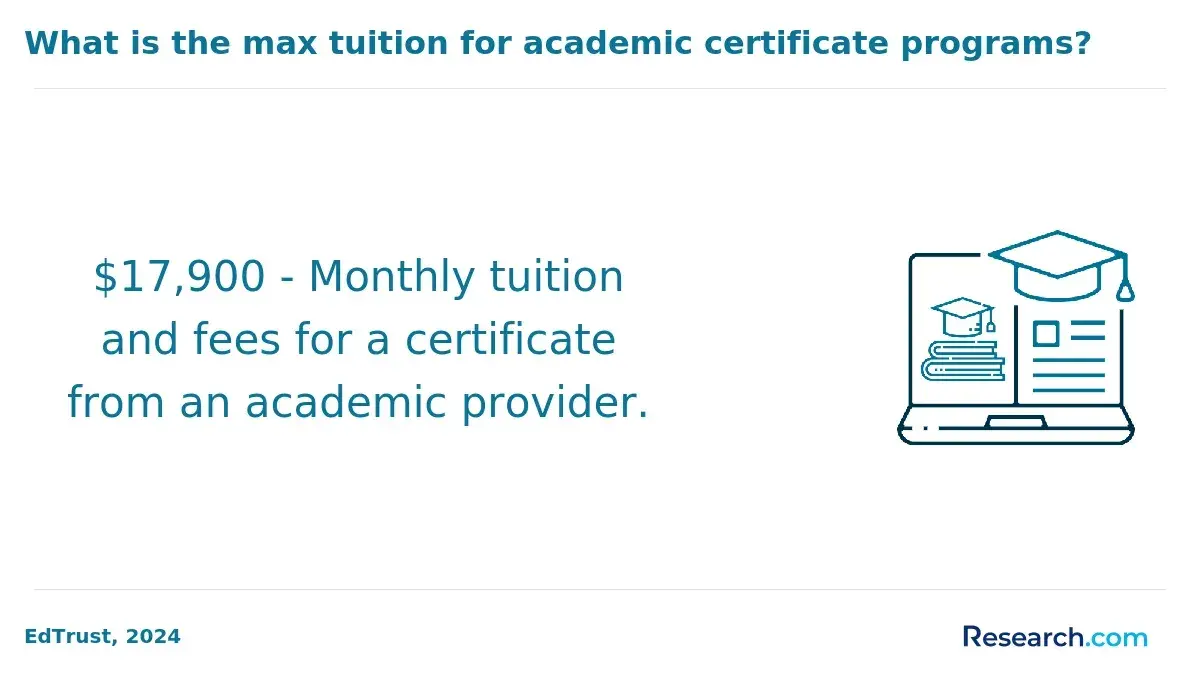
Length and price vary by field, location, delivery format, equipment needs, and whether a program is credit-bearing. A short certificate may cost less upfront but can require separate exam fees, uniforms, tools, transportation, background checks, or clinical supplies. An associate degree costs more and takes longer, yet may include transferable credits and meet education requirements that a short course does not.
This cost framework helps applicants compare the total commitment instead of relying on advertised tuition alone.
| Program type | Typical duration | Primary cost considerations | Potential funding routes |
| Noncredit workforce course | Weeks to months | Tuition, materials, exam fees | Workforce grants, employer support, payment plans |
| Credit-bearing certificate | About 6 months to 1 year | Per-credit tuition, books, supplies | Federal aid for eligible programs, state aid, scholarships |
| Associate degree | About 2 years | Tuition, fees, transportation, required labs | Federal and state aid, scholarships, work-study |
| Apprenticeship | Several years | Tools, dues, classroom costs where applicable | Wages during training, employer sponsorship |
For the 2024-25 award year, the maximum Federal Pell Grant was $7,395 for eligible students; eligibility and award size depend on financial circumstances, enrollment, and program eligibility. Military-connected learners should also review online degrees for military spouses when portability and flexible enrollment are priorities.
What certificates or licenses can low GPA students earn through career training programs?
Low GPA students can earn educational certificates, diplomas, associate degrees, and industry certifications, but these credentials serve different purposes. A school awards a certificate after required coursework. A certification organization awards a professional certification after its own eligibility and assessment process. A license is legal permission from a state board or agency to practice a regulated occupation.
Common credentials and their limits include the following.
- EPA Section 608 certification may be required for technicians handling regulated refrigerants; HVAC coursework can prepare students for the exam but does not itself confer the certification.
- CompTIA A+ is an industry certification often sought for entry-level IT support; preparation courses are optional, and exam costs are separate from many school tuition charges.
- Certified Nursing Assistant credentials usually require state-approved training and a competency evaluation, with rules varying by state.
- Pharmacy technician requirements vary by state; some employers prefer national certification, while others require registration or licensure.
- Commercial Driver's License training prepares students for state testing but does not guarantee a CDL, which depends on passing required examinations and meeting eligibility rules.
Ask a school whether its credential is credit-bearing, whether it stacks into an associate degree, and whether it prepares you for a separate certification or licensing examination. Those answers affect both long-term value and total cost.
What entry-level jobs and career paths are available after completing career training?
Career training can create an entry point, but the first job may be an assistant, trainee, apprentice, technician, or support role rather than the highest-level position in the field. Employers commonly assess reliability, technical skills, required clearances, communication, and local licensing eligibility alongside education.
The examples below connect training choices to realistic early-career directions.
| Training area | Possible entry-level role | Common next step |
| HVAC or electrical | Helper, installer trainee, apprentice | Journeyman pathway or specialized technician work |
| Medical assisting | Medical assistant | Specialty clinic work or further allied-health education |
| IT support | Help desk technician or user-support specialist | Networking, cybersecurity, or systems administration training |
| Paralegal studies | Legal assistant or file clerk | Paralegal role with experience and employer-specific requirements |
| Graphic design | Production artist or junior designer | Portfolio development and specialized digital design work |
If your long-term goal requires a bachelor's degree, compare your training route with college degrees that pay well before choosing a nontransferable program. Starting with a stackable certificate can make sense when it produces usable skills and preserves a path to additional education.
What salary ranges and job outlook can graduates of career training programs expect?
Salary and outlook should be evaluated by occupation, region, experience, union status, shift schedules, and licensing - not by a school's marketing claims. The BLS reported a May 2024 median annual wage of $62,350 for electricians, while medical assistants had a median annual wage of $44,200. These figures describe workers in the occupations, not guaranteed earnings for people who complete a particular program.
This snapshot illustrates why students should match training length to the field's entry requirements and advancement path.
| Occupation | May 2024 median annual wage | Projected growth, 2023-33 | Important qualification context |
| Electricians | $62,350 | 6% | Typically requires apprenticeship and state or local licensing |
| Medical assistants | $44,200 | 15% | Requirements vary by employer and state; certification may be preferred |
| Dental assistants | $47,300 | 8% | State rules may require approved education or examinations |
| Paralegals and legal assistants | $61,010 | 0% | Employers may prefer degree holders or relevant legal experience |
Use wage data as a local research starting point. Check job postings in your area to see whether employers request a certificate, certification, license, experience, or a degree before treating a program as a likely return on investment.
How can students with low GPAs choose a reputable, high-return career training program?
A reputable, high-return program has transparent outcomes, suitable approval or accreditation, realistic entry requirements, and a curriculum tied to actual local jobs. The best option is not necessarily the fastest or cheapest one; it is the least expensive route that genuinely qualifies you for your intended next step.
Before enrolling, use this practical screening process.
- Choose a target job and review at least 10 local job postings to identify required education, licenses, certifications, and experience.
- Calculate total costs, including tuition, tools, exams, transportation, uniforms, insurance, and unpaid clinical or practicum time.
- Ask for written program-level outcomes, including completion, placement, licensing-exam performance, and median debt where the school reports them.
- Verify accreditation, state authorization, and program approval directly with the relevant regulator or licensing board.
- Compare whether the credential is transferable or stackable if you may need a degree later.
- Meet with financial aid and career services before signing an enrollment agreement or borrowing.
Red flags include pressure to enroll immediately, vague job-placement promises, missing total-cost disclosures, claims that online study automatically meets every state licensing rule, and refusal to explain refund policies. Students who later want a graduate credential should recognize that most master's programs require a bachelor's degree; explore cheapest easiest master's degree options only after building the required undergraduate foundation.
Other Things You Should Know About
Yes. Many trade schools, apprenticeships, and community-college workforce programs focus on a diploma or GED, placement testing, interviews, or basic readiness instead of a high cumulative GPA. Competitive specialty programs may still require prerequisite grades.
The fastest useful option depends on the job. Programs such as nursing assistant, phlebotomy, CDL training, IT support preparation, and some trade certificates can take weeks or months, but confirm employer demand and required state credentials before enrolling.
It can for eligible students in eligible credit-bearing programs at approved institutions. Short noncredit programs may not qualify for federal aid, although state workforce grants, employer tuition assistance, scholarships, and payment plans may be available.
Choose a certificate when it meets entry requirements for your target role and you need a faster, lower-cost start. Choose an associate degree when the occupation, local employers, or your advancement plan requires broader education, transferable credits, or clinical preparation.
References
- College Scholarship Opportunities - Health Career Collaborative https://healthcareercollaborative.com/college-scholarship-opportunities/
- Pathways to Work - United Way of Metropolitan Dallas https://unitedwaydallas.org/programs/pathways-to-work/
- Career Pathways Certificates | CCC https://www.clackamas.edu/academics/degrees-certificates/career-pathways-certificates
- Students say industry-recognized certifications provide value https://www.ccdaily.com/2025/03/students-say-industry-recognized-certifications-provide-value/
- 17 Entry-Level Jobs That Requires Little To No Experience But Can Set You Up For A Lucrative Career https://www.buzzfeed.com/kristenharris1/entry-level-jobs-lucrative-career
- Improving community college completion rates by addressing structural and motivational barriers | Brookings https://www.brookings.edu/articles/community-college-completion-rates-structural-and-motivational-barriers/
- High-Paying, Fast-Growing Jobs Without a Degree https://www.rockwellinstitute.com/blog/jobs-dont-require-degree/
- College Grades and Employers: What Matters to Whom - Collegiate Gateway https://collegiategateway.com/college-grades-and-employers-what-matters-to-whom/
- What's the Value of My Certification? Inside the Minds of Job Seekers and Hiring Managers https://www.credentialinginsights.org/Article/whats-the-value-of-my-certification-inside-the-minds-of-job-seekers-and-hiring-managers-1
- Workforce Training https://www.luminafoundation.org/topics/todays-credentials/workforce-training/