2027 Online Data Science Master's Options for Professionals in Durham, North Carolina

Co-Founder and Chief Data Scientist
Durham professionals can choose a nearby campus program or study online through a university anywhere that enrolls North Carolina residents. The better choice depends less on distance than on curriculum, work-friendly scheduling, total cost, and access to the projects and people that support your goals. This guide compares established online options, explains where Durham's location matters, and identifies what to confirm before applying.
Key Things You Should Know
- Durham residents can consider national online programs, including data science degrees from the University of Texas at Austin and the University of Colorado Boulder, as well as Georgia Tech's related analytics degree; confirm current North Carolina enrollment eligibility before applying.
- Compare required courses, live-session obligations, project opportunities, and a written total-cost estimate - not just a university's proximity or advertised tuition rate.
- The U.S. median annual wage for data scientists was $120,230 in May 2025, but that national figure is neither a Durham salary estimate nor a predicted return on a master's degree.
What is an online data science master's degree, and who is it designed for?
An online data science master's combines graduate-level work in statistics, programming, data management, and machine learning with applied analysis. It is most useful when those skills address a specific gap between your current work and a target role. A Durham-based analyst seeking more technical modeling work, for example, may need a different curriculum from a software developer seeking stronger statistical foundations.
Degree titles are not interchangeable. A data science program may emphasize statistical inference and machine learning, while master's degree programs in data analytics may put more weight on organizational decisions and communicating results. Compare required courses and projects rather than assuming the title establishes technical depth.
Which accredited online data science master's programs serve professionals near Durham?
Three established university options give Durham professionals distinct starting points. These are institutionally accredited universities, but institutional accreditation alone does not establish that a particular program is available to every North Carolina resident or fits every career goal. Confirm the current program page, state enrollment eligibility, and course schedule directly before applying.
| University and online degree | Distinguishing fit | Question to resolve before applying |
| University of Texas at Austin - Master of Science in Data Science | A data science degree for applicants seeking substantial computing and statistical study | Do the current prerequisites and course rotation fit your preparation and timeline? |
| University of Colorado Boulder - Master of Science in Data Science | An online data science degree with a performance-based admissions route | How do the current entry pathway and course sequence affect your budget and pace? |
| Georgia Institute of Technology - Master of Science in Analytics | A related online analytics degree for professionals comparing computational, analytical, and applied work | Does its required curriculum match the kind of data science role you want? |
A Durham address does not make a national online university less relevant. It does make Eastern Time meeting hours, North Carolina enrollment authorization, and access to local professional contacts worth checking. A nearby university is more valuable when you will actually use its campus events, faculty access, or employer relationships; proximity by itself is not evidence of a better online experience. For a broader view of how degree features connect to work, see data career preparation through online degrees.
How do online data science master's programs compare with campus-based options?
An online program generally removes the need to commute to class and can widen the choice of universities. A campus-based program may be preferable if regular in-person faculty contact, research participation, or face-to-face peer work is central to your goal. Neither format establishes how flexible an individual program will be: online courses can still have fixed meetings, team deadlines, and examinations.
For a Durham professional working full time, the useful comparison is operational. Ask each program whether classes are recorded, when live sessions occur in Eastern Time, whether any campus visits are required, and how group projects accommodate working students. Compare those answers with the commute and daytime availability a campus option would require. Choose campus study when its specific opportunities justify that commitment; choose online study when its curriculum fits and the saved travel time makes sustained enrollment more realistic.
What courses are included in an online data science master's curriculum?
Look for required study in probability or statistics, programming, data preparation, databases, and machine learning, followed by electives or projects that serve your intended work. Course titles alone do not reveal depth: a short machine-learning unit is different from a dedicated modeling course with substantial implementation and evaluation.
Curriculum emphasis matters in Durham's varied employer market. Someone aiming for healthcare or life-sciences analysis should examine instruction in study design, model validation, privacy, and working with imperfect data. A professional targeting software-oriented machine learning should look more closely at algorithms, engineering, and deployment. Review actual course descriptions and recent project examples before treating an elective list as a promise that every course will be offered on your schedule.
If artificial intelligence is the main goal but your mathematics or programming foundation needs work, compare programs' stated prerequisites with AI master's programs with prerequisite preparation. A preparatory course can improve readiness without necessarily satisfying a university's formal admissions requirement.
What are the admission requirements for online data science master's programs?
Requirements vary by university and admissions pathway. Expect programs to assess prior academic work and readiness for quantitative and computing courses; some also consider professional experience, statements, and recommendations. Do not assume that a particular bachelor's major either qualifies or rules you out without checking the program's current policy.
Before applying, compare the published prerequisite language with your transcript and recent work. If your evidence is thin in calculus, linear algebra, statistics, or programming, ask admissions staff what preparation they recognize and whether it must be completed before enrollment. A work portfolio can demonstrate applied skill, but it should not be treated as a substitute for a stated course prerequisite unless the university explicitly permits that substitution.
How long do online data science master's programs take, and what do they cost?
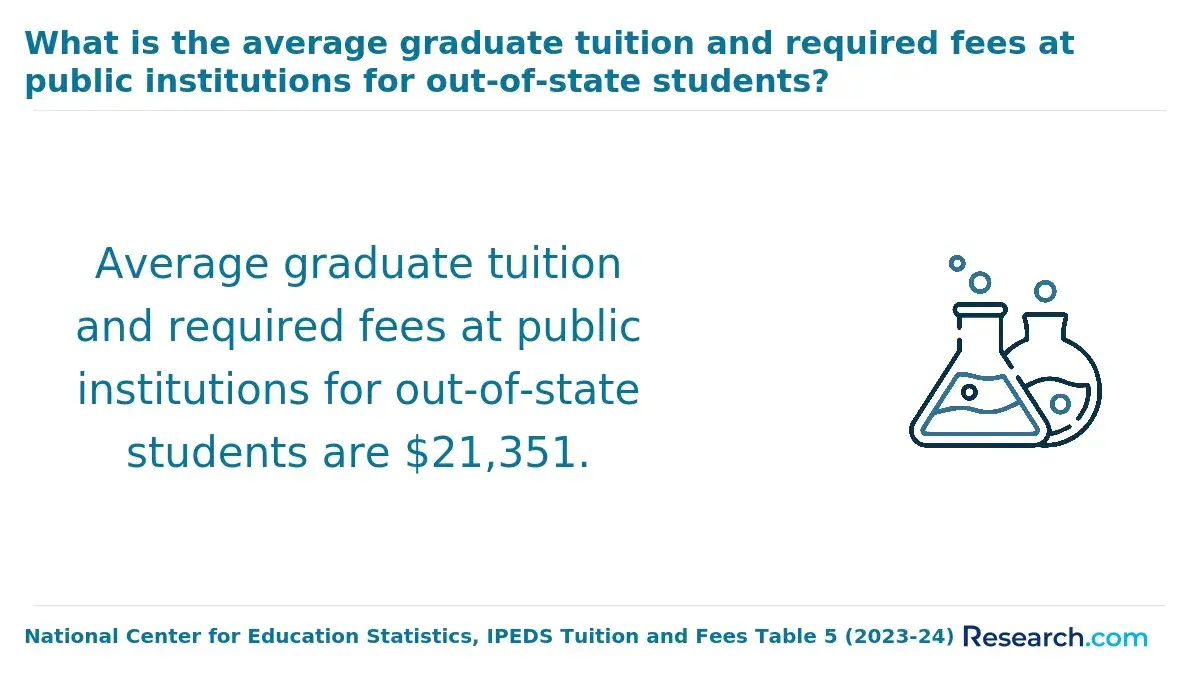
Completion time depends on required credits, course availability, and how many courses you can take alongside work. Published tuition can also use different units - per credit, per course, or a program estimate - so a headline price is not a reliable comparison. Current, like-for-like total prices for the programs above cannot be established here; request each university's current written estimate rather than relying on an unverified figure.
Use the same cost questions for every shortlisted program so that the comparison captures more than tuition:
- Ask for tuition covering all required courses and identify any residency-based pricing.
- Add mandatory university and program fees, required software or materials, and any campus-travel expense.
- Confirm how course load and future tuition changes could affect the final amount, then subtract only employer support or aid you are eligible to receive.
Ask your employer about tuition assistance before choosing a pace: reimbursement limits or required grades can change which schedule is affordable. If you are also weighing an AI degree, online AI master's cost and earnings considerations provide a separate comparison; do not assume either credential produces a salary increase large enough to cover its cost.
What careers can professionals pursue after earning a data science master's degree?
Potential directions include data scientist, machine-learning-focused analyst, analytics lead, and specialized roles applying models in an existing field. The realistic next step depends heavily on prior experience. A Durham professional who already works with clinical, research, financial, or operational data may be better positioned to move into a more technical role in that domain than to compete immediately for an unrelated senior position.
Match projects to the job you want: show how you framed a problem, evaluated a model, explained limitations, and communicated a usable result. That evidence matters particularly when changing job functions. A master's can provide structured practice and a credential, but some experienced professionals may reach an adjacent role through targeted coursework and strong work samples without earning another degree.
How much do data science professionals earn in Durham and North Carolina?
A verified Durham-specific or North Carolina-wide data scientist wage figure is not available here, so a precise local salary claim would be misleading. For context, the U.S. Bureau of Labor Statistics reports a $120,230 median annual wage for data scientists in May 2025. That is a national occupational midpoint across workers with different experience, employers, and education - not an entry salary or an estimate of what a Durham graduate will earn.
For a personal financial decision, compare current Durham-area job postings and compensation discussions for the roles you could credibly pursue, then weigh any prospective pay change against program cost. Industry can also affect compensation; data science degree earnings by sector offers context, but sector comparisons should not be read as outcomes caused by the degree.
What is the job outlook for data science careers in North Carolina?
A verified North Carolina-specific projection is not available here. Nationally, the Bureau of Labor Statistics projects 35% employment growth for data scientists from 2025 to 2035. That signals substantial nationwide demand, but it does not measure Durham openings or guarantee that a new graduate will secure a local role.
Durham professionals should test that national outlook against the jobs they want: examine recent openings for required tools, domain experience, and expectations around deploying or explaining models. As AI tools change analytical workflows, the strongest program fit may be one that teaches rigorous evaluation and responsible use of models rather than training only on a currently popular tool.
Which certifications and professional standards complement a data science master's degree?
A relevant certification can document skill with a platform used by a target employer, but it is not a substitute for statistical judgment, project experience, or a graduate curriculum. Choose one only after checking the tools named in jobs you would apply for; a vendor credential with no connection to your target work has limited decision value.
Professional practice matters especially when a Durham-area project involves health, research, or employer data. Look for programs that require students to address privacy, access controls, reproducibility, bias, and honest reporting of model performance. Ask how students complete projects when workplace data cannot be shared: a workable public or appropriately approved dataset is more valuable than a capstone idea that cannot legally or practically be used.
Other Things You Should Know About Data Science
Diploma wording is set by the university. Ask the registrar for the exact wording if it matters to you; do not infer it from the program's marketing page.
Only with the necessary employer permission and university approval. Ask whether the program permits restricted datasets and what approved alternatives are available before planning a work-based project.
Opportunities vary. If research is a priority, ask whether online students can join faculty projects and whether that work can count toward degree requirements.
Check the program's leave, course-withdrawal, and maximum-completion policies before committing. Also ask whether a required course is offered often enough to let you resume without a long delay.
References
- Types of Financial Aid: Grants, Work-Study, and Loans | studentaid.gov https://studentaid.gov/understand-aid/types
- Employer-offered educational assistance programs can help pay for college | Internal Revenue Service https://www.irs.gov/newsroom/employer-offered-educational-assistance-programs-can-help-pay-for-college
- What are the different ways to pay for college or graduate school? | Consumer Financial Protection Bureau https://www.consumerfinance.gov/ask-cfpb/what-are-the-different-ways-to-pay-for-college-or-graduate-school-en-545/
- Tuition and Fees - University Cashier https://cashier.unc.edu/tuition-fees/
- What's the Difference Between Asynchronous and Synchronous Learning? | Ohio State Online https://online.osu.edu/content-hub/blogs/whats-the-difference-between-asynchronous-and-synchronous-learning/
- 2026 UNC Online Master of Applied Data Science (MADS) https://online.unc.edu/online-masters-programs/masters-data-science/
- Master of Science in Data Analytics | ncat.edu https://online.ncat.edu/grad-data-analytics.html
- What Makes the Best MSDS Programs | Master of Science in Data Science | University of Connecticut https://masters.datascience.uconn.edu/about/best-data-science-degrees/
- What Is Data Science? Definition, Skills, Applications & More | Harvard SEAS https://seas.harvard.edu/news/what-data-science-definition-skills-applications-more
- How Classes Are Delivered - Oregon State Ecampus https://ecampus.oregonstate.edu/about/welcome/online-learning.htm