2027 Best Online Career Training Programs With Rolling Admissions

Co-Founder and Chief Data Scientist
Choosing career training is difficult when you need to start soon but cannot risk paying for a program that does not meet employer or licensing requirements. Online programs with rolling admissions can reduce waiting time, but they vary widely in quality, hands-on access, and credential value. U.S. Bureau of Labor Statistics 2024 wage data shows that many skilled occupations offer median annual pay above $50,000, yet training requirements differ sharply by field. This guide helps working adults, career changers, and recent graduates compare programs, verify outcomes, and choose a practical next step.
Key Things You Should Know
- Rolling admissions means applications are reviewed throughout the year; it does not always mean students can begin coursework immediately, so confirm the next available start date before paying a deposit.
- For regulated careers such as nursing support, dental assisting, HVAC, and electrical work, online coursework alone may be insufficient: clinical practice, lab work, apprenticeships, or state-approved training may be required.
- Occupational pay varies by role, location, experience, and employer; for example, the BLS reported a 2024 median annual wage of $61,590 for electricians, but a short online certificate alone does not qualify a person for every electrician role.
Top 10 Best Online Career Training Programs With Rolling Admissions
Popular Trade School Programs
Rolling-start trade options commonly include certificates in HVAC/R, electrical fundamentals, welding, plumbing, industrial maintenance, construction management, and automotive service. Programs may deliver safety, theory, codes, estimating, and diagnostic coursework online, while skills labs occur on campus or through an approved local partner. An associate degree usually adds general education and broader technical coursework; a certificate is typically shorter and more job-specific. Choose a fully online option only when the target job does not require supervised shop hours, apprenticeship registration, or state-specific practical training.
Healthcare Programs
Common online or hybrid healthcare pathways include medical billing and coding certificates, medical assisting certificates, pharmacy technician training, dental assisting certificates, health information technology associate degrees, and practical nursing prerequisites. Billing and coding may be delivered largely online, but medical assisting, dental assisting, and nursing-related programs generally require supervised clinical experiences. A school certificate is educational training; professional certification, such as an exam-based credential, is separate. Before enrolling, verify whether the program prepares students for the relevant exam and whether the clinical placement model works in your state.
Criminal Justice / Law Programs
Online options include certificates in legal studies, paralegal studies, homeland security, corrections, victim advocacy, and criminal justice, plus associate degrees in criminal justice or legal support. These programs can build knowledge of legal research, ethics, report writing, court systems, and procedure. They do not make a student an attorney, police officer, or licensed investigator. Paralegal employers may prefer graduates of programs approved by the American Bar Association, although ABA approval is not required for every paralegal job. Background checks, agency standards, and state rules can affect public-safety employment.
Arts & Design Programs
Career-focused arts and design programs include certificates or associate degrees in graphic design, digital media, web design, UX fundamentals, photography, animation, and interior design. Online delivery can work well for software-based instruction, critiques, and portfolio development, but students need reliable hardware, licensed software, and time to produce original work. Employers often evaluate a portfolio more closely than the credential title. For interior design and architecture-related work, verify state rules and professional expectations because an online certificate may not meet education requirements for licensure or advanced professional credentials.
What are online career training programs with rolling admissions and how do they work?
Online career training programs with rolling admissions are job-focused learning options that accept and review applications on an ongoing basis rather than only by one fixed annual deadline. They may be offered by community colleges, accredited career schools, universities, nonprofit training providers, or private education companies. The credential can be a credit-bearing certificate, noncredit certificate, diploma, associate degree, or industry-aligned training course.
Rolling admissions and rolling starts are related but different. A provider may accept applications every month while placing students into courses only at scheduled term starts. Other providers use self-paced enrollment, where learners begin soon after admission and payment or funding confirmation. Ask for the actual class start date, orientation date, completion deadline, and clinical or lab schedule in writing.
These programs fit learners who need flexibility, are changing careers, or want targeted skills without committing immediately to a four-year degree. They are less suitable when a profession requires extensive in-person practice, a state-approved curriculum, or a degree level beyond the program offered.
Before selecting a format, separate the educational credential from a professional certification. A certificate shows that a learner completed a school or provider's curriculum. A certification is awarded by an independent professional body after meeting eligibility standards, which may include an examination, work experience, or continuing education.
How can students compare online vs campus-based career training programs effectively?
Students should compare the learning experience, not just whether a program advertises itself as online. The strongest choice depends on the occupation: software-based and administrative fields may work well online, while clinical and skilled-trade roles usually require local supervised practice.
This comparison highlights the features that most affect whether the format will support both completion and employability.
| Decision factor | Online or hybrid program | Campus-based program |
| Schedule | Often offers asynchronous lectures and multiple starts | Usually follows fixed meeting times and term dates |
| Hands-on training | May require local labs, externships, or clinical placements | Labs and equipment are generally available on site |
| Best fit | Working adults and learners in theory- or software-focused fields | Students needing frequent equipment practice or instructor supervision |
| Networking | May rely on virtual events and local placements | Often includes direct access to classmates, faculty, and local employers |
| Key risk | Assuming online access includes required local practical experiences | Choosing a schedule that conflicts with work or caregiving |
Use an online program when its schedule helps you persist and it provides documented support for required hands-on components. Choose campus training when equipment access, live practice, or local employer relationships are central to the role.
Students planning to continue beyond career training can also compare one year online masters programs when a bachelor's degree and advanced career goal make graduate study more appropriate than an entry-level certificate.
What accreditation and licensing requirements should these career training programs meet?
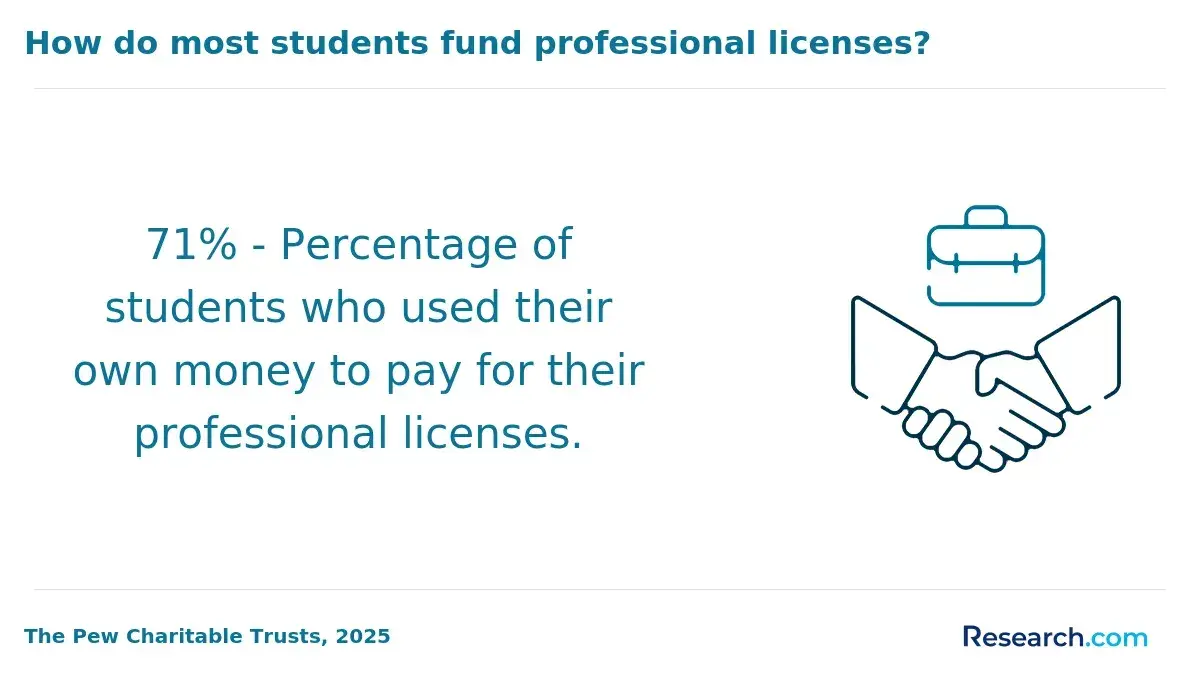
Accreditation matters most when it affects eligibility for federal aid, transfer credit, employer confidence, certification exams, or licensure. Institutional accreditation evaluates the school as a whole. Programmatic accreditation evaluates a specific program against field standards. Neither is automatically necessary for every noncredit course, but both can be decisive in regulated fields.
For degree or credit-bearing certificate programs, verify that the institution is recognized by the U.S. Department of Education and that its accreditor is recognized by the appropriate federal authority. For healthcare, check the programmatic accreditor and the state board requirements. For trades, confirm whether state approval, apprenticeship alignment, required lab hours, or exam eligibility applies. For legal studies, identify whether ABA approval is important for your intended employers.
Do not accept vague claims such as "nationally recognized" as proof of approval. Ask the school for the exact accreditor, program approval status, approval expiration date, and a written statement about licensure eligibility in your state. Licensing rules can change and are set by states, boards, and agencies - not by marketing pages.
A major red flag is a provider that promises eligibility for a license without naming the relevant state authority. Another is a fully online clinical or trade program that cannot explain where required supervised hours will occur.
What admission requirements and application steps do rolling-start programs typically have?
Rolling-start programs commonly use a shorter application process than selective degree programs, but requirements still depend on the credential. Noncredit career courses may require only identity verification, payment arrangements, and basic technology access. Credit-bearing certificates and associate degrees often require an application, official high school completion documentation or equivalent, placement information, and residency or tuition-status details.
Programs involving patients, minors, controlled substances, transportation, public safety, or clinical placements may also require background checks, drug screening, immunizations, CPR certification, physical examinations, or proof of health insurance. These requirements can create delays even when admissions are rolling.
A practical application sequence reduces last-minute surprises:
- Define the exact job, certification, or license you want before applying.
- Confirm the next course start, estimated completion window, and any deadline for orientation.
- Request a complete cost sheet covering tuition, fees, equipment, books, exams, and clinical or lab expenses.
- Verify accreditation, state authorization, and certification or licensing eligibility where relevant.
- Submit documents early enough for background checks, financial aid processing, and placement requirements.
Applicants should be cautious of schools that pressure them to enroll before answering whether the program is credit-bearing, transferable, or recognized by the employer or board they care about.
How long do online career training programs take, and what do they cost?
Completion time can range from a few weeks for narrowly focused noncredit training to about two years for an associate degree. A short timeline is valuable only if it includes the skills, practice, and eligibility requirements needed for the target role. Self-paced programs may finish quickly for students with ample study time, while clinical placement availability can extend a nominally short healthcare program.
Cost is equally variable. Tuition is only one component; equipment, software, books, uniforms, tools, background checks, certification examinations, travel, and lost work time can materially change the investment. Compare total cost against the job pathway rather than selecting the lowest advertised monthly payment.
This table shows common cost drivers and why students should request a complete estimate before committing.
| Program type | Typical time pattern | Major cost considerations | Funding considerations |
| Noncredit online career course | Weeks to several months | Course fee, software, examination voucher | May not qualify for federal student aid |
| Career-school diploma or certificate | Several months to about one year | Tuition, tools, uniforms, labs, externship costs | Eligibility depends on school and program approval |
| Community-college certificate | About one to three terms | Per-credit tuition, fees, books, transportation for labs | May be aid-eligible if part of an eligible program |
| Associate degree | About two years full time | Credits, general education, clinical or lab costs | May offer broader aid and transfer options |
For cost-sensitive learners, compare tuition policies, required fees, and program availability through resources on the cheapest tuition online college options, then confirm that a low-cost school offers the precise career training and local practical support you need.
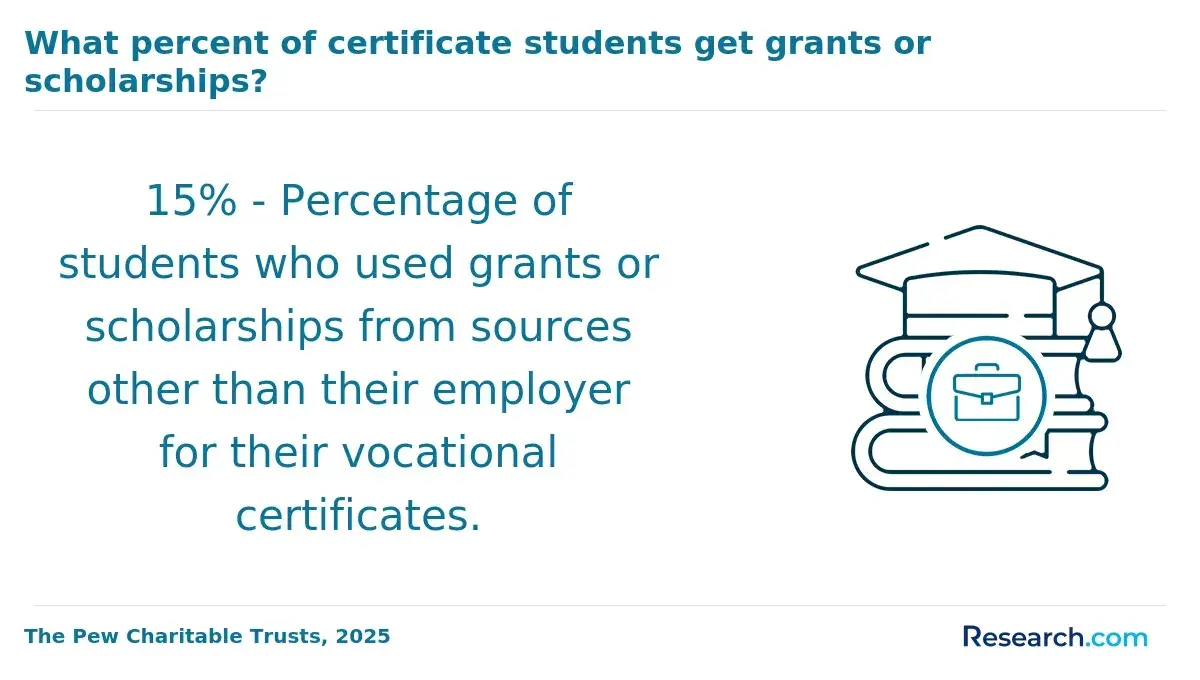
Ask whether employer tuition assistance, workforce grants, veterans' education benefits, payment plans, or scholarships apply. Do not borrow based only on projected income; use a conservative budget and investigate whether graduates actually reach the jobs the program advertises.
What curriculum, coursework, and learning formats do quality online career programs offer?
Quality online career programs organize learning around observable workplace competencies rather than only recorded lectures. Depending on the field, coursework may cover technical fundamentals, safety, documentation, ethics, customer communication, digital tools, regulations, and preparation for a separate certification examination.
A strong program makes its delivery model clear. Asynchronous lessons can help working adults manage time, while live sessions, office hours, simulations, peer critique, and instructor feedback can improve accountability. Hybrid programs should specify which requirements occur online and which require in-person attendance.
Look for a curriculum that includes these practical components when they are relevant to the occupation:
- Structured practice using the same software, tools, forms, or equipment encountered in entry-level work.
- Instructor feedback tied to defined performance standards rather than simple course completion.
- Portfolio projects, case simulations, labs, externships, or clinical experiences that demonstrate applied ability.
- Career preparation such as resume review, interview practice, job-search guidance, and explanation of employer expectations.
- Preparation for an industry certification exam only when the provider clearly states exam eligibility and any additional requirements.
Be skeptical of curricula that list only broad topics and no hours, projects, equipment, faculty qualifications, or assessment method. The ability to watch content is not the same as acquiring demonstrable job skills.
What entry-level and advanced career pathways do these programs prepare students for?
Entry-level pathways depend on the credential, local labor market, and any required supervised experience. A medical billing certificate may support applications for billing, coding support, or patient-account roles; an HVAC certificate may support technician-helper or apprentice opportunities; and a design certificate may help build a junior portfolio. An associate degree can expand preparation in fields that value broader technical and general education coursework.
Advanced progression usually requires experience, additional education, licensure, or professional certification - not simply completion of an initial online program. For example, an entry-level IT support learner may later pursue specialized vendor or industry certifications; a legal studies learner may build paralegal experience; and a trade trainee may progress through an apprenticeship toward journey-level work where state rules apply.
The best pathway is the one that matches the employer's actual hiring threshold. The following distinctions help prevent overbuying or underpreparing:
- Choose a short certificate when the role has a defined entry-level skill set and employers accept targeted training.
- Choose an associate degree when the field commonly values broader coursework, transfer potential, or eligibility for more advanced study.
- Choose an apprenticeship or employer-sponsored route when paid supervised work is required to develop trade competency.
- Choose a bachelor's or graduate route when the target role explicitly requires a higher degree, advanced license, or professional specialization.
People with criminal records should review employer screening practices, licensing restrictions, and occupation-specific policies before enrolling. Some learners may find useful planning options through best associate degrees for felons, but eligibility remains dependent on state law, licensing boards, and employer decisions.
What salary ranges and earning growth can graduates realistically expect in these fields?
Salary should be evaluated at the occupation level, not treated as an automatic result of earning a certificate. The U.S. Bureau of Labor Statistics' 2024 Occupational Employment and Wage Statistics reported national median annual wages of $61,590 for electricians, $59,810 for heating, air conditioning, and refrigeration mechanics and installers, $61,010 for paralegals and legal assistants, and $44,200 for medical assistants. These figures describe workers in the occupations, including people with varying education and experience.
The comparison below places selected career areas in context. Local wages, overtime, union coverage, specialization, licensing, and experience can produce meaningful differences from national medians.
| Career area | Example occupation | 2024 national median annual wage | Important qualification context |
| Skilled trades | Electrician | $61,590 | Typically requires apprenticeship experience and may require state licensing |
| HVAC | HVAC mechanic and installer | $59,810 | Hands-on training and refrigerant-related requirements may apply |
| Legal support | Paralegal and legal assistant | $61,010 | Employer requirements vary; a certificate may be one possible preparation route |
| Healthcare support | Medical assistant | $44,200 | Employers may prefer certification; clinical competence is important |
Higher earnings potential is not always the best immediate choice. A program may be worthwhile when its total cost, time out of work, local hiring demand, and required progression steps are manageable. Learners aiming for management or advanced specialist roles may eventually need a bachelor's degree or graduate education; compare options for an affordable master degree only after confirming that advanced study matches the role's requirements.
How can prospective students identify reputable, high-return online career training providers?
A reputable provider is transparent about what students receive, what the credential does not provide, and how practical training works. High-return does not simply mean the shortest course or the largest salary claim. It means the program has a reasonable total cost, credible alignment with the target role, support for completion, and a pathway that employers or regulators recognize.
Compare providers using evidence rather than marketing language. Request written answers to the questions that affect your personal outcome:
- What exact credential will I earn, and is it credit-bearing, noncredit, stackable, or transferable?
- What is the complete estimated cost, including fees, books, equipment, exams, and required travel?
- When can I actually begin, and what is the latest possible completion date if I need clinical placement or lab access?
- Which accreditor, licensing board, employer standard, or certification body recognizes this training, if any?
- Who arranges required labs, externships, or clinical placements, and what happens if a placement is delayed?
- What student-outcome information can the provider share, including completion, job-placement methodology, and typical job titles?
Common mistakes include enrolling because admissions are fast, assuming a certificate transfers to a degree, trusting salary claims without checking occupation requirements, and overlooking non-tuition costs. Avoid these problems by speaking with local employers, reviewing state licensing rules, and comparing at least two programs on total cost, schedule, practical training, and credential recognition.
If a provider will not put key claims in writing, cannot identify qualified instructors, or insists that you sign before seeing the full catalog and refund policy, consider that a warning sign.
Other Things You Should Know About
Not always. Rolling admissions means the school accepts applications continuously, but courses, labs, orientations, and clinical placements may still begin on set dates. Ask for the earliest realistic start date for your specific program.
They can be, particularly when the provider is accredited where relevant, the curriculum matches workplace skills, and the learner can show a portfolio, certification, clinical experience, or practical project work. Employer acceptance varies by occupation and local market.
Only if the program meets the requirements set by the relevant state board or licensing agency. Many licensed occupations require in-person clinical hours, supervised fieldwork, examinations, or apprenticeships in addition to coursework.
A certificate is usually better for a focused, faster entry route when employers accept it. An associate degree may be better when you want broader skills, potential transfer credit, or a pathway to future education. Compare the credential against the requirements of the exact job you want.
References
- The Rise of Online Career Training Programs - Master School Institute of Technology https://joinmsit.de/en/magazine/the-rise-of-online-career-training-programs/
- Advanced Career Training Programs Overview - /info/landing/online-career-training-program https://commed.smc.edu/info/landing/online-career-training-program
- Technology Schools in North Carolina - Per Scholas https://perscholas.org/locations/northcarolina/
- Finacial Aid | Payment Plans, Ignite ISA, Grants, GI Bill https://digitalworkshopcenter.com/about/financial-aid/
- 18 CTE Programs That Prepare Students for High-Growth Careers https://www.notion4teachers.com/blog/18-cte-programs-high-growth-careers
- Getting Financial Assistance for Career Training https://ccitraining.edu/blog/getting-financial-assistance-for-career-training/
- Comprehensive On-Demand Training: Foundation of Financial Aid https://www.nacacnet.org/foundations-of-financial-aid/
- Job Training Programs | VA | FastForward https://fastforwardva.org/
- Financial Aid for Adult Learners: Grants, Scholarships & How to Pay for College (2026 Guide) https://www.straighterline.com/blog/financial-aid-resources-adults
- Rolling Admissions Guide: What, When, Why? https://www.ivywise.com/blog/what-does-rolling-admissions-mean/