2027 Best Online Short Certificate Programs for Veterans

Co-Founder and Chief Data Scientist
Veterans choosing a fast online certificate need to know whether it will translate military experience into a civilian credential, qualify for VA education benefits, and meet employer or licensing expectations. The U.S. Bureau of Labor Statistics projects about 19.1 million occupational openings per year from 2023 to 2033, driven largely by replacement needs.
This guide compares practical short-program paths, explains GI Bill and accreditation checks, and helps veterans avoid paying for training that does not support their target job.
Key Things You Should Know
- Choose a short certificate only after matching it to a specific civilian role. A school certificate shows completed training, while an industry certification usually requires a separate qualifying exam.
- For GI Bill funding, confirm that the exact program and enrollment format are VA-approved; school accreditation alone does not establish benefit eligibility.
- Short programs can take weeks to about a year, but regulated roles such as nursing, law enforcement, electrical work, and HVAC may require hands-on training, state approval, an apprenticeship, or a license beyond online coursework.
Top 10 Best Online Short Certificate Programs for Veterans
Popular Trade School Programs
Veterans often consider certificates in HVAC, electrical technology, welding, construction management, automotive service, logistics, and commercial driving. Online study works best for theory-heavy topics such as estimating, safety, blueprint reading, supply chain systems, and EPA exam preparation.
Welding, electrical labs, HVAC diagnostics, and CDL driving require in-person practice or supervised testing. A short certificate can strengthen an entry-level application, but apprenticeships and state licensing rules commonly determine advancement in skilled trades. Confirm whether required labs, tools, exams, and clinical-style shop hours are included in the stated tuition.
Healthcare Programs
Common options include medical billing and coding, pharmacy technician preparation, health information technology, medical assisting, dental assisting, and patient care certificates. Billing, coding, and healthcare administration courses can be substantially online, although employers may prefer candidates who also earn a recognized certification.
Medical assisting, phlebotomy, nursing aide, and similar patient-facing paths usually require supervised clinical hours and may be governed by state rules. Veterans should verify whether a program prepares them for a specific exam, whether clinical placement is guaranteed, and whether the credential meets the requirements of employers in the state where they plan to work.
Criminal Justice / Law Programs
Short online certificates may cover homeland security, emergency management, paralegal studies, cybersecurity law, corrections, or crime analysis. These programs can help veterans translate experience in security, operations, intelligence, or administration into civilian terminology. They do not usually replace agency hiring standards, background investigations, academy training, bar-related requirements, or state-specific peace-officer certification.
A paralegal certificate may be useful for legal-support work, but it does not authorize legal practice. Prioritize programs that identify the software, writing, records-management, or compliance skills taught rather than making broad public-safety employment promises.
Arts & Design Programs
Online short certificates in graphic design, UX design, digital marketing, photography, video editing, animation, and web design can suit veterans seeking portfolio-based work. These programs are most valuable when they produce demonstrable projects using current tools and include feedback from instructors or working professionals.
A certificate is not the same as a professional license, and employers may weigh a portfolio more heavily than the provider's name. Before enrolling, review sample student work, software costs, ownership rights for completed projects, and whether the schedule supports enough time to build a job-ready portfolio.
What are online short certificate programs for veterans and how do they work?
Online short certificate programs for veterans are focused courses of study that teach a defined occupational, technical, or academic skill set in less time than an associate or bachelor's degree.
They may be credit-bearing college certificates, noncredit workforce certificates, professional certificates from training providers, or exam-preparation programs. The label alone does not tell you whether credits transfer, whether VA benefits apply, or whether employers recognize the credential.
Most programs use asynchronous modules, scheduled live classes, or a hybrid format. Veterans can commonly study around work, family, medical appointments, or reserve obligations. Programs in hands-on and regulated fields may combine online lectures with local labs, clinical rotations, externships, proctored exams, or skills assessments.
A certificate is generally the right fit when you need a targeted skill, a civilian translation of existing military experience, or a lower-commitment way to test a career field. It may be the wrong fit when the target role legally requires a degree, license, apprenticeship, extensive clinical training, or a certification that has separate experience prerequisites.
Before comparing providers, identify which outcome you actually need:
- A school-issued certificate for completing a curriculum.
- An industry certification earned from an independent organization after meeting its exam or experience standards.
- A state-issued license or registration for regulated work.
- A degree pathway with credits that can stack into a longer credential.
How do online short certificate programs compare to campus options for veterans?
Online programs usually offer greater schedule control and may reduce commuting, housing, and relocation costs. Campus options provide easier access to labs, equipment, instructors, peer networks, and required supervised practice. The better format depends on the occupation, not simply personal preference.
This comparison highlights the practical trade-off veterans should evaluate before using education benefits or personal funds.
| Decision factor | Fully online certificate | Campus or hybrid certificate |
| Best fit | IT, project coordination, billing, logistics, design, compliance | Trades, clinical care, driving, lab-based technical work |
| Schedule | Often asynchronous or evening-friendly | Fixed lab, clinical, shop, or cohort times are common |
| Hands-on learning | May use simulations, home kits, or local placements | Direct access to equipment and supervised practice |
| Networking | Requires deliberate use of virtual career services | Often easier through instructors, employers, and classmates |
| Geographic limits | Can still have state restrictions, proctoring, or placement requirements | Usually serves a local licensing and employer market |
For veterans whose goal is a degree rather than a short skills credential, an online associates degree may offer broader general education and transfer options. It is usually a larger time and benefit commitment, so compare the target job's actual entry requirements first.
What accreditation and GI Bill eligibility should veterans look for in certificate programs?
Accreditation and VA approval answer different questions. Institutional accreditation indicates that a college meets standards reviewed by a recognized accreditor. Programmatic accreditation may matter in fields such as healthcare, legal studies, or technical education. VA approval determines whether an eligible student can generally use GI Bill benefits for a particular program; approval can vary by campus, location, modality, and program.
Do not rely on a school's marketing language or a recruiter's verbal statement. Ask the school certifying official to confirm the exact certificate's VA status in writing and ask whether all required courses, labs, fees, and repeated courses are covered under your benefit situation. Veterans using Post-9/11 GI Bill benefits should also understand that housing payments can depend on enrollment rate and course modality.
Use these checks to separate credible programs from weak offerings:
- Verify the institution's accreditor through official federal or accreditor records when the provider is a college.
- Confirm the precise program is approved for VA education benefits before enrollment and before changing formats.
- Ask whether the certificate is credit-bearing, whether credits have a transfer policy, and whether it stacks into a degree.
- For career licenses or exams, confirm program approval directly with the relevant state board or credentialing organization.
- Request the complete cost of tuition, mandatory fees, equipment, exams, travel, labs, and externships.
What admission requirements and military service documentation do veterans typically need?
Admissions requirements vary sharply by provider. A noncredit professional certificate may require only an application and payment. A community-college certificate may require a high school diploma or equivalent, placement steps, residency information, and prerequisites. Advanced technology or healthcare programs may require prior coursework, background checks, immunizations, drug screening, or proof of professional experience.
Military documentation is usually relevant to benefit certification, transfer-credit review, or prior-learning evaluation rather than admission alone. Keep a copy of your DD Form 214, Joint Services Transcript, military training records, and any civilian certifications. The school decides whether it awards academic credit, and an employer or licensing board may make a separate determination about experience.
Reducing upfront application friction can be useful while you compare eligible options. Some veterans begin with an online college no application fee option, then compare the program's benefit approval, support services, and occupational fit rather than choosing solely on convenience.
Before submitting documents, complete this sequence:
- Write down the exact job title, state, and employer type you are targeting.
- Check whether that role requires a license, certification examination, degree, clearance, or supervised hours.
- Ask the admissions office which prerequisites apply to the specific certificate, not the institution generally.
- Send military records early if you want a transfer-credit or prior-learning review.
- Meet the school certifying official before the term begins to understand your VA enrollment steps.
How long do online short certificate programs for veterans take and what do they cost?
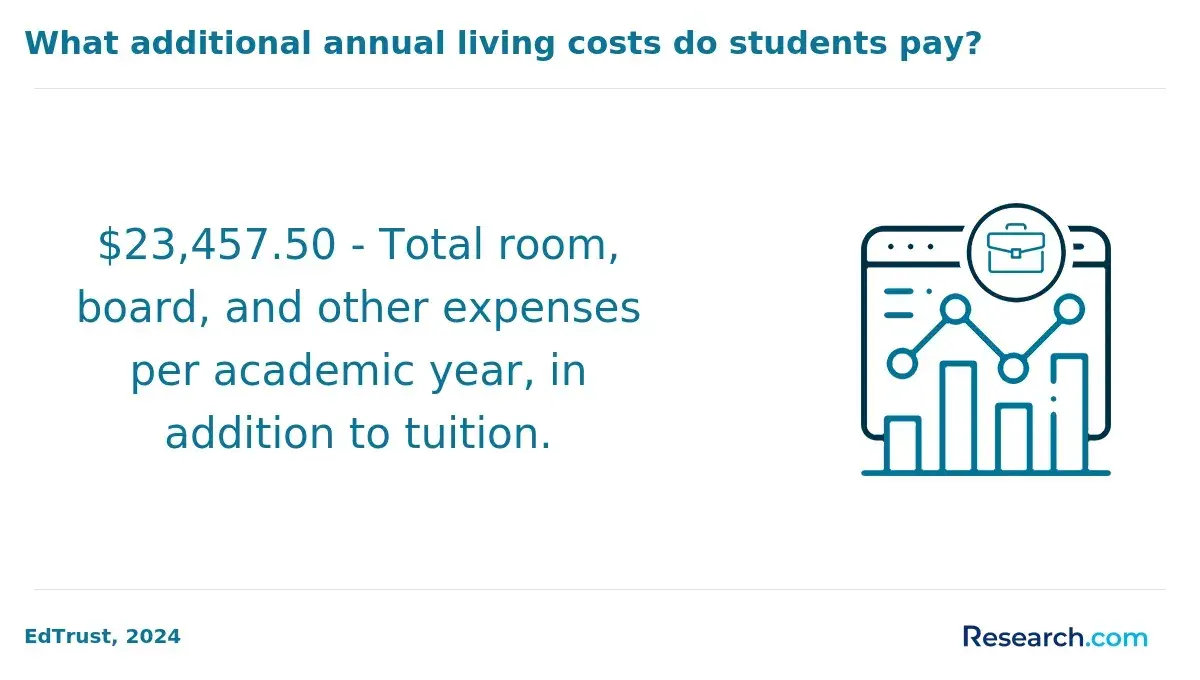
Short online certificates range from brief exam-preparation courses lasting a few weeks to college certificates lasting two or three terms. A realistic timeline depends on course load, prerequisite completion, required clinical or lab hours, and whether the program uses a cohort schedule. "Self-paced" does not always mean you can finish immediately; proctored assessments and placement requirements can create fixed milestones.
Total cost is more than advertised tuition. A low-price program may exclude a certification exam, software, tools, textbooks, background check, liability coverage, travel, or required in-person sessions. Conversely, a higher-cost credit-bearing certificate may be worthwhile if it has transferable coursework and clear VA eligibility.
The following cost categories help veterans compare offers on an equal basis rather than focusing on a single tuition figure.
| Cost category | Why it matters | Question to ask |
| Tuition and institutional fees | May vary by residency, delivery mode, and credit load | What is the all-in charge for the full certificate? |
| Equipment and software | Technical, design, and trade programs may require specific tools | Which items are mandatory, and can I use employer-issued equipment? |
| Exams and licensing | Completion may not include a required third-party exam | Is the exam fee included, and am I eligible to sit for it? |
| Travel and placement | Labs, clinicals, and testing sites can create local expenses | Where are required in-person activities held? |
| Opportunity cost | Course workload can affect work hours and benefit planning | How many study and attendance hours are expected weekly? |
Veterans planning a longer academic progression should compare short certificates with a 6 month masters degree only when they already meet graduate admission requirements and the occupation values graduate-level study. A fast graduate option is not a substitute for entry-level technical training or a required license.
What career paths and civilian job roles can veteran-focused certificate programs support?
Veteran-focused certificate programs are not a distinct employment category; they are programs designed to make training accessible to veterans or to recognize military experience. Their value comes from how well the curriculum maps to a civilian role, the local labor market, and any required credential.
Translate military duties into plain-language skills such as equipment maintenance, incident response, team supervision, logistics coordination, records control, patient support, or information security.
These examples show how a certificate can support a transition, while also clarifying when additional requirements are likely.
| Certificate focus | Potential civilian roles | Important limitation |
| IT support or cybersecurity | Help desk technician, desktop support specialist, junior security analyst | Employers may require a separate certification, portfolio, clearance, or experience. |
| Logistics or supply chain | Logistics coordinator, inventory specialist, dispatch or operations support | Senior management roles commonly require progressive experience or a degree. |
| Medical billing and coding | Billing specialist, claims support, coding support | Employers may prefer an industry certification and relevant coding experience. |
| Skilled trades | Apprentice, technician helper, maintenance trainee | Licensure and journey-level status generally require hands-on hours and state-specific steps. |
| Project management | Project coordinator, operations coordinator, administrative project support | A certificate alone may not meet experience requirements for advanced certifications. |
If your objective is leadership, research, university teaching, or a profession that expects doctoral preparation, review affordable online doctoral programs as a separate long-term pathway. It should not be treated as a quick alternative to a job-specific certificate.
What salary ranges and earning potential are common after completing these certificates?
Earnings depend on the occupation, location, work experience, credentials, shift schedules, and employer, not merely on possession of a certificate. Use occupational wage data as a labor-market benchmark, then check local job postings to see which requirements recur.
For example, the U.S. Bureau of Labor Statistics reported a national median annual wage of $61,550 for computer user support specialists in May 2024. That figure describes workers in the occupation, including people with varied education and experience; an IT support certificate may help prepare for entry-level opportunities but does not ensure access to that median wage.
Short certificates tend to have the clearest economic case when they lead to a role with identifiable entry requirements, affordable total costs, and a plausible advancement route. Be cautious with programs that cite high salaries without naming the occupation, geographic area, experience level, or additional credentials associated with those earnings.
To assess potential return on investment, compare your target occupation's local pay range with the following:
- The complete program cost, including required exams and equipment.
- Time away from paid work, commuting, clinicals, or apprenticeship obligations.
- The number of local employers that explicitly request the skill or credential.
- Whether the certificate can lead to additional credits, certifications, or higher-responsibility roles.
How do certificate programs align with licensing or industry certification requirements for veterans?
A certificate program may prepare you for a certification or license, but it does not automatically award either one. Industry certifications are typically issued by independent professional bodies after candidates meet standards and pass an assessment.
Licenses are granted by state agencies or boards and can require approved education, supervised practice, examinations, background checks, and continuing education.
This distinction is especially important for veterans moving into healthcare, IT, transportation, public safety, construction, and legal-support work. A program that says it is "aligned with" an exam may cover relevant topics without meeting the exam organization's eligibility rules. Likewise, an online curriculum may be educationally sound but still fail to satisfy a state's mandated in-person hours.
Ask the provider for the exact name of each exam or license the program is designed to support. Then independently verify eligibility, testing costs, passing standards, renewal obligations, state restrictions, and whether military experience can count toward any experience requirement.
Do this before using GI Bill benefits, because changing programs after discovering a licensing mismatch can consume time and remaining entitlement.
How can veterans evaluate and choose a reputable online short certificate program?
A reputable online short certificate is transparent about what students earn, what they can do next, what it costs, and what the program does not guarantee. The best choice is usually the shortest credible program that meets your target employer's or licensing authority's actual requirement, not necessarily the fastest advertised program.
Compare finalists using the same decision criteria. This reduces the risk of choosing a program based on a vague promise, a countdown discount, or a broad claim of military friendliness.
| What to evaluate | Strong sign | Red flag |
| Career connection | Named job roles, skill outcomes, and local employer relevance | Claims of "high-paying careers" without job titles or requirements |
| Credential clarity | States whether the award is academic credit, noncredit training, exam preparation, or certification | Uses certificate and certification as if they mean the same thing |
| Costs | Published full-cost estimate and written refund policy | Tuition quote excludes recurring or mandatory charges |
| VA support | Knowledgeable school certifying official and written program-specific information | Unverified statements that "the GI Bill covers everything" |
| Practical requirements | Clear plan for labs, clinicals, equipment, and proctored exams | Unclear language about required in-person work |
Take these practical steps before enrolling:
- Collect five to 10 current job postings for your intended role and list repeated requirements.
- Compare each program's curriculum against those requirements and against any state licensing rules.
- Request a written all-in cost estimate and a weekly workload estimate.
- Confirm VA approval and enrollment procedures for the exact program and delivery format.
- Ask about withdrawal, leave-of-absence, transfer-credit, and complaint-resolution policies before signing an enrollment agreement.
Walk away if a provider pressures you to enroll immediately, will not identify its credential issuer, cannot explain exam or license eligibility, or promises employment or a salary. A legitimate program welcomes careful questions and documents its answers.
Other Things You Should Know About the Best Online Short Certificate Programs
Possibly. Eligibility depends on your benefit, the school, and approval of the specific program and format. Confirm details with the school certifying official before enrolling; do not assume every online certificate qualifies.
They can be worthwhile when the certificate teaches skills requested for a specific role and has a credible provider, clear total cost, and an appropriate path to any required exam or license. They are less useful when the target occupation requires a degree, apprenticeship, or extensive supervised practice.
Some colleges evaluate Joint Services Transcripts and military training for transfer or prior-learning credit, but policies vary. Submit records early and get the credit decision in writing. Credit acceptance does not automatically satisfy civilian licensing or employer requirements.
Short noncredit courses and exam-preparation programs can take only weeks, while credit-bearing certificates often take one or more terms. The fastest option is not always best: select a timeline that still includes the labs, clinicals, proctoring, or exam eligibility required for your intended job.
References
- Military Veterans Want You to Consider Certificate Programs https://www.educationandcareernews.com/certificate-careers/military-veterans-want-you-to-consider-certificate-programs/
- 2025 Best Military-Friendly Online Colleges https://www.onlineu.com/online-schools/military-friendly
- Military Transition Programs For Veterans | VTS Nonprofit https://veteranstransitionsupport.org/no-cost-coursera/
- Top Online Degree Programs: Veterans U.S. Veterans Magazine https://usveteransmagazine.com/usvm/top-online-degree-programs-for-veterans/
- IT Support Certificate - Student Veterans of America® https://studentveterans.org/success-hub/career-center/professional-development-series/information-technology-support-certificate/
- Free Online Courses for Veterans & Certifications for Military Spouses https://careerrecon.com/free-online-courses-certifications-veterans-military-spouses/
- Job Board Is Unavailable https://hireveterans.com/blog/free-certifications-for-military-spouses-flexible-career-paths-you-can-start-today/
- Cybersecurity Career Guide for Veterans | Skills, Jobs, and Training https://www.cyberdegrees.org/resources/careers-for-vets/
- Online Certifications for Veterans https://ibcces.org/veterans/