2027 Best Online Non-Degree Programs for Parents

Co-Founder and Chief Data Scientist
Parents weighing school against childcare, work shifts, and household costs need training that produces usable skills without an unrealistic schedule. Online non-degree programs include academic certificates, workforce certificates, bootcamps, and industry-focused training; they are not all equal in employer recognition or licensure value.
For context, the U.S. Bureau of Labor Statistics reported a $44,200 median annual wage for medical assistants in May 2024. This guide helps parents compare flexible program types, verify quality, estimate total costs, and select a path that fits family life and career goals.
Key Things You Should Know
- Choose asynchronous or mostly asynchronous programs when childcare is unpredictable; confirm whether labs, clinicals, exams, or live sessions still require fixed attendance.
- Program cost can range from low-cost noncredit training to college certificates with tuition and fees; the maximum Federal Pell Grant for the 2024-25 award year was $7,395, but eligibility generally applies only to qualifying credit-bearing programs.
- A certificate shows completion of education, while a professional certification usually requires a separate exam or experience standard; verify which credential employers or state licensing boards actually require before paying.
Top 10 Best Online Non-Degree Programs for Parents
Popular Trade School Programs
Online trade training works best for theory-heavy preparation, not hands-on skill replacement. Common options include HVAC fundamentals certificates, electrical technology certificates, welding theory courses, construction management certificates, and automotive service coursework. Many programs lead to a school-issued certificate rather than a state license or industry certification.
Electrician and HVAC careers commonly require supervised field training, apprenticeships, and state-specific licensing steps. Parents seeking a faster entry route should prioritize programs that clearly arrange local labs, employer partnerships, or apprenticeship connections instead of relying on fully online instruction alone.
Healthcare Programs
Healthcare options include medical billing and coding certificates, pharmacy technician certificates, medical assistant certificates, health information technology certificates, and associate degrees in fields such as nursing or radiologic technology. Billing and coding can be largely online, although employers may prefer recognized coding certifications.
Medical assisting, nursing, and imaging programs usually require in-person labs and clinical placements. A program certificate does not automatically confer a license or national certification. Parents should confirm clinical-hour scheduling, background-check requirements, vaccination policies, and whether the curriculum meets their state's rules before enrolling.
Criminal Justice / Law Programs
Relevant choices include criminal justice certificates, legal studies certificates, paralegal certificates, court reporting training, and associate degrees in criminal justice. Online criminal justice programs can build knowledge of policing, corrections, courts, and public policy, but they do not qualify a graduate to become a sworn officer.
Paralegal programs are more career-specific; some employers favor programs approved by the American Bar Association, though approval is not universally required. Parents should distinguish legal-support training from law school preparation and check whether local employers expect prior office experience, software skills, or a degree.
Arts & Design Programs
Online arts and design choices include graphic design certificates, UX/UI bootcamps, digital marketing certificates, web design certificates, photography programs, and associate degrees in graphic or multimedia design. These programs are often portfolio-driven: completed projects can matter as much as the credential.
Parents should favor curricula with instructor feedback, accessible design tools, portfolio reviews, and realistic client-style assignments. A short program can build entry-level freelance or junior-design skills, but it may not replace the broader portfolio and technical foundation gained through a degree. Confirm software costs and ownership rights for portfolio work.
What types of online non-degree programs work best for busy parents?
For busy parents, the best online non-degree program is usually one with predictable weekly workload, recorded instruction, short modules, and a clear connection to a target job. "Online" does not always mean self-paced: cohort bootcamps may require evening attendance, while healthcare programs may require daytime clinicals.
This comparison helps match delivery format to family constraints rather than selecting solely by advertised speed.
| Program format | Best fit | Main trade-off |
| Self-paced noncredit certificate | Parents with changing childcare or shift-work schedules | May provide less instructor support and limited employer recognition |
| Asynchronous college certificate | Parents seeking academic credit and structured deadlines | Terms, proctored exams, and financial-aid rules may apply |
| Part-time cohort program | Parents who benefit from accountability and peer support | Fixed live meetings can conflict with family emergencies |
| Hybrid clinical or lab program | Parents pursuing regulated or hands-on fields | In-person requirements reduce schedule flexibility |
Parents who need maximum control over pacing can compare best online self-paced colleges, while still checking whether a desired credential has mandatory deadlines or attendance.
How do online non-degree programs compare with campus options for parents?
Online study can reduce commuting and make it easier to work around naps, school pickup, and evening routines. Campus programs can be better when a field depends on equipment, supervised practice, networking, or immediate faculty access. The strongest choice depends on the occupation, not a general preference for remote learning.
The comparison below highlights the practical differences parents should evaluate before committing.
| Decision factor | Online option | Campus option |
| Scheduling | Often flexible, especially in asynchronous courses | Usually fixed class and lab times |
| Hands-on learning | May use simulations, kits, or local placements | Direct access to labs, equipment, and supervised practice |
| Childcare pressure | Lower for recorded coursework, but not for required live sessions | Higher because travel and class attendance are fixed |
| Networking | Requires deliberate use of virtual events and career services | Often easier through classmates, instructors, and local employers |
For parents considering a bigger academic commitment after a short credential, a 1 year bachelor degree online may be worth comparing only if prior credits and transfer policies make the timeline realistic.
What accreditation and quality standards should parent-focused programs meet?
Quality standards depend on what the program promises. A credit-bearing college certificate should be offered by an institution recognized by an accreditor accepted by the U.S. Department of Education or the Council for Higher Education Accreditation. A noncredit workforce program may not need institutional accreditation, but it should disclose its provider, instructor qualifications, curriculum, refund policy, student support, and employer relevance.
Programs tied to regulated occupations need closer review. Nursing, medical imaging, dental assisting, and similar pathways may require programmatic accreditation, board approval, clinical hours, or eligibility for a licensing examination. Ask the school for written confirmation that the specific online or hybrid track meets requirements in your state; do not rely on a general statement that the institution is accredited.
Red flags include vague job-placement claims, pressure to enroll immediately, undisclosed equipment charges, no explanation of practical training, and language implying that a completion certificate automatically creates licensure eligibility.
Which online certificates and bootcamps lead to strong family-friendly careers?
Family-friendly careers tend to offer either remote-capable tasks, predictable shifts, or pathways that can start with focused training. Strong options depend on local hiring, prior experience, and whether the credential is recognized by employers.
The following programs can be practical starting points, but each has a different threshold for entry and advancement.
| Program type | Possible entry path | Important limitation |
| Medical billing and coding certificate | Billing support, coding support, claims processing | Employers may prefer experience or an industry certification |
| IT support certificate | Help desk or technical support roles | Hands-on troubleshooting and certification preparation can matter |
| Bookkeeping certificate | Accounts payable, payroll, or small-business support | Software proficiency and experience strongly affect opportunities |
| Digital marketing certificate | Content, email, social media, or campaign support | A portfolio and measurable results are often expected |
Parents comparing faster routes can explore online programs that pay well, but should separate occupational wage data from claims about what any one certificate holder will earn.
What admission requirements do online non-degree programs typically have for adults?
Admissions requirements vary by provider and credential type. Many noncredit certificates and bootcamps use a simple registration process and may require only age eligibility, payment arrangements, and basic computer access. Credit-bearing college certificates commonly require an application, transcripts, placement steps, and proof of high school completion or its equivalent. Graduate certificates normally require a bachelor's degree.
Career-specific programs can add requirements because of the work setting. Healthcare programs may require immunizations, drug screening, background checks, CPR training, placement testing, or prerequisites. Technology programs may recommend basic math or computer skills but often do not require a degree. Parents should ask whether requirements must be completed before enrollment, before a practicum, or before graduation, since timing can affect childcare and work planning.
How long do parent-friendly online certificates take and what do they cost?
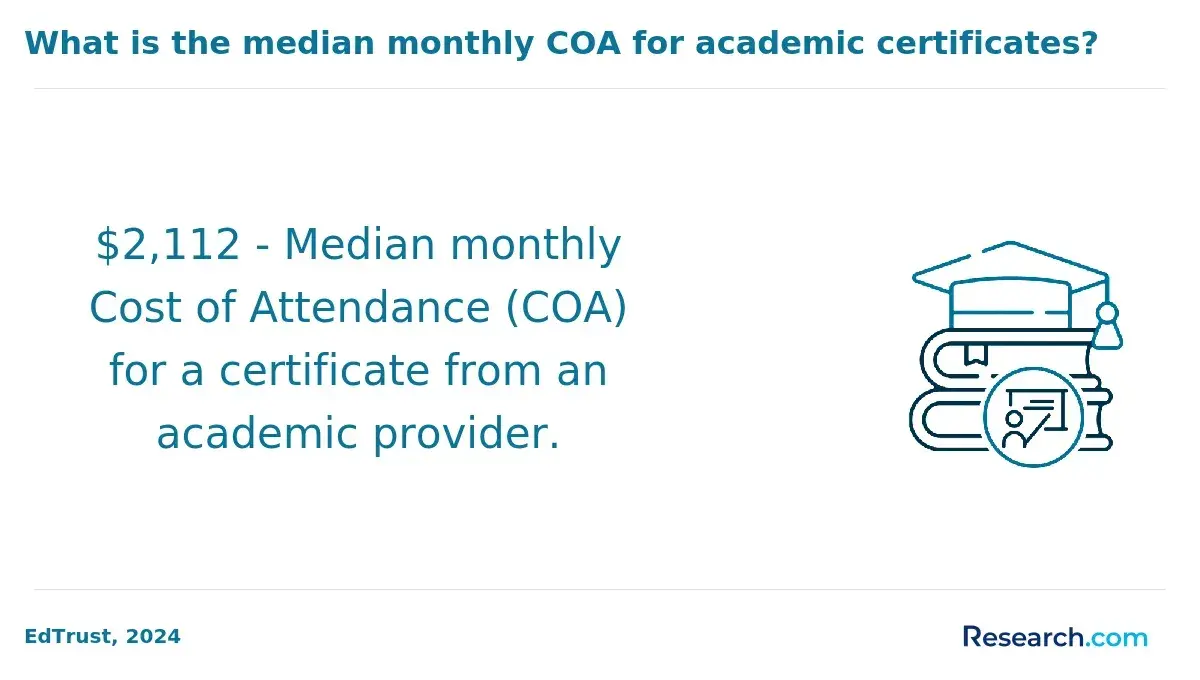
Parent-friendly online certificates can take from a few weeks to roughly one year, depending on the credential, course load, and required practice. Noncredit programs and vendor certificates are often shorter; credit-bearing college certificates commonly follow academic terms and may take longer when taken part time. Programs involving clinicals, labs, or internships can extend beyond the online coursework timeline.
Total cost is more than tuition. Before comparing programs, identify the full out-of-pocket commitment.
- Tuition or subscription charges, including whether the quoted price covers all courses
- Application, technology, proctoring, graduation, and payment-plan fees
- Required software, textbooks, kits, uniforms, tools, and professional supplies
- Exam fees for a separate industry certification or state licensing process
- Travel, parking, childcare, and lost work time for labs, clinicals, or externships
Credit-bearing programs at eligible schools may support federal aid for qualifying students, while most short noncredit programs do not. Employer tuition assistance, workforce-agency funding, scholarships, and payment plans can reduce upfront cost, but parents should compare repayment obligations and refund rules first.
What coursework and skills do top online non-degree programs for parents teach?
Top online non-degree programs teach job-specific skills while also building the habits employers expect: communication, documentation, problem solving, digital fluency, and responsible use of technology. The right curriculum should show exactly what learners will produce or practice, not just broad course titles.
Parents can use this skill map to test whether a program aligns with the work they want to do.
| Career area | Core coursework | Evidence of readiness |
| Healthcare administration | Medical terminology, coding systems, privacy, claims workflows | Accurate coding exercises and workflow projects |
| IT support | Operating systems, networking basics, troubleshooting, security fundamentals | Documented troubleshooting labs and ticket simulations |
| Bookkeeping | Financial records, payroll concepts, spreadsheets, accounting software | Completed reconciliations and sample financial reports |
| Digital design | Design principles, user research, typography, design software | A polished portfolio with explained design decisions |
AI tools are changing entry-level tasks in marketing, design, administration, and technology. Favor programs that teach verification, privacy, prompt literacy, and ethical tool use alongside foundational skills, rather than programs that present AI as a substitute for judgment or subject knowledge.
What salaries and job outcomes can parents expect after these programs?
Job outcomes depend on the occupation, local demand, work history, portfolio quality, licensing rules, and employer requirements. A short program can improve readiness for an entry-level role, but it does not guarantee hiring or establish the wage for an occupation. Use federal occupational data as a market reference, not as a promise about certificate outcomes.
These May 2024 U.S. Bureau of Labor Statistics median annual wages provide useful context for several roles associated with common program areas.
| Occupation | Median annual wage | Credential caution |
| Medical assistants | $44,200 | Employers and states may expect approved training, certification, or clinical preparation |
| Paralegals and legal assistants | $61,010 | Many employers prefer a degree or a substantive paralegal credential |
| Graphic designers | $61,300 | Portfolio strength and experience are central to hiring |
| Electricians | $62,350 | Typically requires apprenticeship hours and state licensing, not online study alone |
For a realistic return-on-investment estimate, compare local job postings with the program's total cost, likely schedule, required follow-on credentials, and the time needed to build experience. Parents seeking a broader pivot may also compare accelerated career programs with a standalone certificate.
How can parents choose reputable online programs that fit childcare and work schedules?
Choose a program only after testing it against your actual week, including school closures, commute time, backup childcare, and work peaks. The best option is not necessarily the shortest; it is the one you can complete while meeting the requirements for your intended role.
Use these steps to narrow choices and avoid costly enrollment mistakes.
- Define one target job and review local postings to identify the credential, software, experience, and license employers request.
- Confirm the exact credential awarded and whether it is a school certificate, academic certificate, industry certification preparation course, or noncredit training.
- Request a written schedule showing live sessions, deadlines, proctored exams, labs, clinicals, internships, and expected weekly study hours.
- Calculate total cost, including exams, supplies, travel, childcare, and any income lost during required placements.
- Verify institutional accreditation, program approval, certification-exam eligibility, and state licensure alignment when the field is regulated.
- Ask for completion, employment, and support information, then treat outcomes as context rather than a guarantee.
Avoid enrolling because a program claims to be "fully online" without checking practical requirements. Also avoid assuming credits will transfer, a bootcamp qualifies for aid, or a certificate alone replaces an apprenticeship, portfolio, certification exam, or license.
Other Things You Should Know About
Yes, especially with asynchronous courses, but completion depends on realistic weekly study time and any fixed labs, exams, or clinical placements. Part-time enrollment is often more sustainable than an accelerated schedule.
Some credit-bearing certificates at eligible institutions can qualify for federal aid if the student and program meet requirements. Many noncredit certificates, bootcamps, and subscription courses do not qualify, so confirm aid eligibility directly with the provider.
It can help for some entry-level roles, particularly when paired with a portfolio, relevant software skills, or prior experience. Regulated and hands-on occupations may require additional supervised training, certification, apprenticeship hours, or state licensure.
A mostly asynchronous program with recorded lessons, clear weekly deadlines, responsive support, and no surprise attendance requirements is usually the safest fit. Confirm the schedule for exams and practical components before paying a deposit.
References
- Expanding Access: Affordable Tutoring Options for Low-Income Families https://www.bizstim.com/news/article/expanding-access-affordable-tutoring-options-for-low-income-families
- Proven Ways to Support Student Parents College Success - Campus Mind https://www.campusmind.org/support-student-parents-college/
- How to Pay for College Without Parents: A Comprehensive Guide | First Bank & Trust Company https://www.firstbank.com/resources/learning-center/how-to-pay-for-college-without-parents-a-comprehensive-guide/
- For Student Parents, The Biggest Hurdles to A Higher Education are Costs and Finding Child Care https://edtrust.org/rti/for-student-parents-the-biggest-hurdles-to-a-higher-education-are-costs-and-finding-child-care/
- How America Pays for College 2025 https://www.salliemae.com/about/leading-research/how-america-pays-for-college/
- Non-Traditional Student Management: Essential Strategies for Supporting Today's Diverse Learners https://moderncampus.com/blog/traditional-vs-non-traditional-students.html
- Quality Online School Programs for Busy Parents https://advantagesschool.com/quality-online-school-programs-for-busy-parents/
- Community-Based Parent Support Programs | Encyclopedia on Early Childhood Development https://www.child-encyclopedia.com/parenting-skills/according-experts/community-based-parent-support-programs
- How Do Parents Pay for Their Kids College? | Ascent Funding https://www.ascentfunding.com/blog/parents-guide-to-paying-for-childs-college/
- Flexible online colleges https://www.gatewayunj.org/student-stories/flexible-college-programs-making-it-possible-to-earn-your-degree-on-your-schedule