2027 Best Certificate Programs That Pay Well

Co-Founder and Chief Data Scientist
A short program is only a smart investment if it matches the job's actual entry requirements. Certificate programs can build focused, job-ready skills in months rather than years, but some careers also require a license, apprenticeship, degree, or industry exam. The U.S. Bureau of Labor Statistics reports that elevator and escalator installers and repairers had a $106,580 median annual wage in May 2024.
This guide compares certificate paths, realistic career outcomes, costs, and red flags so you can choose training with a clear return on time and money.
Key Things You Should Know
- High-paying certificate pathways are usually tied to regulated healthcare roles, skilled trades with paid apprenticeships, or technical occupations; a certificate alone does not automatically qualify someone for every job listed.
- For pay potential, BLS reported a May 2024 median annual wage of $106,580 for elevator and escalator installers and repairers, though this occupation commonly requires an apprenticeship and state licensing rather than a classroom certificate alone.
- Prioritize programs that disclose total cost, required exams and tools, accreditation or licensing eligibility, and local job requirements before you enroll.
Top 10 Best Certificate Programs That Pay Well
Popular Trade School Programs
Trade certificates prepare learners for hands-on work in construction, repair, manufacturing, and transportation. Popular options include HVAC/R, electrical technology, welding, diesel technology, plumbing, automotive service, and industrial maintenance. Many take several months to a year; associate degrees usually take about two years and may provide broader technical coursework. Apprenticeships can be a stronger alternative for electricians, plumbers, and elevator mechanics because they combine paid work with supervised training. Confirm whether a school certificate meets local licensing or apprenticeship-entry requirements before paying tuition.
Healthcare Programs
Healthcare certificates include medical assisting, dental assisting, pharmacy technology, practical nursing, surgical technology, phlebotomy, medical billing and coding, and diagnostic medical sonography. Completion time ranges from weeks for phlebotomy training to about one year for many clinical certificates; sonography is often an associate-degree path. Clinical programs commonly require immunizations, background checks, drug screening, CPR training, and supervised placements. Programmatic accreditation and state approval matter most when graduates need eligibility for a licensing or certification examination.
Criminal Justice / Law Programs
Certificate and associate programs in paralegal studies, legal assisting, criminal justice, homeland security, and cybersecurity can support entry-level administrative, investigative-support, compliance, or public-safety careers. A paralegal certificate is often intended for people who already hold an associate or bachelor's degree, while an associate degree can suit new college students. These programs do not qualify graduates to practice law or become police officers automatically. Hiring agencies may impose separate physical, background, academy, citizenship, and state-specific requirements.
Arts & Design Programs
Graphic design, web design, digital media, UX design, photography, animation, and drafting certificates can help learners build a portfolio quickly. Associate degrees generally add broader design, software, and general-education coursework. Employers often evaluate demonstrable work as closely as the credential, so students should choose programs with portfolio reviews, current software, and project-based assignments. These fields can be competitive and increasingly affected by AI-enabled production tools; a focused specialty, client communication skills, and a strong portfolio may matter more than completing a generic design certificate.
Which certificate programs lead to the highest salaries?
The highest-paying options are usually not simply the shortest programs. They tend to combine technical skill, safety responsibility, licensing, and experience requirements. The following May 2024 BLS wage figures describe the occupations, not the typical earnings of every certificate holder.
| Career path | Typical training route | May 2024 median annual wage | Important limitation |
| Elevator and escalator installer and repairer | Apprenticeship; trade coursework may help | $106,580 | Most workers complete an apprenticeship, and many states require licensing. |
| Radiation therapist | Accredited associate degree or certificate for qualified applicants | $101,990 | State licensure and professional certification requirements vary. |
| Dental hygienist | Accredited associate degree is typical | $94,260 | A short dental assisting certificate is not a substitute for hygienist education and licensure. |
| Diagnostic medical sonographer | Certificate or associate degree, depending on prior education | $89,340 | Employers frequently prefer recognized credentialing and clinical training. |
These paths make sense for students willing to meet clinical, licensing, or apprenticeship obligations. If your priority is rapid entry with lower upfront cost, medical assisting, HVAC, welding, and IT support can be more accessible but generally have lower occupational median wages. Learners comparing shorter options can also explore fast online degrees when a degree-level credential better matches the target role.
Which certificate programs have the best job outlook?
Strong job outlook can signal demand, but it should not replace a local job search. BLS projections below cover 2024-2034 and describe expected occupational employment growth nationwide; openings and hiring standards can differ substantially by region.
| Occupation | Projected employment growth, 2024-2034 | Relevant education route | How to use the outlook |
| Wind turbine service technician | 50% | Postsecondary nondegree award or associate degree | Excellent growth, but jobs may require travel, heights, and location flexibility. |
| Solar photovoltaic installer | 42% | Certificate, employer training, or apprenticeship | Consider local construction demand and safety training requirements. |
| Diagnostic medical sonographer | 13% | Accredited certificate or associate degree | Clinical placements and employer credential preferences are central. |
| Medical assistant | 12% | Certificate or diploma | Verify that local employers recognize the program and desired certification exam. |
| HVAC mechanic and installer | 8% | Certificate, apprenticeship, or associate degree | EPA refrigerant certification is important for work involving regulated refrigerants. |
Growth is most useful when paired with local evidence. Search job postings within commuting distance, note required credentials, and ask each school where students complete clinicals or apprenticeships. A fast-growing field is a poor fit if the program does not lead to the credentials local employers request.
How do you choose an accredited certificate program?
Accreditation is not one universal label. Institutional accreditation evaluates a college as a whole, while programmatic accreditation evaluates specific programs in fields such as nursing, sonography, dental hygiene, or surgical technology. For regulated careers, approval by the relevant state board may be equally important.
Use these steps to verify that a certificate supports your intended next step:
- Identify the exact job title, state, and employer type you want to pursue.
- Read job postings to identify required licenses, certifications, clinical hours, software, or apprenticeship eligibility.
- Confirm the institution's accreditation status through the accreditor and verify programmatic accreditation when the occupation requires it.
- Ask the state licensing board whether graduates of the specific program are eligible for the required examination or license.
- Request written information on total charges, completion requirements, clinical placement policy, exam pass rates where available, and refund terms.
Red flags include vague claims of "national accreditation," promises of guaranteed jobs or salaries, missing clinical-placement details, and pressure to enroll before you receive a catalog or written cost estimate. Accreditation alone does not prove a program is right for every career, and a reputable noncredit provider may be useful for a nonregulated skill; the key is whether employers and licensing bodies recognize the training.
Are online certificate programs worth it?
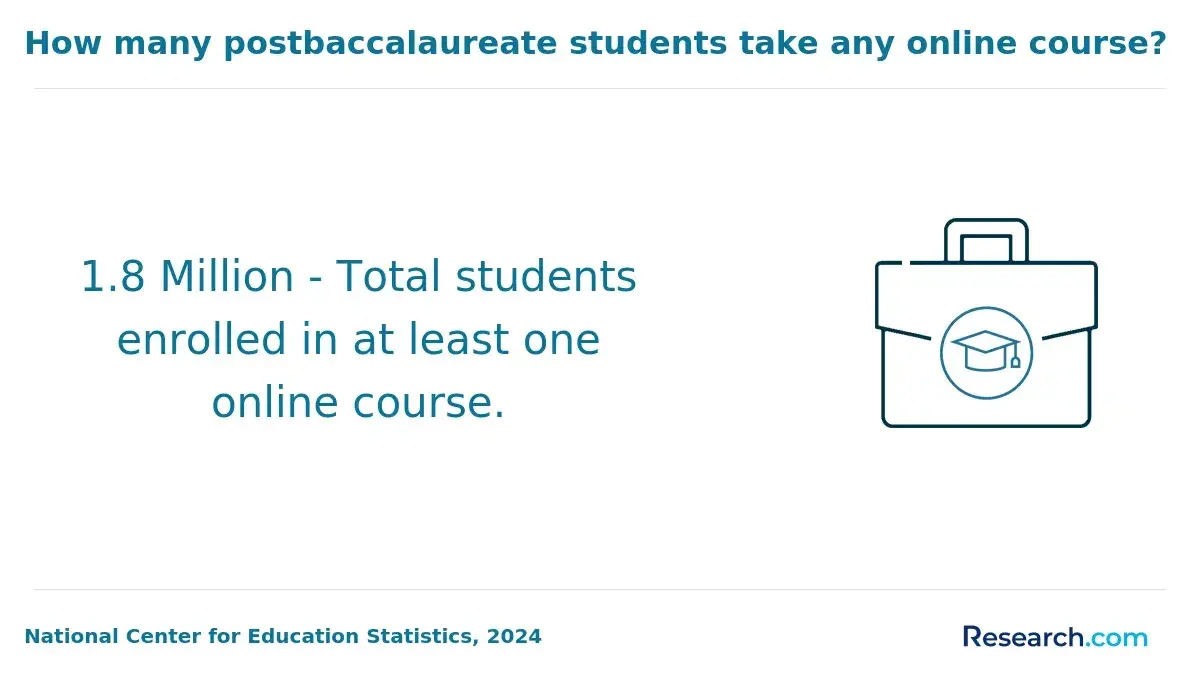
Online certificate programs can be worth it when the target job accepts online theory coursework and the provider offers credible assessment, instructor support, and recognized preparation. They are often well suited to IT support, bookkeeping, coding, project management, business software, and some medical billing programs. They are less suitable as fully online options for careers requiring labs, clinical hours, equipment practice, or state-approved supervised training.
Choose online study if you need schedule flexibility and can learn independently. Choose hybrid or campus delivery when hands-on performance is central to safe practice, licensing, or employer confidence. If you need a broader credential beyond a short certificate, compare an accelerated bachelor's degree online with the time and cost of stacking several short programs.
Before enrolling, verify where practical training occurs, who arranges it, whether you must find your own site, and whether the credential is credit-bearing or noncredit. Credit-bearing certificates may be more likely to transfer, but transfer acceptance is always decided by the receiving institution.
What are the admission requirements for certificate programs?
Admission requirements depend on the provider and credential type. Community-college certificates often require a high school diploma, GED, or placement steps; some open-enrollment programs require little more than age and identity verification. Healthcare, public-safety, and advanced technical programs may add prerequisites because students must meet clinical, safety, or licensing standards.
Applicants should expect one or more of the following requirements, depending on the program:
- High school diploma, GED, or equivalent documentation.
- Prerequisite coursework in math, science, English, anatomy, or computer skills.
- Background check, drug screen, immunization record, physical examination, or CPR certification for clinical placements.
- Placement testing or evidence of college readiness for credit-bearing programs.
- Portfolio, audition, work experience, or prior degree for advanced design, graduate, or post-baccalaureate certificates.
Do not assume a free or low-cost application means the program has no eligibility rules. If application costs are a concern, a university with free application fee may reduce the cost of comparing credit-bearing options. Ask whether acceptance also guarantees a seat in required clinical or lab courses.
How long do certificate programs take?
Certificate length ranges from a few weeks to roughly one year, although the calendar time can be longer for part-time students, sequenced courses, waitlisted clinicals, or apprenticeships. A noncredit professional certificate may be completed quickly, while a credit-bearing academic certificate often requires 15 to 30 credits. Associate degrees typically take about two years full time, though prior credit and accelerated schedules can change that timeline.
Use program length as a planning tool rather than a quality measure. A shorter course may be enough for a discrete skill such as bookkeeping software or phlebotomy preparation, but it may not provide the clinical experience, licensing eligibility, or general education needed for a more advanced role. For learners who want a two-year credential with online flexibility, an online associate degree can be a better fit, especially when required labs or clinicals are available locally.
How much do certificate programs cost?
Certificate cost varies more by field and delivery model than by program title. Tuition is only one part of the decision: clinical programs, skilled trades, and certification-focused training can add equipment, uniforms, textbooks, testing, background checks, insurance, tools, and travel. College Board reported average published tuition and fees of $4,050 for in-district students at public two-year colleges in 2024-2025, but an individual certificate may cost more or less depending on credits, residency, and required materials.
This comparison shows the expenses worth requesting in writing before you calculate return on investment.
| Cost category | Why it matters | Question to ask |
| Tuition and mandatory fees | May be charged per credit, term, clock hour, or program. | What is the total charge through completion, not just the first term? |
| Tools, supplies, and technology | Trade, design, and online programs may require specialized equipment. | Which items are included, rented, optional, or purchased separately? |
| Clinical, lab, and compliance costs | Healthcare programs may require screenings, uniforms, and travel. | Who pays for background checks, vaccinations, insurance, and placement travel? |
| Exams and licenses | Completion may prepare for, but not include, a separate credential. | Which exam, application, renewal, and licensing fees are excluded? |
Credit-bearing certificates at eligible schools may qualify for federal, state, institutional, veteran, or workforce funding, subject to program and student eligibility rules. Noncredit programs often use employer tuition assistance, payment plans, workforce grants, or personal payment instead. Compare net cost after aid, expected time away from work, and the local wage range for the actual entry-level role.
What jobs can you get with a certificate?
A certificate can help qualify you for jobs when it teaches the exact skills employers need and, where relevant, meets regulatory requirements. It is most reliable for defined entry-level roles, technician roles, and career transitions with clear hiring standards. It is less reliable when employers commonly expect a bachelor's degree, extensive experience, or a professional license.
The following roles illustrate common outcomes and the additional conditions that may apply.
| Certificate area | Possible job titles | Typical additional consideration |
| Medical assisting | Medical assistant, clinical assistant | Employers may prefer national certification; duties vary by state. |
| HVAC/R | HVAC installer, service technician helper, maintenance technician | EPA certification is required for technicians handling regulated refrigerants. |
| IT support | Help desk technician, desktop support specialist | Employers may value vendor certifications and hands-on troubleshooting experience. |
| Paralegal studies | Legal assistant, paralegal | Some employers prefer a degree plus a specialized paralegal certificate. |
| Bookkeeping | Bookkeeping clerk, accounts payable specialist | Software proficiency and employer-specific experience can be decisive. |
Build evidence alongside the credential: complete supervised hours where available, create a portfolio for design or IT work, document software and equipment skills, and tailor your résumé to local job-posting language. Avoid treating a school's job-title list as a promise of eligibility or employment.
Which certificates require licensing or industry certification?
Licensing and certification are separate from earning a school certificate. A certificate shows that you completed an educational program. A professional certification is awarded by a certifying organization after meeting its standards, which may include an exam, experience, continuing education, or renewal. A license is legal permission from a state or other authority to practice a regulated occupation.
These fields commonly require an additional credential or have significant regulatory requirements:
- Practical nursing, dental hygiene, radiation therapy, and many other clinical roles generally require state licensure after completing an approved educational program and passing required examinations.
- HVAC/R technicians who handle regulated refrigerants need EPA Section 608 certification.
- Commercial truck driving requires a commercial driver's license and may involve federally required entry-level driver training.
- Cosmetology, barbering, massage therapy, and many personal-care occupations typically require state-approved training and a state license.
- Electrical and plumbing work may require apprenticeship hours, examinations, and local or state licensing that advance over time.
Before selecting a program, verify the rules with the licensing board in the state where you intend to work. Moving states can create additional requirements, and a school's statement that it "prepares" students for an exam is not the same as confirmed eligibility.
Other Things You Should Know About
A certificate is usually awarded by a school or training provider after you complete a course of study. A certification is a professional credential awarded by an industry or certifying body after you meet its requirements, often including an exam. Some certificate programs prepare students for a separate certification exam.
Sometimes, particularly in skilled trades, technical healthcare, and specialized technology roles. However, higher-paying occupations often also require an apprenticeship, supervised clinical experience, licensing, industry certification, or prior education. Review the requirements for the specific role rather than relying on the program name.
Some credit-bearing certificates at eligible institutions may qualify for financial aid, but eligibility depends on the school, program length, and student circumstances. Many noncredit and third-party professional certificates do not qualify for federal student aid, though employer assistance or workforce funding may be available.
Choose a certificate when you need a focused skill quickly and the target job accepts that credential. Choose an associate degree when the occupation commonly requires it, when you want broader coursework and transfer options, or when you may later pursue a bachelor's degree.
References
- 9 Best Online Certificate Programs that Lead to Higher Pay https://blackstone.edu/9-best-online-programs-for-higher-pay/
- Highest Paying Certifications 2025-2026: IT, Cybersecurity, Medical & Career Growth Guide https://www.frontlinesourcegroup.com/blog-certifications-that-pay-the-most.html
- ROI on degrees, certificates https://www.ccdaily.com/2024/10/roi-on-degrees-certificates/
- What Career Can I Get in 6 Months? - Center for Employment Training https://cetweb.edu/blog/what-career-can-i-get-in-6-months
- Does College Pay Off? A Comprehensive Return On Investment Analysis - FREOPP https://freopp.org/whitepapers/does-college-pay-off-a-comprehensive-return-on-investment-analysis/
- 10 Quick Certifications That Lead To High-Paying Jobs | Become With Lantern https://www.learnhowtobecome.org/career-resource-center/quick-certifications-that-pay-well/
- 20 Necessary IT Certifications + Salaries I Skillsoft - Skillsoft https://www.skillsoft.com/blog/top-paying-it-certifications
- The Most In-Demand High-Paying Skills for 2026 https://www.onestrategygroup.com/industry-insights/the-most-in-demand-skills-for-high-paying-jobs-in-2026
- 15 Certificate Programs That Lead to High-Paying Jobs in Under a Year https://www.moneytalksnews.com/certificate-programs-that-lead-to-high-paying-jobs-in-under-a-year/
- The Top 5 Certificate Programs for Jobs With Growth Potential | CourseStorm https://www.coursestorm.com/blog/top-certificate-programs-for-jobs