2027 Best Career Training Programs With 4-Week Courses

Co-Founder and Chief Data Scientist
A four-week program can be a useful route into a new field, but it cannot replace the supervised training, degree, or license required for many occupations. This guide is for career changers, recent graduates, and job seekers who need a fast, practical credential. U.S. Bureau of Labor Statistics projections released in 2024 estimate about 19 million job openings annually from 2023 to 2033, largely from replacement needs. Learn which short programs are realistic, what they cost, and how to avoid training that does not match your goal.
Key Things You Should Know
- A 4-week course is usually a noncredit career-training program or provider-issued certificate, not a professional certification, college degree, state license, or guaranteed path to employment.
- Short programs work best for tightly defined entry-level skills, such as CPR, basic IT support, bookkeeping software, customer service, or workplace safety; regulated careers usually require substantially more training.
- Compare total costs, required exams, equipment, clinical hours, employer recognition, and state rules before enrolling; BLS projects about 19 million annual job openings from 2023 to 2033, but openings do not mean every short credential qualifies applicants.
Top 10 Best Career Training Programs With 4-Week Courses
Popular Trade School Programs
Four-week trade training commonly covers OSHA safety, forklift operation, welding basics, electrical pre-apprenticeship concepts, HVAC maintenance fundamentals, or construction tools. These are usually provider certificates rather than licenses. They can help beginners prepare for apprenticeships or helper roles, but electricians, plumbers, and HVAC technicians generally need longer supervised training and may face state licensing rules. Choose a short course when it includes hands-on practice and connects directly to an apprenticeship, union, contractor, or employer; choose a longer certificate or apprenticeship when the occupation is licensed.
Healthcare Programs
Short healthcare options may include CPR/AED, first aid, phlebotomy review, medical terminology, patient-service training, or administrative software. A completion certificate shows course participation; it is different from certification through a recognized certifying body. Medical assistant, nursing aide, pharmacy technician, and phlebotomy roles can have state-specific training, exam, background-check, clinical, or registry requirements that four weeks may not satisfy. Confirm requirements with the employer and state regulator before paying. Programs with clinical placements need particular scrutiny because placement availability can extend the timeline.
Criminal Justice / Law Programs
Four-week offerings in this area typically teach legal terminology, report writing, security procedures, conflict de-escalation, court administration, or introductory paralegal skills. They may support private-security, clerical, intake, or customer-facing legal-office work, depending on employer requirements. They do not normally qualify a student to become a police officer, attorney, licensed investigator, or independent paralegal. Background checks, firearm authorization, peace-officer standards, and security licensing vary by state. Seek a program aligned with a named entry-level role rather than a broad "criminal justice" promise.
Arts & Design Programs
Accelerated arts and design courses often focus on Adobe software, Canva, digital marketing assets, photography editing, UX basics, social media content, or portfolio development. A four-week course can produce work samples and software familiarity, which matter more to many entry-level freelance or support roles than a generic completion certificate. It is less suitable for learners needing a comprehensive graphic design degree, advanced UX portfolio, or formal art credential. Select a course with instructor feedback, current software, accessible project files, and a portfolio review.
What types of careers can 4-week training programs realistically prepare you for?
Realistically, four-week training can prepare learners for narrowly scoped tasks, not independent practice in heavily regulated professions. The strongest fit is a role where employers value a specific tool, safety credential, software skill, or customer-service capability and will provide additional workplace training.
This comparison separates plausible first steps from careers that commonly require more education, supervised experience, or licensure.
| Training focus | Possible entry point | Important limitation |
| Office software or bookkeeping basics | Administrative assistant, data-entry, billing, or junior bookkeeping support | Employers may still require experience and proficiency testing. |
| IT support fundamentals | Help-desk trainee, technical support representative, or device setup support | A vendor certification or stronger portfolio may improve competitiveness. |
| Workplace safety or equipment operation | Warehouse associate, construction helper, or production worker | Employer-specific training and safety rules still apply. |
| Design software and portfolio projects | Content-production assistant or freelance project support | Portfolio quality, not completion alone, drives hiring. |
| Clinical or licensed-career introduction | Career exploration or preparation for a longer program | Usually insufficient for licensure, clinical practice, or protected titles. |
A short course can also be a low-risk test before committing to an associate's degree online program. That longer option makes more sense when the target job requires structured clinical, technical, or academic preparation.
How do online 4-week career programs compare to campus-based options?
Online four-week programs are best for software, theory, customer-service scripts, compliance awareness, and portfolio-based projects. Campus or hybrid instruction is generally stronger when learners need tools, labs, live demonstrations, clinical skills validation, or immediate feedback on physical technique.
The table highlights the practical trade-off: speed and flexibility can be valuable, but they do not replace required hands-on hours.
| Factor | Online option | Campus or hybrid option |
| Schedule | Often asynchronous or evening-friendly | Usually fixed meeting times |
| Hands-on learning | Limited unless equipment is shipped or arranged locally | Better access to labs, tools, and supervised practice |
| Networking | Requires deliberate virtual participation | More direct access to instructors and local employers |
| Travel and equipment | Lower commuting burden but may require a computer or supplies | May include equipment access but adds travel costs |
| Best fit | Digital, administrative, and knowledge-based skills | Trades, clinical training, and equipment-intensive learning |
For online study, compare learner support, identity verification, instructor access, and whether practical requirements can be completed locally. Directories of top online colleges can be useful when a credit-bearing credential, institutional oversight, or a longer academic pathway is the goal.
What accreditation and industry recognition should 4-week career programs have?
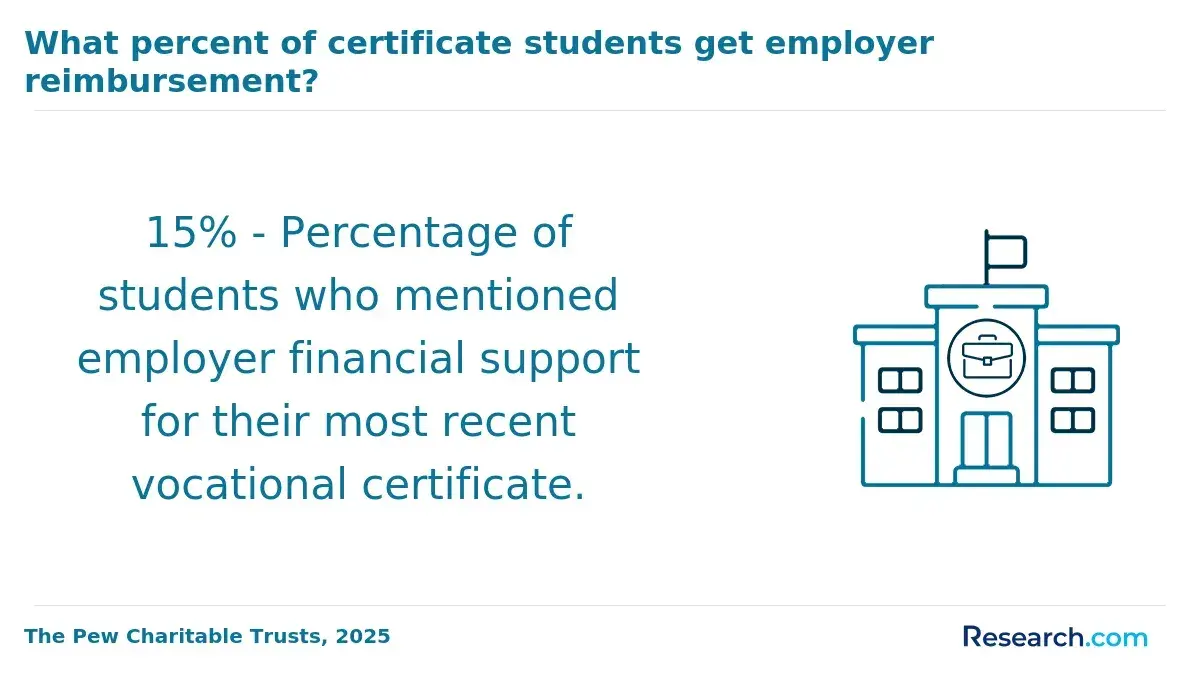
Recognition should match the kind of program. A community-college credit certificate may fall under the institution's recognized accreditation, while a private bootcamp or employer-training provider may issue only its own completion certificate. Neither status automatically makes a learner professionally certified.
Before enrolling, verify the credential through the party that will matter after completion:
- Ask employers whether they recognize the provider and whether the course meets their entry-level hiring expectations.
- For regulated healthcare, security, trade, or legal roles, check the relevant state board or agency for required training hours, exams, and approved-school rules.
- For certification preparation, confirm the certifying organization's eligibility rules, exam fee, experience requirement, and whether the course is merely preparatory.
- For credit-bearing programs, confirm institutional accreditation, course credit, transfer policy, and whether credits can apply to a longer certificate or degree.
A major red flag is language suggesting that a provider-issued certificate is "nationally certified" without naming the actual certifying organization, examination, and eligibility standard.
What admission requirements do most 4-week certificate and training programs have?
Most noncredit four-week courses have simple enrollment requirements: applicants may need to be at least 18, complete a registration form, pay tuition, and have basic computer access for online work. Programs involving clinical settings, security work, driving, or employer placement can require more.
Requirements vary by provider, but these are the items to confirm before applying:
- Whether a high school diploma, GED, placement assessment, prior coursework, or relevant work experience is required.
- Whether the course requires English-language proficiency, typing ability, physical capacity, vaccination records, drug screening, or a background check.
- Whether learners must buy software, tools, uniforms, textbooks, exam vouchers, or liability coverage separately.
- Whether attendance is mandatory and whether missed lab, clinical, or assessment hours can be made up within four weeks.
Do not assume GPA, standardized tests, or transfer credit matter for a noncredit course. They are more relevant to college certificates and degree programs, where policies differ by institution.
How much do 4-week career training courses cost and what funding is available?
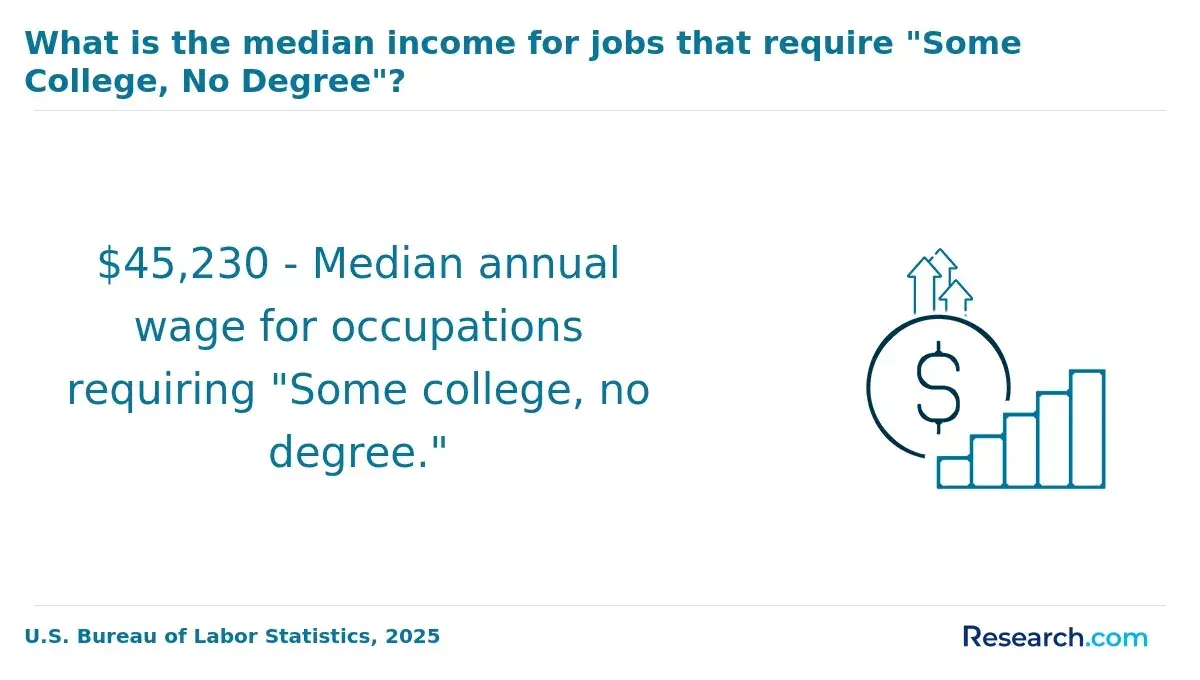
Costs range widely because "four-week training" includes inexpensive self-paced courses, employer-sponsored safety classes, private bootcamps, and short college offerings. Tuition is only one cost: learners may also pay for equipment, software, exams, transportation, uniforms, background checks, or lost work hours during an intensive schedule.
Use this cost framework to compare programs on the same basis rather than choosing the lowest advertised tuition.
| Cost category | What to verify | Why it changes value |
| Published tuition | Whether it covers all instruction and assessments | Some providers exclude required materials or exam preparation. |
| Required supplies | Tools, uniforms, software, textbooks, and home equipment | These expenses can be essential for participation. |
| Certification or licensing costs | Exam, application, fingerprinting, or renewal fees | Completion may not include the credential employers request. |
| Schedule costs | Transportation, child care, and unpaid time away from work | An accelerated format can increase indirect costs. |
| Funding | Employer reimbursement, workforce grants, scholarships, payment plans, or veteran benefits | Eligibility depends on the provider and program type. |
Federal student aid is generally tied to eligible programs at participating institutions and often will not apply to a standalone four-week noncredit course. Ask the provider for a written itemized estimate and refund policy. If you need a longer, potentially more career-focused option, compare short certificate programs that may offer more substantial preparation.
What skills and coursework are typically covered in intensive 4-week career programs?
An intensive four-week course usually teaches a limited set of job tasks at a fast pace. Expect concentrated practice rather than broad theory, general education, or the supervised field experience found in longer academic and apprenticeship programs.
Strong programs make their learning outcomes visible. Depending on the field, coursework may include:
- Job-specific vocabulary, workflows, documentation standards, and basic workplace communication.
- Hands-on use of software, tools, equipment, or simulated case scenarios.
- Safety, privacy, ethics, accessibility, or compliance concepts relevant to the work setting.
- Practice assignments that produce a portfolio sample, checklist, troubleshooting record, or skills assessment.
- Interview preparation, résumé language, and guidance on explaining the credential accurately to employers.
AI-related tools are increasingly relevant in office, design, marketing, and technical-support work. A reputable course should teach responsible use, verification, privacy awareness, and task-specific judgment rather than implying that a single AI tool replaces foundational skills.
What entry-level jobs and certifications can you earn after a 4-week program?
After a four-week program, the credential earned is usually a certificate of completion. Some courses prepare learners to attempt a separate certification exam, but the exam sponsor - not the training provider - awards the certification. State licenses are separate again and may require approved education, testing, experience, and background checks.
Possible next steps depend on the course's scope:
| Course outcome | Possible next step | Verification needed |
| Software or administrative completion certificate | Apply for entry-level office, customer-service, or support roles | Review job postings for software and experience requirements. |
| Safety or equipment training record | Seek warehouse, production, or construction-helper work | Confirm employer training and site-specific authorization rules. |
| Certification-prep course | Register for the external certification examination | Check the certifier's current eligibility and renewal rules. |
| Healthcare introduction course | Enter a longer approved program or apply for nonclinical support work | Check state and employer requirements before claiming eligibility. |
| Portfolio-based design course | Apply for junior project support or freelance opportunities | Use original portfolio work and clarify software proficiency. |
Be precise on your résumé: list the provider, course name, completion date, and concrete skills. Do not label a course certificate as a certification unless an independent certifying organization actually awarded one.
What salary ranges and career growth can short-term training graduates expect?
Salary depends on occupation, location, experience, hours, employer, and credentials beyond a short course. A four-week program by itself does not establish an occupational wage. Use wage data to evaluate the job target, then verify whether the training actually meets the target employer's requirements.
For context, the U.S. Bureau of Labor Statistics reported a 2024 median annual wage of $61,550 for computer user support specialists and $49,210 for bookkeeping, accounting, and auditing clerks. These occupation-wide figures include workers with varied education and experience; they are not salary promises for short-course completers.
Career growth is strongest when a short course starts a stackable path: entry-level work, documented experience, an external certification where relevant, and additional coursework. A longer credential may be a better investment for roles with formal advancement ladders. Readers considering the far end of academic progression can compare accelerated PhD programs, but doctoral study is not a substitute for job-specific entry training and is rarely necessary for short-term career entry.
How can students evaluate and choose a reputable 4-week career training provider?
A reputable provider clearly states what learners receive, what they will still need to do, and which jobs the course can realistically support. Avoid providers that promise placement, licensing, certification, or high pay without explaining the conditions.
Use these steps before making a deposit:
- Start with three to five local or remote job postings and list the exact skills, licenses, certifications, and experience employers request.
- Match the course syllabus, instructional hours, practical training, and assessment method to those job requirements.
- Request the full cost in writing, including supplies, exams, fees, refund terms, financing charges, and required technology.
- Verify institutional status, state approval, certification alignment, and clinical or lab arrangements with the relevant outside authority when applicable.
- Ask for recent outcomes definitions: how the provider calculates completion, placement, job title, wage, and reporting period.
- Speak with employers, graduates, or workforce agencies instead of relying only on testimonials and marketing claims.
Common mistakes include enrolling because a course is fast, assuming online training meets state rules, and comparing tuition without comparing total costs. The better choice is the shortest credible program that closes a specific, verified gap between your current skills and a realistic job requirement.
Other Things You Should Know About
It is possible to qualify for some entry-level, support, or trainee roles, especially when the course teaches a specific employer-requested skill. A four-week program is less likely to qualify you for regulated, licensed, clinical, or advanced technical work without additional training.
A certificate can be legitimate as proof that you completed a course, but its labor-market value depends on the provider, curriculum, assessment, and employer recognition. Verify whether it is a completion certificate, academic certificate, or preparation for an independent certification.
Sometimes, but many short noncredit courses are not eligible for federal student aid. Ask about employer tuition assistance, workforce-development funding, scholarships, payment plans, veteran education benefits, and provider-specific aid before enrolling.
Find current job postings for the role you want, then compare their requirements with the program's written syllabus, total cost, practical training, and credential outcome. If the course does not meet a documented employer or licensing requirement, treat it as exploration rather than direct job qualification.
References
- 6 Most Popular Job Training Sectors in the US https://www.paretolaw.com/resources/blogs/6-most-popular-job-training-sectors-in-the-us
- Getting Financial Assistance for Career Training https://ccitraining.edu/blog/getting-financial-assistance-for-career-training/
- How does a college degree improve graduates' employment and earnings potential? - APLU https://www.aplu.org/our-work/publicuvalues/employment-earnings/
- Online Certificate Programs | Certifications Programs https://www.uscareerinstitute.edu/online-certificate-programs
- Planning & Evaluating https://www.opm.gov/policy-data-oversight/training-and-development/planning-evaluating/
- Online Career Training | Certificate Programs | CareerStep https://www.careerstep.com/
- Career Training https://ita.careersourcebroward.com/
- Career Outcomes - Champlain College https://www.champlain.edu/career-success/outcomes/
- Funding Support for Workforce Training in Virginia: How FastForward and Other Programs Help You Succeed | Fast Forward https://fastforwardva.org/funding-support-for-workforce-training-in-virginia-how-fastforward-and-other-programs-help-you-succeed/
- Workforce Development Funding Options https://ctstate.edu/workforce-development/funding-options