2027 Best Career Training Programs for Parents

Co-Founder and Chief Data Scientist
Parents choosing career training need a path that fits school pickups, caregiving, budgets, and real hiring requirements - not just a fast credential. U.S. Bureau of Labor Statistics projections for 2024-2034 show medical assistant employment is expected to grow 12%, faster than the average for all occupations.
This guide compares practical training routes, from certificates to associate degrees, and explains time, cost, flexibility, licensing, and likely career outcomes so you can choose a program that works for your family and goals.
Key Things You Should Know
- For many parents, the best option is a short, schedule-friendly program tied to a specific entry-level role, such as medical assistant, HVAC technician, paralegal assistant, or web designer - not the fastest program advertised online.
- Healthcare can offer strong demand: BLS projects medical assistant employment to grow 12% from 2024 to 2034, but clinical programs usually require in-person labs, externships, background checks, and state-specific eligibility steps.
- Compare total cost, required equipment, licensing eligibility, clinical or apprenticeship hours, and job-placement support before enrolling; a low-tuition program can be a poor value if it does not meet employer or state requirements.
Top 10 Best Career Training Programs for Parents
Popular Trade School Programs
Trade programs work well for parents who prefer hands-on work and can arrange daytime labs or apprenticeships. HVAC certificates commonly cover electrical basics, refrigeration, diagnostics, and EPA Section 608 exam preparation. Electrician training certificates or associate degrees teach wiring, code concepts, and safety, but most states require supervised apprenticeship hours for licensure. Welding certificates focus on processes and blueprint reading; employer welding tests may still be required. Plumbing programs teach pipe systems and codes, yet licensing usually follows a state-defined apprentice-to-journeyworker pathway. Ask whether evening labs, paid apprenticeships, and required tools are included.
Healthcare Programs
Healthcare training can lead to patient-facing roles, but flexibility has limits because clinical practice is usually mandatory. Medical assisting certificates often take about one year and cover clinical procedures, billing, electronic records, and certification-exam preparation. Practical nursing diplomas prepare eligible graduates for the NCLEX-PN, subject to state board approval. Dental assisting certificates may include radiography requirements that vary by state. An associate degree in nursing is longer but can prepare graduates for the NCLEX-RN when completed through an approved program. Confirm clinical-hour scheduling, immunization requirements, background checks, and board eligibility before paying a deposit.
Criminal Justice / Law Programs
Parents interested in legal support, public safety, or court administration should match training to the role's actual entry requirements. Paralegal studies certificates teach legal research, writing, litigation support, and document management; many employers prefer programs approved by the American Bar Association, though approval is not universally required. Associate degrees in criminal justice introduce policing, corrections, courts, and ethics but do not guarantee police-officer eligibility, which is set by employers and state standards. Court reporting programs require specialized transcription training and may lead toward state certification. Check evening options, internships, and local hiring preferences.
Arts & Design Programs
Arts and design training is often among the most flexible choices because portfolios can matter more than a particular degree. Graphic design certificates teach typography, layout, Adobe tools, and portfolio development. Web design or digital design certificates may cover user experience, responsive design, accessibility, and content management systems. Interior design certificates can build foundational skills, but professional title rules and licensing vary by state. Photography and digital media programs teach editing, lighting, branding, and client workflow. Parents should prioritize programs with instructor feedback, portfolio projects, current software, and realistic freelance-business guidance.
What are the best flexible career training options for busy parents?
The best flexible career training option depends on whether your target role requires supervised practice. Fully online programs suit digital, administrative, business, IT, and some legal-support skills. Hybrid programs can reduce campus travel while preserving required labs. Campus-based programs are usually necessary for clinical healthcare, skilled trades, and equipment-intensive training.
Parents who need maximum scheduling control may consider online certificates in bookkeeping, medical billing and coding, project coordination, digital marketing, web design, or IT support. These programs can be noncredit professional certificates or credit-bearing academic certificates; the distinction matters because credit-bearing coursework may be more transferable, while noncredit programs may move faster and focus narrowly on job skills.
If an associate degree better matches your long-term goal, compare associates degrees online with short certificates. An associate degree generally takes longer but may provide broader coursework and a clearer route to later study. It is often a better fit for nursing prerequisites, paralegal education, accounting, or technology careers that benefit from general education courses.
Use this comparison to identify the delivery model that creates the fewest scheduling surprises.
| Format | Best for | Parent advantage | Main limitation |
| Fully online, asynchronous | Digital, administrative, and business skills | Study after children are asleep or during open hours | Limited fit for hands-on licensing fields |
| Online with live sessions | Programs needing instructor interaction | Less commuting than campus study | Fixed attendance times still apply |
| Hybrid | Labs, simulations, and selected healthcare training | Fewer campus trips | Lab and clinical times may be inflexible |
| Campus or apprenticeship | Trades and direct patient care | Hands-on practice and local networking | Childcare and transportation planning are essential |
How can parents compare online vs campus career training programs?
Online versus campus training is not simply a convenience choice. The better option is the one that delivers the required instruction, practice, and employer-recognized credential without creating a schedule you cannot sustain. For regulated occupations, an online label does not remove clinical, lab, examination, or supervised-fieldwork requirements.
When comparing providers, start with program format, not marketing language. Some "online" programs use scheduled virtual meetings, local proctored exams, weekend intensives, or externships that require daytime availability. Parents seeking a low-cost online provider can also review online colleges with no application fee, then verify that the specific program - not just the institution - fits the occupation and state requirements.
Before applying, use these questions to compare the practical experience each format provides.
- Are classes asynchronous, live online, or held at fixed campus times?
- Which labs, clinicals, internships, or exams require in-person attendance?
- Can the school place students at a site near home, and are evening or weekend placements available?
- Is the credential credit-bearing, and can credits transfer to a degree later?
- What technology, software, tools, uniforms, insurance, or childcare costs are separate from tuition?
What accreditation and licensing requirements should parents look for in programs?
Accreditation and licensing are separate checks. Institutional accreditation evaluates a college or school broadly. Programmatic accreditation evaluates a specific field of study. Licensure is permission from a state authority to practice a regulated profession. A certificate can be valuable without leading to licensure, but it should clearly state what it does and does not qualify you to do.
For nursing and practical nursing, confirm approval with the relevant state nursing board and ask whether graduates are eligible to take the NCLEX. For allied health fields, verify whether employers, insurers, or certification bodies expect programmatic accreditation or a recognized certification exam. For trades, ask whether classroom hours count toward apprenticeship or licensing requirements in your state.
Red flags include vague claims such as "license-ready" without naming the state, no published curriculum, pressure to enroll immediately, and refusal to provide completion, examination, or placement information. A reputable school will explain the credential, required next steps, and any limits on eligibility in writing.
How long do career training programs for parents typically take and what do they cost?
Career training can range from a few weeks for a focused noncredit course to two years for an associate degree. Time depends less on the program label than on whether it includes clinical practice, labs, general education, an apprenticeship, or preparation for a licensing examination. Part-time enrollment may protect family routines but extends the calendar time to completion.
Costs also vary widely by provider and occupation. College Board reported average published tuition and fees of $4,050 for in-district students at public two-year colleges in 2024-2025. That figure is a useful benchmark, not a total-program price: private career schools, equipment-heavy trade programs, and clinical programs can cost more, while grants or employer support can reduce out-of-pocket expenses.
The comparison below separates common training paths so parents can budget for the full commitment rather than tuition alone.
| Training path | Typical duration | Cost factors beyond tuition | Best use |
| Noncredit career course | Weeks to several months | Exam fees, software, materials | Skill building or a narrow job tool |
| Academic certificate | Several months to about one year | Books, labs, uniforms, testing | Entry-level training with possible academic credit |
| Diploma with clinical or lab training | About one to two years | Clinical compliance, transportation, equipment | Regulated or hands-on occupations |
| Associate degree | About two years full time | General education, fees, clinicals, supplies | Broader preparation and possible transfer pathway |
Ask the financial-aid office whether the specific program is eligible for federal aid; eligibility depends on the institution and program, not merely on its subject. Also ask about workforce grants, state aid, payment plans, employer tuition assistance, and whether withdrawing after a schedule disruption creates a balance due.
What admission requirements do career training programs for parents usually have?
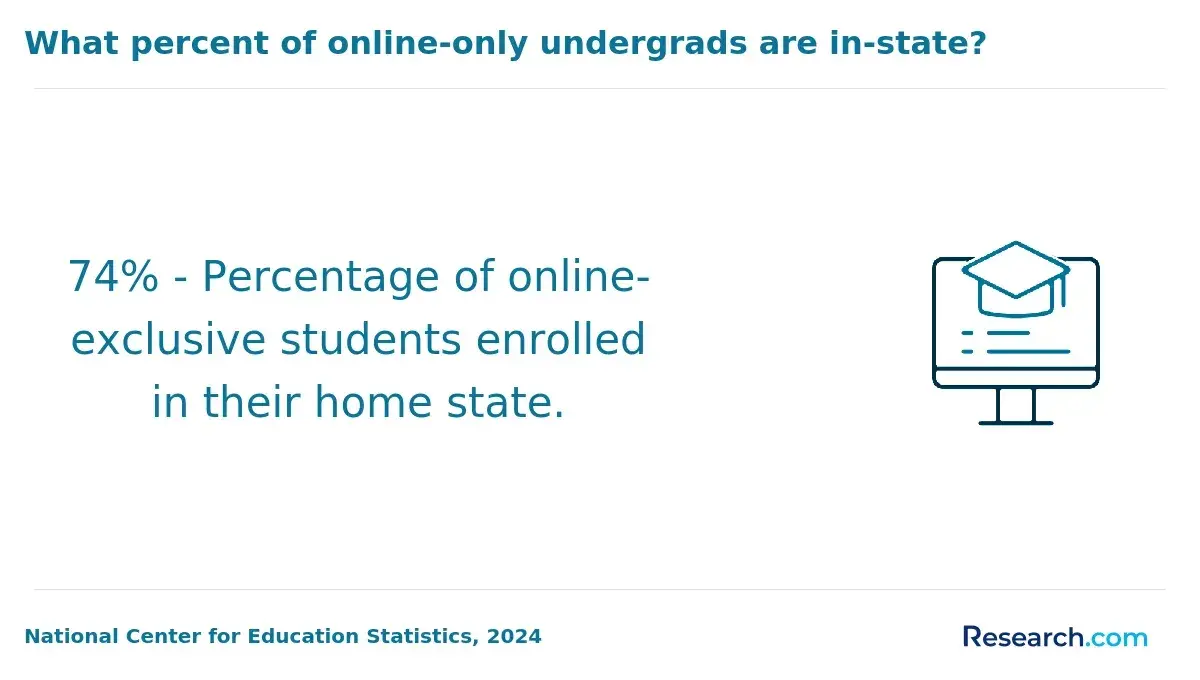
Admission requirements depend on the credential type. A short noncredit certificate may require only identity verification and payment. A credit-bearing college certificate or associate degree commonly requires an application, high school completion or equivalent, placement steps, and prerequisites for technical courses. Competitive healthcare programs may add entrance testing, prerequisite grades, health records, drug screening, and background checks.
Do not assume a school's general admission means admission to the career program itself. Nursing, sonography, dental hygiene, and some limited-seat trade cohorts can use a separate selection process. Ask for the program handbook and confirm the next available cohort start date before making childcare arrangements.
Parents returning after time away from school should ask whether prior college courses, military training, or documented workplace learning can satisfy prerequisites. Transfer credit is more likely at credit-bearing institutions; noncredit providers may offer useful skills but generally do not provide credits that transfer.
What curriculum and skills do top parent-focused career training programs teach?
Top parent-focused programs teach job-specific skills while making the time commitment transparent. They should also build practical habits that support reentry to work: communication, digital collaboration, time management, documentation, customer service, and problem solving. These transferable skills matter because employers increasingly use digital systems even in traditionally hands-on fields.
The curriculum should match the work learners expect to do after completion. The following areas help distinguish a focused career program from a generic course.
- Trades programs should include safety, tools, measurements, codes, troubleshooting, and supervised practical work.
- Healthcare programs should include patient privacy, documentation, infection control, clinical procedures, and required clinical experience.
- Legal-support programs should include legal research, writing, ethics, document preparation, and case-management technology.
- Design programs should include current software, accessibility, portfolio projects, client feedback, and revision workflows.
- All programs should clearly identify whether they prepare students for a separate industry certification or state licensure examination.
Programs that include career coaching, résumé feedback, mock interviews, and local employer connections can be useful, but parents should treat these as support services rather than a promise of placement.
What jobs can parents get after completing career training programs?
Parents can pursue roles that align with the credential earned, local employer expectations, and any required license or certification. Short programs are most realistic when they prepare for a defined entry-level job; they are less reliable when they imply access to a profession that normally requires a degree, supervised experience, or state license.
This overview shows common directions after training and the additional condition that may apply.
| Training area | Potential entry-level roles | Important qualification note |
| HVAC, electrical, plumbing, welding | Helper, installer, technician trainee, apprentice | Independent work and advancement often require apprenticeship hours or licensing |
| Medical assisting and billing | Medical assistant, patient service representative, billing specialist | Employers may prefer certification; clinical roles require appropriate training |
| Practical nursing | Licensed practical or vocational nurse | Requires state approval, graduation eligibility, and passing the NCLEX-PN |
| Paralegal studies | Legal assistant, paralegal, litigation support assistant | Hiring standards vary; a certificate does not authorize legal practice |
| Digital design | Graphic design assistant, production artist, junior web or content designer | Portfolio quality and software skills strongly affect opportunities |
For parents who ultimately want management, teaching, advanced clinical practice, or higher-paying technical roles, a short program can be a starting point rather than the final credential. Compare it with best bachelor's degrees when the target occupation commonly expects a four-year degree.
What salary ranges and job growth can parents expect in these career paths?
Salary data describes occupations, not a guaranteed outcome from any certificate or training program. Pay varies by state, hours worked, experience, union coverage, employer, and whether a role requires a license. Still, occupational data can help parents compare the financial upside of paths they are considering.
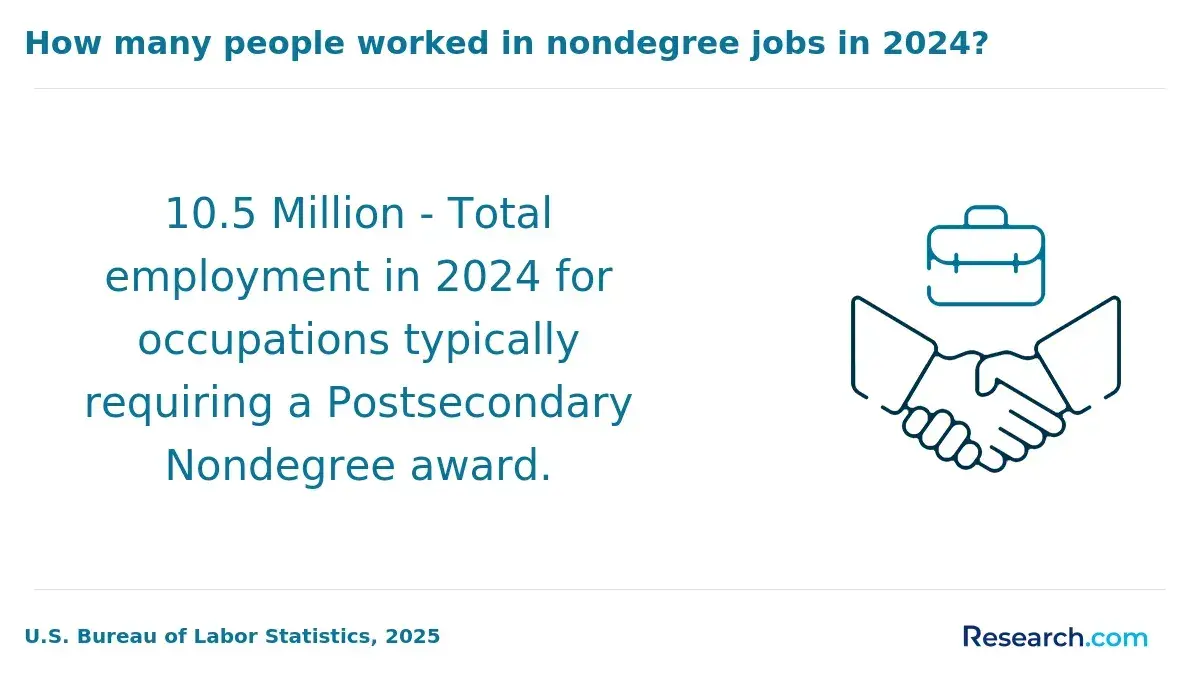
The U.S. Bureau of Labor Statistics reported the following national median annual wages in May 2024, alongside its 2024-2034 employment projections. Use these figures to compare occupations after confirming that your planned credential actually meets local entry requirements.
| Occupation | Median annual wage, May 2024 | Projected employment growth, 2024-2034 | Training consideration |
| Electricians | $62,350 | 9% | Typically combines technical training with apprenticeship and licensing |
| Heating, air conditioning, and refrigeration mechanics and installers | $59,810 | 8% | Certificate training can support entry, with employer and EPA requirements |
| Medical assistants | $44,200 | 12% | Certificate is common; certification preferences vary by employer |
| Paralegals and legal assistants | $61,010 | 0% | Certificates may help, especially for applicants with a prior degree |
| Graphic designers | $61,300 | 2% | Portfolio and experience are central; degree expectations vary by employer |
Growth projections are national estimates, not local job guarantees. Check job postings within commuting distance, including shift times and required credentials, before choosing a field based primarily on wage data.
How can parents choose a reputable, high-return career training program?
A reputable, high-return program is one that meets the real entry standard for your target job, fits your caregiving schedule, and has costs you can complete without excessive borrowing. "Fast" is valuable only when the credential is accepted by employers, certification bodies, or licensing boards.
Use a deliberate review process before signing an enrollment agreement.
- Name the job you want, then review at least 10 local job postings to identify the education, license, certification, shift, and experience requirements.
- Verify the school's institutional accreditation when relevant and confirm program approval directly with the appropriate licensing board or certification body.
- Request the complete cost of attendance, including registration, books, tools, exams, uniforms, background checks, clinical fees, and transportation.
- Get the weekly schedule for live classes, labs, clinicals, internships, and required group work before arranging childcare.
- Ask for written outcomes data, including completion rates, licensure examination outcomes where applicable, and how the school defines job placement.
- Compare the program with an apprenticeship, community-college certificate, associate degree, or employer-funded training option.
Parents aiming for senior leadership, university teaching, research, or highly specialized practice should not choose a short program as a substitute for required advanced education. For those longer-term goals, review shortest doctoral programs only after confirming that a doctoral credential is actually required for the intended career.
The most common mistake is enrolling because a program advertises flexible online learning without checking the in-person commitments. Another is comparing tuition alone instead of total cost and time away from paid work. A strong decision connects the credential to a specific local job target and a workable household plan.
Other Things You Should Know About
Noncredit online courses and focused professional certificates can take weeks or months, but they are best for roles that do not require clinical training, licensing, or an apprenticeship. Verify that local employers recognize the training before enrolling.
Usually not for direct patient-care roles. Coursework may be online, but programs such as medical assisting, practical nursing, and dental assisting typically require labs, clinical practice, or externships in person.
They can be worthwhile when they teach skills requested in local job postings, come from a credible provider, and fit the learner's career goal. They are less useful when the intended occupation requires a state license, accredited clinical education, or a degree the certificate does not provide.
Start by asking whether the specific program qualifies for federal or state aid. Also check employer tuition assistance, workforce-development grants, scholarships, payment plans, and paid apprenticeships. Compare borrowing needs with the realistic local pay and work schedule for the target occupation.
References
- Your Guide to Finding Career Training Programs - Midwest Technical Institute https://www.midwesttech.edu/resources/how-to-find-career-training-programs/
- The Top Benefits of Child Care Professional Training - Child Care Aware https://mochildcareaware.org/blog/uncategorized/benefits-of-child-care-professional-training-2/
- Which Child Care Option is Best for Working Families? https://www.lapetite.com/blog/2026/04/which-child-care-option-is-best-for-working-families/
- 11 Best Careers for Single Moms (and How to Get Started) https://climbhire.co/career-development/best-careers-for-single-moms-how-to-get-started/
- Buckeye Career Center https://www.buckeyecareercenter.org/page/funding-opportunities
- Best Careers for Moms Returning to Work in 2026 https://n2co.com/best-careers-for-moms-returning-to-work-in-2026/
- Employment Connections - Center for Parent Information and Resources https://www.parentcenterhub.org/employment/
- Seeking Training https://www.qcc.edu/information/seeking-training
- 12 proven ways to support working parents and boost employee retention https://www.mavenclinic.com/post/support-working-parents-and-boost-employee-retention
- Financial Aid - Get Money for College - CFWV.com https://www.cfwv.com/financial-aid/