2027 Best Career Training Programs for Flexible Careers

Co-Founder and Chief Data Scientist
Choosing training that fits around work, caregiving, or a career change is difficult when programs vary widely in quality and job value. Flexible career training can include online coursework, evening labs, hybrid certificates, apprenticeships, and associate degrees. U.S. Bureau of Labor Statistics projections for 2024-2034 show faster-than-average growth in several accessible fields, including medical assisting and electrical work. This guide helps prospective students compare program types, verify requirements, estimate total costs, and select training that matches a realistic career goal.
Key Things You Should Know
- Flexible programs are not automatically faster or fully online: hands-on fields such as electrical work, dental hygiene, and nursing usually require scheduled labs, clinical rotations, or supervised field experience.
- Career outcomes differ by credential: a certificate may support entry-level work, while licensure-based roles can require an approved associate degree, examinations, background checks, and state-specific eligibility.
- For context, BLS reported a $62,350 median annual wage for electricians and $44,200 for medical assistants in May 2024; occupation-level pay is not a guaranteed outcome of any program.
Top 10 Best Career Training Programs for Flexible Careers
Popular Trade School Programs
Flexible trade programs commonly include electrical technician certificates, HVAC/R certificates, welding certificates, plumbing apprenticeships, and industrial maintenance associate degrees. Certificates can build job-ready foundations in safety, tools, codes, and diagnostics; apprenticeships combine paid supervised work with classroom instruction. Evening and hybrid theory courses suit working adults, but lab and field hours are usually fixed. An associate degree may be worthwhile for broader technical coursework or advancement, while an apprenticeship is often the stronger fit for learners who need paid training. Check whether local employers and state licensing boards recognize the program.
Healthcare Programs
Common flexible healthcare options include medical assisting certificates, pharmacy technician certificates, practical nursing diplomas, medical billing and coding certificates, and associate degrees in nursing or dental hygiene. Clinical programs are rarely fully asynchronous because students must complete supervised patient-care hours. A certificate is education; a certification, such as a national technician credential, is a separate professional designation that may require an exam. Choose a program approved for the role and state where you intend to work. Medical billing may be remote-friendly, while nursing and dental hygiene require substantially more in-person clinical preparation.
Criminal Justice / Law Programs
Flexible options include criminal justice certificates or associate degrees, paralegal studies certificates, legal assistant certificates, and cybersecurity or public-safety training. These programs can develop legal research, report writing, evidence handling, ethics, and court-process knowledge. A paralegal certificate may help a learner with an existing degree pivot into legal support, but it does not authorize someone to practice law. Police, corrections, and security roles may require separate academy training, fitness standards, background checks, or agency hiring processes. Online coursework works well for legal theory, but internships and agency requirements can limit scheduling flexibility.
Arts & Design Programs
Graphic design certificates, UX/UI design certificates, digital media diplomas, web design certificates, and associate degrees in visual communication can be flexible choices for portfolio-based careers. The strongest programs teach software workflows, typography, accessibility, critique, client communication, and portfolio development rather than software tutorials alone. Employers often evaluate work samples more closely than the credential title, so students should confirm that a program includes reviewed projects and a portfolio. Online study can work well for design, but learners who need live feedback, studio access, or networking may benefit from hybrid or campus-based options.
What is a flexible career training program and who benefits most from it?
A flexible career training program is a job-focused learning option designed to reduce barriers created by fixed schedules, long commutes, or full-time enrollment. It may be a noncredit workforce course, an academic certificate, a diploma, an apprenticeship, an industry training program, or an associate degree. Flexibility can mean asynchronous online lessons, evening classes, weekend labs, multiple start dates, part-time pacing, or hybrid delivery.
These programs tend to fit adults changing careers, employed learners, parents and caregivers, military-connected students, and people who need a lower-cost way to test a field. They are less suitable when the target occupation requires extensive clinical practice, a bachelor's degree, or a tightly sequenced full-time curriculum. Learners exploring quick options can compare short certificate programs, but should verify whether a short credential actually meets their intended employer's requirements.
The comparison below clarifies why "flexible" should be evaluated by schedule, not marketing language.
| Program type | Typical flexibility | Best use | Important limitation |
| Noncredit workforce certificate | Often evening, online, or short-term | Skill building or entry-level preparation | May not transfer for college credit |
| Academic certificate | Part-time and hybrid options are common | Credit-bearing career preparation | Course sequencing can extend completion time |
| Apprenticeship | Paid work plus required classes | Licensed trades and hands-on occupations | Work schedules are set by sponsors |
| Associate degree | Often available part-time | Roles needing broader education or licensure preparation | Usually takes longer than a certificate |
How do online and campus-based career training programs compare for flexibility and outcomes?
Online programs provide the most control over lectures, readings, and assignments, especially in office, technology, business, legal-support, and design subjects. Campus-based programs provide scheduled access to equipment, instructors, peers, labs, and clinical settings. Hybrid delivery is often the most realistic choice for career training because it combines online theory with required practical assessment.
The better format depends on what employers, regulators, and the skill itself demand. Online study may reduce commuting and permit part-time pacing, but it can require stronger self-management and may not replace supervised practice. Campus or hybrid training is usually the safer choice for welding, electrical labs, patient care, dental hygiene, and programs leading toward licensure. Learners seeking a degree rather than short-term training may also compare easiest online degree options, while recognizing that "easiest" does not mean best aligned with a target occupation.
Use these factors to compare the actual learning experience, not simply the delivery label.
| Decision factor | Mostly online | Mostly campus-based or hybrid |
| Lecture scheduling | Often asynchronous | Usually set meeting times |
| Hands-on skill practice | Limited unless local placement is arranged | Direct access to labs, clinics, or shops |
| Networking | Requires intentional virtual engagement | Often easier through classmates and local employers |
| Licensure preparation | Must be verified state by state | May be simpler when programs manage placements |
What accreditation and licensing requirements should flexible career training programs meet?
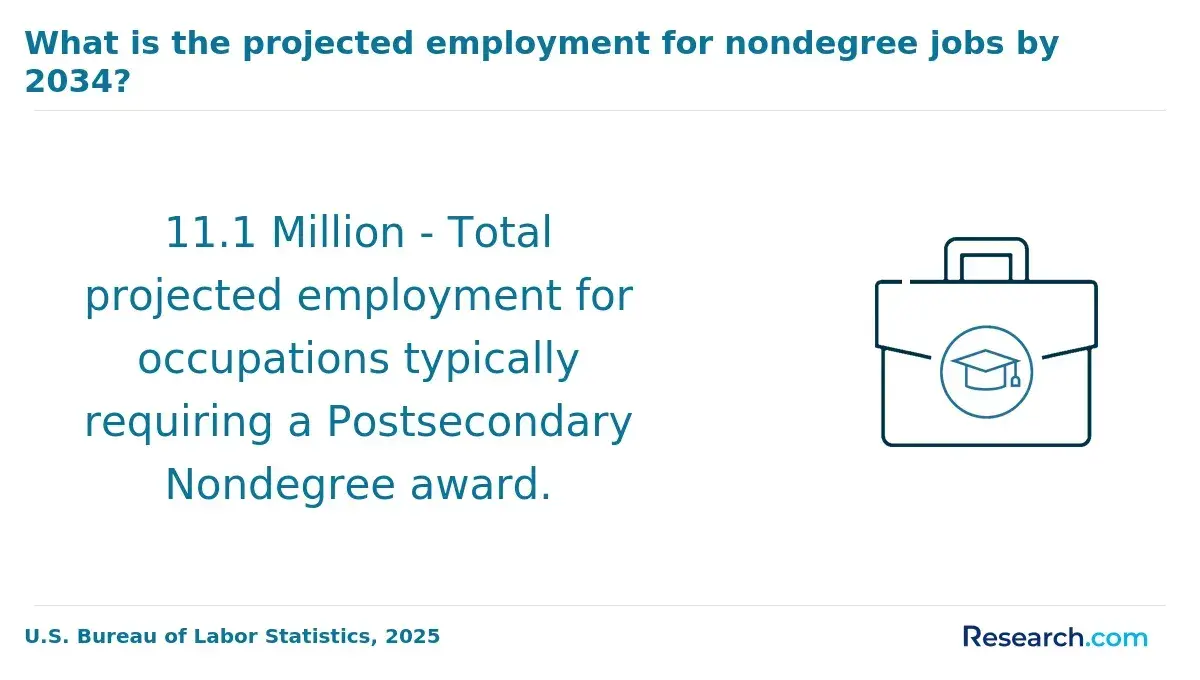
Accreditation and approval matter most when a program awards academic credit, participates in federal aid, leads toward professional licensure, or prepares students for a regulated occupation. Institutional accreditation evaluates a college as a whole. Programmatic accreditation evaluates a specific professional program. Neither should be confused with an employer's informal preference or a private provider's marketing claim.
For nursing, dental hygiene, medical assisting, and similar regulated fields, confirm that the program meets the requirements of the licensing board or certification body in the state where you expect to work. For apprenticeships, verify the sponsor, wage progression, related instruction, and registration status. For noncredit technology or design programs, examine employer recognition, portfolio support, instructor experience, and transparent outcomes rather than assuming academic accreditation applies.
Before paying a deposit, complete these checks:
- Identify the exact job, certification, or license you want after training.
- Check the relevant state board, employer, union, or certifying organization for required education.
- Ask the school in writing whether its format meets requirements in your state.
- Confirm whether the credential is credit-bearing, transferable, and eligible for aid if those features matter to you.
What admission requirements and prior experience do flexible career training programs typically need?
Admission standards depend on the provider and credential. Many short workforce certificates require an application, identification, and placement or basic-skills assessment rather than a competitive GPA. Credit-bearing college certificates and associate degrees commonly require a high school diploma or equivalent, although policies vary. Healthcare and selective technical programs may additionally require prerequisites, immunizations, drug screening, background checks, entrance testing, or a minimum grade in science courses.
Prior work experience is usually not required for entry-level programs, but advanced certificates may require prior coursework, a degree, a current license, or documented employment. Transfer credit is relevant only at institutions that award credit, and even then schools decide equivalencies individually. Ask whether prior learning, military training, industry certifications, or previous college courses can shorten the plan without creating a gap in licensing eligibility.
Applicants can avoid surprises by gathering requirements early:
- Request the complete admissions checklist and deadline calendar.
- Ask which requirements must be completed before clinical, lab, or internship placement.
- Confirm whether background findings can affect placement or employment eligibility.
- Get a written evaluation of transfer credit or prior-learning credit before enrolling.
How long do flexible career training programs take and what do they cost?
Completion time ranges from a few weeks for focused noncredit training to roughly two years for a full-time associate degree. Part-time pacing can make training more manageable, but it often adds terms because labs, clinicals, and prerequisite courses may be offered in sequence. A program's advertised duration is useful only if it matches the schedule you can actually maintain.
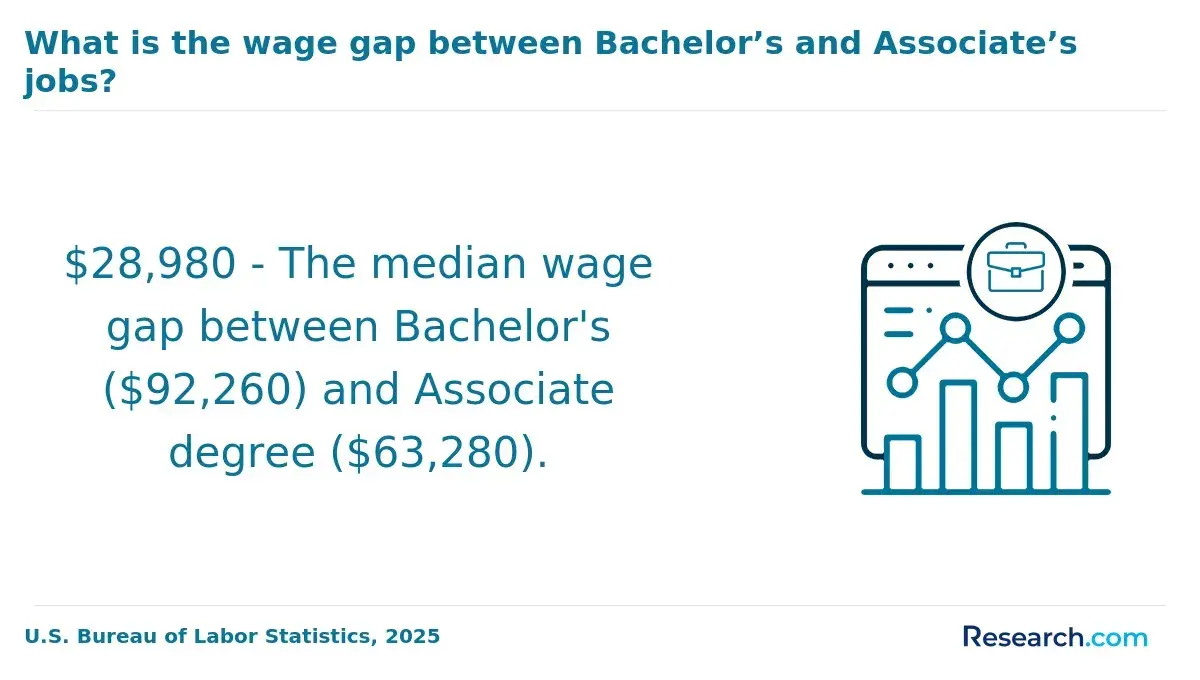
Costs vary more by field, location, public versus private provider, required equipment, and clinical fees than by delivery format alone. College Board reported average published in-district tuition and fees of $4,150 at public two-year colleges for 2024-2025. That benchmark excludes books, tools, uniforms, certification exams, transportation, and lost work time, so it is not a total program price. Compare a school's full written cost estimate with expected hours away from work.
For students who want a degree path with accelerated pacing, online master's programs are a separate option for learners who already meet graduate admission requirements; they are not substitutes for entry-level trade or clinical training.
Budget for the items below before deciding that one tuition quote is cheaper than another.
- Tuition, mandatory institutional fees, and payment-plan charges
- Books, software subscriptions, tools, protective equipment, uniforms, and supplies
- Exam, fingerprinting, background-check, immunization, and licensing fees when required
- Transportation, parking, childcare, and unpaid time for required labs or clinicals
What core courses and skills are taught in leading flexible career training programs?
Leading programs teach a combination of occupation-specific technique and transferable workplace skills. The right curriculum should show a logical sequence: foundational knowledge, supervised practice, assessment, and career preparation. A short course that omits practice, feedback, or safety instruction may be useful for exploration but weak preparation for a hands-on job.
Trade curricula often cover measurement, blueprint reading, code awareness, equipment operation, troubleshooting, and safety. Healthcare programs may cover anatomy, patient privacy, documentation, infection control, communication, and clinical procedures. Legal-support programs emphasize research, writing, ethics, and records management. Design programs develop visual communication, software fluency, accessibility, project workflow, and portfolio presentation.
Automation and AI tools are changing tasks in design, administration, coding, and documentation. Strong programs teach students to use technology responsibly, verify outputs, protect confidential information, and explain their work to clients or supervisors rather than presenting software as a replacement for judgment.
What careers can graduates pursue and what are typical job responsibilities?
Graduates can pursue entry-level or assistant roles when their credential, experience, and local requirements align. The credential alone may not qualify someone for every title. For example, a medical assisting certificate can support preparation for clinical or administrative support work, while registered nursing requires completion of an approved nursing program and successful licensure requirements. Paralegal training supports legal work under attorney supervision; it does not permit independent legal practice.
The roles below illustrate common directions and the work involved.
| Training area | Possible role | Typical responsibilities |
| Electrical or HVAC | Apprentice or service technician | Install, inspect, maintain, diagnose, and document equipment work |
| Medical assisting | Medical assistant | Support patient intake, records, scheduling, and clinical procedures within scope |
| Legal studies | Paralegal or legal assistant | Organize files, conduct research, draft documents, and support case preparation |
| Design | Junior graphic or digital designer | Create visual assets, revise work from feedback, and prepare production files |
A bachelor's or graduate credential may make sense for roles with broader advancement, management, research, or specialized technical expectations. Readers comparing longer-term advancement routes can review most valuable masters degrees, but should first establish whether their target field rewards graduate education.
What salary ranges and earning potential do flexible-career training graduates have?
Earning potential depends on occupation, region, hours, union status, experience, licensing, employer, and economic conditions. It should be used as a labor-market reference rather than a promise about what any student will earn after completing a program. BLS May 2024 national median annual wages provide useful context: electricians earned $62,350, HVAC mechanics and installers earned $59,810, medical assistants earned $44,200, paralegals and legal assistants earned $61,010, and graphic designers earned $61,300.
Job outlook also differs. BLS projects medical assistant employment to grow 12% from 2024 to 2034, while electrician employment is projected to grow 9% over that period. These projections indicate national demand trends, not local openings or individual placement odds. Check local job postings for required credentials, schedules, pay ranges, and experience expectations before committing.
To assess return on investment, compare the complete cost and time commitment against realistic entry-level openings in your area. A lower-cost program with employer connections and appropriate approval can be a better investment than a higher-priced program with vague placement claims.
How can students choose a reputable flexible career training program and avoid scams?
A reputable flexible program clearly explains what credential students receive, which courses and practical hours are required, who teaches them, what the total cost includes, and whether the program meets any applicable licensing or certification standards. It does not guarantee employment, claim universal transferability, or pressure applicants to sign immediately.
Start with the occupation, not the school's advertisement. Review several local job postings and identify the recurring minimum requirements. Then compare each program against those requirements, including schedule feasibility. A program is only flexible if you can complete its required labs, clinicals, exams, and internship hours without creating an unsustainable work or family burden.
Watch for these common mistakes and red flags:
- Choosing the lowest tuition without adding tools, exam fees, transportation, and unpaid clinical time.
- Assuming an online program qualifies graduates for a license in every state.
- Confusing a school certificate with an independent professional certification.
- Relying on salary claims without checking the occupation, location, experience level, and employer requirements.
- Enrolling before receiving written confirmation of accreditation, approval, refund terms, and transfer-credit policies.
- Accepting vague claims about job placement instead of asking for definitions, timeframes, and audited outcome information.
Ask admissions staff for the catalog, program schedule, total-cost worksheet, clinical or internship placement policy, completion policy, and refund policy. If a program prepares students for an external exam, ask for the exact exam name, eligibility criteria, and whether additional experience is required after graduation.
Other Things You Should Know About
It depends on the field. Programs focused on software, design, business administration, or legal theory may be mostly online. Training that requires equipment use, patient care, clinical hours, or supervised practice typically includes campus, lab, or employer-site requirements.
They can be worthwhile when the curriculum matches a specific entry-level job requirement, the provider is reputable, the schedule is workable, and total costs are proportionate to local opportunities. They are less useful when employers require licensure, an apprenticeship, or a degree that the certificate does not provide.
No. A certificate is usually awarded by an educational provider after completing a course of study. A professional certification is usually awarded by a certifying organization after meeting its standards, which may include an exam, experience, continuing education, or all three.
Possibly. Eligibility depends on the school, program length, credential type, enrollment status, and the student's circumstances. Credit-bearing programs at eligible institutions may offer federal aid to qualifying students, while short noncredit programs often use employer support, workforce grants, payment plans, or personal funding instead.
References
- CourseCareers https://coursecareers.com/blog-posts/college-vs-online-career-training
- How to Choose the Right Career Training Program for Your Future https://ccitraining.edu/blog/choose-career-training-program/
- College vs Career Training: Making the Best Plan | Empowerly https://empowerly.com/applications/college-vs-career-training/
- Best Online Degrees for Working Adults in 2026 https://www.straighterline.com/blog/degreecompletion-best-online-degrees-for-working-adults-in-2026
- Tech Training Programs for Career Transition - Merit America https://meritamerica.org/career-track/
- How Certifications Improve Job Market Credibility https://www.upskillist.com/blog/how-certifications-improve-job-market-credibility/
- Are short-term job training programs worth it? https://www.marketplace.org/story/2021/07/06/are-short-term-job-training-programs-worth-it
- A Guide to Career Training Programs https://www.careerstep.com/blog/career-advice/guide-to-career-training-programs/
- High-Paying, Fast-Growing Jobs Without a Degree https://www.rockwellinstitute.com/blog/jobs-dont-require-degree/
- How 4-Week Courses Are Changing Lives in Florida https://coastaltechnicalinstitute.com/post/how-4-week-courses-are-changing-lives-in-florida