2027 Best Microcredentials for Working Adults

Co-Founder and Chief Data Scientist
Working adults need training that fits around work without paying for credits that do not advance a real career goal. Microcredentials can build targeted, employer-relevant skills in weeks or months, but their value varies sharply by provider, field, and whether a license or industry certification is required.
U.S. Bureau of Labor Statistics projections show healthcare support, technology, and skilled-trades roles remain major sources of job openings. This guide helps you compare credible microcredentials, assess return on investment, avoid weak programs, and choose a format that works with your schedule.
Key Things You Should Know
- The best microcredential is tied to a specific job task, employer-recognized skill, certification exam, or stackable academic pathway, not simply a completion badge.
- Working adults should compare total cost, weekly workload, live-session requirements, and whether the credential is credit-bearing before enrolling; low tuition does not always mean low total expense.
- For regulated careers, a microcredential alone may not qualify you to work. State-approved education, supervised clinical hours, background checks, and a separate licensure or certification exam may be required.
Top 10 Best Microcredentials for Working Adults
Popular Trade School Programs
Trade-focused short programs can be practical for adults seeking hands-on work with a clear entry route. Common options include HVAC technician certificates, welding certificates, electrical technician training, plumbing pre-apprenticeship programs, CDL training, and industrial maintenance certificates.
Many take several weeks to one year, although apprenticeships and state licensing can take longer. Choose campus or hybrid training when labs, tools, safety practice, or driving hours are essential. A short program is best for foundational skills; confirm whether local employers expect an apprenticeship, union entry process, license, or manufacturer certification before paying tuition.
Healthcare Programs
Healthcare microcredentials may include medical billing and coding, pharmacy technician preparation, EKG technician training, sterile processing, community health worker training, or nursing assistant certificates. They suit adults who want an entry point into patient support, administration, or allied health.
Delivery can be online for theory-based programs, but clinical, laboratory, and externship requirements often require in-person attendance. Verify that a program meets employer expectations and, where applicable, prepares you for a recognized certification examination. Nursing, radiologic technology, and many clinical professions require state-specific approval and licensing beyond a short credential.
Criminal Justice / Law Programs
Working adults may find short programs in paralegal studies, legal research, legal technology, cybersecurity for public safety, corrections, or conflict resolution. A paralegal certificate can strengthen job readiness, especially for people who already hold a degree, but it does not authorize someone to practice law.
Court, law-enforcement, corrections, and security roles may also require background checks, agency training, physical standards, or state licensing. Choose a program that teaches practical tools such as legal writing, case management software, records procedures, and ethics rather than one that makes broad employment promises without explaining local requirements.
Arts & Design Programs
Arts and design microcredentials commonly cover UX design, graphic design software, digital marketing content, web design, photography, motion graphics, and portfolio development. They can work well online because learners can build projects asynchronously, but feedback quality matters more than course length.
Employers often evaluate a portfolio, software fluency, and relevant experience rather than the credential name alone. Select programs that include substantial project critiques, current tools, accessibility principles, and a portfolio you can show employers. A short credential can help career changers build evidence of skill, but it may not replace a degree for specialized design roles.
What Are Microcredentials for Working Adults?
A microcredential is a focused learning credential that verifies completion of a small, defined set of skills or competencies. It may be issued by a college, university, professional association, employer, technology company, or training provider. Formats include digital badges, noncredit certificates, for-credit certificates, industry-backed professional certificates, and short workforce programs.
For working adults, the strongest option solves a near-term career need: learning a software platform, qualifying for an exam, gaining job-specific technical skills, or testing a field before committing to a degree. It is important to distinguish a certificate from a certification.
A certificate usually shows that you completed education or training. A certification is awarded by a professional certifying body after meeting its standards, which may include an examination, work experience, or renewal requirements.
Microcredentials are not automatically transferable college credit. A credit-bearing university credential may stack into a certificate or degree, while a noncredit badge generally does not. Ask for this in writing before enrolling if future degree progress matters to you.
Are Accredited Microcredentials Worth It?
Accredited microcredentials can be worthwhile when accreditation is relevant to the provider and the credential clearly fits your goal. Institutional accreditation matters most when you are taking college credit, seeking federal student aid eligibility, planning to transfer coursework, or entering a regulated field. It does not automatically make every noncredit credential valuable to employers.
For technology, business, and software training, industry recognition may matter more than institutional accreditation. Look for transparent curriculum details, identifiable instructors, employer input, current tools, assessment standards, and a credential that can be verified.
If you want a later graduate pathway, compare the program with the easiest masters degree to get online only after confirming that the microcredential will actually meet prerequisite or transfer policies.
A microcredential is less likely to be worth the cost when the provider will not identify what learners produce, whether credits apply elsewhere, or which jobs the training supports. Avoid programs that use "accredited" without naming the accrediting organization or implying that a completion badge is a professional license.
Which Microcredentials Lead to Better Jobs?
Microcredentials lead to better job prospects when they close a documented skills gap for a realistic target role.
They are especially useful for workers adding a tool-based skill to existing experience, such as data analytics for an operations professional, cloud skills for an IT support worker, or billing software for an administrative healthcare worker. They are less effective as a standalone substitute for education, supervised experience, or licensing required in a profession.
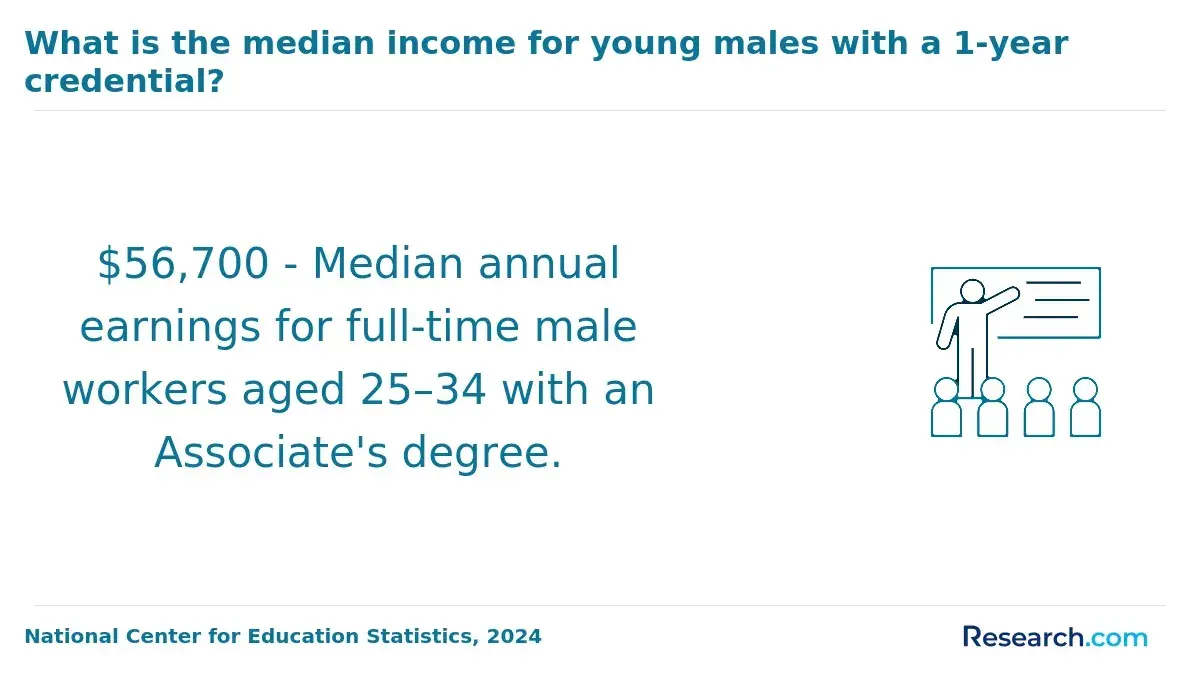
The comparison below separates common pathways by the evidence employers are most likely to evaluate. Occupational pay figures are not certificate-graduate salaries; they describe the broader occupation and should be used only as labor-market context.
| Career direction | Useful microcredential focus | What employers may also require | Career context |
| IT support or cybersecurity | Networking, cloud platforms, security fundamentals | Portfolio, troubleshooting experience, vendor certification | BLS reported a 2024 median pay of $60,810 for computer user support specialists. |
| Data or business operations | Excel, SQL, dashboards, project management | Work samples and domain experience | Best for improving performance in an existing business function. |
| Healthcare administration | Medical coding, revenue cycle, EHR workflows | Employer-preferred certification or experience | Useful for administrative rather than licensed clinical roles. |
| Skilled trades | Safety, equipment operation, entry-level technical skills | Apprenticeship, license, site-specific training | Hands-on practice is central to employability. |
Adults deciding between short training and a broader academic route should compare the role's actual education threshold. This overview of bachelor's degrees job outlook can help clarify when a bachelor's degree is the more durable investment.
Are Online Microcredentials Better Than Campus Programs?
Online microcredentials are better for working adults when the skill can be learned and assessed remotely, you need asynchronous access, and the provider offers meaningful instructor feedback. They are often a strong fit for analytics, project management, digital marketing, coding fundamentals, business software, and legal research.
Campus or hybrid programs are better when learning requires equipment, patient contact, clinical supervision, driving practice, welding bays, labs, or performance-based safety assessments. Online delivery does not remove in-person requirements for regulated fields. Before paying, ask whether attendance is live or self-paced, whether exams are remotely proctored, and whether required placements are available near you.
Adults needing maximum schedule control can compare self paced degrees with shorter credentials, recognizing that self-paced formats demand strong time management.
| Factor | Online microcredential | Campus or hybrid microcredential |
| Schedule fit | Usually strongest for asynchronous learners | May require fixed labs, workshops, or clinical shifts |
| Hands-on practice | Limited unless simulations or local placements are included | Usually stronger for equipment-based skills |
| Networking | Depends on virtual career services and cohort design | May provide direct local employer contact |
| Best use | Digital, administrative, and knowledge-based skills | Clinical, trade, and regulated practical skills |
How Long Do Microcredentials Take and Cost?
Most microcredentials take from a few weeks to several months. A focused professional certificate may require five to 10 hours of work weekly, while credit-bearing or clinical programs can take one or more terms and include fixed deadlines. Completion time depends on pacing, prerequisites, practicum requirements, and whether you study part time.
Total cost should include more than published tuition. The following cost categories help adults compare a low-price online option with a program that may have stronger practical support.
| Cost factor | Why it matters | Questions to ask |
| Tuition or subscription fee | May be charged per course, term, or month | Is the full completion price guaranteed? |
| Exam and certification fees | Often separate from instruction | Is an attempt included, and is the exam optional? |
| Books, software, tools, and uniforms | Can be substantial in technical or clinical programs | Which items are mandatory? |
| Clinical, lab, travel, or background-check costs | Common in regulated and hands-on fields | Who arranges placements and covers related expenses? |
Employer tuition assistance, workforce grants, and payment plans may reduce out-of-pocket cost, but eligibility varies. If affordability is your main priority, compare program support and total charges alongside options at cheap online colleges. A low-cost credential is only useful if it matches the skills employers seek.
What Admission Requirements Do Microcredentials Have?
Admission requirements vary more than many adults expect. Noncredit provider-issued badges may require only account registration and payment.
College-based undergraduate certificates may require a high school diploma or equivalent, while graduate microcredentials can require a bachelor's degree or professional background. Advanced technology, analytics, and healthcare programs may expect prior coursework or experience.
Do not assume GPA, standardized tests, or transfer credit rules apply to every program. Instead, verify the requirements that affect your ability to finish successfully:
- Required education, work experience, technical skills, or prerequisite courses
- Computer, software, internet, and equipment requirements for online study
- Background checks, immunizations, drug screening, or physical requirements for clinical placements
- Minimum age, driving record, language proficiency, or residency rules when the field requires them
- Whether previous learning, military training, or prior college credit can reduce coursework
A program with open admission can still be demanding. Review a sample syllabus and weekly workload before enrolling, especially if you are balancing shift work, caregiving, or travel.
Which Microcredentials Need Licensure or Certification?
Microcredentials most often connect to separate certification or licensure requirements in healthcare, skilled trades, transportation, education, and some public-safety roles. The training program may prepare you for an examination, but completion alone does not award the external credential unless the provider explicitly states otherwise.
Licensure is usually controlled by a state board or government agency and can require approved education, examinations, supervised hours, background checks, and ongoing renewal.
Certification is typically managed by a professional or industry organization and may be voluntary, employer-preferred, or required by a particular employer. Requirements can change by state and occupation.
Before enrolling in any program connected to patient care, driving, electrical work, plumbing, cosmetology, real estate, teaching, or security, confirm three points: the program's approval status where applicable, the exact eligibility requirements for the exam or license, and whether graduates in your state can legally perform the work you want to do.
What Skills and Courses Are Included?
High-value microcredentials teach skills that can be demonstrated, assessed, and used at work. Course titles alone are not enough; look for assignments, simulations, case studies, lab practice, supervised projects, or portfolio pieces that show what you can do.
Common skill areas differ by field, but the strongest programs combine technical instruction with workplace capabilities employers use every day.
| Program area | Typical technical content | Transferable workplace skills |
| Technology | Networks, cloud tools, cybersecurity, data queries, automation | Problem solving, documentation, incident communication |
| Business | Spreadsheets, project tools, accounting basics, customer systems | Planning, stakeholder communication, analysis |
| Healthcare administration | Medical terminology, coding systems, EHR workflow, privacy | Accuracy, confidentiality, patient communication |
| Trades | Safety procedures, measurements, equipment, blueprint reading | Reliability, teamwork, compliance |
| Design | Design software, prototyping, accessibility, portfolio projects | Creative briefing, feedback, presentation |
Ask to see assessment examples. A credential with a verified project, skills exam, or supervised practical component gives you stronger evidence to discuss in an interview than passive video completion alone.
How Do You Choose the Best Microcredential Program?
The best program is the one that aligns with a specific next step, not the shortest option advertised. Start with a job posting review: collect 10 local or remote listings for your target role and identify recurring skills, software, education requirements, and certifications. Then compare programs against those requirements.
Use this sequence to make a practical decision:
- Define the role, promotion, certification exam, or skill gap the credential must support.
- Confirm whether the occupation requires a degree, license, supervised experience, or in-person training beyond the microcredential.
- Compare total cost, weekly time commitment, delivery format, refund policy, and required equipment.
- Check whether the provider is appropriately accredited, approved, or recognized for your intended purpose.
- Review curriculum, instructor qualifications, assessments, career support, and portfolio or practicum opportunities.
- Ask whether the credential is credit-bearing, stackable, transferable, or eligible for employer reimbursement.
- Set a completion plan that fits your work schedule and includes time to build work samples or prepare for an exam.
Red flags include vague curriculum descriptions, pressure to enroll immediately, unverified job-placement claims, hidden exam fees, and promises that a short course qualifies you for a licensed occupation. A credible provider will explain limitations plainly and put key policies in writing.
Other Things You Should Know About the Best Microcredentials
Some are, particularly when they demonstrate a skill employers actively request or prepare you for a respected industry certification. Recognition is strongest when the provider, curriculum, assessment, and job relevance are clear. Check target job postings and ask local employers which credentials they value.
Usually not for careers that require a degree, license, or extensive supervised training. A microcredential can be a faster way to add a skill, change into an entry-level support role, or test a field before pursuing a degree.
Federal aid availability depends on the program, institution, length, and eligibility rules. Many short noncredit programs do not qualify. Ask the provider about employer reimbursement, workforce grants, payment plans, scholarships, and whether the credential is eligible for any aid program before enrolling.
The best choice matches a realistic entry role and produces evidence of ability, such as a portfolio, skills assessment, practicum, or recognized exam preparation. Technology support, data tools, healthcare administration, trades, and digital design are common options, but requirements differ by employer and location.
References
- Micro-credentials: The Key to Multiplying Your Job Opportunities https://certiprof.com/blogs/news/micro-credentials-the-key-to-multiplying-your-job-opportunities
- Microcredentials in Higher Education: Why They're Reshaping Learning Paths https://moderncampus.com/blog/what-do-microcredentials-mean-for-the-modern-higher-education-institution.html
- Micro-Credentials | NEA https://www.nea.org/professional-excellence/professional-learning/micro-credentials
- 4 Strategies to Develop Successful Micro-Credential Programs | Research Brief https://www.wgulabs.org/posts/4-strategies-to-develop-successful-micro-credential-programs
- How Microcredentials Are Revolutionizing the Higher-Education Business Model https://manhattan.institute/article/how-microcredentials-are-revolutionizing-the-higher-education-business-model
- Microcredentials Impact Report 2025: Insights from Students and Employers https://www.luminafoundation.org/resource/microcredentials-impact-report-2025-insights-from-students-and-employers/
- The Value of a Degree vs. Micro-credentials in Higher Education | Elmhurst University https://www.elmhurst.edu/blog/the-value-of-a-degree-vs-micro-credentials-in-higher-education/