2027 Best Online Certificate Programs With Part-Time Study Options

Co-Founder and Chief Data Scientist
Choosing an online certificate is difficult when you need career-relevant training without pausing work or family responsibilities. Part-time programs can make that balance possible, but certificates vary widely in academic credit, licensing value, employer recognition, and cost. The U.S. Bureau of Labor Statistics projects healthcare support occupations to grow faster than the average for all occupations through 2033.
This guide explains how to compare flexible online certificates, identify realistic career pathways, calculate total costs, and avoid programs that do not match your goal.
Key Things You Should Know
- A part-time online certificate usually takes 6 months to 2 years, depending on whether it is credit-bearing, requires clinical practice, or leads toward a license or industry exam.
- Check the credential type before enrolling. A school-issued certificate documents completed coursework, while a professional certification is awarded by an independent certifying body and may require an exam or work experience.
- Use occupational data carefully. BLS reports a 2023 median annual wage of $48,780 for all occupations, but a certificate alone does not automatically qualify a graduate for a particular job or salary.
Top 10 Best Online Certificate Programs With Part-Time Study Options
Popular Trade School Programs
Part-time online trade certificates commonly cover construction management, HVAC theory, electrical technology, welding fundamentals, logistics, automotive service, and industrial maintenance. Online coursework works best for safety, codes, estimating, blueprint reading, and theory; hands-on lab hours, apprenticeships, and licensing requirements may still require local attendance.
Choose a credit-bearing community-college certificate if you may later pursue an associate degree. Choose employer-recognized short training only when it clearly supports a specific entry-level role or certification exam.
Healthcare Programs
Online healthcare certificates may include medical billing and coding, medical assisting theory, pharmacy technician preparation, health information technology, medical office administration, and substance-use counseling support.
Programs involving direct patient care commonly require in-person clinical placements, background checks, immunizations, and state-specific eligibility review. A billing-and-coding certificate may prepare a learner for an external certification exam, but passing that exam is separate from earning the school certificate. Confirm whether a program arranges clinical placement before paying a deposit.
Criminal Justice / Law Programs
Part-time online certificates in criminal justice, paralegal studies, legal studies, homeland security, and cybercrime investigation can build foundational knowledge in procedure, ethics, research, and documentation.
A paralegal certificate may be useful for people who already hold a degree or have office experience, while entry-level legal support roles may have different employer expectations. These programs do not qualify graduates to practice law, become police officers, or meet every state or agency hiring standard. Review local requirements for background checks and training.
Arts & Design Programs
Flexible online certificates in graphic design, UX design, digital marketing design, photography, animation, and web design emphasize software skills and portfolio development. These programs can suit career changers who need structured deadlines but cannot attend daytime classes.
Portfolio quality, current technical skills, and relevant project experience often matter as much as the certificate itself in creative hiring. Before enrolling, verify which software licenses are included, whether instructors provide portfolio feedback, and whether the curriculum reflects current accessibility and AI-assisted design practices.
What types of careers can part-time online certificate programs prepare you for?
Part-time online certificate programs can prepare learners for entry-level work, specialized support roles, or advancement in a current field. The strongest fit is a program tied to a clearly defined job target, employer-recognized skill set, or next academic step, not a vague promise of rapid career change.
The comparison below distinguishes common outcomes from requirements that may need additional experience, examinations, or licensing.
| Certificate focus | Potential job direction | Important limitation |
| Medical billing and coding | Billing specialist, coding support, medical office roles | Employers may prefer an external coding certification or prior experience. |
| Information technology | Help desk, technical support, junior systems support | Some roles also require vendor certifications and practical troubleshooting skills. |
| Business administration | Administrative support, project coordination, operations support | Career progression usually depends on experience and workplace performance. |
| Paralegal or legal studies | Legal assistant, document specialist, litigation support | Requirements vary by employer and state; it does not authorize legal practice. |
| Digital design | Production designer, content creator, junior design support | A portfolio is typically essential for hiring. |
People who prefer independent, focused work may also explore good jobs for introverts when comparing certificate pathways, especially in coding, records, design, and technical support.
How do online certificate programs with part-time options compare to campus-based certificates?
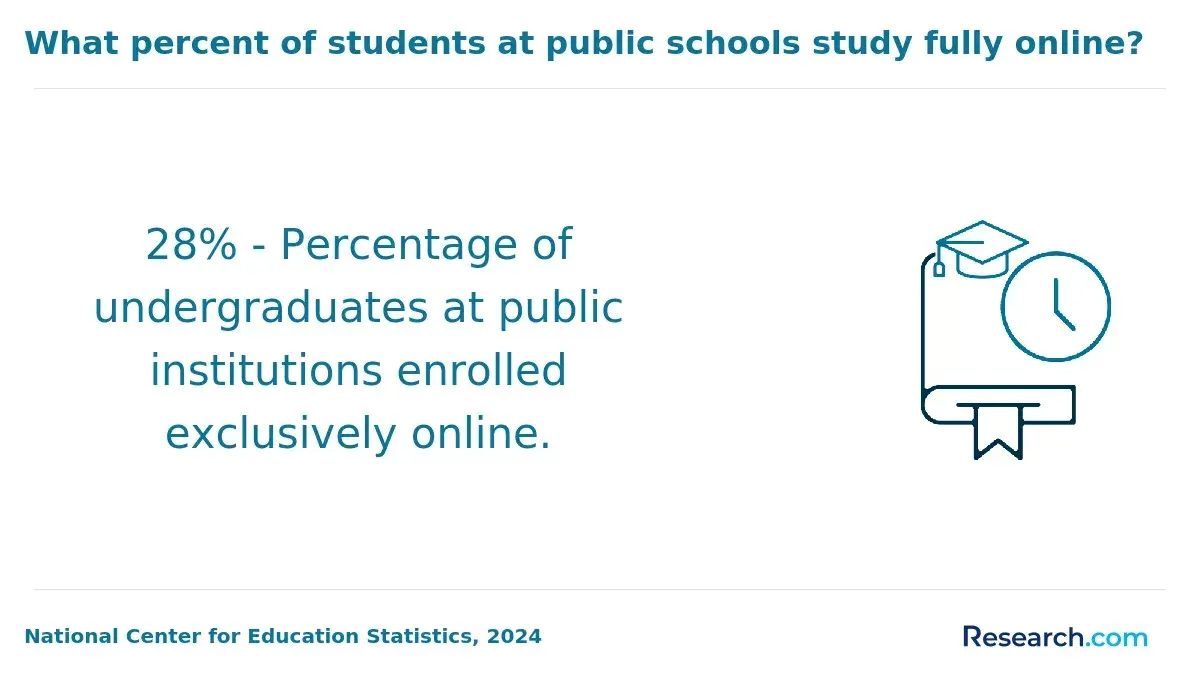
Online and campus certificates can carry similar academic value when they are offered by the same accredited institution and use the same curriculum. The practical difference is usually scheduling, access to equipment, networking, and supervised practice - not simply whether classes meet online.
This comparison can help you decide whether online part-time study supports your target occupation.
| Decision factor | Part-time online certificate | Campus-based certificate |
| Schedule | Often asynchronous, evening, or hybrid | Usually fixed meeting and lab times |
| Hands-on training | May require local labs, externships, or simulations | Usually easier access to labs and equipment |
| Networking | Requires deliberate use of virtual events and career services | More informal contact with peers and instructors |
| Travel costs | May reduce commuting and parking expenses | May add recurring transportation costs |
| Best fit | Working adults with reliable time-management systems | Students needing in-person structure or frequent skills coaching |
Online delivery is not automatically easier. A part-time schedule reduces the number of classes taken at once, but weekly reading, projects, discussions, and deadlines still require protected study time.
What accreditation and institutional standards should online certificate programs meet?
A reputable academic online certificate should be offered by an institution accredited by an agency recognized by the U.S. Department of Education or the Council for Higher Education Accreditation. Institutional accreditation is especially important when you want federal aid eligibility, transferable academic credit, or a credential that employers can verify.
Programmatic accreditation matters in selected fields. For example, healthcare, counseling, and certain technical programs may need specialized approval to satisfy employer, certification, or state licensing expectations.
A noncredit professional certificate may not need academic accreditation, but it should clearly identify its provider, curriculum, instructors, assessment method, refund policy, and industry relevance.
Before enrolling, use these checks to separate a legitimate flexible program from a weak or misleading offer.
- Confirm the school's institutional accreditation and verify it through a recognized accreditor or federal database.
- Ask whether the exact online format meets certification, clinical, apprenticeship, or licensure requirements in your state.
- Request the full curriculum, instructor qualifications, assessment method, and total cost in writing.
- Verify whether credits are transcripted, transferable, stackable into a degree, or strictly noncredit.
Be cautious when a provider claims "accredited" without naming the accreditor, promises a license without state-board confirmation, or refuses to explain required in-person components.
How long do part-time online certificate programs usually take and what do they cost?
Part-time completion time depends more on course sequence and required fieldwork than on the word "online." Short noncredit programs may last a few months, while credit-bearing undergraduate certificates often take two to four part-time terms. Clinical, practicum, or apprenticeship requirements can extend the timeline even when lectures are fully online.
Tuition is only one part of the investment. The National Center for Education Statistics reported that average undergraduate tuition and fees at public two-year institutions were $3,990 in the 2022-23 academic year, though certificate pricing varies substantially by school, residency, credit load, and program type. Use that figure as broad context, not as a program quote.
Compare these cost components before deciding that one program is cheaper.
| Cost factor | Why it changes the total | What to verify |
| Tuition or per-credit charges | Credit-bearing programs may bill by credit and term | Total credits and whether part-time enrollment changes the rate |
| Technology and course materials | Software, kits, textbooks, and remote-proctoring fees can add costs | Required equipment and recurring subscriptions |
| Clinical, lab, or exam fees | Healthcare and technical programs may require separate payments | Placement, background-check, licensing, and certification-exam costs |
| Lost work time | Externships or synchronous sessions can affect earnings | Required attendance hours and scheduling flexibility |
If a certificate is part of a longer academic plan, compare it with the lowest cost online bachelor's degree to see whether credits could reduce duplication later. Ask financial-aid staff whether the specific credit-bearing certificate is eligible for aid; noncredit programs often use different payment options.
What admission requirements do most part-time online certificate programs have?
Admission requirements range from simple registration to selective application review. Short noncredit career certificates may require only age, identity, payment, and basic technology access.
Community-college certificates commonly require a high school diploma or equivalent, application forms, placement steps, and prerequisite courses. Graduate certificates generally require a bachelor's degree and may require relevant professional preparation.
Do not assume a program has no academic requirements because it is online or part-time. Healthcare programs may require background checks, immunizations, drug screening, CPR training, or proof of placement eligibility. Technical programs may require math, computer, or English prerequisites. Programs preparing for industry certification may also have separate exam eligibility rules.
Applicants who want an affordable degree pathway rather than a standalone credential can compare cheap online colleges and ask whether a certificate's credits apply to an associate or bachelor's program.
What coursework and learning formats can you expect in part-time online certificates?
Most part-time online certificates use a mix of asynchronous coursework and scheduled activities. Asynchronous classes let students view lectures, complete readings, and submit assignments around work schedules. Synchronous sessions can provide live feedback but may be difficult for students with rotating shifts or caregiving responsibilities.
Expect coursework to match the credential's purpose. An academic certificate may include graded courses, exams, and transcripted credits. A professional or noncredit certificate may use projects, simulations, quizzes, portfolios, or instructor-reviewed assignments. Programs in clinical, skilled-trade, or lab-based fields may combine online theory with local practice requirements.
Before committing, review the learning format in detail.
- Ask whether live sessions are mandatory and whether recordings are available.
- Confirm the average weekly workload per course, including group projects and examinations.
- Identify every in-person requirement, its location, and whether the school secures placement.
- Test whether your computer, internet connection, software, and workspace meet program requirements.
- Find out how quickly instructors respond and what tutoring, library, disability, and career services are available online.
AI tools are increasingly used in workplaces and classrooms, but reputable programs should explain acceptable use, teach verification and privacy practices, and assess your own demonstrated skills rather than relying on automated output.
What salaries and advancement opportunities are common after earning an online certificate?
An online certificate can support advancement when it adds a skill your employer recognizes, prepares you for a required external exam, or provides a bridge into a degree. It is less likely to change earnings by itself when employers require extensive experience, a license, or a degree for the role you want.
Occupational wage data provides context, not a promise of post-certificate pay. For example, the BLS reported a 2023 median annual wage of $49,500 for medical records specialists, an occupation often associated with coding and health-information training. Actual hiring requirements, wages, and advancement vary by region, employer, credentials, work experience, and job duties.
A certificate is often most valuable when paired with a concrete advancement plan: build a portfolio, complete supervised experience, earn a relevant industry certification when appropriate, or stack transcripted credits into a degree. Professionals seeking a faster graduate-level transition may instead consider 1 year online masters programs if they already meet bachelor's-degree admission requirements.
What is the job outlook in fields commonly linked to online certificate programs?
Job outlook should influence certificate selection, but it should not replace a review of local job postings and entry requirements. The BLS projects employment of medical records specialists to grow 9% from 2023 to 2033, faster than the average for all occupations.
That outlook reflects broader demand for health data management, but employers may still prefer applicants with experience, coding knowledge, or an external credential.
Technology is reshaping certificate-linked work in different ways. Automation can reduce routine data-entry tasks while increasing demand for workers who can review exceptions, protect data, communicate with clients, and use specialized systems responsibly.
In design and IT, employers often expect practical evidence of current tools and workflows. In regulated fields, human judgment, documentation, and compliance remain important.
Use job outlook as a screening tool: identify several local or remote job listings, note repeated qualifications, then choose the shortest credible program that closes those specific skill gaps.
How can you evaluate and choose a reputable part-time online certificate program?
The best part-time online certificate is not necessarily the fastest or lowest-priced option. It is the program whose schedule, credential type, learning requirements, and career relevance fit your circumstances. Start with the job or next educational milestone, then work backward to the minimum training that credible employers or institutions recognize.
Use this process to compare finalists before you apply.
- Define the exact outcome you want, such as an entry-level role, external certification exam preparation, promotion, or transferable college credit.
- Review at least several recent job postings or licensing-board requirements to identify mandatory qualifications.
- Confirm whether the certificate is credit-bearing, noncredit, stackable, or designed only as continuing education.
- Calculate total cost, including software, books, exams, travel, labs, clinical requirements, and lost work time.
- Compare asynchronous flexibility, required live meetings, instructor access, and the school's placement or career support.
- Get written confirmation of accreditation, transfer policies, refund terms, and any state-specific eligibility issues.
Common mistakes include treating a completion certificate as an industry certification, choosing a program before checking state rules, ignoring required in-person training, and comparing tuition without required fees.
Avoid providers that promise employment or licensure, conceal their accreditor, pressure you to enroll immediately, or cannot explain how student learning is assessed.
Other Things You Should Know About the Best Online Certificate Programs
Often, yes. Look for asynchronous classes, predictable deadlines, and a manageable course load. However, programs with labs, clinicals, externships, or mandatory live sessions may require time away from work.
Employers generally focus on the provider's credibility, the skills demonstrated, relevant experience, and whether the credential meets a specific requirement. A certificate from an accredited college or recognized industry provider is usually easier to explain than an unverified completion badge.
It can prepare you for a certification exam, but the two credentials are different. Check the certifying organization's exam eligibility rules because education, work experience, and examinations may be required separately.
Sometimes. Transferability is determined by the receiving institution, not by the certificate title. Credit-bearing certificates from accredited colleges may be more likely to transfer, but you should obtain written confirmation before enrolling.
References
- Accredited Online School Programs: High Completion Rates https://advantagesschool.com/accredited-online-school-programs-with-high-completion-rates/
- How to Build a Strong Continuing Education Program That Actually Works https://moderncampus.com/blog/strong-continuing-ed-program.html
- Financial Aid For Online College Students | LearnHowToBecome.org https://www.learnhowtobecome.org/career-resource-center/financial-aid-for-online-colleges/
- Sessions College Again Ranked Among the Best Online Colleges | Sessions College https://www.sessions.edu/press-release/sessions-ranked-among-best-online-colleges/
- The Most Popular Accredited Online Colleges https://www.onlineu.com/online-schools/most-popular
- Best Student Loans for Certificate Programs - Credible https://www.credible.com/student-loans/student-loans-for-certificate-programs
- Financial Aid Guide for Students at Online Colleges - OnlineColleges.net https://www.onlinecolleges.net/for-students/financial-aid-online-students/
- Online Certificate Programs | Certifications Programs https://www.uscareerinstitute.edu/online-certificate-programs
- Best Online Colleges for Working Adults [2026] https://www.straighterline.com/blog/degree-completion-best-online-colleges-for-working-adults