2027 Best Online Career Training Programs With Resume Help

Co-Founder and Chief Data Scientist
Choosing online career training is harder when programs promise job support but do not explain what that support includes. This guide is for career changers, recent graduates, and working adults comparing short-term online training. The U.S. Bureau of Labor Statistics projects healthcare occupations to grow much faster than average from 2023 to 2033, making targeted, career-aligned training especially important.
Learn how to evaluate curriculum, resume coaching, employer connections, costs, credentials, and realistic career outcomes before enrolling.
Key Things You Should Know
- Resume help is most valuable when it includes one-on-one review, role-specific keywords, interview practice, portfolio feedback, and job-search accountability - not merely a resume template.
- Online career training can cost far less and take less time than a degree, but a certificate does not automatically provide professional certification, state licensure, college credit, or a job offer.
- Use occupational data to judge fit: BLS projects healthcare occupations to add more jobs than any other occupational group from 2023 to 2033, while many regulated roles still require supervised clinical training and state approval.
Top 10 Best Online Career Training Programs With Resume Help
Popular Trade School Programs
Online trade-focused programs commonly cover HVAC fundamentals, electrical theory, welding safety, construction estimating, automotive service basics, and industrial maintenance. They work best for learners who need theory, exam preparation, or an entry point before local hands-on training. A certificate may prepare students for an industry exam, but it usually cannot replace required shop hours, apprenticeships, or state licensing. Choose hybrid training when the target job requires equipment practice. Ask whether the program supplies simulations, local lab partners, instructor feedback, and resume support tailored to apprenticeships or technician roles.
Healthcare Programs
Common online healthcare options include medical billing and coding, pharmacy technician preparation, medical assisting theory, health information management, and electronic health records training. These programs may award a school certificate; national certification is separate and may require an exam or verified training. Clinical occupations such as practical nursing, sonography, and dental hygiene generally require approved programs with in-person clinical experiences. Before enrolling, confirm eligibility for the intended certification exam, background-check requirements, clinical placement responsibility, and state rules. Resume support should translate coursework into skills such as coding accuracy, privacy practices, patient communication, or software proficiency.
Criminal Justice / Law Programs
Online career programs in this area include paralegal studies, legal secretary training, court reporting foundations, cybersecurity investigations, corrections studies, and private-security preparation. A short certificate can build legal vocabulary, document-management, research, and ethics skills, but it does not authorize someone to practice law or independently provide legal advice. Paralegal employers may prefer an associate or bachelor's degree, and some states regulate related roles. Look for practical assignments involving legal citations, case files, filings, and professional correspondence. Resume assistance should help candidates present transferable office, research, compliance, and client-service experience accurately.
Arts & Design Programs
Online arts and design training often includes graphic design, UX design, digital marketing content, photography, video editing, web design, and interior design fundamentals. Portfolio quality usually matters more than a completion certificate alone, so select programs with project critiques and career-ready samples. A certificate can demonstrate structured learning, while software vendor certifications may demonstrate tool-specific knowledge; neither guarantees creative employment. Programs are strongest when students finish with work that matches actual entry-level job postings. Resume help should be paired with portfolio sequencing, project descriptions, LinkedIn review, and guidance on presenting freelance or collaborative work.
What are online career training programs with built-in resume and job search support?
Online career training programs with built-in resume and job-search support are short, career-focused learning experiences that combine occupational instruction with employment preparation. They may be offered by community colleges, universities, workforce providers, bootcamps, trade schools, or private training companies. The credential might be a credit-bearing academic certificate, a noncredit certificate of completion, or preparation for an external certification exam.
"Built-in" support should mean defined services, not vague career claims. Strong programs explain who provides the help, when it begins, how many coaching sessions are available, and whether support continues after completion.
Look for services that directly improve an application and search strategy:
- Resume and cover-letter review matched to a target occupation
- LinkedIn profile, portfolio, or work-sample feedback
- Mock interviews and job-search planning
- Employer events, internship guidance, or local hiring referrals
- Career coaching that explains eligibility limits for licensure or certification
Programs are a better fit for learners seeking focused, entry-level skills or a career transition. A degree, apprenticeship, or state-approved clinical program may be the better choice when an occupation requires extensive hands-on experience, licensure, or a credential employers consistently require.
How do online career training programs compare to campus options for career outcomes?
Online and campus programs can lead to similar outcomes when they teach the same verified competencies, offer credible instructor feedback, and connect students with practical experience. The major difference is usually access: campus programs may provide labs, clinical placements, equipment, peers, and local employer relationships, while online programs can better accommodate work and caregiving schedules.
This comparison highlights the outcome factors that matter more than delivery mode alone.
| Decision factor | Online career training | Campus or hybrid option |
| Schedule | Often asynchronous or flexible | Usually fixed meeting and lab times |
| Hands-on practice | May use simulations or require local placement | More direct access to labs and equipment |
| Career support | Often virtual coaching and digital job tools | May include local career fairs and employer networks |
| Best fit | Office, technology, design, billing, and theory-heavy training | Licensed, clinical, equipment-intensive, or shop-based roles |
For military-connected learners, compare transfer policies, deployment flexibility, and support systems alongside training quality; resources on the best online college for military can help identify institution-level features worth checking. Do not assume virtual career services are weaker, but ask for measurable details such as appointment availability, placement definitions, and whether local placements are arranged or left to students.
How can students identify accredited online career training programs that include resume services?
Accreditation is relevant when the provider is a college, when federal aid is involved, or when a program must meet professional or state approval requirements. Institutional accreditation evaluates the school as a whole; programmatic accreditation evaluates certain specialized programs. Neither should be confused with an industry certification.
Use the following checks before paying a deposit. They help distinguish a legitimate training option from one that makes unsupported employment claims.
- Identify the exact credential: academic certificate, noncredit completion certificate, exam-preparation course, or degree.
- Verify the school's institutional accreditation through the U.S. Department of Education database or the Council for Higher Education Accreditation directory when accreditation is claimed.
- For regulated fields, verify approval with the relevant state licensing board and confirm whether online students are eligible in their state.
- Read the external certification organization's eligibility rules rather than relying on a school's marketing language.
- Request the written scope of resume, coaching, placement, and refund services before enrolling.
Red flags include guaranteed employment language, unclear tuition, pressure to enroll immediately, no named instructors, and claims that a fully online course meets clinical or licensing requirements without documentation. If a program is noncredit, ask whether employers in your local market recognize it; transfer to a degree program is often limited or unavailable.
What admission requirements and prerequisites do online career training programs typically have?
Admission requirements vary by provider and credential level. Many nondegree online career courses require applicants to be at least 18 or have a high school diploma or equivalent, while college certificates may require a formal application, placement steps, or prior coursework. Advanced technology, healthcare, and legal programs may expect prior education or work experience.
Requirements deserve attention because they can affect both completion and eligibility for the next step.
| Program type | Typical entry expectation | Important limitation to check |
| Noncredit career training | Basic computer access and adult-education eligibility | May not award transferable college credit |
| College certificate | Application and high school completion or equivalent | Prerequisites may extend completion time |
| Healthcare exam preparation | Requirements set by the exam sponsor or employer | Program completion may not alone meet exam eligibility |
| Licensed clinical program | Academic prerequisites, screening, and health requirements | State approval and supervised clinical hours may be mandatory |
Do not choose a program solely because it advertises "no GPA requirement." That may describe admission to a course, not eligibility for an employer-required certification, a clinical placement, or a later degree. Ask whether background checks, drug screening, immunizations, software, equipment, or proctored exams create additional barriers.
How long do online career training programs take and what do they cost?
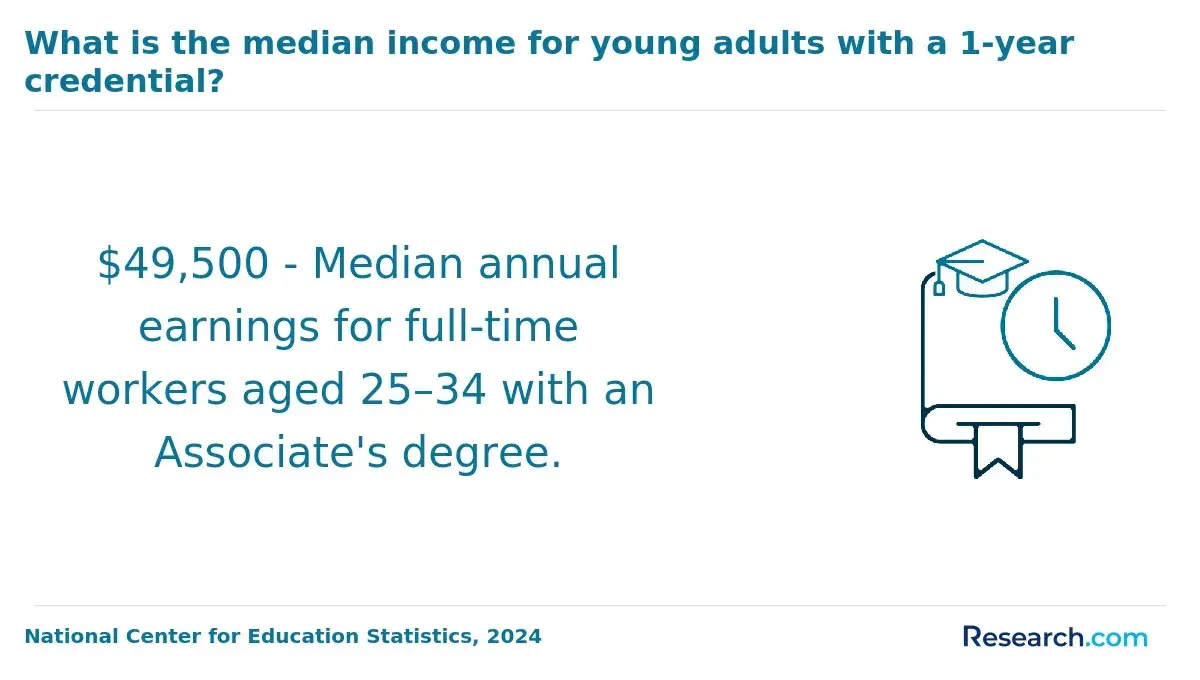
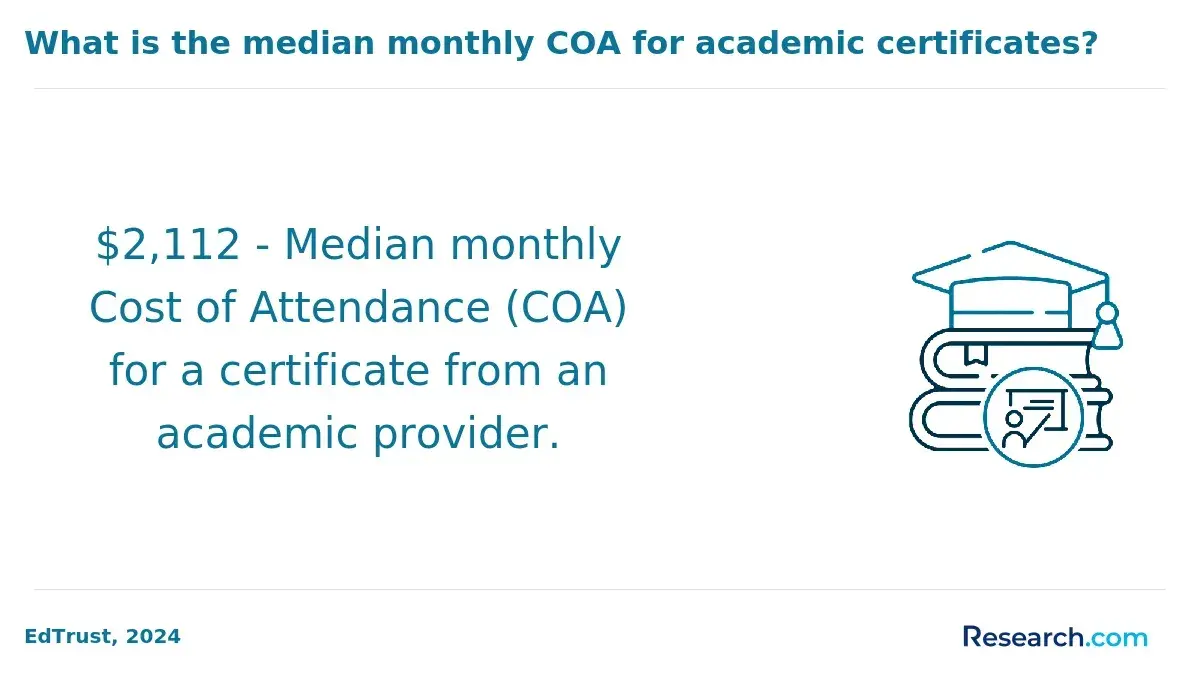
Completion time ranges from a few weeks for focused software or job-readiness training to roughly one year for many academic certificates; associate degrees commonly take about two years of full-time study. Actual pace depends on course sequencing, required labs, clinical placements, and how many hours a student can study each week.
Total cost is more than tuition. Compare the full out-of-pocket amount and the value of the credential, rather than selecting the cheapest advertised monthly payment.
| Cost category | Why it matters | Question to ask |
| Tuition and fees | May be charged by course, term, or program | What is the total amount through completion? |
| Tools and technology | Software, laptop, kits, and exam proctoring can add costs | Which items are mandatory? |
| Certification exams | External exam fees may not be included | Is one exam attempt covered? |
| Clinical or lab expenses | Travel, uniforms, checks, and insurance may apply | Who arranges and pays for placement? |
Federal financial aid generally applies only to eligible programs at eligible institutions, not every online training provider. Employer tuition benefits, workforce grants, payment plans, and scholarships may reduce cost, but confirm whether repayment is required. Learners considering a longer degree after training can also compare the cheapest online university option to evaluate whether a credit-bearing pathway offers better long-term value.
What coursework and hands-on training do career programs with resume help usually include?
Career programs with credible resume help typically combine occupational knowledge, applied assignments, and employment preparation. The right balance depends on the field. Coding students may practice medical terminology and claim scenarios; design students may create portfolio projects; IT students may complete troubleshooting labs; trades students may learn safety and technical calculations before supervised hands-on practice.
Ask for a syllabus and sample assignment because course titles alone reveal little about practical depth. Useful evidence includes instructor feedback, graded projects, simulations, employer-informed tasks, and clear statements about what students must complete independently.
Effective career preparation usually follows instruction rather than replacing it:
- Translate projects and prior experience into accomplishment-focused resume bullets
- Match resumes to job descriptions without exaggerating qualifications
- Practice explaining skills, gaps, career changes, and work samples in interviews
- Create a focused application plan for entry-level roles, internships, or apprenticeships
AI tools are increasingly used for drafting resumes and screening applicants, but students should review every claim for accuracy. A generic AI-generated resume can overlook required keywords, local licensing language, and the concrete evidence an employer needs to see.
What careers can graduates pursue after completing online training with resume support?
Graduates may pursue entry-level roles aligned with their training, prior experience, location, and any external credential requirements. Examples include billing specialist, pharmacy technician trainee, help desk specialist, junior designer, legal assistant, customer support specialist, HVAC helper, or construction office coordinator. Some roles are accessible through a short program; others require an exam, license, apprenticeship, clinical hours, or degree.
This overview separates common pathways from requirements that a completion certificate alone may not satisfy.
| Training focus | Possible entry-level direction | Common additional requirement |
| Medical billing and coding | Billing or coding support roles | Employer preference for coding certification may vary |
| IT support | Help desk or desktop support | Industry certification or demonstrated troubleshooting skills |
| Digital design | Production artist or junior content role | Relevant portfolio |
| HVAC or electrical fundamentals | Helper or apprentice pathway | Supervised work and state-specific rules |
| Paralegal studies | Legal assistant or paralegal support role | Employer requirements and state considerations |
A short training program can also be a stepping stone rather than an endpoint. Learners seeking management or advanced specialist roles may later need an associate, bachelor's, or graduate degree. For a different advanced-learning model, understanding what is a competency based masters degree may be useful for experienced professionals who can progress by demonstrating mastery.
What salary ranges and job outlook can students expect after career training completion?
Salary depends on occupation, region, experience, employer, schedule, and credentials - not simply on completing an online program. Use U.S. Bureau of Labor Statistics occupational data as a market benchmark, then compare it with local job postings and the qualifications employers actually request.
Recent BLS projections illustrate why field selection matters. From 2023 to 2033, healthcare occupations are projected to grow much faster than the average for all occupations, while some creative and office roles face greater competition or automation pressure. Growth does not mean every program leads to a job; it indicates where employers may need workers if applicants meet the full role requirements.
The following occupational examples show why readers should compare a target role, not a school's broad salary claim.
| Occupation example | Typical preparation consideration | How to use salary data |
| Computer user support specialist | Skills, experience, and certifications may matter alongside education | Compare local postings with BLS occupational wage data |
| Medical records specialist | Employers may prefer coding knowledge or certification | Check whether jobs seek entry-level coding experience |
| Graphic designer | Portfolio and software proficiency are central | Separate freelance income from employee wage estimates |
| HVAC mechanic and installer | Apprenticeship, licensing, and hands-on training may be required | Account for local licensing and overtime patterns |
Be cautious of providers that quote a high occupational median wage without explaining that the occupation may require years of experience, a degree, a license, or credentials beyond their program. The more closely the curriculum, required credential, and local job postings match, the more useful the training is likely to be.
How should students compare and choose reputable online career programs with resume assistance?
The best online program is the one that credibly supports your specific target role at a cost and schedule you can sustain. Compare at least three options using identical questions, including total cost, completion timeline, credential type, live support, practical training, external exam eligibility, and the precise scope of career services.
Use this process to make a decision before submitting an application.
- Choose one or two realistic target job titles and review current local postings for required skills, licenses, experience, and software.
- Eliminate programs that do not meet licensing, clinical, apprenticeship, or employer requirements for those roles.
- Request a complete cost sheet, refund policy, syllabus, technology list, and written description of resume and placement support.
- Confirm whether the credential is credit-bearing, transferable, stackable, or solely a noncredit completion certificate.
- Calculate the opportunity cost of time away from work and compare it with a longer pathway if the role usually requires a degree.
Common mistakes include confusing a certificate with professional certification, trusting placement claims without definitions, and overlooking local requirements. Avoid enrolling because a program is fast or heavily discounted; accelerated study can be worthwhile only if you can complete the workload and the credential matches employer demand. If your goal eventually requires doctoral study, review the cheapest online PhD programs in USA separately, since short career training rarely substitutes for graduate admission requirements.
Other Things You Should Know About
No. Resume services can strengthen applications and interviewing, but hiring depends on employer needs, qualifications, location, competition, and any required license or certification. Ask the provider to define its services and placement claims in writing.
Some are offered by institutionally accredited colleges, while many noncredit providers are not accredited in the college sense. For regulated careers, program approval and certification-exam eligibility can matter more than general institutional accreditation.
It depends on the school and program. Eligible students may use federal aid for qualifying programs at eligible institutions, but many short noncredit courses do not qualify. Check employer benefits, workforce funding, scholarships, and payment-plan terms.
Compare the curriculum and credential with several current job postings in your area. Favor programs that build demonstrable skills, portfolios or practical work, and eligibility for any certification employers request.
References
- Online Certificates for Job-Ready Skills | Grow with Google https://grow.google/certificates
- Resume Writing Service Costs: Full Price Guide | ResuFit https://resufit.com/blog/how-much-do-resume-writing-services-cost-a-complete-price-guide/
- Training & Certification for Resume Writers & Career Coaches https://careerdirectors.com/shop/
- Career Pro Guider | Resume Writing & Career Coaching Services https://careerproguider.com/blog/ai-vs-professional-resume-cost
- Best Online Colleges with Job Placement Programs for Career Success https://lakewood.edu/best-online-colleges-with-job-placement-programs-for-career-success/
- Which Online Certification Programs Are Recognized by Employers in the U.S.? https://fellow.msicertified.com/blog/which-online-certification-programs-are-recognized-by-employers-in-the-u-s
- How to Use Career Outcome Data to Attract Prospective Students https://writesea.com/blog/how-to-use-career-outcome-data-to-attract-prospective-students/
- Executive Resume Writing Service Cost: Top 3 Benefits https://parwcc.com/executive-resume-writing-service-cost/
- Programs - Employment Support Services https://essnevada.com/programs-2/
- Best Resume Writing Service l 4.9/5 - 2000+ 5-Star Reviews https://resumespice.com/